Wildlife Safari Experience in Ranthambore National Park
rtp123
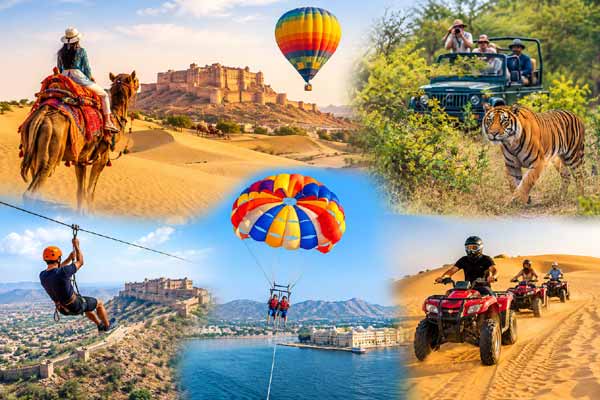
Wildlife Safari Experience in Ranthambore National Park is one of the most exciting experiences in Rajasthan. Renowned for its thriving population of Bengal tigers, the park attracts wildlife enthusiasts, photographers, and nature lovers from around the world. Spread across a diverse landscape of forests, lakes, grasslands, and rocky hills, Ranthambore offers excellent opportunities to observe wildlife in its natural habitat.
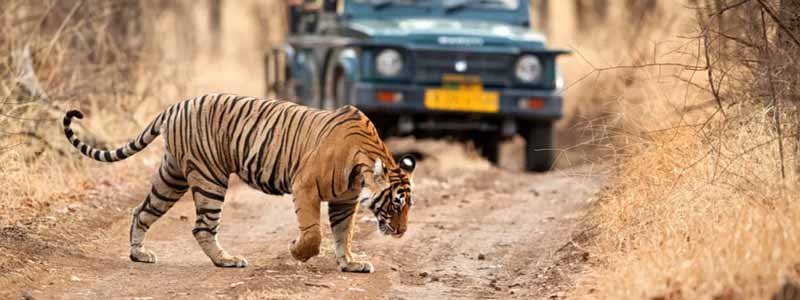
The highlight of every safari is the chance to spot the majestic Bengal tiger. Ranthambore is considered one of the best places in India for tiger sightings due to its open terrain and healthy tiger population. Visitors often witness tigers walking along forest tracks, resting near water bodies, or hunting in the wilderness.
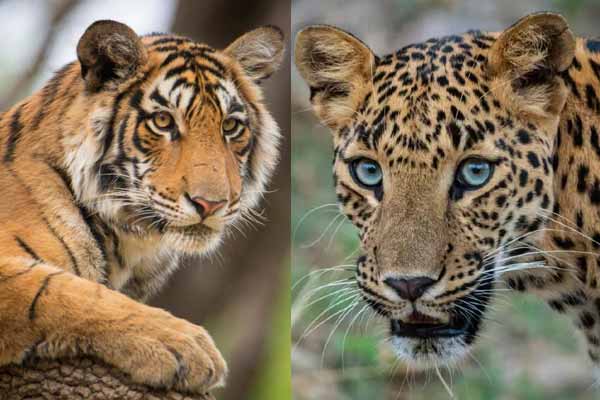
Apart from tigers, the park is home to a rich variety of wildlife, including leopards, sloth bears, striped hyenas, jackals, nilgai, sambar deer, spotted deer, wild boars, and langurs. Birdwatchers can also enjoy sightings of peacocks, kingfishers, eagles, painted storks, owls, and many migratory birds.
Safaris are conducted in open jeeps and canters, accompanied by experienced naturalists and forest guides who help visitors track wildlife and understand the ecosystem. Early morning and late afternoon safaris are particularly rewarding, as animals are most active during these cooler hours.
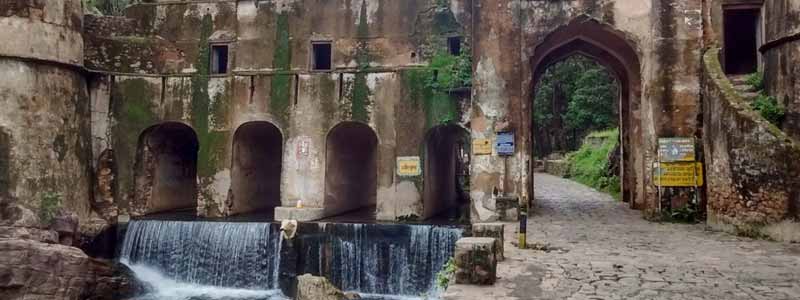
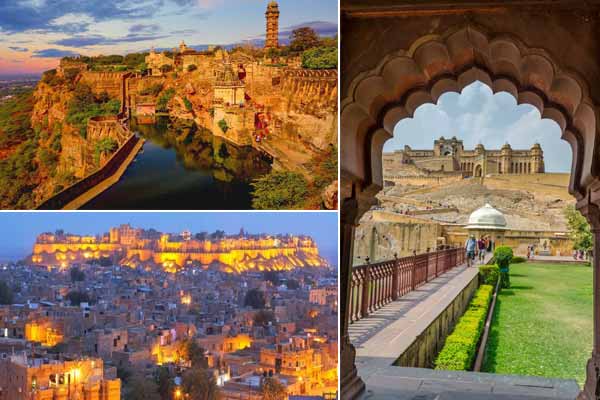
The scenic beauty of the park adds to the adventure. Lakes such as Padam Talao and Rajbagh Talao, ancient ruins, and the imposing Ranthambore Fort create a unique backdrop for wildlife viewing and photography.
A safari in Ranthambore is more than just a tiger hunt; it is an immersive journey into one of India’s most remarkable wilderness areas, offering unforgettable encounters with nature and wildlife.
Wildlife Safari Experience in Ranthambore National Park
The Beauty of Ranthambore National Park
Ranthambore National Park covers a large and diverse landscape filled with dry deciduous forests, open grasslands, rocky hills, lakes, and ancient ruins. The terrain itself plays an important role in shaping the safari experience. Unlike dense tropical jungles, Ranthambore has open areas that make it easier to spot wildlife. This is one of the reasons why the park is so famous among photographers and wildlife enthusiasts.
The natural setting changes with the seasons. During the summer, animals gather near water sources, increasing the chances of sightings. In winter, the weather becomes pleasant, and the forest feels peaceful and alive with bird calls and animal movement. Monsoon brings a fresh green look to the park, though safari operations may be limited in some periods depending on weather and park management rules.
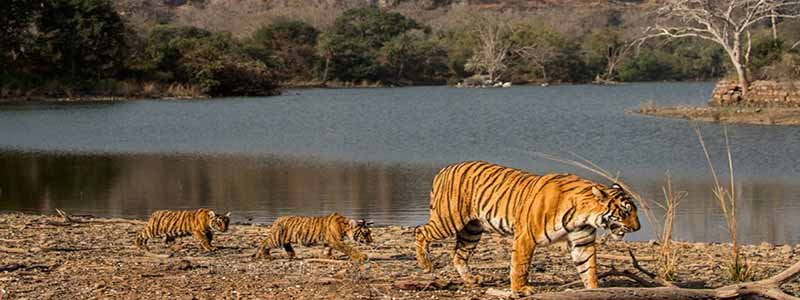
The lakes in Ranthambore, such as Padam Talao, Malik Talao, and Rajbagh Talao, are especially beautiful and often attract animals looking for water. These lakes are also some of the best places to observe wildlife from a distance. Tigers are often seen walking along the edges, crocodiles rest near the banks, and birds gather in large numbers. The combination of water, forest, and wildlife makes these zones among the most memorable parts of the park.
Wildlife Safari Experience in Ranthambore National Park
Safari Zones in Ranthambore
The park is divided into several safari zones, each offering unique landscapes and wildlife opportunities. Every zone has its own charm and potential for exciting sightings.
Some zones are known for:
Frequent tiger sightings
Beautiful lakes and water bodies
Dense forest areas
Historic ruins
Birdwatching opportunities
Scenic photography locations
Visitors are assigned zones through the official booking system. While no zone can guarantee wildlife sightings, each offers a rewarding experience within the park’s natural environment.
Wildlife Safari Experience in Ranthambore National Park
Ranthambore Safari Timing
Safari timings vary depending on the season because they follow sunrise and sunset.
Here are the approximate Ranthambore safari timings.
Season
Morning Safari
Evening Safari
Oct – Feb
6:30 AM/7:AM
2:30 PM/2:00 AM
Mar – Apr
6:00 AM
3:00 PM
May – Jun
6:00 AM
3:30 PM
Each safari lasts approximately 3 to 3.5 hours.
Both morning and evening safaris offer unique wildlife viewing opportunities.
Jungle Safari in Ranthambore and Its types:
Ranthambore National Park offers two types of safaris: Jeep Safari (6-seater) and Canter Safari (20-seater). Both vehicles operate during the morning and evening shifts, with safari durations typically lasting about 3.5 hours.
Jeep Safari
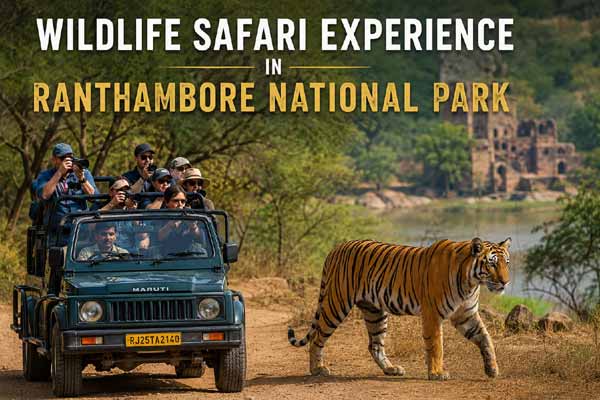
The Jeep Safari takes place in a 4×4 Maruti Suzuki Gypsy, which can accommodate up to 6 visitors, not including the guide and driver. If you’re a photographer or want to get a closer wildlife experience, the Jeep Safari is highly recommended.
Canter Safari The Canter Safari is conducted in an open bus that holds up to 20 visitors (excluding the guide and driver). This option is ideal for groups traveling together and is a budget-friendly alternative to the Jeep Safari.
The Royal Bengal Tiger is the star attraction of Ranthambore National Park. Many travelers come here with the dream of seeing this magnificent predator in the wild. Tiger sightings are never guaranteed, which only adds to the excitement. When a tiger does appear, the moment is unforgettable. The jungle falls silent, the safari vehicle stops, and everyone watches with awe as the animal moves through its territory with calm confidence.
Ranthambore tigers are famous for their visible, daytime behavior, which makes sightings more common than in many other parks. Some tigers are well known by name and have become legends among wildlife lovers because of their behavior, territory, and frequent appearances. For many visitors, seeing even one tiger is the highlight of their entire Rajasthan journey.
But the park offers much more than tiger sightings. Leopards are present, though they are more elusive and harder to spot. Sloth bears roam the forest, especially in quieter areas. Sambar deer, chital, nilgai, langurs, jackals, and wild boars are common sightings. Marsh crocodiles can often be seen near the water bodies, and the birdlife is excellent throughout the year. Egrets, kingfishers, bee-eaters, peacocks, parakeets, and several species of raptors add color and life to the safari route.
For bird watchers, Ranthambore is a delight. The variety of birds changes with the seasons, making each visit different from the last. The forest is especially active in the early morning when birds call from the treetops and the cool air makes the safari feel even more refreshing.
The Zones of Ranthambore
Ranthambore National Park is divided into multiple safari zones, each with its own landscape, water sources, and wildlife activity. Some zones are famous for tiger sightings, while others are known for beautiful scenery, birdwatching, or quiet forest drives. Visitors are usually assigned a zone in advance, and each zone offers a different safari experience.
Some zones have open grasslands and lakes, while others include hilly terrain and denser vegetation. The fort area and the older zones often attract special interest because of their historical and scenic appeal. No matter which zone you get, the forest experience remains exciting and unpredictable. That is part of Ranthambore’s charm.
Since wildlife movement changes naturally, a zone that is active one day may be quiet the next. This is why every safari feels fresh and different. Regular visitors often enjoy exploring various zones to experience the park from multiple perspectives. The diversity of the reserve ensures that there is always something new to observe.
Best Time to Visit Ranthambore
The park opens from October to June, with each season offering a unique safari experience. The cool winter months (November to February) are ideal for comfortable game drives and photography, while the warmer summer months (March to June) increase the chance of tiger sightings near water bodies.
Booking early ensures you get your preferred luxury resort and safari zones, as Ranthambore is among the top-rated wildlife destinations in India for both international and domestic travelers.
Summer: The summer season in Ranthambore starts in March and lasts till the end of June. In Ranthambore, the maximum temperature of the day reaches 48 ° C during the summer season. You can experience heatstroke during the day while the temperature falls to 30 ° C at night.
Winter: The winter season in Ranthambore starts from November and lasts till February. The daytime temperature reaches 20 ° C in the winter season while the night temperature goes below 10 ° C. Rain and fog are forecast in mid-winter. During the winter, the Ranthambore National Park is very cold in the morning.
Monsoon: Ranthambore has a monsoon season from July to September. The weather remains moist and it rains twice a week. The special thing is that Ranthambore is open to tourists even during the monsoon. In its zones 6 to 10, the safari is operated by the forest department, while 1 to 5 remains closed to tourists during the monsoon and reopens to tourists from 1 October. If you are going on a trip to Ranthambore in monsoon then light cotton clothes and some rain gear are recommended. It is a good idea to keep insect repellent.
When to Go: The Park is worth visiting from October to June to enjoy the jungle safari well. Ranthambore is heavily crowded with tourists on weekends and holidays so it is advisable to book safaris and hotels in advance.
How to Reach Ranthambore National Park
Located in the Sawai Madhopur district of Rajasthan, Ranthambore National Park is well connected by air, rail, and road, making it one of India’s most accessible wildlife destinations.
By Air
The nearest airport is Jaipur International Airport, situated approximately 180 km from Ranthambore. The airport has regular domestic and international flights connecting major cities such as Delhi, Mumbai, Bengaluru, and Chennai.
From Jaipur Airport, visitors can hire a private taxi or take a bus to Sawai Madhopur. The journey usually takes around 3.5 to 4 hours by road.
By Train
The most convenient way to reach Ranthambore is by train. Sawai Madhopur Railway Station is located about 10 km from the national park and is well connected to major cities across India.
Popular train connections are available from:
Delhi
Jaipur
Mumbai
Agra
Kota
Once you arrive at Sawai Madhopur Railway Station, taxis, auto-rickshaws, and hotel transfers are readily available.
By Road
Ranthambore enjoys excellent road connectivity with major cities in Rajasthan and North India.
Approximate distances:
Jaipur to Ranthambore – 180 km (3.5–4 hours)
Delhi to Ranthambore – 380 km (6–7 hours)
Agra to Ranthambore – 260 km (5 hours)
Kota to Ranthambore – 130 km (2.5 hours)
Udaipur to Ranthambore – 400 km (7–8 hours)
Travelers can choose from private taxis, self-drive cars, luxury coaches, and state-run buses.