Where to See Tigers in Ranthambore: A Complete Guide to Tiger Sightings
rtp123
Where to See Tigers in Ranthambore National Park in Sawai Madhopur, Rajasthan, is one of India’s best-known destinations for spotting Bengal tigers in the wild. The park is famous for its dry forests, grasslands, lakes, rocky hills, and historic ruins, creating an ideal habitat for a variety of wildlife.
For tiger sightings, Zones 1 to 5 are traditionally popular among safari visitors. These areas include important wildlife habitats and water bodies. Zone 2 is known for locations such as Jhalra and Kamaldhar, while Zone 3 includes the scenic Padam Talao and Raj Bagh area. Zone 4 covers places around Malik Talao, Lakarda, and Berda. These zones can offer excellent opportunities to observe tigers, but sightings are never guaranteed.
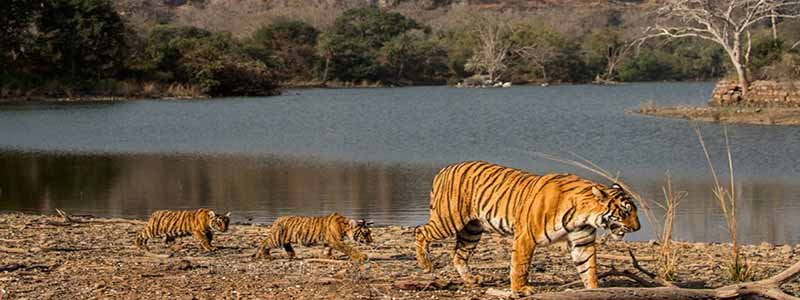
Water bodies are particularly interesting during warmer months because wildlife often gathers around available water. Padam Talao, Raj Bagh Talao, and Malik Talao can attract deer, crocodiles, birds, and other animals, which may also bring predators into the area.
Zones 6 to 10 also provide wildlife viewing opportunities. Tigers can move across large territories, so their location changes according to food, water, shelter, and natural behavior. Therefore, choosing a particular zone does not guarantee a tiger sighting.
Taking two or more safaris can improve your chances because you may explore different routes and experience different wildlife conditions. Both morning and afternoon safaris can be rewarding.
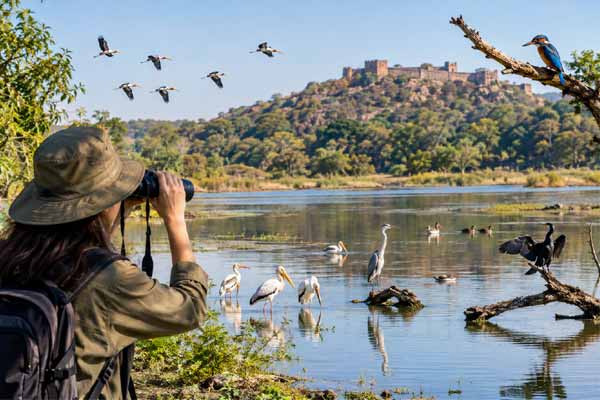
Apart from tigers, visitors may see sambar deer, chital, nilgai, wild boar, langurs, crocodiles, leopards, sloth bears, and many bird species.
For the best experience, remain patient, follow your naturalist’s instructions, and avoid making noise. A Ranthambore safari is not only about finding a tiger but also about enjoying the complete wilderness experience.
Ranthambore has become famous for its tiger population because of its suitable habitat and long history of wildlife conservation. The landscape provides forests for shelter, open areas for movement, water sources, and prey species such as spotted deer, sambar, wild boar, and other animals.
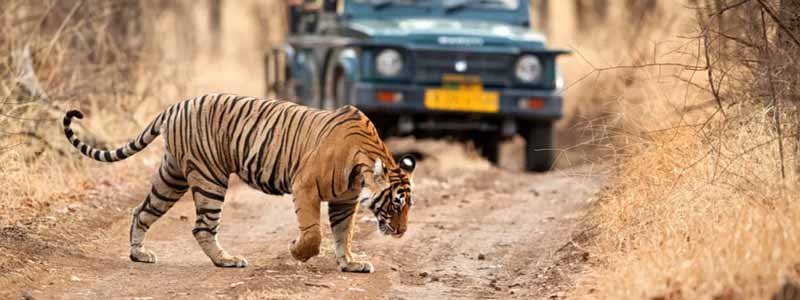
The combination of forest and open terrain can sometimes make tiger sightings easier than in very dense forests. A tiger may be seen walking along a forest track, resting near water, moving through grassland, or crossing a road. In some situations, visitors may even see a tiger from a relatively short distance while remaining safely inside their safari vehicle.
The area around Ranthambore Fort also adds to the experience. Ancient ruins, temples, lakes, and forested hills create a unique environment where wildlife and history exist together.
Where to See Tigers in Ranthambore
Ranthambore Safari Zones
Ranthambore National Park is divided into several safari zones. The zones are generally numbered from Zone 1 to Zone 10, with some areas traditionally considered more popular for tiger sightings.
The important thing to remember is that no zone can guarantee a tiger sighting. A tiger can move between areas, and its location can change during the day.
Here is a general overview of the zones that travelers commonly hear about when planning a Ranthambore tiger safari.
Zone 1
Zone 1 is one of the traditional safari areas of Ranthambore and has been associated with tiger sightings over the years. The landscape includes forest, open areas, and water sources that can attract wildlife.
Because tiger movement changes regularly, visitors should not enter Zone 1 expecting a guaranteed sighting. The best approach is to remain patient and listen carefully to the natural signs around the vehicle.
Zone 2
Zone 2 is often considered one of the popular areas for wildlife viewing. It includes a mixture of forest and water bodies, which can make it attractive to different species.
The presence of water can be particularly important during warmer months. Tigers and other animals may visit water sources to drink or cool themselves. Early morning and late afternoon safaris can therefore provide interesting opportunities for wildlife observation.
Zone 3
Zone 3 is especially popular because of its scenic landscape and water bodies. The area around Padam Talao is one of the well-known sights associated with this part of the park.
Padam Talao is a beautiful lake surrounded by forest and rocky scenery. Visitors may see deer, birds, crocodiles, and other wildlife around the water. Tigers have also been seen in this general area over the years.
Even when a tiger does not appear, Zone 3 can be one of the most enjoyable areas for photography and landscape viewing.
Zone 4
Zone 4 has gained a strong reputation among wildlife enthusiasts because of repeated tiger sightings over the years. It contains forest tracks, open areas, and water sources.
This zone is often discussed by visitors who are particularly interested in tiger photography. However, previous sightings do not mean that every safari will produce a tiger sighting.
Wildlife changes constantly, and the best safari experience comes from accepting the uncertainty and enjoying whatever the forest offers.
Zone 5
Zone 5 is another important safari area where visitors can encounter a variety of wildlife. The landscape contains forested sections and open areas that support deer, monkeys, birds, and other animals.
Tigers may also be seen in this zone, depending on their movements. The presence of prey animals can sometimes provide clues about tiger activity, although there is no simple formula for predicting where a tiger will be.
Zones 6 to 10
The newer or extended safari zones, generally covering Zones 6 to 10, can also provide wildlife sightings. These areas may have a different landscape and atmosphere from the core zones.
Travelers sometimes focus too much on getting a particular zone and assume that other zones are less valuable. This is not necessarily true. Tigers move across large territories, and sightings can occur in different parts of the park.
For visitors who have several safari opportunities, exploring different zones can make the overall experience more interesting.
Where to See Tigers in Ranthambore
Which Zone Is Best for Tiger Sightings?
There is no permanent answer to this question.
Zones such as 2, 3 and 4 are frequently discussed among travelers for tiger sightings, while other zones can also produce excellent encounters. Tiger movement depends on many natural factors, including territory, prey availability, temperature, water, season, and the individual animal’s behavior.
Rather than asking only, “Which is the best zone?”, it is better to ask:
Which safari zone has the best current wildlife movement?
Local safari drivers and guides regularly work in the forest and may have useful knowledge about recent animal activity. Even then, they cannot guarantee where a tiger will appear.
Can You See Tigers Near Water?
Yes, water sources can be important places for wildlife observation, especially during hot weather.
Ranthambore has several lakes, ponds, and smaller water sources. Tigers may visit these areas to drink, rest, or move through nearby vegetation. Other animals also gather around water, making these locations excellent places for general wildlife viewing.
Important water bodies and scenic areas associated with Ranthambore include Padam Talao, Rajbagh Talao, and Malik Talao.
Rajbagh Talao is particularly scenic because of the historic ruins surrounding the lake. The combination of old stone structures, water, grassland, and forest creates one of the most memorable landscapes in the park.
However, a tiger is never guaranteed simply because you are near a lake. A tiger may have visited earlier, may arrive later, or may be somewhere completely different.
Best Time of Day to See Tigers
Ranthambore generally offers morning and afternoon safari sessions. Both can be rewarding, but the experience can differ depending on the season.
Morning Safari
Morning safaris are popular because the forest is cooler and generally quieter. Animals may be active after the night, and the softer morning light is excellent for photography.
You may encounter deer, monkeys, peafowl, birds, crocodiles, and other animals before even thinking about tigers. Sometimes the sighting begins with a warning call from a deer or langur.
Afternoon Safari
Afternoon safaris can also be excellent for tiger sightings. As the day progresses, animals may become active again after spending time resting during the warmer hours.
During cooler months, afternoon light can be particularly attractive for photography. Golden sunlight falling across the forest can create beautiful scenes.
Rather than choosing only one safari time because you expect it to be better, travelers should consider taking both morning and afternoon safaris when their itinerary allows.
Best Season for Tiger Sightings in Ranthambore
Ranthambore experiences different wildlife conditions throughout the year.
Winter
Winter is a comfortable season for visitors. The mornings can be cold, especially during early safari hours, so warm clothing is recommended.
Wildlife viewing can be enjoyable because temperatures are more comfortable, although early mornings may be chilly.
Summer
Summer can be hot, but it is often considered an interesting season for wildlife observation. As temperatures rise, water becomes increasingly important.
Animals may spend more time near available water sources. Tigers can sometimes be found resting near water or moving through shaded areas.
Visitors traveling during the hotter months should carry water, wear light clothing, protect themselves from the sun, and follow the instructions of the safari guide.
Monsoon
Ranthambore’s tourism and safari operations can be affected by the monsoon season, and access to different areas can vary. Travelers should check the current park opening arrangements before planning a safari during the rainy period.
The landscape can become greener and more attractive after rainfall, but wildlife viewing conditions are different from the dry season.
Other Wildlife You Can See While Looking for Tigers
Ranthambore is much more than a tiger destination. During your safari, you may encounter:
Sambar deer
Spotted deer
Nilgai
Wild boar
Indian gazelle
Langur
Sloth bear
Leopard
Marsh crocodile
Jackal
Hyena
Numerous resident and migratory birds
Even if a tiger does not appear during your safari, the variety of wildlife can make the journey worthwhile.