Best Nature and Wildlife Destinations in Rajasthan
rtp123
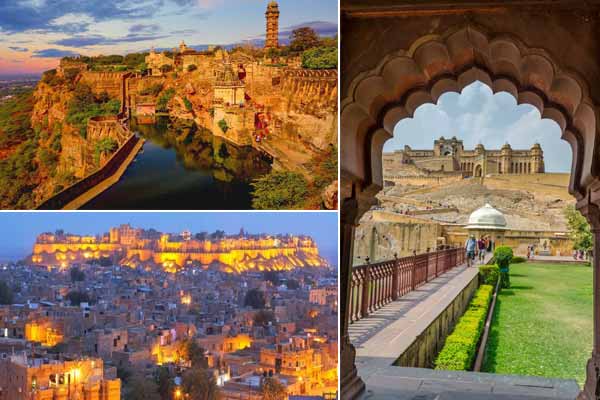
Best Nature and Wildlife Destinations in Rajasthan is famous for its royal palaces and historic forts, but the state also offers beautiful natural landscapes, diverse wildlife, and peaceful nature escapes. From the golden dunes of the Thar Desert to lush hills and wildlife sanctuaries, there are many nature and wildlife destinations in Rajasthan worth visiting.
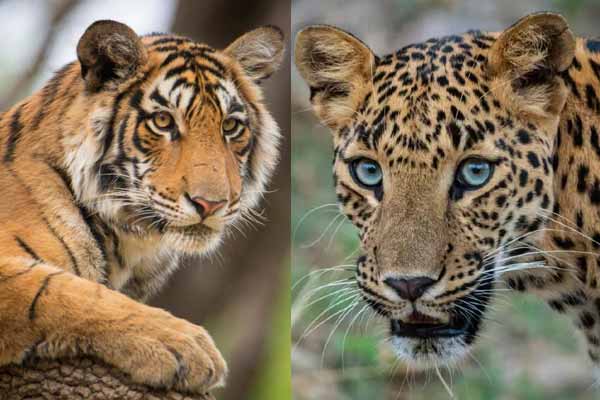
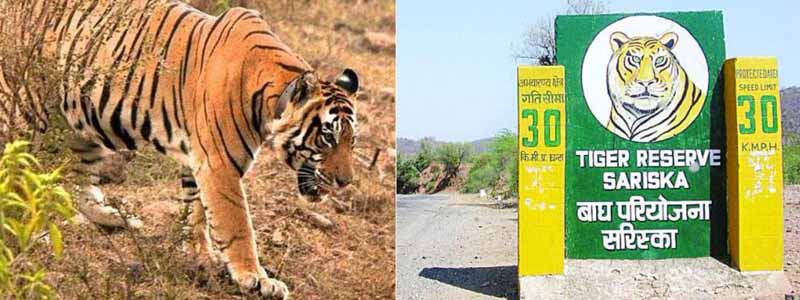
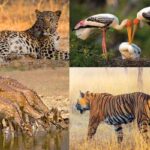
One of the most popular destinations is Ranthambore National Park, known for its Bengal tigers, leopards, deer, and rich birdlife. It is an excellent place for wildlife photography and jungle safaris. Sariska Tiger Reserve, located in Alwar, is another popular destination where visitors can explore forests, rocky hills, and diverse wildlife.
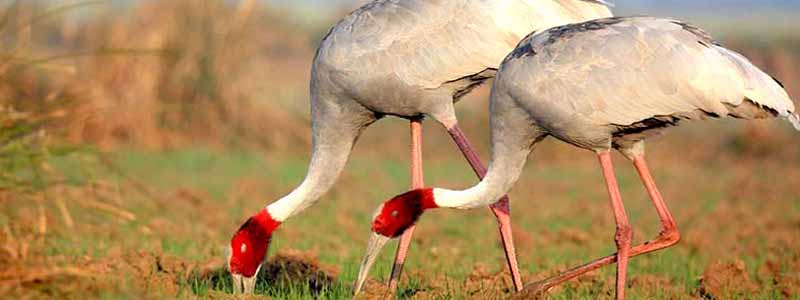
For bird lovers, Keoladeo National Park in Bharatpur is a must-visit destination. This UNESCO World Heritage Site attracts numerous resident and migratory birds, making it ideal for birdwatching and nature photography.
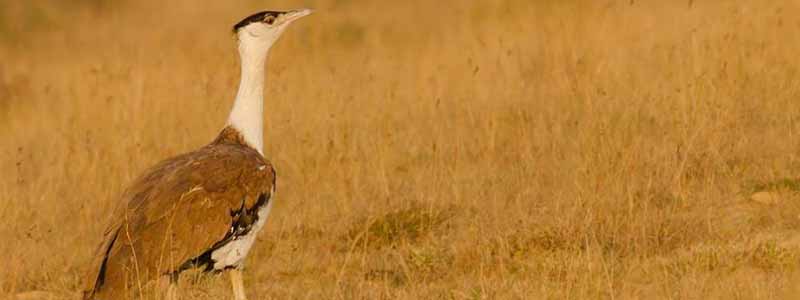
Desert National Park in Jaisalmer showcases the unique ecosystem of the Thar Desert. Visitors may spot desert foxes, chinkaras, and the endangered Great Indian Bustard. Its vast sandy landscapes offer a memorable experience for nature enthusiasts.
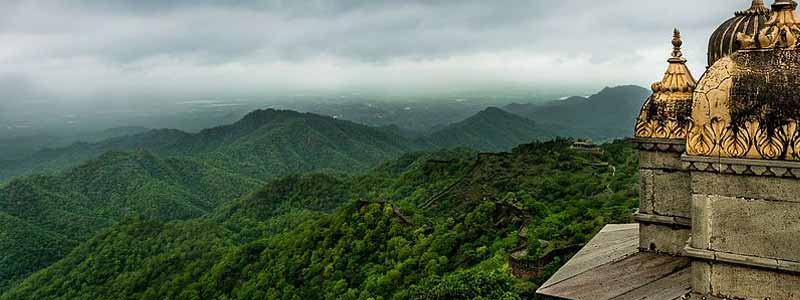
Mount Abu, Rajasthan’s famous hill station, is known for its green hills, scenic viewpoints, and peaceful surroundings. The Mount Abu Wildlife Sanctuary is home to several animal and bird species.
Another wonderful destination is Kumbhalgarh Wildlife Sanctuary, which features forested hills and diverse wildlife near the historic Kumbhalgarh Fort. Visitors can also enjoy scenic drives and nature walks in suitable areas.
The best nature and wildlife destinations in Rajasthan offer something for every traveler, whether you enjoy birdwatching, wildlife safaris, mountain scenery, or desert landscapes. Plan your Rajasthan trip to experience the state’s natural beauty alongside its rich cultural heritage.
Best Nature and Wildlife Destinations in Rajasthan
Ranthambore National Park – The Best Place to See Tigers
Ranthambore National Park is one of India’s best-known wildlife destinations and a major attraction for visitors to Rajasthan. Located near Sawai Madhopur, the park is famous for its Bengal tigers, scenic lakes, rocky hills, and ancient ruins. Its combination of wildlife and historical surroundings makes it a particularly interesting destination for nature enthusiasts.
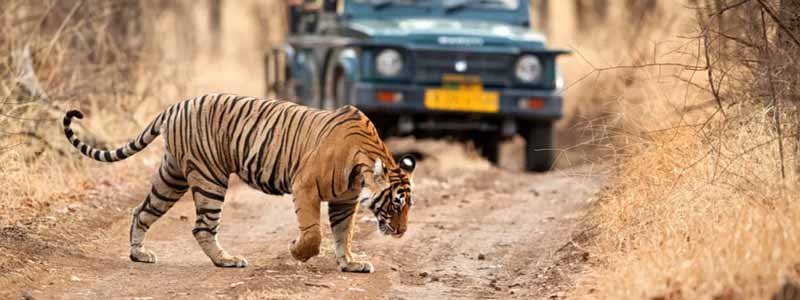
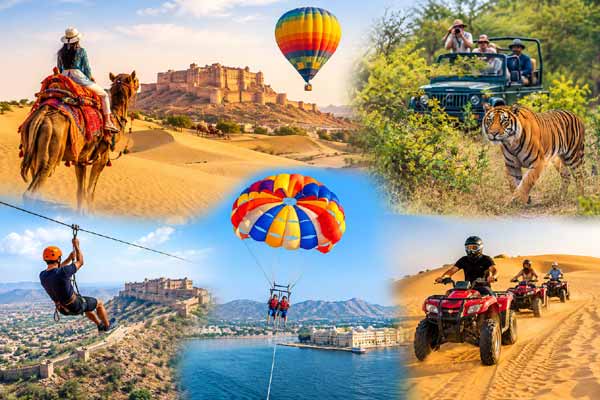
The park forms part of the larger Ranthambore Tiger Reserve landscape. Visitors can explore designated safari zones by authorised jeep or canter, accompanied by trained drivers and guides. Tiger sightings are never guaranteed, but the possibility of observing these magnificent animals in their natural habitat makes every safari exciting.
Apart from tigers, Ranthambore supports leopards, sloth bears, striped hyenas, jackals, crocodiles, and several species of deer. Sambar deer, chital, and nilgai are among the animals frequently associated with the reserve. Birdwatchers can also spot peafowl, eagles, owls, kingfishers, and other resident or seasonal birds.
The picturesque Padam Talao and other water bodies provide beautiful settings for wildlife photography. The historic Ranthambore Fort, located within the protected landscape, adds a cultural dimension to the visit.
Best time to visit: October to June, subject to official park opening schedules. The summer months can offer good opportunities for wildlife viewing near water sources, although temperatures become very high.
Top activities: Tiger safari, wildlife photography, birdwatching, and exploring the area’s heritage.
Best Nature and Wildlife Destinations in Rajasthan
Keoladeo National Park, Bharatpur – A Paradise for Birdwatchers
Keoladeo National Park, formerly known as Bharatpur Bird Sanctuary, is one of the most important wetland destinations in Rajasthan. Recognised as a UNESCO World Heritage Site, it attracts birdwatchers, photographers, researchers, and nature lovers from India and abroad.
The park contains a network of wetlands, grasslands, woodland patches, and shallow water bodies that support a remarkable variety of birdlife. Depending on the season and water conditions, visitors may observe painted storks, egrets, herons, pelicans, cormorants, kingfishers, and numerous other species.
During the winter months, migratory birds arrive from different parts of the world, making the sanctuary especially appealing to birdwatchers. The exact species and numbers vary from year to year according to weather, migration patterns, and wetland conditions.
One of the best ways to explore Keoladeo is by walking or cycling along its designated paths. Cycle rickshaws operated by local guides are also a popular option. These guides can help visitors identify birds and understand their behaviour.
Unlike a traditional tiger safari, Keoladeo encourages a slower and quieter style of wildlife observation. Visitors can spend several hours watching birds, photographing their movements, and enjoying the peaceful atmosphere.
Best time to visit: November to February for winter birdwatching, although resident birds can be seen during other months.
Top activities: Birdwatching, nature photography, cycling, walking, and guided wildlife observation.
Best Nature and Wildlife Destinations in Rajasthan
Sariska Tiger Reserve – Wildlife in the Aravalli Hills
Sariska Tiger Reserve is located in Alwar district and is one of the leading wildlife destinations in northeastern Rajasthan. Surrounded by the rugged Aravalli Hills, the reserve features dry deciduous forests, rocky slopes, grasslands, and seasonal water sources.
Sariska is particularly well known for tiger conservation and the restoration of its tiger population. It also supports leopards, striped hyenas, jungle cats, jackals, sambar deer, chital, nilgai, and wild boars. Birdlife includes peafowl, eagles, partridges, and several other species.
Visitors can explore permitted safari routes with authorised guides and drivers. The landscape itself is an attraction, with rocky hills, forest clearings, and dry riverbeds creating opportunities for photography and wildlife observation.
Sariska also has historical and religious attractions in and around the reserve. The ancient Kankwari Fort is an important landmark within the landscape, while the Pandupol Hanuman Temple is a well-known pilgrimage destination. Access to specific attractions may depend on current forest department regulations and traffic restrictions.
The reserve is a good choice for travellers who want to combine wildlife viewing with a short getaway from Jaipur or Delhi.
Best time to visit: October to June, depending on the reserve’s notified opening calendar.
Top activities: Tiger safari, wildlife photography, birdwatching, and exploring nearby heritage attractions.
Best Nature and Wildlife Destinations in Rajasthan
Desert National Park – Discover the Wildlife of the Thar Desert
Desert National Park offers a completely different experience from Rajasthan’s forested wildlife reserves. Located in the Jaisalmer and Barmer region, this protected area represents the unique ecosystem of the Thar Desert.
The landscape consists of sand dunes, rocky surfaces, open grasslands, and sparse desert vegetation. Although the environment may appear harsh, it supports a fascinating range of animals and birds adapted to dry conditions.
The park is especially important for the critically endangered Great Indian Bustard. This large ground-dwelling bird has suffered a serious decline across its historical range, and the Thar Desert remains one of its most important remaining landscapes. Sightings are not guaranteed, so visitors should follow local conservation guidance and avoid disturbing wildlife.
Other species associated with the region include desert foxes, chinkara, desert cats, eagles, falcons, and various reptiles. The wildlife experience is often about appreciating the entire ecosystem rather than searching for a single animal.
The best way to understand the region is through responsible, locally guided excursions where access is permitted. Visitors should avoid off-road driving, littering, and approaching wild animals.
Best time to visit: November to February, when temperatures are generally more comfortable for outdoor activities.
Top activities: Desert wildlife observation, birdwatching, landscape photography, and learning about desert conservation.
Best Nature and Wildlife Destinations in Rajasthan
Mount Abu Wildlife Sanctuary – Green Landscapes and Mountain Scenery
Mount Abu Wildlife Sanctuary is situated in the Aravalli Hills around Mount Abu, Rajasthan’s well-known hill station. Unlike the arid landscapes associated with much of the state, this region features forested slopes, rocky outcrops, valleys, and seasonal greenery.
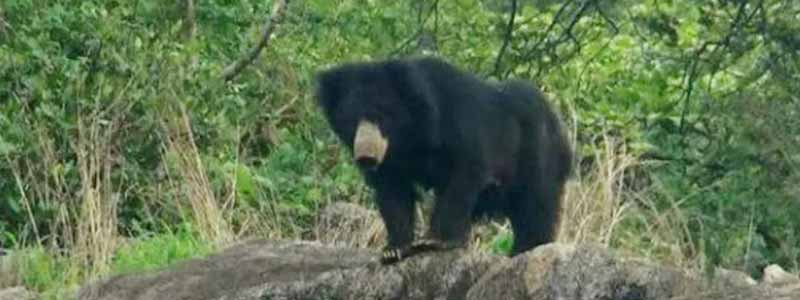
The sanctuary protects a range of habitats that support leopards, sloth bears, jungle cats, hyenas, wild boars, and several smaller mammals. Birdwatchers may observe peafowl, grey junglefowl, eagles, and numerous woodland species.
The cooler climate and varied terrain make Mount Abu an attractive destination for travellers interested in nature walks and scenic viewpoints. The region’s plant life is also noteworthy, with different types of trees, shrubs, and flowering plants occurring across its varied elevations.
Visitors can combine their time in the sanctuary area with trips to Nakki Lake, Guru Shikhar, and the Dilwara Jain Temples. However, access to protected forest areas should always follow official rules, and visitors should not assume that every trail or forest road is open for unrestricted hiking.
Best time to visit: October to March for pleasant weather. The monsoon season can bring lush greenery, but rain may affect road and trail conditions.
Top activities: Scenic drives, nature observation, birdwatching, photography, and visiting nearby viewpoints.
Best Nature and Wildlife Destinations in Rajasthan
Kumbhalgarh Wildlife Sanctuary – Forests Around a Historic Fort
Kumbhalgarh Wildlife Sanctuary is located in the Aravalli mountain range and surrounds the famous Kumbhalgarh Fort. It offers a combination of natural scenery, wildlife habitat, and historical significance.
The sanctuary contains forested hills, valleys, rocky terrain, and seasonal streams. It supports leopards, wolves, sloth bears, hyenas, jackals, and several species of deer and smaller mammals. Birdlife is also diverse, particularly in areas with woodland and open clearings.
One of the most interesting features of this destination is its setting. The forested hills create a striking contrast with the massive stone walls and architectural remains of Kumbhalgarh Fort. Visitors can enjoy the region’s natural beauty while learning about the historical importance of the surrounding landscape.
Wildlife sightings can be unpredictable, so the sanctuary is best appreciated as a broader nature experience rather than a guaranteed animal-viewing destination. Guided excursions should be arranged through authorised local operators, and visitors should check which activities are currently permitted.
Best time to visit: October to March for comfortable weather and outdoor sightseeing.
Top activities: Wildlife observation, landscape photography, guided nature excursions, and fort sightseeing.
Best Nature and Wildlife Destinations in Rajasthan
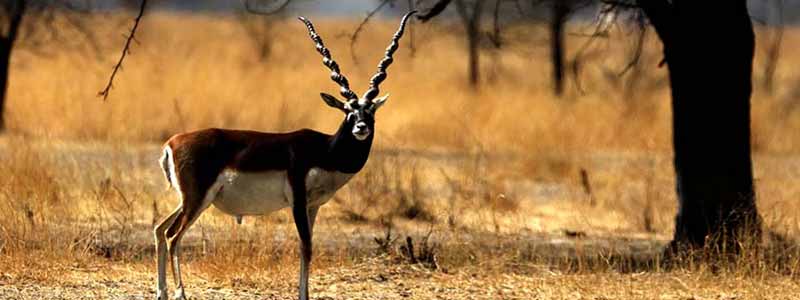
Tal Chhapar Wildlife Sanctuary – A Famous Blackbuck Destination
Tal Chhapar Wildlife Sanctuary, located in Churu district, is one of Rajasthan’s most distinctive grassland wildlife destinations. It is particularly famous for its blackbuck population and open, relatively flat landscape.
Unlike dense forest reserves, Tal Chhapar provides excellent opportunities to observe animals against an open background. Blackbucks, known for their graceful movements and spiral horns in males, are the main attraction. Their presence makes the sanctuary especially popular with wildlife photographers.
The sanctuary is also important for birds of prey and grassland species. Depending on the season, visitors may observe harriers, eagles, falcons, larks, and other birds. Migratory raptors can make winter particularly rewarding for birdwatchers.
Tal Chhapar demonstrates why grassland conservation matters. Open ecosystems support species that may not thrive in dense forests, and protecting these habitats is essential for maintaining Rajasthan’s biodiversity.
The sanctuary is relatively compact compared with some of the state’s larger reserves, making it suitable for travellers looking for a focused wildlife excursion.
Best time to visit: September to March, with winter especially attractive for birdwatching.
Top activities: Blackbuck photography, birdwatching, wildlife observation, and nature photography.
Best Nature and Wildlife Destinations in Rajasthan
National Chambal Sanctuary – A River Wildlife Experience
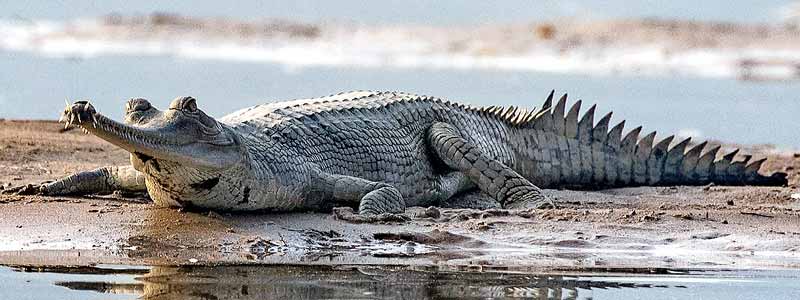
National Chambal Sanctuary protects an important river ecosystem shared across parts of Rajasthan, Madhya Pradesh, and Uttar Pradesh. It is particularly significant for the conservation of gharials, freshwater turtles, and the endangered Ganges river dolphin in suitable sections of the river system.
The Chambal River is known for its relatively clean stretches, sandy banks, ravines, and varied aquatic habitats. These environments support an unusual combination of aquatic wildlife and riverbank birds.
Visitors may have opportunities to observe gharials resting along sandbanks, mugger crocodiles, turtles, and birds such as river terns, skimmers, and herons. Sightings depend on the season, location, water conditions, and wildlife activity.
Boat excursions, where officially permitted, provide a distinctive way to appreciate the river landscape. They should always be arranged through authorised operators who follow wildlife protection guidelines. Visitors must maintain a safe distance from animals and avoid feeding wildlife or leaving waste behind.
The sanctuary is an excellent choice for travellers who want to learn about river conservation and explore a habitat very different from Rajasthan’s desert and forest environments.
Best time to visit: November to March is generally comfortable for river excursions, subject to local conditions and operating schedules.
Top activities: River safaris, birdwatching, gharial observation, and nature photography.
Jaisamand Wildlife Sanctuary – Wildlife Around a Scenic Lake
Jaisamand Wildlife Sanctuary lies near Jaisamand Lake, also known as Dhebar Lake, in the Udaipur region. The lake is one of Rajasthan’s major artificial lakes, and the surrounding landscape combines water, wooded hills, and dry deciduous vegetation.
The sanctuary provides habitat for various mammals and birds, while the lake supports aquatic and wetland-associated species. Depending on the season, visitors may observe local waterbirds, egrets, cormorants, and other species around the water.
The area’s peaceful scenery makes it appealing to travellers who prefer nature-focused sightseeing over busy tourist attractions. The broad lake views, surrounding hills, and changing light create attractive conditions for landscape photography.
Visitors should check current access regulations before planning excursions into the protected area. Wildlife observation is best conducted quietly, without feeding animals or disturbing birds along the shoreline.
Jaisamand can also be included in a broader Udaipur itinerary alongside the city’s palaces, gardens, and lakes.
Best time to visit: October to March for comfortable weather and scenic sightseeing.
Top activities: Lake photography, birdwatching, nature excursions, and exploring the surrounding countryside.
Sambhar Salt Lake – A Unique Wetland Landscape
Sambhar Salt Lake, located southwest of Jaipur, is India’s largest inland salt lake and one of Rajasthan’s most unusual natural attractions. Its wide salt flats, shallow water bodies, and open horizons create a landscape unlike the state’s forts, palaces, and forest reserves.
The lake is an important seasonal habitat for waterbirds. Depending on water levels and conditions, flamingos, avocets, stilts, sandpipers, and other migratory or resident birds may be present. The number and variety of birds can change considerably between seasons.
Sambhar is particularly attractive to photographers because of the reflections, pale salt surfaces, and changing colours of the sky. Early morning and late afternoon can offer beautiful light, although visitors should prioritise safe access over reaching a particular photography spot.
The lake is also associated with traditional salt production, which forms an important part of the area’s local economy and history. Visitors should respect working areas and avoid entering restricted industrial or sensitive wildlife zones.
Best time to visit: November to February is often suitable for birdwatching, though sightings depend on seasonal conditions.
Top activities: Birdwatching, landscape photography, learning about salt production, and exploring permitted viewpoints.
Jhalana Leopard Safari Park – Wildlife Near Jaipur
Jhalana Leopard Safari Park is an accessible wildlife destination located within Jaipur. It is known for its leopard population and offers an opportunity to experience a protected wildlife habitat without travelling far from the city.
The park’s terrain includes rocky hills, scrub vegetation, dry forest patches, and open areas. These habitats support leopards and other wildlife, including hyenas, jackals, and several bird species.
Because the park is relatively close to Jaipur’s urban areas, it is a convenient option for travellers with limited time. Safaris operate under designated routes and schedules, and visitors must follow the instructions of authorised staff.
Leopard sightings are never guaranteed. Wildlife observation requires patience, and the animals should not be approached, called, or disturbed to improve photography opportunities.
Jhalana can be combined with Jaipur’s historic attractions, including Amber Fort, City Palace, and Hawa Mahal, for an itinerary that balances heritage sightseeing with nature.
Best time to visit: October to March for comfortable weather, although safari availability and sightings vary.
Top activities: Leopard safari, wildlife photography, birdwatching, and nature observation.
Bassi Wildlife Sanctuary – A Peaceful Natural Escape
Bassi Wildlife Sanctuary, near Chittorgarh, is a lesser-known destination for travellers interested in Rajasthan’s forest landscapes. Its terrain includes dry deciduous woodland, rocky hills, and seasonal water sources.
The sanctuary supports a variety of wildlife adapted to the region’s dry conditions. Depending on the area and season, visitors may encounter deer, wild boars, jackals, and different bird species.
Bassi is particularly appealing to travellers who want to explore nature away from the busiest tourist circuits. Its quieter surroundings provide an opportunity to appreciate the landscape, observe vegetation, and learn about the importance of protected forest habitats.
Visitors should check local access arrangements and available facilities before travelling, as infrastructure and organised activities may be more limited than at major tiger reserves.
The sanctuary can be paired with a visit to Chittorgarh Fort, one of Rajasthan’s most important historical landmarks.
Best time to visit: October to March for comfortable sightseeing.
Top activities: Nature observation, birdwatching, landscape photography, and heritage sightseeing nearby.
Gajner Wildlife Sanctuary – Nature and Wetlands Near Bikaner
Gajner Wildlife Sanctuary is located near Bikaner and is known for its lake, wooded surroundings, and desert-edge landscape. The area provides a refreshing contrast to the open sandy terrain associated with the surrounding region.
The lake and vegetation attract birds, while the wider sanctuary landscape supports animals adapted to dry conditions. Visitors interested in birdwatching and photography can appreciate the combination of water, trees, and open land.
Gajner also has a historical connection with Rajasthan’s royal heritage. The former Gajner Palace is a prominent landmark near the lake, giving the destination a distinctive combination of natural and architectural interest.
Wildlife viewing opportunities vary according to season and local conditions. Visitors should confirm whether particular sanctuary activities or access routes are available before making arrangements.
Best time to visit: October to March, when outdoor sightseeing is generally more comfortable.
Top activities: Birdwatching, lake photography, nature observation, and heritage visits.