Rajasthan for Wildlife Lovers: From Ranthambore to Jawai
rtp123
Rajasthan for Wildlife Lovers: From Ranthambore to Jawai is often celebrated for its grand forts, royal palaces, colorful festivals, and endless desert landscapes, but beyond its cultural treasures lies another fascinating side of the state—its extraordinary wildlife. From the tiger-filled forests of Ranthambore to the rocky wilderness of Jawai, Rajasthan offers unforgettable experiences for wildlife lovers, photographers, birdwatchers, and adventure seekers. The state combines thrilling jungle safaris with breathtaking scenery, making it one of the most unique wildlife destinations in India.
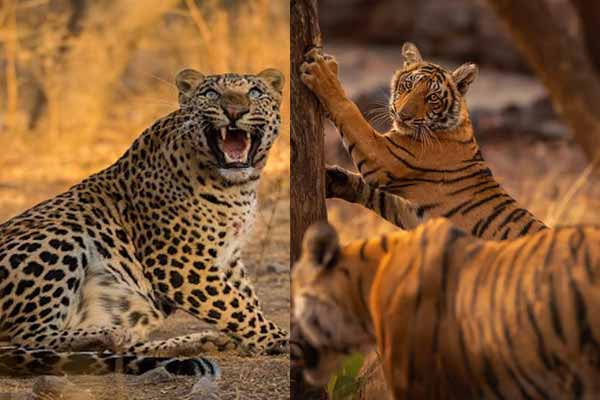
The wilderness of Rajasthan is diverse and dramatic. Dense forests, dry deciduous jungles, wetlands, rocky hills, grasslands, and desert ecosystems all coexist within the state. This variety supports a remarkable range of wildlife including Bengal tigers, leopards, sloth bears, crocodiles, hyenas, desert foxes, antelopes, migratory birds, and countless other species. What makes Rajasthan especially attractive for wildlife enthusiasts is the combination of nature and heritage. In many wildlife parks, ancient forts, temples, and lakes create a magical backdrop for safari experiences.
A wildlife journey through Rajasthan is not just about spotting animals. It is about experiencing the rhythm of nature, hearing the sounds of the jungle at sunrise, watching birds fly across peaceful lakes, and exploring landscapes untouched by modern life. Each destination has its own personality and charm. Ranthambore is famous for tiger sightings and ancient ruins hidden in forests. Sariska offers tranquil forests and rich biodiversity. Keoladeo Ghana National Park is paradise for birdwatchers. Desert National Parkshowcases the beauty of desert wildlife, while Jawai has become one of India’s most remarkable leopard territories.
This journey from Ranthambore to Jawai takes travelers deep into Rajasthan’s untamed side and introduces them to some of the finest wildlife experiences in India.
Rajasthan has become one of India’s top destinations for wildlife photography. The state’s diverse ecosystems provide incredible opportunities for capturing dramatic images of tigers, leopards, birds, desert wildlife, and landscapes.
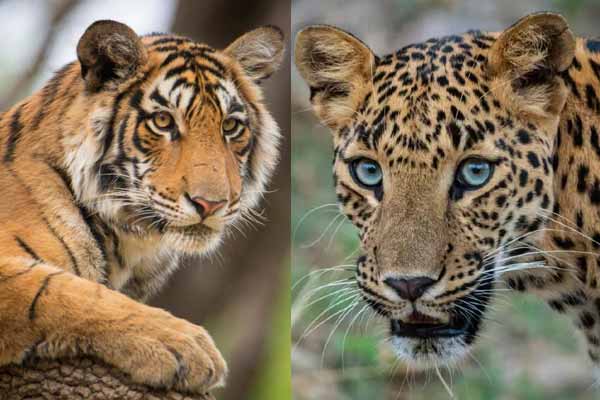
Ranthambore’s ancient ruins and lakes create iconic tiger photography backgrounds. Jawai’s rocky hills provide cinematic leopard shots, while Keoladeo offers endless bird photography possibilities.
The golden light of Rajasthan during sunrise and sunset enhances wildlife photography with rich natural colors. Professional photographers often spend weeks exploring different regions to capture rare moments in nature.
Patience, silence, and respect for wildlife are essential while photographing animals in their natural habitats.
Rajasthan for Wildlife Lovers: From Ranthambore to Jawai
Rajasthan is often celebrated for its royal palaces, colorful bazaars, grand forts, and endless stretches of desert, but beyond its architectural beauty lies another fascinating side of the state — its rich wildlife and natural landscapes. From dense tiger forests and wetlands filled with migratory birds to rocky leopard territories and desert ecosystems, Rajasthan offers unforgettable experiences for wildlife lovers and nature enthusiasts. Travelers who wish to explore the wild side of India will find Rajasthan to be one of the most exciting destinations in the country.
The state is home to some of India’s most famous wildlife reserves, including Ranthambore National Park, Sariska Tiger Reserve, Keoladeo National Park, Desert National Park, and Jawai Leopard Hills. Each destination offers a unique ecosystem, different wildlife species, and unforgettable safari adventures. Whether you want to witness the majestic Bengal tiger in the wild, observe leopards resting on granite hills, spot exotic birds near wetlands, or experience the untouched beauty of the Thar Desert, Rajasthan has something for every wildlife enthusiast.
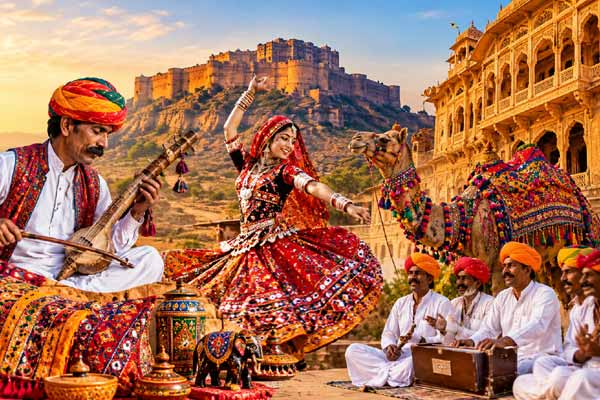
A wildlife journey across Rajasthan is not only about safaris and animal sightings; it is also about discovering local traditions, village life, eco-tourism, and the harmonious relationship between humans and wildlife. The people of Rajasthan have preserved nature and respected wildlife for generations, making the experience even more meaningful for travelers.
10 Places To Visit In Ranthambore
Ranthambore National Park – The Land of Royal Tigers
One of the most iconic wildlife destinations in India, Ranthambore National Park is the crown jewel of Rajasthan’s wildlife tourism. Located in the Sawai Madhopur district, Ranthambore is famous for its thriving tiger population and scenic landscapes filled with ancient ruins, lakes, rocky hills, and dry deciduous forests.
Originally a hunting ground for the Maharajas of Jaipur, Ranthambore was later declared a wildlife sanctuary and eventually became part of Project Tiger in 1973. Today, it is one of the best places in India to spot Bengal tigers in their natural habitat.
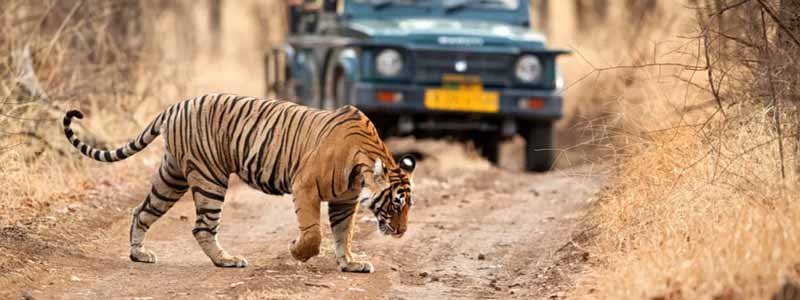
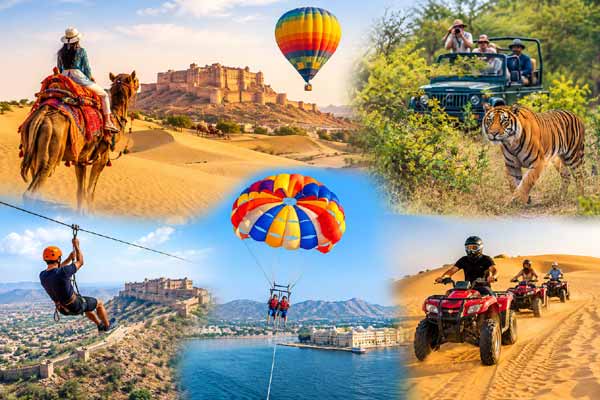
The park is spread across a vast area and divided into several safari zones. Visitors can explore the park through jeep safaris and canter safaris, usually conducted in the early morning and late afternoon. Every safari offers a thrilling experience because the forest changes with every season and every animal movement.
Apart from tigers, Ranthambore is home to leopards, sloth bears, striped hyenas, jackals, wild boars, nilgai, sambar deer, chital, crocodiles, and langurs. Birdwatchers can also enjoy spotting numerous bird species near the lakes and forest areas.
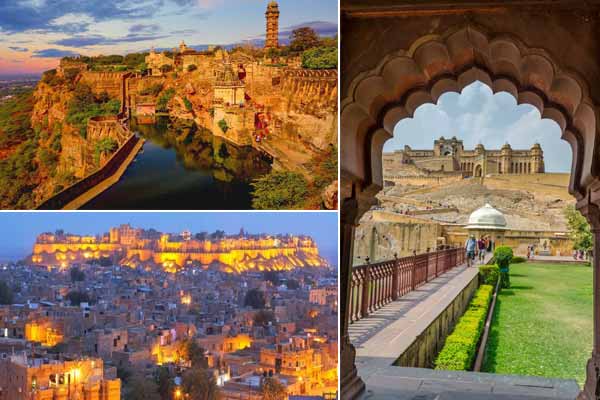
One of the most attractive features of Ranthambore is the combination of wildlife and history. The majestic Ranthambore Fort, standing high above the forest, creates a magical backdrop for safaris. Ancient temples, ruined pavilions, and abandoned hunting lodges hidden within the forest add a mysterious charm to the landscape.
Tiger sightings in Ranthambore are particularly famous because many tigers have become legends among wildlife photographers and safari guides. The stories of famous tigers such as Machli, often called the “Queen of Ranthambore,” have attracted wildlife lovers from around the world.
Best Time to Visit Ranthambore
The park remains open from October to June. The cooler months between October and March are ideal for pleasant weather and comfortable safaris. However, the summer months of April to June often provide better tiger sightings because animals gather near water sources.
Activities in Ranthambore
Jeep Safari
Canter Safari
Birdwatching
Nature Photography
Visit to Ranthambore Fort
Village Tours Around the Reserve
Luxury Jungle Stays and Eco Resorts
For wildlife photographers, Ranthambore offers incredible opportunities to capture dramatic landscapes and close wildlife encounters. The golden sunlight during sunrise and sunset creates perfect conditions for photography.
Jawai Tourism: A Guide to the Land of Leopards
Jawai – Rajasthan’s Leopard Kingdom
Jawai has emerged as one of Rajasthan’s most exciting wildlife destinations in recent years. Located between Jodhpur and Udaipur, Jawai is famous for its unique leopard population living among granite hills and rocky caves.
Unlike traditional wildlife reserves, Jawai is an open landscape where leopards coexist peacefully with local Rabari communities. This rare harmony between humans and predators makes Jawai a truly special destination.
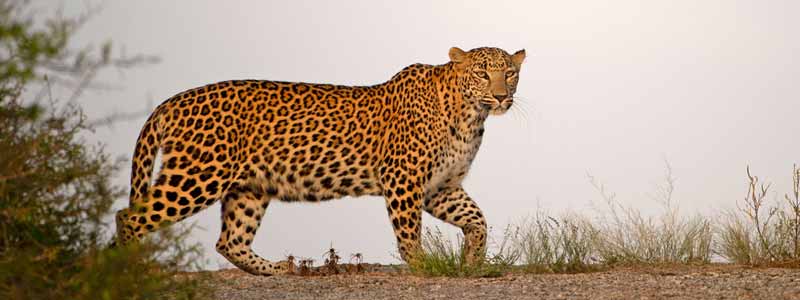
The rugged hills, scattered temples, riverbeds, and wilderness create a dramatic environment perfect for wildlife safaris and photography. Leopard sightings in Jawai are considered highly successful because the animals are often seen resting on rocky cliffs or moving across hills during sunrise and sunset.
Apart from leopards, Jawai is also home to crocodiles, hyenas, foxes, nilgai, migratory birds, and various desert species.
The Jawai Dam, built across the Jawai River, attracts numerous birds and provides scenic beauty to the region. During winter, birdwatchers can spot flamingos, cranes, geese, and many other migratory species.
Leopard Safari Experience in Jawai
Jawai leopard safaris are usually conducted in open jeeps accompanied by experienced local trackers. Unlike dense forests, the open rocky terrain of Jawai allows visitors to observe wildlife in a more natural and scenic setting.
Morning and evening safaris provide the best opportunities for leopard sightings. The silence of the rocky hills and the golden light of the desert landscape create an unforgettable safari atmosphere.
October to April is considered the ideal time because the weather remains comfortable and wildlife activity increases.
Activities in Jawai
Leopard Safari
Birdwatching
Village Tours
Luxury Wilderness Camping
Nature Photography
Jawai Dam Excursions
Cultural Experiences with Rabari Communities
Luxury camps and boutique wilderness lodges in Jawai offer a blend of comfort and adventure. Many properties organize campfire evenings, local folk performances, and guided wildlife experiences.
Sariska Wildlife Sanctuary
Sariska Tiger Reserve – A Hidden Wildlife Treasure
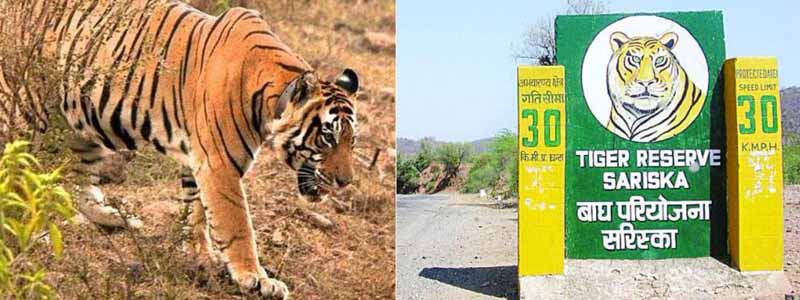
Located in the Alwar district, Sariska Tiger Reserve is another important wildlife destination in Rajasthan. Nestled in the Aravalli Hills, Sariska combines forests, grasslands, rocky terrain, and historical monuments.
The reserve was once a royal hunting ground and later became a protected tiger reserve. Although smaller than Ranthambore, Sariska offers a peaceful and less crowded safari experience.
The reserve is known for its Bengal tigers, leopards, jungle cats, hyenas, sambars, chitals, nilgai, wild boars, and langurs. Sariska is also rich in birdlife, making it an attractive destination for birdwatchers.
One of the unique aspects of Sariska is the presence of historical structures inside the reserve. Visitors can explore ancient temples, palaces, and the famous Kankwari Fort, where Mughal Emperor Aurangzeb once imprisoned his brother Dara Shikoh.
The dense forests and rugged hills create a peaceful environment that feels completely different from the busy cities of Rajasthan.
Best Time to Visit Sariska
October to March is considered the best season because the weather remains pleasant. Summers can be extremely hot but provide better chances of wildlife sightings near waterholes.
Things to Do in Sariska
Jeep Safari
Birdwatching
Visit Kankwari Fort
Explore Ancient Temples
Nature Walks Around Eco Resorts
Photography Tours
Sariska is an ideal destination for travelers who want to combine wildlife experiences with history and natural beauty.
Keoladeo Ghana National Park
Keoladeo National Park – Paradise for Bird Lovers
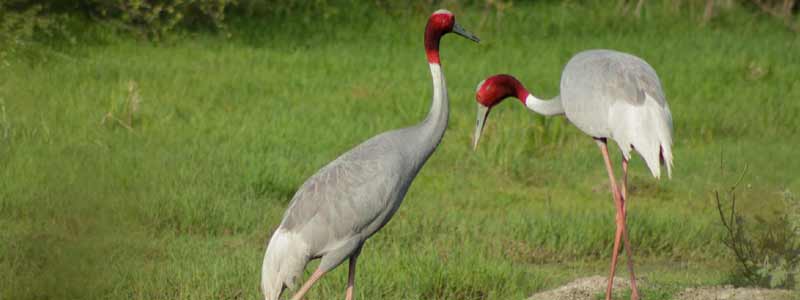
For bird enthusiasts, Keoladeo National Park in Bharatpur is one of the finest bird sanctuaries in the world. Also known as Bharatpur Bird Sanctuary, this UNESCO World Heritage Site attracts thousands of migratory birds every year.
Unlike Rajasthan’s tiger reserves, Keoladeo is a wetland ecosystem filled with marshes, lakes, and grasslands. During winter, migratory birds arrive from different parts of Asia, Europe, and Siberia.
The sanctuary is home to over 370 bird species, including painted storks, pelicans, herons, kingfishers, eagles, cranes, ducks, and owls. Birdwatchers and photographers visit the sanctuary to capture rare and colorful species in their natural environment.
One of the most famous migratory birds historically associated with the park was the Siberian crane, although sightings have become extremely rare in recent years.
Visitors can explore the sanctuary through cycle rickshaws, bicycles, walking trails, and guided tours. The peaceful atmosphere, combined with the sound of birds and beautiful wetlands, creates a relaxing nature experience.
Best Time to Visit Keoladeo National Park
The best season for birdwatching is from October to February, when migratory birds arrive in large numbers.
Activities in Keoladeo
Birdwatching Tours
Photography Expeditions
Bicycle Rides Inside the Park
Guided Nature Walks
Cycle Rickshaw Bird Tours
Keoladeo is not just for serious birdwatchers; it is also perfect for families, students, photographers, and travelers seeking peaceful natural surroundings.