Hidden Gems to Explore in Jaipur Old City is often associated with grand forts and royal palaces, but beyond the popular landmarks lies a quieter, more intimate side of the Pink City. Exploring these hidden gems allows you to experience Jaipur’s living heritage, local life, and timeless charm away from the crowds.
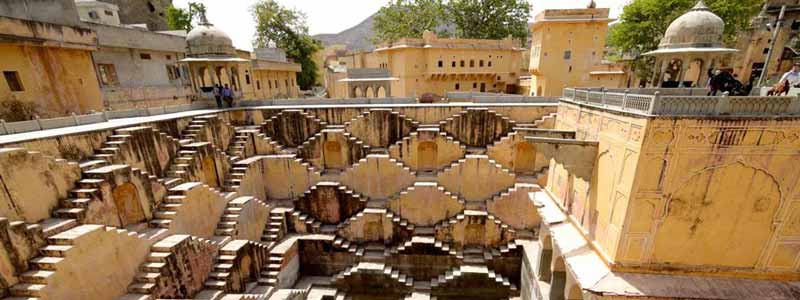
Begin your walk at Panna Meena ka Kund, a beautifully symmetrical stepwell tucked behind Amer Road. Its zigzag steps and serene atmosphere make it a perfect spot to pause and admire traditional water architecture. Nearby lanes lead to age-old havelis with faded frescoes that still whisper stories of merchant families.
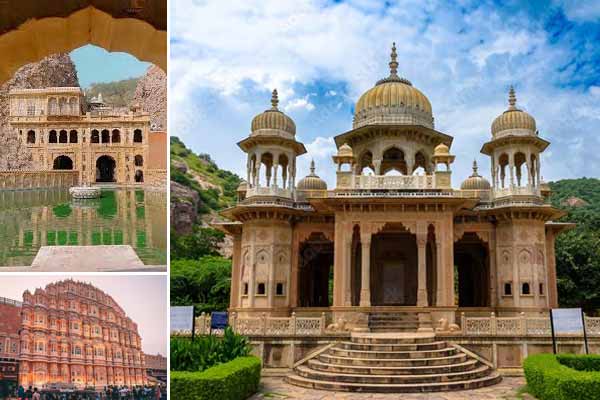
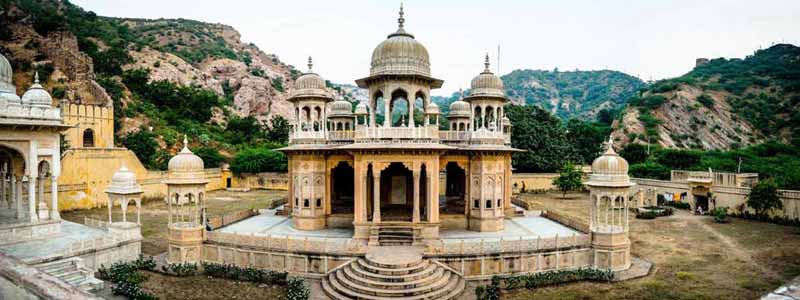
Another lesser-known treasure is Gaitore Ki Chhatriyan, a peaceful complex of royal cenotaphs set against the Aravalli hills. Intricate marble carvings and quiet surroundings offer a reflective contrast to the city’s bustle.
For local flavors and authentic shopping, wander through Sireh Deori Bazaar. This traditional market near City Palace is loved by locals for jewelry, fabrics, and street snacks, yet remains overlooked by many visitors.
End your exploration with a stroll through the narrow pink-hued lanes near Chandpole Gate, where artisans, temples, and everyday life blend seamlessly. These hidden corners of Jaipur Old City reveal the soul of the city—authentic, graceful, and deeply rooted in tradition.
Jaipur’s Old City, with its terracotta-pink facades, is a UNESCO World Heritage Site that blends Rajput and Mughal architecture with vibrant bazaars and serene temples. While popular attractions draw crowds, the hidden gems offer intimate, authentic experiences that resonate with couples seeking romance, newlyweds craving unique adventures, and families looking for enriching outings.
These offbeat spots reveal Jaipur’s rich heritage, from ancient stepwells to quaint cafes tucked in heritage lanes. By venturing beyond the usual tourist trail, you’ll uncover stories, craftsmanship, and tranquil escapes that make your trip truly special.
Let’s explore these hidden treasures, curated to delight every traveler.
Hidden Gems to Explore in Jaipur Old City
Panna Meena Ka Kund – The Forgotten Stepwell
Tucked away near Amer, Panna Meena Ka Kund is one of Jaipur’s most enchanting yet underrated heritage sites. Built in the 16th century, this stepwell once served as a vital water source and social gathering place for local communities.
What makes Panna Meena Ka Kund truly special is its mesmerizing crisscross staircase design. From above, the perfectly aligned steps form a stunning geometric pattern that feels almost surreal. Unlike crowded monuments, this place offers a peaceful atmosphere where time seems to slow down.
Visitors often find themselves sitting quietly on the steps, absorbing the calm surroundings. The reflection of sunlight on the stone walls, combined with gentle echoes of birds, creates a meditative environment.
Why Visit?
Unique architectural symmetry
Ideal spot for photography
Peaceful escape from busy markets
Rich historical significance
Tip: Visit early in the morning to enjoy soft lighting and fewer crowds.
Hidden Gems to Explore in Jaipur Old City
Gaitore Ki Chhatriyan – Royal Cenotaphs in Silence
Hidden between hills on the outskirts of the Old City lies Gaitore Ki Chhatriyan, a serene complex of royal memorials dedicated to Jaipur’s Maharajas.
Unlike busy palaces, this site remains relatively untouched by mass tourism. The marble domes, intricate carvings, and open courtyards reflect refined Rajput craftsmanship. Each chhatri (cenotaph) tells a story of valor, leadership, and royal legacy.
Walking through Gaitore feels like entering a sacred space. The silence here is profound, broken only by rustling leaves and distant temple bells. The surrounding Aravalli hills add a majestic backdrop that enhances the spiritual ambiance.
Highlights
Exquisite marble artwork
Calm, crowd-free environment
Insight into royal traditions
Beautiful mountain views
Best Time: Late afternoon, when sunlight highlights the marble structures.
Hidden Gems to Explore in Jaipur Old City
Galta Ji (Monkey Temple) – Sacred Springs & Spiritual Energy
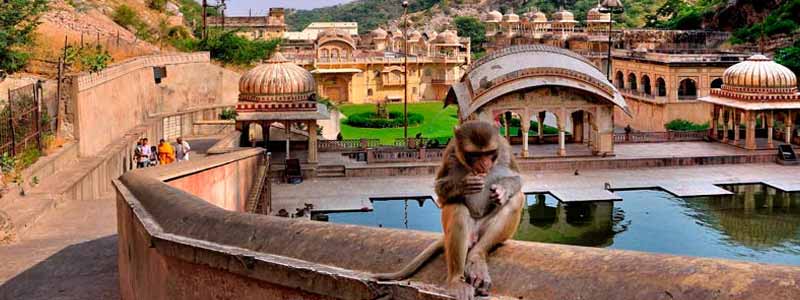
Nestled in a mountain pass outside the Old City, Galta Ji is one of Jaipur’s most spiritually charged locations. Known as the Monkey Temple, this ancient pilgrimage site revolves around natural freshwater springs that fill sacred tanks called kunds.
Devotees come here for ritual bathing, believing the waters have healing powers. The complex features multiple temples, pavilions, and prayer halls, all harmoniously integrated with nature.
Hundreds of monkeys roam freely, adding a lively and sometimes mischievous charm to the place. Despite this, the atmosphere remains deeply spiritual—especially during sunrise and sunset, when chants echo across the valley.
From the upper viewpoints, you can enjoy panoramic vistas of Jaipur’s pink skyline and surrounding hills.
Experience Highlights
Holy water tanks and temples
Stunning sunrise views
Spiritual atmosphere
Unique wildlife encounters
Caution: Keep belongings secure around monkeys.
Chandpole & Tripolia Gate – Gateways to the Past
The historic gates of Jaipur are more than entrances—they are living symbols of the city’s urban design. Chandpole Gate Jaipur and Tripolia Gate Jaipur connect travelers to vibrant neighborhoods filled with local life.
Chandpole leads into artisan quarters known for wooden crafts, marble idols, and handmade souvenirs. Walking here feels like stepping into an open-air workshop, where generations of craftsmen continue their ancestral skills.
Tripolia Gate, once reserved for royal processions, now opens into bustling lanes and traditional bazaars. Its three-arched structure reflects Rajput-Mughal architectural harmony.
What Makes Them Special?
Authentic street life
Local handicrafts
Historic city planning
Cultural immersion
Suggestion: Explore on foot to truly absorb the atmosphere.
5. Johari Bazaar’s Hidden Lanes – Jewels Beyond the Showrooms
While Johari Bazaar is famous worldwide, its real magic lies in the narrow backstreets behind the main road. Here, small family-run workshops create exquisite kundan, meenakari, and gemstone jewelry by hand.
These hidden lanes reveal Jaipur’s deep-rooted craftsmanship traditions. Watching artisans polish stones or set gold designs offers a rare glimpse into their meticulous process.
Prices are often more reasonable here, and shopkeepers are happy to share stories about their craft, making shopping a cultural exchange rather than just a transaction.
Insider Tips
Visit workshops, not just showrooms
Compare prices
Ask about handmade designs
Look for certification
Ram Niwas Garden & Albert Hall – Colonial-Era Charm
Located in the heart of Jaipur, Ram Niwas Garden is a refreshing green oasis that beautifully balances history, culture, and leisure. Spread across a vast area, this historic garden was developed during the reign of Maharaja Sawai Ram Singh and today serves as a peaceful retreat for locals and travelers alike. Shaded walkways, manicured lawns, and vibrant seasonal flowers make Ram Niwas Garden an ideal place for morning walks, relaxed evenings, and family outings amid the bustle of the Pink City.
At the center of the garden stands the iconic Albert Hall Museum, one of the oldest and most admired museums in Rajasthan. Designed in Indo-Saracenic architectural style, the museum is inspired by the Victoria and Albert Museum of London and instantly captures attention with its grand façade and intricate detailing. Inside, visitors can explore an impressive collection of artifacts, including ancient sculptures, traditional costumes, miniature paintings, weapons, and rare Egyptian mummies that reflect Rajasthan’s rich heritage.
As evening falls, Albert Hall transforms into a visual spectacle when it is illuminated with golden lights, creating a magical atmosphere that attracts photographers and history lovers. Together, Ram Niwas Garden and Albert Hall offer a perfect blend of nature, architecture, and culture, making them a must-visit destination for anyone exploring Jaipur’s timeless charm.