Rajasthan’s Wildlife and National Parks: A Guide for Nature Lovers
rtp123
Rajasthan’s Wildlife and National Parks: A Guide for Nature Lovers, popularly known as the Land of Kings, is admired worldwide for its grand forts, royal palaces, colorful festivals, and golden deserts. Yet beyond its historic cities and vast sand dunes lies another fascinating world—a rich and diverse wildlife heritage. Despite being largely arid, Rajasthan hosts some of India’s most important national parks and wildlife sanctuaries, offering shelter to rare species, migratory birds, and majestic predators.
From the dense forests of Ranthambore to the wetland paradise of Bharatpur, Rajasthan presents a unique blend of landscapes where wildlife thrives. These protected areas not only conserve biodiversity but also provide unforgettable experiences for nature lovers, photographers, researchers, and adventure seekers.
In this article, let us explore 10 of the finest wildlife sanctuaries and national parks in Rajasthan, each offering its own charm, beauty, and ecological importance.
1. Ranthambore National Park – The Kingdom of Tigers
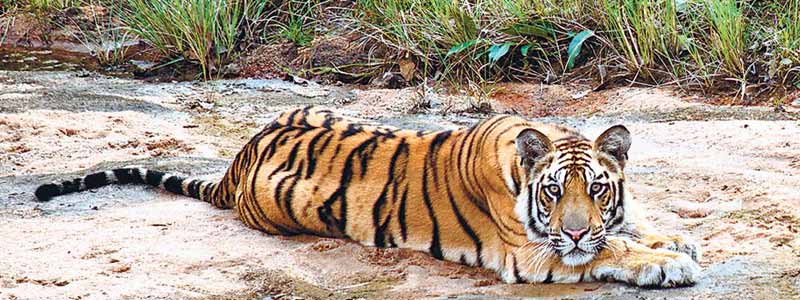
Located in Sawai Madhopur district, Ranthambore National Park is the most famous wildlife destination in Rajasthan and one of the best places in India to spot the majestic Royal Bengal Tiger in its natural habitat.
Once a royal hunting ground, Ranthambore was declared a national park in 1980 and later included under Project Tiger. The park is known for its open grasslands, rocky hills, lakes, and ancient ruins, including the historic Ranthambore Fort.
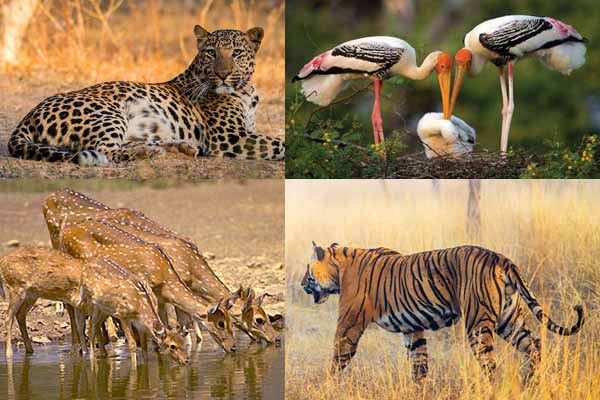
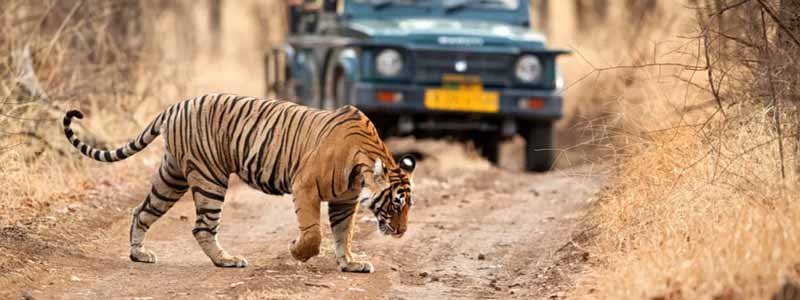
Visitors often witness tigers walking along forest paths, resting near water bodies, or hunting in the grasslands. Apart from tigers, the park is home to leopards, sloth bears, striped hyenas, sambars, chitals, nilgai, and over 300 bird species.
Best Time to Visit: October to June Major Attraction: Tiger safaris, Ranthambore Fort, Padam Talao
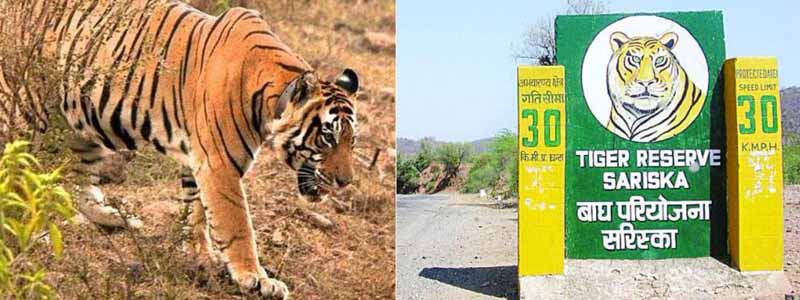
Sariska Wildlife Sanctuary
2. Sariska Tiger Reserve – Nature Meets History
Situated in Alwar district, Sariska Tiger Reserve is nestled in the Aravalli Hills and offers a beautiful combination of wildlife, forests, and heritage.
Once famous for its tiger population, Sariska regained its tigers through a successful relocation program. Today, it is gradually becoming a thriving habitat again. The reserve features dry deciduous forests, rocky landscapes, and wide valleys.
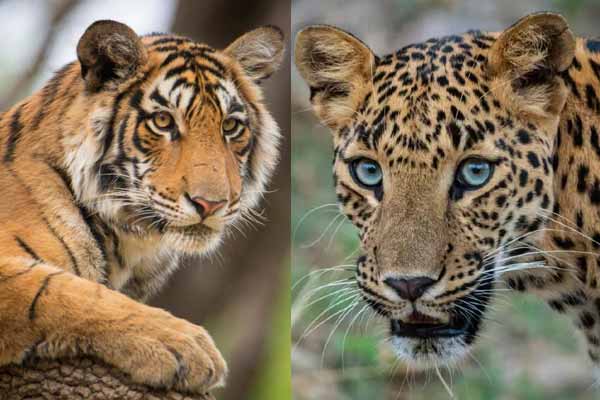
Besides tigers, Sariska shelters leopards, jungle cats, striped hyenas, wild boars, and several species of deer. The presence of ancient temples and palaces inside the reserve adds a cultural charm to the wildlife experience.
Best Time to Visit: October to April Major Attraction: Kankwari Fort, Pandupol Hanuman Temple
Keoladeo Ghana National Park
3. Keoladeo Ghana National Park – A Bird Lover’s Paradise
Located in Bharatpur, Keoladeo Ghana National Park is one of the world’s finest bird sanctuaries and a UNESCO World Heritage Site.
This man-made wetland attracts thousands of migratory birds from Siberia, Central Asia, and Europe during winter. Over 370 species of birds have been recorded here, making it a dream destination for birdwatchers and photographers.
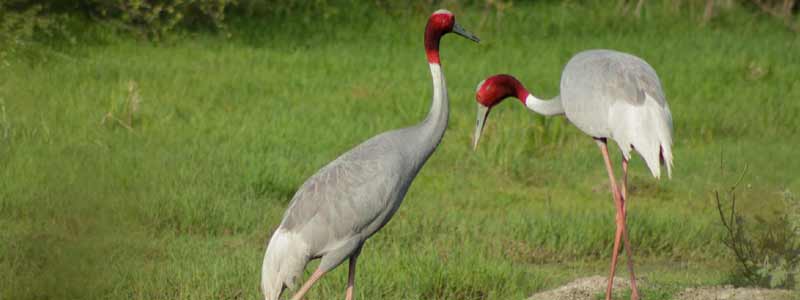
Some prominent visitors include Siberian cranes (earlier), pelicans, painted storks, bar-headed geese, spoonbills, and kingfishers. The park can be explored by bicycle, rickshaw, or on foot, allowing close interaction with nature.
Best Time to Visit: October to March Major Attraction: Migratory birds, wetlands, bird photography
Desert National Park
4. Desert National Park – Wildlife in the Thar Desert
Spread across Jaisalmer and Barmer districts, Desert National Park showcases the extraordinary ability of life to flourish in harsh desert conditions.
This park protects one of the most fragile ecosystems in India. Its landscape includes sand dunes, rocky plains, and salt lakes. Despite the arid environment, the park hosts a surprising variety of flora and fauna.
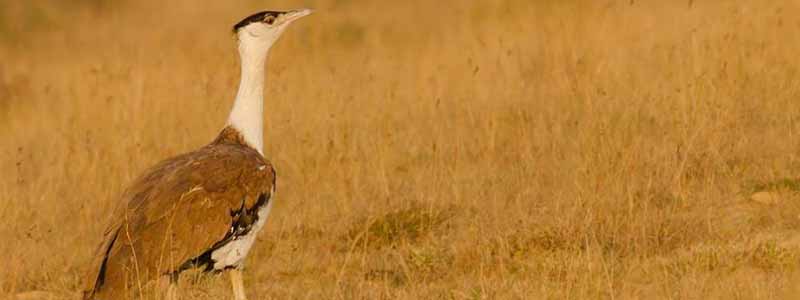
The most famous resident is the Great Indian Bustard, one of the world’s most endangered birds. Other species include desert foxes, blackbucks, chinkaras, eagles, and vultures.
Best Time to Visit: October to March Major Attraction: Great Indian Bustard, desert ecosystem
Guru Shikhar Mount Abu
5. Mount Abu Wildlife Sanctuary – Green Oasis of Rajasthan
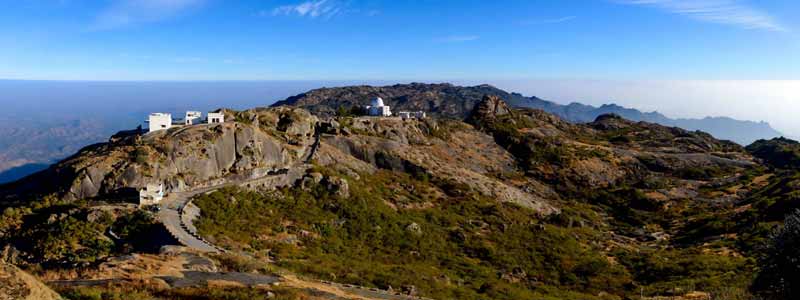
Located in the only hill station of Rajasthan, Mount Abu Wildlife Sanctuary stands out for its lush greenery and pleasant climate.
Situated in the Aravalli Range, this sanctuary supports rich vegetation, bamboo groves, and evergreen forests. It serves as an important ecological refuge in an otherwise dry state.
The sanctuary is home to leopards, sambars, wild boars, porcupines, and langurs. Birdlife is also abundant, making it ideal for nature enthusiasts seeking peace and scenic beauty.
Best Time to Visit: October to March Major Attraction: Nakki Lake surroundings, forest trails
Tal Chhapar Sanctuary
6. Tal Chhapar Blackbuck Sanctuary – The Grassland Jewel
Located in Churu district, Tal Chhapar Sanctuary is famous for its vast grasslands and large population of blackbucks.
Unlike forest reserves, this sanctuary features open plains, salt flats, and shallow wetlands. It attracts migratory birds during winter and monsoon seasons.
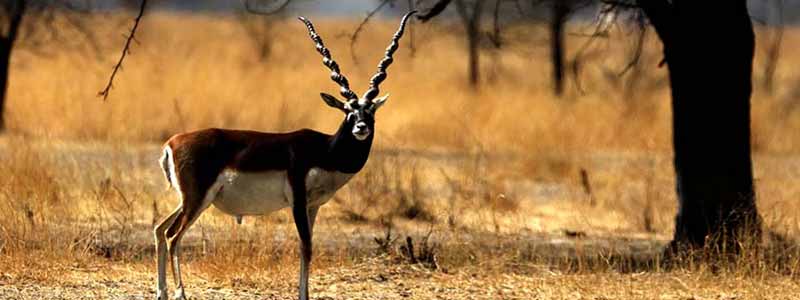
Blackbucks, known for their graceful spiral horns, roam freely here. The sanctuary also hosts skylarks, harriers, cranes, and bee-eaters.
Best Time to Visit: September to March Major Attraction: Blackbuck sightings, birdwatching
Situated near Kota, Bundi, and Jhalawar, Mukundra Hills Tiger Reserve is one of Rajasthan’s newest tiger reserves.
Comprising four wildlife sanctuaries, this reserve features rugged terrain, deep gorges, and dense forests. It forms an important wildlife corridor connecting Ranthambore and Madhya Pradesh forests.
Though still developing, Mukundra Hills supports tigers, leopards, sloth bears, chitals, and crocodiles along the Chambal River.
Best Time to Visit: October to March Major Attraction: Scenic landscapes, tiger conservation
8. Kumbhalgarh Wildlife Sanctuary – Forests Around a Mighty Fort
Surrounding the famous Kumbhalgarh Fort in Rajsamand district, Kumbhalgarh Wildlife Sanctuary offers a unique blend of history and wilderness.
The sanctuary is spread across the Aravalli hills and features thick forests, waterfalls, and valleys. It acts as a vital buffer zone for wildlife protection.
Animals found here include leopards, wolves, sloth bears, sambars, and jungle cats. The sanctuary is also known for tribal villages and cultural heritage.
Best Time to Visit: October to March Major Attraction: Kumbhalgarh Fort, jeep safaris