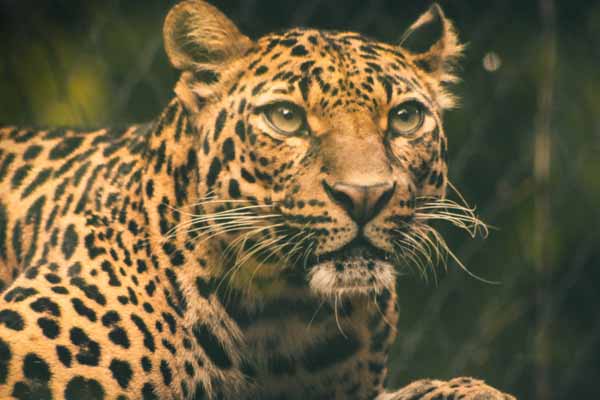
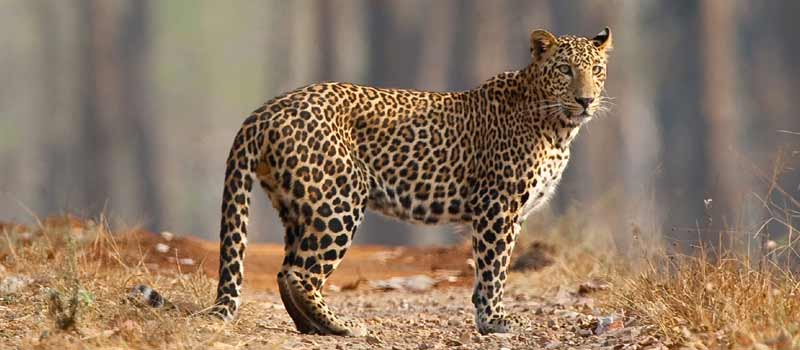
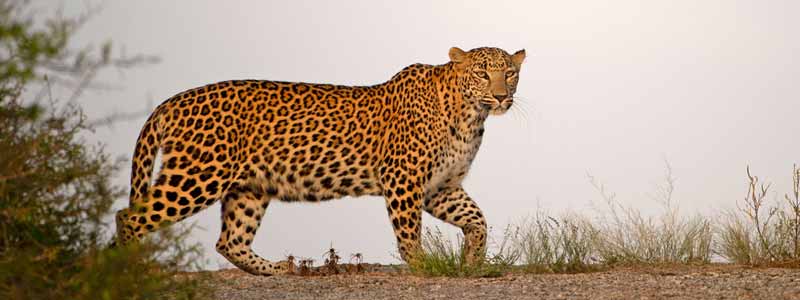
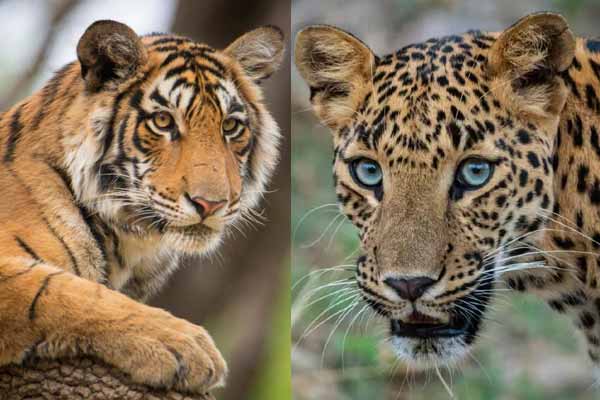
Best Places to See Leopards in Rajasthanis home to a significant population of leopards, estimated to be between 1,200 and 1,300 individuals, earning the state a prominent place in India’s leopard conservation efforts. Known locally as “baghera” or “tendua,” these adaptable predators thrive in the state’s diverse habitats, particularly the Aravalli Hills, which offer a crucial mix of rocky outcrops, scrublands, and forests.
The region is famous for unique instances of peaceful coexistence between leopards and local communities, most notably around Jawai Bandh and the nearby village of Bera in the Pali district. These areas boast a high density of cave-dwelling leopards, which are often sighted resting on the dramatic granite hills.
Rajasthan has several dedicated conservation areas, including Jhalana Leopard Safari and Amagarh Leopard Reserve (both near Jaipur), which offer excellent safari opportunities. Other key locations for sightings are Kumbhalgarh Wildlife Sanctuary, Sariska Tiger Reserve, and Ranthambore National Park. The success in these reserves highlights the state’s commitment to protecting this majestic big cat.
Best Places to See Leopards in Rajasthan
List of Top 5 Leopard Sanctuaries in Rajasthan, India
The top 5 most notable leopard sanctuaries and conservation reserves in Rajasthan are widely considered to be:
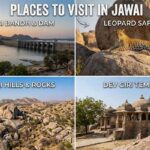
The Jawai Bandh Leopard Conservation Reserve in the Pali district of Rajasthan is globally renowned as one of the best places to see the Indian Leopard in the wild. Established in 2010, the reserve takes its name from the nearby Jawai Dam, a large water reservoir that also attracts numerous migratory birds and crocodiles, adding to the region’s diverse wildlife.
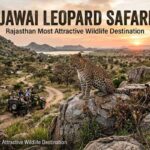
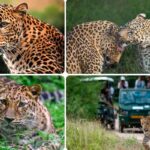
What makes Jawai truly unique is its striking geological landscape, characterized by ancient, cave-riddled granite hills and rocky outcrops, which provide a natural shelter for a high density of leopards. Unlike traditional forest reserves, the leopards here are often sighted resting on the rocks during the day, making photography highly successful.
Most remarkably, the Jawai area showcases an unparalleled level of human-leopard coexistence. The local Rabari tribe, who are cattle herders, live in harmony with the big cats, often viewing them as guardians, leading to an almost zero-conflict environment. This peaceful interaction, combined with the dramatic Aravalli scenery, makes a leopard safari in Jawai an unforgettable experience. Sources
How to Reach Jawai Bandh leopard conservation reserve
Jawai is very well-connected with all the major cities via airways, roadways, and railways. The easiest way to reach Jawai Bandh is by road.
By Air: The nearest airport to Jawai Bandh is the Maharana Pratap Airport in Udaipur as well as Jodhpur airport, both airports are located about 140-150 km away. You can take a flight to Udaipur or Jodhpur and then hire a car or taxi to reach Jawai Bandh.
By Train: The nearest railway station to Jawai Bandh is Falna Railway Station, which is located about 30 km away. You can take a train from cities like Delhi, Mumbai, and Jaipur to Falna Railway Station and then take a taxi or bus to reach Jawai Bandh.
By Car/Taxi: You can hire a car or taxi from nearby cities like Udaipur, Jodhpur, and Jaipur to reach Jawai Bandh. The town is located on the Udaipur-Jodhpur highway and is easily accessible by road.
The Jhalana Leopard Conservation Reserve, formerly Jhalana Wildlife Sanctuary, is India’s first dedicated leopard reserve, established in 2017 in the Aravalli hills on the outskirts of Jaipur, Rajasthan. Covering about 20 square kilometers, it is a remarkable example of wildlife thriving right next to a bustling urban area.
Jhalana is renowned for its high density of leopards, with an estimated population of over 30 individuals. The leopards here are often diurnal, making daytime sightings frequent and contributing to its popularity as a top leopard-spotting destination. As the apex predator, the leopards thrive in the park’s dry deciduous forest, rocky outcrops, and scrub vegetation.
Beyond the majestic big cats, the reserve is home to a diverse ecosystem. Other species include the striped hyena, golden jackal, desert fox, spotted deer (chital), nilgai (blue bull), and a rich variety of birdlife, with over 150 species recorded. Jeep safaris are offered in morning and evening slots, allowing visitors to explore this unique urban wildlife haven and contribute to its ongoing conservation success.
How to reach Jhalana Leopard Safari
By Air: The nearest airport is Jaipur International Airport, which is about 12 km away from the reserve. From there, you can hire a taxi or take a bus to reach the reserve.
By Train: Jaipur Junction railway station is the nearest railway station to Jhalana Leopard Reserve, located at a distance of around 10 km. You can hire a taxi or take a bus from the railway station to reach the reserve.
By Bus: Jaipur is well-connected to all major cities in Rajasthan by road. There are regular bus services available from the Jaipur bus stand to the reserve. You can also hire a private taxi or cab to reach the reserve.
Once you reach Jaipur, you can take a taxi or hire a car to reach Jhalana Leopard Reserve. The reserve is located near the Jawahar Circle area in Jaipur.
Best Places to See Leopards in Rajasthan
Bera Leopard Conservation Area
The Bera region, often referred to as “Leopard Country,” is part of the Jawai Bandh Leopard Conservation Reserve in the Pali district of Rajasthan. This area is renowned for having one of India’s highest densities of leopards, offering exceptional sighting opportunities.
The unique landscape is dominated by ancient, weathered granite hillocks with numerous caves and crevices, providing a natural and safe habitat for the big cats. A distinctive feature of Bera is the remarkable, peaceful co-existence between the elusive leopards and the local Rabari community, who revere the animals, resulting in minimal human-wildlife conflict.
The nearby Jawai Dam, the largest in Western Rajasthan, creates a large reservoir that attracts various wildlife, including a significant population of Mugger crocodiles and numerous migratory birds like flamingos and cranes, adding to the region’s rich biodiversity. Safari experiences here focus on the rocky terrain and the dam’s wetlands. The reserve was formally notified in 2010 to safeguard its unique cave-dwelling leopard population.
How to reach Bera
By Air: The Maharana Pratap Airport in Udaipur is the closest airport to Bera. To reach Bera, you can fly to Udaipur and then hire a car or a taxi.
By Train: Falna Railway Station, which is around 30 kilometres from Bera, is the closest train station. From cities like Delhi, Mumbai, and Jaipur, you may take a train to Falna Railway Station, where you can then take a taxi or a bus to get to Bera.
By Car/Taxi: To get to Bera, hire a car or a cab from one of the nearby cities, such as Udaipur, Jodhpur, or Jaipur. The town is conveniently accessible by road as it is located on the Udaipur-Jodhpur highway.
Kumbhalgarh Wildlife Sanctuary
The Kumbhalgarh Wildlife Sanctuary, located in Rajasthan and surrounding the historic Kumbhalgarh Fort, is a significant habitat for the Indian Leopard (Panthera pardus). The leopard is the apex predator in this protected area, which spans the rugged, rocky terrain and dry deciduous forests of the Aravalli Range.
The sanctuary’s varied landscape provides excellent cover and a rich prey base for leopards, including Sambar, Nilgai, Chinkara, and Indian Hare. While leopard sightings are not guaranteed, they are a primary attraction for the wildlife safaris conducted in open-top jeeps, particularly in zones like Thandi Beri. A 2020 census estimated approximately 136 leopards in and around the sanctuary area, highlighting a healthy population. The best time for wildlife viewing, including leopards, is generally from October to March when the weather is cooler and visibility is better. The sanctuary is also home to other predators like the Indian Wolf, Sloth Bear, and Striped Hyena.
How to reach Kumbhalgarh Wildlife Sanctuary:
By air: The nearest airport is the Udaipur airport, which is around 85 km away from Kumbhalgarh Wildlife Sanctuary.
By train: The closest railway station is the Falna railway station, which is well-connected to major cities like Udaipur and Jaipur.
By road: Kumbhalgarh Wildlife Sanctuary is well-connected by road, and buses and taxis are readily available from major cities in Rajasthan.
Sita Mata Sanctuary Pratapgarh
The Sita Mata Wildlife Sanctuary, spanning 422.95 sq km across Pratapgarh and Chittorgarh districts of Rajasthan, is an important habitat for the Indian Leopard (Panthera pardus). The leopard, locally known as Baghera, is a significant carnivore within the sanctuary’s rich ecosystem, which is a blend of the Aravalli, Vindhyachal, and Malwa Plateau ranges.
The sanctuary’s dense teak and dry deciduous forests, nourished by the Jakham and other rivers, provide ideal cover and prey base for the leopards. A 2018 wildlife census estimated the leopard population in Sita Mata Wildlife Sanctuary at 42 individuals, highlighting its importance for the species’ conservation in Rajasthan. Along with the elusive Flying Squirrel, the leopard is one of the most sought-after sightings by wildlife enthusiasts on safari. Other co-existing carnivores include the striped hyena, golden jackal, and sloth bear.