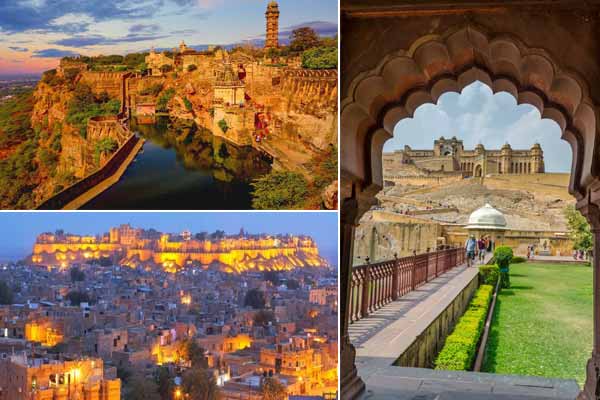

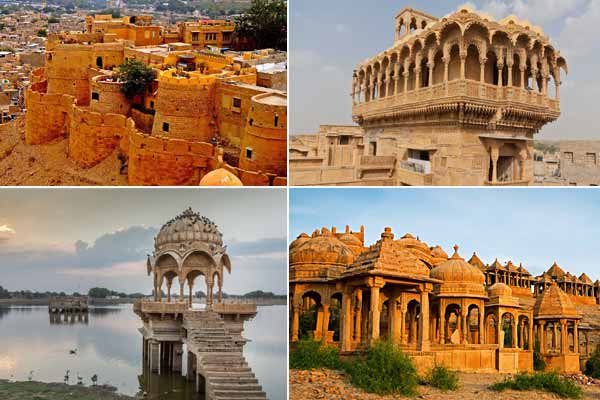

What Are the Best Jaisalmer Sightseeing Attractions to Visit?, the Golden City of Rajasthan, is famous for its sandstone architecture, desert charm, and rich heritage. One of the top attractions to visit is Jaisalmer Fort, also known as Sonar Quila. This living fort is home to ancient palaces, Jain temples, shops, and homes, making it one of the most unique forts in India. Another must-see place is Patwon Ki Haveli, a beautiful cluster of grand havelis known for their detailed carvings, mirror work, and traditional Rajasthani design.
For those who love history and culture, Nathmal Ki Haveli and Salim Singh Ki Haveli are excellent sightseeing spots. These havelis showcase fine craftsmanship and tell stories of Jaisalmer’s royal past. Gadisar Lake is another peaceful attraction, perfect for boating, photography, and watching the sunset by the water.
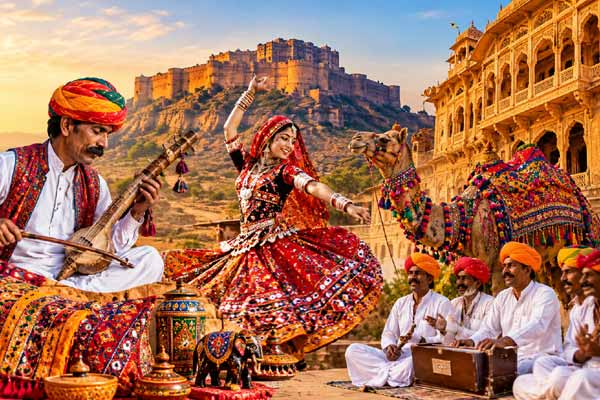
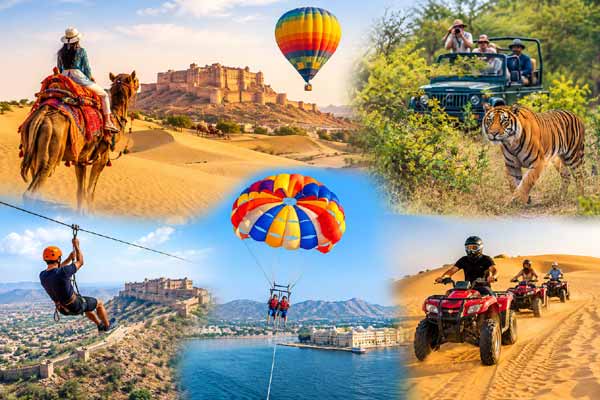
No trip to Jaisalmer is complete without visiting the Sam Sand Dunes. Here, travelers can enjoy camel rides, jeep safaris, cultural performances, and magical desert sunsets. Khuri Village is also a lovely option for a quieter desert experience.
If you enjoy heritage and architecture, stop by the Jain Temples inside Jaisalmer Fort, which are known for their religious significance and intricate stone work. Bada Bagh is another beautiful site, especially for history lovers and sunset photography.
Jaisalmer offers a perfect mix of fort, lake, haveli, temple, and desert attractions. Whether you are interested in history, culture, or adventure, this golden city has something unforgettable for every traveler.
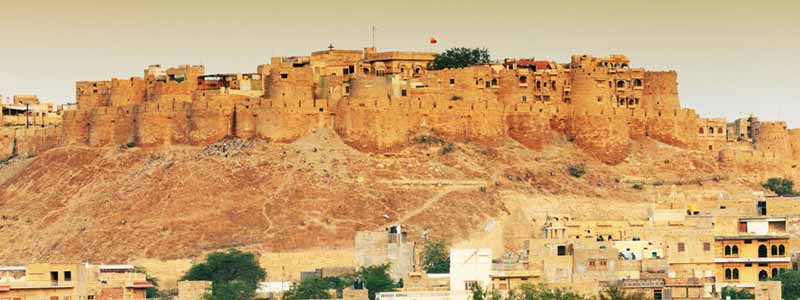
1) Jaisalmer Fort: the heart of the Golden City
Jaisalmer Fort is truly the soul of Jaisalmer and the reason the city is lovingly called the Golden City. Built in 1156 AD by Rawal Jaisal, this magnificent fort rises dramatically from Trikuta Hill, glowing in warm golden shades as sunlight touches its yellow sandstone walls.
What makes Jaisalmer Fort extraordinary is that it is one of the world’s rare living forts, where families still live, work, and worship within its ancient walls. Nearly a quarter of Jaisalmer’s old city population resides inside, giving the fort a vibrant life unlike ordinary monuments. Walking through its narrow lanes feels like stepping into a timeless world filled with traditional houses, handicraft shops, rooftop cafés, and colorful bazaars.
Inside the fort, travelers can explore the Raj Mahal (Royal Palace), beautifully carved Jain Temples, and ancient gateways that reflect Rajput grandeur. The panoramic view of the golden city from the fort walls is unforgettable, especially during sunrise and sunset when the desert glows in magical hues.
Beyond its beauty, the fort tells stories of bravery, trade, and royal legacy. Once an important stop on old caravan trade routes, it remains one of Rajasthan’s greatest heritage treasures and a UNESCO-listed site.
2) Jain Temples inside the fort
The Jain Temples inside Jaisalmer Fort are among the most beautiful spiritual and architectural attractions in Rajasthan. Located within the living fort, this sacred complex includes seven stunning Jain temples built between the 12th and 16th centuries, all carved from golden-yellow sandstone. These temples are dedicated to revered Jain Tirthankaras such as Parshvanath, Chandraprabhu, Shitalnath, Sambhavnath, Shantinath, and Kunthunath.
What makes these temples truly special is their intricate Dilwara-style carvings. The walls, pillars, ceilings, and gateways are decorated with delicate designs of flowers, animals, human figures, and mythological motifs. The craftsmanship is so detailed that every corner feels like a masterpiece in stone. Visitors are often amazed by the finely carved domes and beautifully sculpted pillars that reflect the artistic brilliance of medieval Rajasthan.
One of the most famous temples in the complex is the Chandraprabhu Temple, built in 1509 and dedicated to the eighth Tirthankara. The Parshvanath Temple is also highly admired for its grand entrance and exquisite carvings. Nearby, the ancient Gyan Bhandar library preserves rare manuscripts and old Jain texts, adding historical value to the visit.
A visit to these temples offers peace, spirituality, and a deep connection with Jaisalmer’s heritage. For travelers interested in art, religion, and history, the Jain Temples inside the fort are an unforgettable experience and one of the top highlights of Jaisalmer sightseeing.
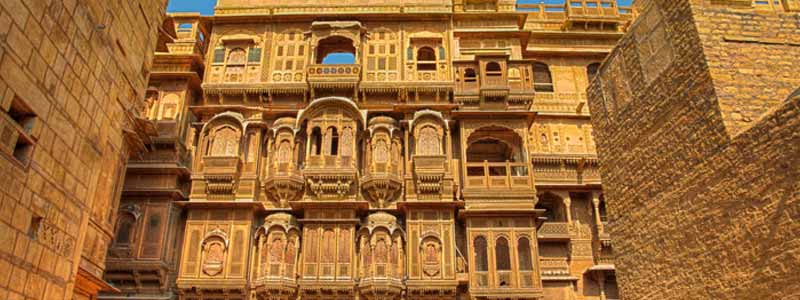
3) Patwon Ki Haveli: the grandest of the havelis
Patwon Ki Haveli is one of the most magnificent heritage attractions in Jaisalmer and is often called the grandest of all the havelis. Built in 1805 by the wealthy merchant Guman Chand Patwa, this architectural masterpiece is not just a single mansion but a cluster of five beautifully connected havelis, created for his five sons over nearly 50 years. It is also considered the first grand haveli of Jaisalmer.
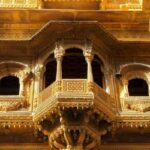
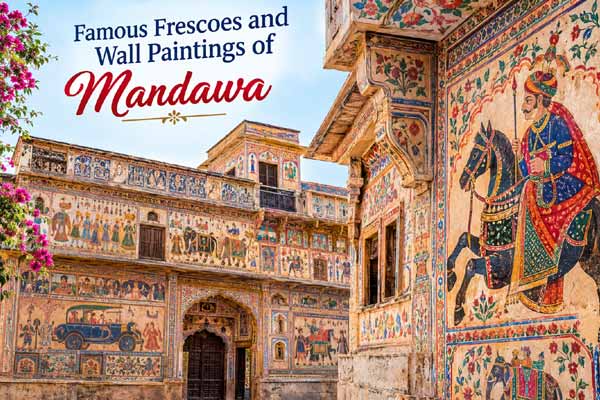
Crafted from golden-yellow sandstone, the haveli perfectly reflects the artistic brilliance of Rajasthan. Its most striking features are the finely carved jharokhas (balconies), ornate arches, decorated gateways, lattice windows, mirror work, and delicate wall paintings. Every corner of the structure displays exceptional craftsmanship that showcases the wealth and refined taste of Jaisalmer’s merchant families.
The first haveli in the complex is the largest and most lavish, making it the true highlight for visitors. Inside, travelers can admire antique furniture, murals, traditional artifacts, and beautifully preserved rooms that offer a glimpse into the luxurious lifestyle of the 19th century. Some sections are also maintained as a museum.
Located in the heart of the Golden City’s narrow lanes, Patwon Ki Haveli remains a must-visit attraction for history lovers, photographers, and architecture enthusiasts. Its timeless beauty, detailed carvings, and royal charm make it one of the finest examples of Jaisalmer’s glorious heritage.
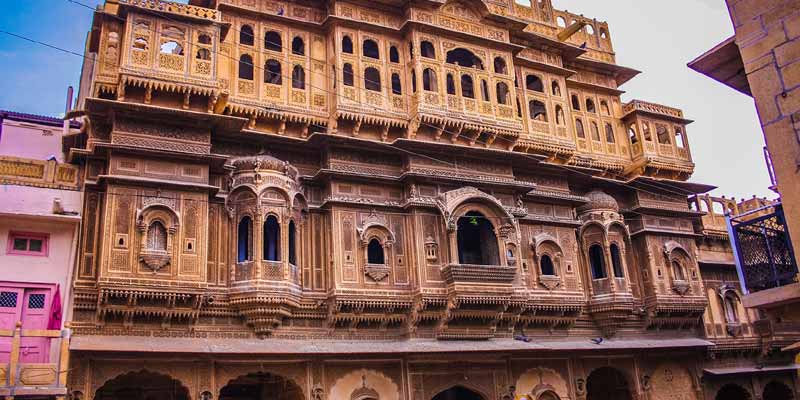
4) Nathmal Ji Ki Haveli: symmetry with a twist
Nathmal Ji Ki Haveli in Jaisalmer is one of the city’s most fascinating architectural gems, admired for its near-perfect symmetry that carries a delightful twist. Built in the 19th century as the residence of Diwan Mohata Nathmal, the haveli was designed by two talented brothers, Hathi and Lulu. The story goes that each brother worked on one side of the mansion independently, creating two halves that look almost identical—but not exactly the same. This subtle difference is what gives the haveli its famous “symmetry with a twist” charm.
Crafted from Jaisalmer’s glowing yellow sandstone, the haveli shines beautifully in the desert sunlight. Its grand façade is decorated with intricate carvings, floral motifs, balconies, arches, and detailed jharokhas that reflect the brilliance of Rajput craftsmanship blended with Islamic influences. At the entrance, two life-size stone elephants stand like royal guards, welcoming visitors into this historic masterpiece.
Inside, the haveli reveals equally stunning artwork, with painted walls, carved pillars, and unique motifs that even include early depictions of modern objects like fans and cars. This mix of traditional elegance and unusual artistic imagination makes it truly special.
For travelers exploring Jaisalmer, Nathmal Ji Ki Haveli is a must-visit attraction where beauty lies not in perfect sameness, but in the charm of artistic individuality.
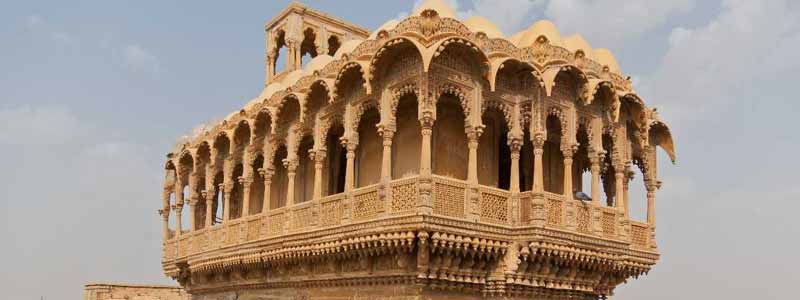
5) Salim Singh Ki Haveli: dramatic and elegant
Salim Singh Ki Haveli is one of the most dramatic and elegant landmarks in Jaisalmer, admired for its bold design and royal charm. Built in 1815 by Salim Singh, the powerful prime minister of Jaisalmer, this magnificent haveli stands as a masterpiece of golden sandstone architecture. Its most striking feature is the peacock-shaped roof, which gives the mansion a graceful and artistic silhouette against the desert sky.
The haveli is often called Jahaz Mahal because its front façade resembles the stern of a ship. This unique shape makes it unlike any other haveli in Rajasthan. One of its most elegant highlights is the row of 38 beautifully carved balconies, each with a different design, showcasing the exceptional craftsmanship of local artisans. The delicate jharokhas, arched windows, and intricate stone lattice work create a dramatic play of light and shadow throughout the day.
The entrance, guarded by carved stone elephants, adds a regal touch and makes visitors feel as if they are stepping into a royal residence from the past. Inside, the haveli features narrow passages, decorated rooms, and historic frescoes that reflect the luxurious lifestyle of Jaisalmer’s elite families.
A visit to Salim Singh Ki Haveli is perfect for lovers of heritage, photography, and architecture. Its dramatic history, elegant design, and breathtaking carvings make it one of Jaisalmer’s most unforgettable attractions.
6) Mandir Palace and Tazia Tower
Mandir Palace and Tazia Tower, Jaisalmer are among the most iconic heritage attractions in the Golden City. Built as the residence of Jaisalmer’s royal family, Mandir Palace is a magnificent example of Rajput architecture blended with Indo-Saracenic style. The palace is famous for its beautifully carved balconies, arched windows, jharokhas, and intricate sandstone craftsmanship that glows golden in the sunlight. Parts of the palace are over 200 years old, reflecting the grandeur of Rajasthan’s royal history.
The highlight of the palace complex is the Tazia Tower, a five-storey architectural marvel located within the Badal Palace section. It was built by skilled Muslim craftsmen and designed in the shape of a Tazia, the ceremonial structure used during Muharram processions. Each level of the tower features uniquely designed balconies, delicate carvings, and elegant arches, making it one of the most photographed landmarks in Jaisalmer.
From the upper levels, visitors can enjoy stunning panoramic views of Jaisalmer city and its golden skyline. The tower beautifully represents the cultural harmony and artistic excellence of the city. Its blend of Rajput and Islamic design makes it truly special.
A visit to Mandir Palace and Tazia Tower offers history, architecture, and amazing photography opportunities, making it a must-visit sightseeing attraction in Jaisalmer.
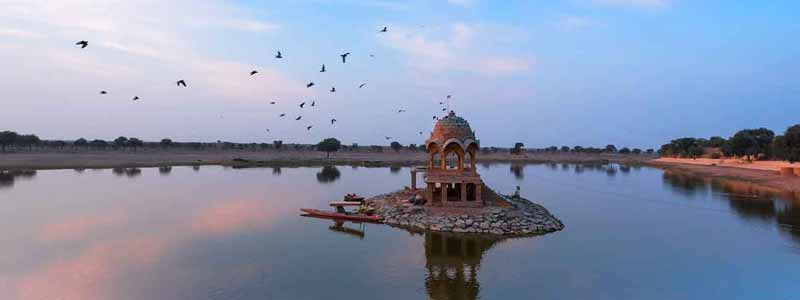
7) Gadisar Lake and the Light & Sound Show
Gadisar Lake and the Light & Sound Show in Jaisalmer are among the most magical evening experiences in the Golden City. Gadisar Lake, built in the 14th century, is a historic man-made reservoir surrounded by beautifully carved chhatris, temples, and ghats. During the day, visitors can enjoy boating, peaceful walks, birdwatching, and stunning reflections of the golden sandstone architecture in the calm water. Sunset is especially breathtaking, when the lake glows in warm desert colors.
As evening falls, the Light & Sound Show at Gadisar Lake becomes the highlight of the visit. A spectacular laser and water-screen projection brings the history of Jaisalmer to life, narrating stories of its kings, the magnificent fort, brave Rajput warriors, and famous nearby attractions. The colorful lights dancing over the water create a magical atmosphere that fascinates travelers of all ages. The show is usually held after sunset, often around 6:30 PM to 7:00 PM, and lasts about 30 minutes, though timings may vary by season.
The seating area near the lake offers a comfortable place to relax and enjoy the performance, and many travelers combine it with an evening boat ride for a truly unforgettable experience. Gadisar Lake at night, with illuminated pavilions and reflections, offers some of the most beautiful photography spots in Jaisalmer. It is a perfect blend of history, culture, and scenic beauty.
8) Jaisalmer Government Museum
The Jaisalmer Government Museum is one of the best places to explore the rich heritage of the Golden City. Established in 1984 by the Department of Archaeology and Museums, this museum beautifully preserves the art, culture, and history of the Thar Desert region. It is a must-visit attraction for travelers who want to understand Jaisalmer beyond its forts and sand dunes.
The museum is especially famous for its rare collection of wood and marine fossils, some dating back millions of years, which reveal the fascinating geological past of the desert. Visitors can also admire stone sculptures, ancient coins, inscriptions, paintings, embroidered dresses, and traditional handicrafts that reflect Rajasthan’s royal and folk heritage. One of the most striking exhibits is the preserved Godawan (Great Indian Bustard), the state bird of Rajasthan.
Another major highlight is the display of rare sculptures from Kiradu and Lodurva, two historic sites near Jaisalmer known for their artistic legacy. These artifacts give a glimpse into the region’s medieval craftsmanship and religious traditions.
Located near Police Line Road, the museum is easy to visit during a city sightseeing tour. It is an ideal stop for history lovers, families, and culture enthusiasts. A visit here adds depth to your Jaisalmer experience by connecting you with the city’s ancient desert civilization and timeless traditions.
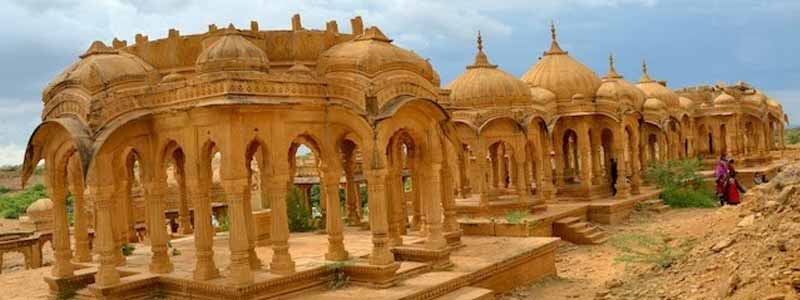
9) Bada Bagh and Amar Sagar
Bada Bagh and Amar Sagar are two of the most peaceful heritage attractions near Jaisalmer, perfect for travelers who enjoy history, architecture, and sunset views.
Bada Bagh is located around 6 km from Jaisalmer and is famous for its royal cenotaphs, also known as chhatris, built in memory of the rulers of Jaisalmer. The golden sandstone structures stand beautifully against the desert landscape, creating a magical view, especially during sunrise and sunset. The site is also known for its calm atmosphere and excellent photography opportunities. It is one of the best places to witness the royal legacy of the Bhatti rulers.
Amar Sagar, located about 7 km from Jaisalmer, is a charming oasis-like destination known for its peaceful lake, old palace, and beautiful Jain temple. The place combines natural beauty with heritage architecture, making it ideal for a quiet sightseeing stop. The reflections of the palace and temple near the water create a scenic and relaxing environment. It is less crowded than the main city attractions, which makes it perfect for visitors looking for an offbeat experience.
Together, Bada Bagh and Amar Sagar offer a wonderful blend of history, serenity, and traditional Rajasthani beauty. These attractions are highly recommended for those exploring Jaisalmer beyond the fort and sand dunes, especially for couples, photographers, and heritage lovers.
10) Sam Sand Dunes and the desert experience
No Jaisalmer sightseeing trip feels complete without time in the desert, and Sam Sand Dunes is the most famous place for that experience. Rajasthan Tourism and RTDC itineraries repeatedly feature Sam as the classic sunset add-on after city sightseeing, often combined with camel rides and desert camp stays. The official tourism adventure page also notes that quad biking is available in Jaisalmer along the Jaisalmer-Sam road, which shows how the desert experience now blends traditional and adventure activities.
Sam is best understood not as a single monument but as a mood. The dunes create the iconic desert landscape people imagine when they think of Rajasthan, and sunset is the best time to be there. Travelers usually combine the evening with camel safari, cultural performances, or a dinner camp, making it one of the most popular ways to end a Jaisalmer day.
11) Kuldhara and Akal Wood Fossil Park
For travelers who like stories with a slightly mysterious edge, Kuldhara is a memorable nearby excursion. Rajasthan Tourism describes it as a ghost village about 17 kilometres west of Jaisalmer, once a prosperous settlement of the Paliwal Brahmins before the population disappeared in 1825. Today, Kuldhara remains one of the city’s most enigmatic and widely discussed stops.
Akal Wood Fossil Park offers a completely different kind of experience. Rajasthan Tourism describes it as a 21-hectare preserved area about 17 kilometres from Jaisalmer toward Barmer, where fossilized tree trunks survive from a forest that existed roughly 180 million years ago. The park takes the visitor from living heritage into prehistoric geology, which is rare and fascinating in a desert destination.
12) Desert National Park: wildlife in the Thar
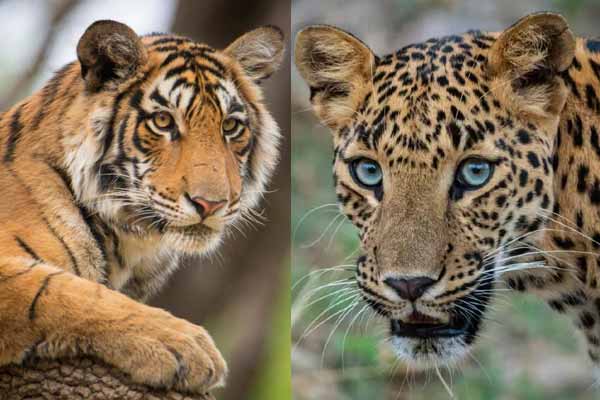
If the goal is to see Jaisalmer beyond architecture, the Desert National Park is one of the most important places to include. Rajasthan Tourism says the park displays the Thar’s ecosystem through sand dunes, rocks, salt-lake bottoms, and intermediate areas, and it is home to blackbuck, chinkara, desert fox, and the highly endangered Great Indian Bustard. That makes it one of the best places in western Rajasthan for desert ecology and birdwatching.
This is the attraction that reminds visitors that Jaisalmer is not only a city of monuments but also a living desert environment with fragile wildlife and distinctive terrain. For nature lovers, it provides a strong contrast to the built heritage of the fort and havelis. In a well-planned Jaisalmer trip, the desert park adds balance to the itinerary by bringing in the natural side of the region.