Top 10 Wildlife Destinations in Rajasthan: Best Time to Visit and Entry Fee
rtp123
Top 10 Wildlife Destinations in Rajasthan is not only famous for its magnificent forts, royal palaces, and vibrant culture but also for its diverse wildlife destinations. From dense forests and rolling hills to vast deserts and wetlands, the state offers incredible opportunities to explore nature and encounter fascinating wildlife. Whether you are an adventure enthusiast, birdwatcher, wildlife photographer, or family traveler, Rajasthan has something for everyone.
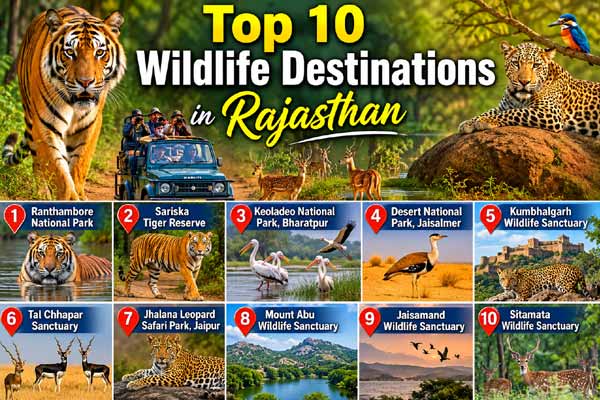
The state’s most popular wildlife destination is Ranthambore National Park, renowned for its Royal Bengal Tigers and thrilling jeep safaris. Sariska Tiger Reserve is another excellent destination where visitors can spot tigers, leopards, sambar deer, and numerous bird species amidst the scenic Aravalli Hills. Bird lovers should not miss Keoladeo National Park in Bharatpur, a UNESCO World Heritage Site that welcomes thousands of migratory birds every winter.
For a unique desert wildlife experience, Desert National Park near Jaisalmer showcases rare species such as the Great Indian Bustard, desert fox, chinkara, and blackbuck. Kumbhalgarh Wildlife Sanctuary offers lush forests, leopards, wolves, sloth bears, and breathtaking landscapes surrounding the historic Kumbhalgarh Fort. Nature enthusiasts can also visit Tal Chhapar Sanctuary, famous for its blackbucks and raptor birds, while Jhalana Leopard Safari Park in Jaipur is one of India’s best places to observe leopards in their natural habitat.
Other remarkable wildlife destinations include Mount Abu Wildlife Sanctuary, Jaisamand Wildlife Sanctuary, and Sitamata Wildlife Sanctuary, each offering unique ecosystems, rich biodiversity, and excellent opportunities for nature walks and wildlife photography.
The best time to explore Rajasthan’s wildlife is from October to March, when the weather is pleasant and wildlife sightings are at their best. With its remarkable variety of landscapes, rare species, and exciting safari experiences, Rajasthan is truly one of India’s finest wildlife tourism destinations, promising unforgettable adventures for every nature lover.
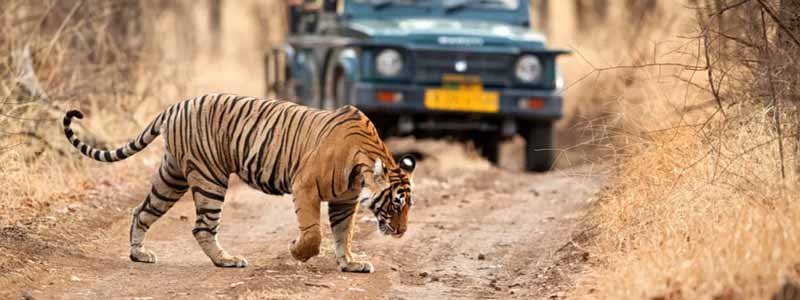
Ranthambore National Park is the most famous wildlife destination in Rajasthan and one of the best places in India to see the Royal Bengal Tiger in the wild. Located near Sawai Madhopur, this park is known for its dramatic combination of wilderness and history. The ancient Ranthambore Fort, located inside the park, adds a unique cultural charm to the safari experience.
The landscape of Ranthambore includes dry deciduous forest, lakes, valleys, and open grasslands. These natural features make it easier to spot wildlife during a safari. Apart from tigers, the park is home to leopards, sloth bears, striped hyenas, jackals, marsh crocodiles, wild boars, deer, and many bird species.
One of the biggest highlights of Ranthambore is its excellent tiger sighting opportunities. The park is divided into safari zones, and each zone offers a different experience. Early morning and late afternoon safaris are the most popular because animals are often more active during these hours. For wildlife lovers, Ranthambore is a must-visit destination in Rajasthan.
Highlights
Royal Bengal tiger sightings
Ranthambore Fort inside the park
Jeep and canter safari options
Rich birdlife and lake views
Ideal for photographers and first-time safari travelers
Top 10 Wildlife Destinations in Rajasthan
2. Sariska Tiger Reserve
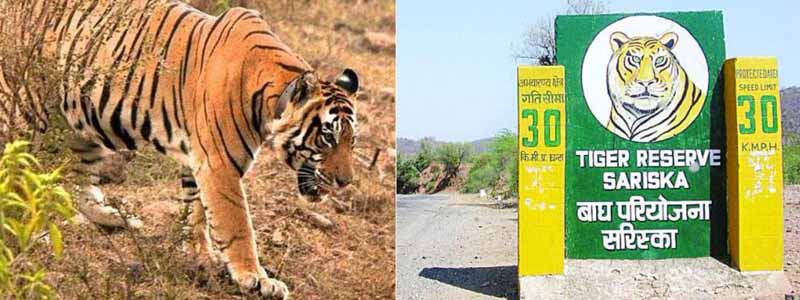
Sariska Tiger Reserve, located in Alwar district, is another major wildlife destination in Rajasthan. It is known for its rugged hills, dry forests, and revival of tiger populations. Once famous as a hunting reserve, Sariska has now become an important conservation success story.
The reserve is part of the Aravalli Hills and features rocky terrain, scattered trees, deep valleys, and old temple ruins. This gives Sariska a scenic and mysterious atmosphere. Tigers are the main attraction, but visitors can also spot leopards, sambar deer, chital, nilgai, wild boar, and many bird species. Langurs and peafowl are also commonly seen.
One of the most interesting aspects of Sariska is its combination of wildlife and heritage. Ancient temples like the Pandupol Temple and the ruins scattered across the reserve add a spiritual and historical layer to the safari journey. Sariska is a good destination for travelers who want both wildlife and scenic landscapes in one trip.
Highlights
Tiger reserve in the Aravalli hills
Scenic rocky terrain and dry forest
Temple and heritage connections
Good place for leopard and deer sightings
Less crowded than some other safari destinations
Top 10 Wildlife Destinations in Rajasthan
3. Keoladeo National Park, Bharatpur
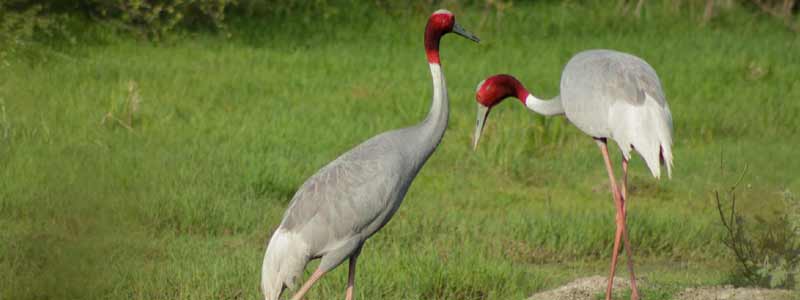
Keoladeo National Park in Bharatpur is one of India’s most famous bird sanctuaries and a paradise for birdwatchers. Formerly known as Bharatpur Bird Sanctuary, this UNESCO World Heritage Site is especially popular during the winter season when thousands of migratory birds arrive from faraway regions.
The park is home to a huge variety of resident and migratory birds, making it one of the best birding destinations in Asia. Visitors can see cranes, storks, herons, pelicans, egrets, ducks, geese, and kingfishers. During the migration season, the park becomes alive with movement, color, and sound.
Keoladeo is also known for its peaceful wetlands and easy walking or cycling routes. Unlike traditional tiger reserves, this park offers a calm and educational nature experience. It is ideal for families, students, bird photographers, and travelers who enjoy quiet natural surroundings.
Highlights
UNESCO World Heritage bird sanctuary
Huge migration of birds in winter
Excellent location for bird photography
Easy cycling and walking trails
Wetland ecosystem with rich biodiversity
Top 10 Wildlife Destinations in Rajasthan
4. Desert National Park
Desert National Park, located near Jaisalmer and Barmer, offers a completely different wildlife experience. It protects one of the most unique ecosystems in India: the Thar Desert. At first glance, the landscape may appear harsh and barren, but the park is full of life adapted to extreme desert conditions.
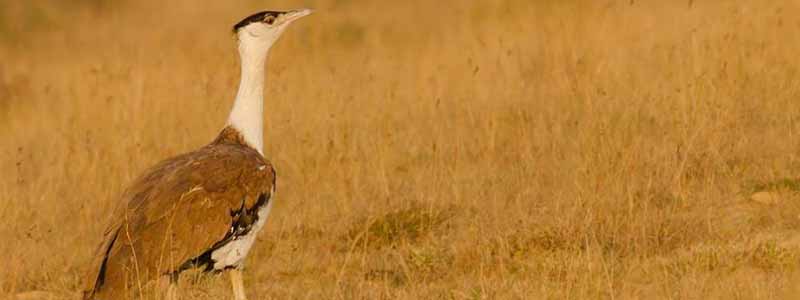
This park is famous for the Great Indian Bustard, one of the most endangered birds in the world. It is also home to desert foxes, chinkaras, blackbucks, desert cats, hawks, eagles, and several reptile species. The open desert terrain makes it a fascinating destination for nature enthusiasts and birdwatchers.
Sand dunes, rocky patches, salt lakes, and dry grasslands create a dramatic background for exploration. Desert National Park is not just about wildlife; it is also about understanding how life survives in one of the toughest environments on earth. For travelers visiting western Rajasthan, this destination offers a rare and unforgettable wildlife experience.
Highlights
Best place to explore desert wildlife
Habitat of the Great Indian Bustard
Chinkara, blackbuck, and desert fox sightings
Unique desert ecosystem
Excellent for eco-tourism and birdwatching
Top 10 Wildlife Destinations in Rajasthan
5. Kumbhalgarh Wildlife Sanctuary
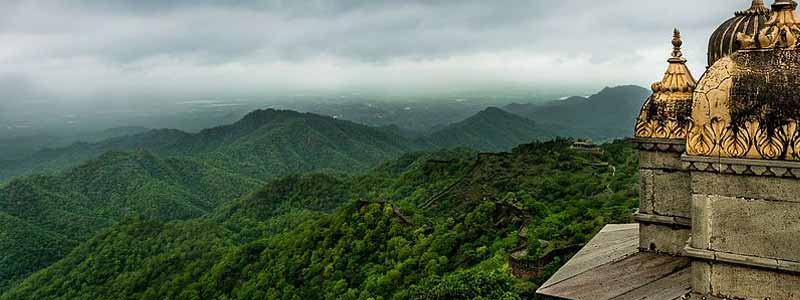
Kumbhalgarh Wildlife Sanctuary is a beautiful natural area spread across the Aravalli Hills in Rajsamand, Pali, and Udaipur districts. It surrounds the famous Kumbhalgarh Fort and is known for its forested hills, valleys, and peaceful environment. This sanctuary is a great choice for travelers who want to combine wildlife with heritage tourism.
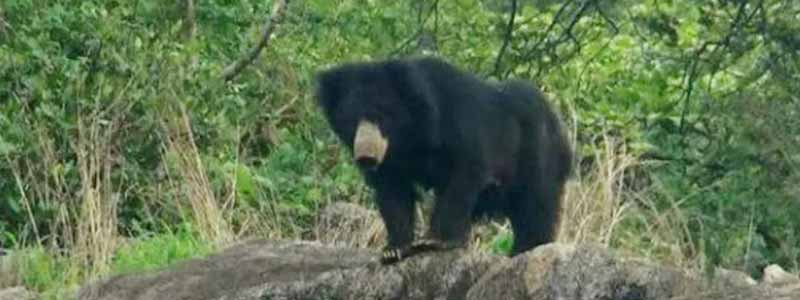
The sanctuary is home to leopards, wolves, hyenas, sloth bears, sambar, wild boar, nilgai, and a wide variety of birds. The terrain is hilly and forested, which makes the safari experience scenic and adventurous. Unlike open grassland parks, Kumbhalgarh offers a more rugged and forest-like atmosphere.
The major attraction is the chance to enjoy a wildlife safari near one of Rajasthan’s most famous forts. The area is also popular for nature walks, photography, and quiet escapes from city life. If you are visiting Udaipur or Kumbhalgarh Fort, this sanctuary should definitely be part of your itinerary.
Highlights
Forested safari in the Aravalli region
Wildlife near the historic Kumbhalgarh Fort
Leopards, wolves, and sloth bears
Scenic hill landscapes
Good for heritage and nature travelers
Top 10 Wildlife Destinations in Rajasthan
6. Tal Chhapar Sanctuary
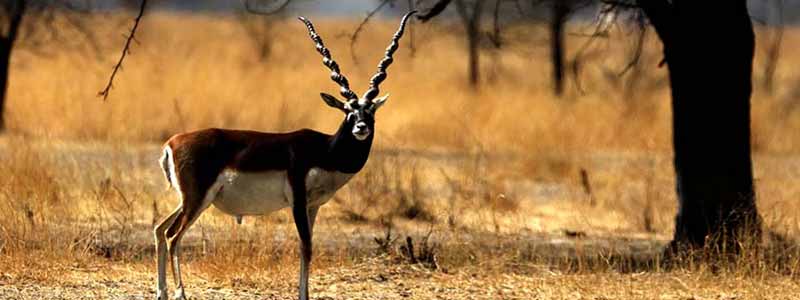
Tal Chhapar Sanctuary, located in Churu district, is famous for its blackbucks and open grassland environment. This sanctuary offers a very different wildlife setting from Rajasthan’s forest reserves. Instead of dense trees, visitors find a flat, open landscape that is ideal for spotting animals and birds.
Blackbucks are the main attraction here, moving gracefully across the grasslands in groups. The sanctuary is also home to desert foxes, hares, blue bulls, and many bird species, especially raptors such as harriers, eagles, and falcons. During the migratory season, birdlife becomes even more impressive.
Tal Chhapar is particularly popular among wildlife photographers because the open terrain provides clear views of animals. The early morning light across the grasslands creates beautiful photography opportunities. For travelers interested in grassland ecology and rare species, Tal Chhapar is one of Rajasthan’s most rewarding wildlife destinations.
Highlights
Famous blackbuck sanctuary
Open grassland habitat
Excellent birdwatching and raptor sightings
Great for wildlife photography
Peaceful and less commercialized experience
Top 10 Wildlife Destinations in Rajasthan
7. Jhalana Leopard Safari Park
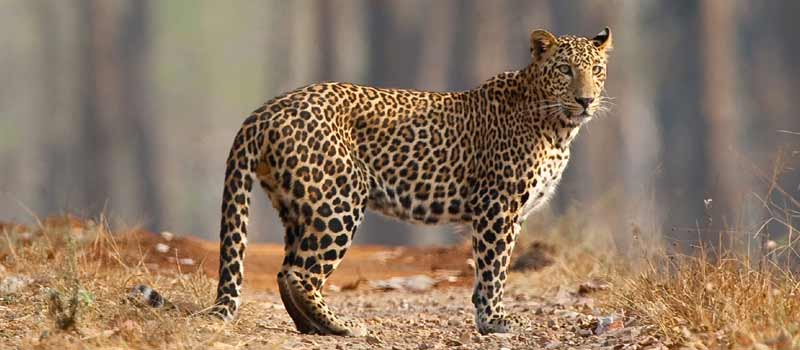
Jhalana Leopard Safari Park in Jaipur has become one of the most popular wildlife attractions in Rajasthan’s capital city. It is especially known for leopard sightings within a short distance from the city center. For travelers who do not have time to visit larger reserves, Jhalana provides a convenient and exciting jungle safari experience.
The park has a dry forest landscape with rocky terrain, hills, and scattered vegetation. Leopards are the star attraction, but visitors can also see striped hyenas, desert foxes, jackals, jungle cats, and a variety of birds. The park is relatively compact, which increases the chances of spotting wildlife during a safari.
Because of its location in Jaipur, Jhalana is ideal for short trips, family outings, and wildlife photography. It offers a rare chance to experience a safari without leaving the city. This makes it one of the most accessible wildlife destinations in Rajasthan.
Highlights
Best leopard safari near Jaipur
Easy access for short trips
Good chance of wildlife sightings
Scenic dry forest and rocky terrain
Perfect for quick safari experiences
Top 10 Wildlife Destinations in Rajasthan
8. Mount Abu Wildlife Sanctuary
Mount Abu Wildlife Sanctuary is located in Rajasthan’s only hill station, making it one of the most refreshing wildlife destinations in the state. The sanctuary is known for its cooler climate, green hills, and diverse flora and fauna. It offers a striking contrast to Rajasthan’s desert image.
The sanctuary is home to leopards, sloth bears, jungle cats, foxes, wolves, and a variety of deer species. It is also rich in birdlife, butterflies, and plant species. The landscape includes evergreen forests, valleys, cliffs, and streams, giving visitors a lush natural environment to explore.
Because of the pleasant weather and scenic surroundings, Mount Abu Wildlife Sanctuary is suitable for travelers seeking relaxation along with nature. It is a great option for families, couples, and nature lovers who want a peaceful wildlife experience. The sanctuary can be enjoyed along with other attractions in Mount Abu, such as Nakki Lake and Guru Shikhar.
Highlights
Rajasthan’s green hill-station wildlife destination
Cool weather and forested landscape
Leopards, sloth bears, and deer
Rich bird and butterfly diversity
Ideal for nature walks and family trips
9. Jaisamand Wildlife Sanctuary
Jaisamand Wildlife Sanctuary, located near Udaipur, is centered around the beautiful Jaisamand Lake, one of the largest artificial lakes in India. The sanctuary is a scenic blend of water, forest, and hills, making it a pleasant destination for travelers who enjoy both wildlife and landscapes.
The sanctuary supports species such as leopards, chinkaras, hyenas, wild boars, and various birds. The lake attracts waterbirds, while the surrounding forest areas provide shelter to other wildlife. The environment is calm and less crowded, which makes it appealing for travelers looking for a quiet nature escape.
Jaisamand is also a good place for sightseeing, photography, and relaxing near the lake. Its natural beauty and peaceful atmosphere make it one of the most charming wildlife destinations in southern Rajasthan.
Highlights
Scenic sanctuary around Jaisamand Lake
Water and forest ecosystem
Leopard and bird sightings
Calm and less crowded location
Ideal for nature photography
10. Sitamata Wildlife Sanctuary
Sitamata Wildlife Sanctuary is located in the southeastern part of Rajasthan and is known for its dense forest cover, rivers, streams, and rich biodiversity. It is one of the greener and wetter wildlife areas in the state, which gives it a very different character from Rajasthan’s dry zones.
The sanctuary is home to leopards, sloth bears, flying squirrels, deer, and many species of birds and reptiles. It is especially admired for its thick forest and natural streams, which create a refreshing atmosphere for visitors. The presence of tribal culture in the surrounding region also adds cultural depth to the travel experience.
Sitamata is a good destination for travelers who enjoy raw and less-commercialized nature tourism. It is not as famous as Ranthambore or Sariska, but it has its own charm and ecological importance. For those who like exploring offbeat wildlife destinations, Sitamata is a hidden gem in Rajasthan.
Highlights
Dense forest and stream-rich landscape
Offbeat and less crowded destination
Leopards, bears, and forest birds
Rich biodiversity and natural beauty
Great for explorers and nature lovers
Best Time to Visit Wildlife Destinations in Rajasthan
The best time to visit most wildlife destinations in Rajasthan is from October to March, when the weather is pleasant and animal sightings are more comfortable. Winter is especially suitable for birdwatching, particularly in Bharatpur and other wetland areas. Summer can also offer good tiger sightings in parks like Ranthambore and Sariska because animals often come near water sources.
Each season has its own appeal. Winter is ideal for safaris, photography, and family travel. Summer is better for dedicated wildlife enthusiasts who want stronger chances of spotting big animals. Monsoon brings greenery to some sanctuaries, but safari operations may be limited in certain areas.