Exploring the Legacy of Maharana Pratap in Udaipur
rtp123
Exploring the Legacy of Maharana Pratap in Udaipur is remembered as one of the bravest rulers in Indian history, and Udaipur remains deeply connected to his life and legacy. Born into the Sisodia dynasty, Maharana Pratap was the son of Maharana Udai Singh II, the founder of Udaipur. The city became the heart of the Mewar kingdom and a symbol of freedom and resilience that Maharana Pratap fiercely protected throughout his life.
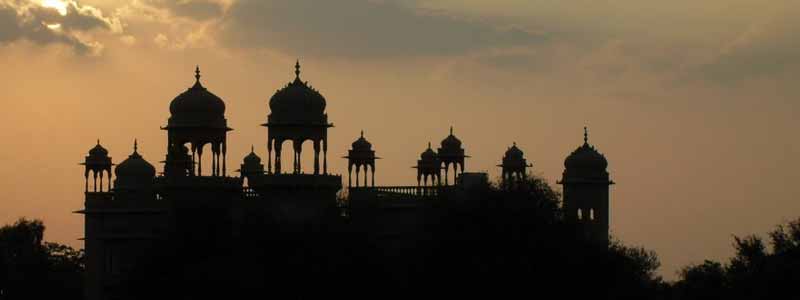
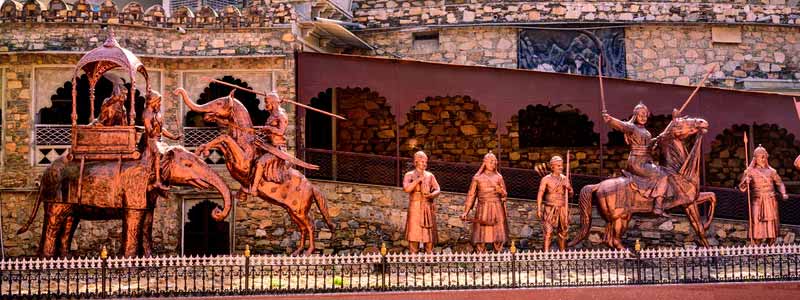
Although continuous conflicts with the Mughal Empire forced Maharana Pratap to spend many years in forests and hills, Udaipur always represented hope and independence for him. TheCity Palace of Udaipur preserves the royal heritage of Mewar and honors Maharana Pratap as a ruler who valued honor above luxury. His memory is proudly displayed through paintings, weapons, and royal records that narrate his sacrifices.
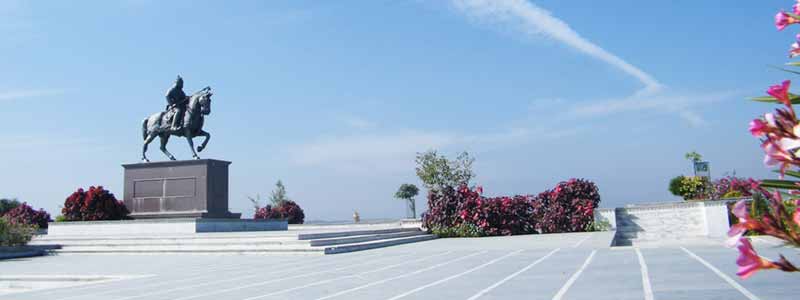
One of the most iconic tributes to Maharana Pratap in Udaipur is at Moti Magri, where a powerful statue of him riding his loyal horse Chetak overlooks Fateh Sagar Lake. This monument symbolizes courage, loyalty, and determination.
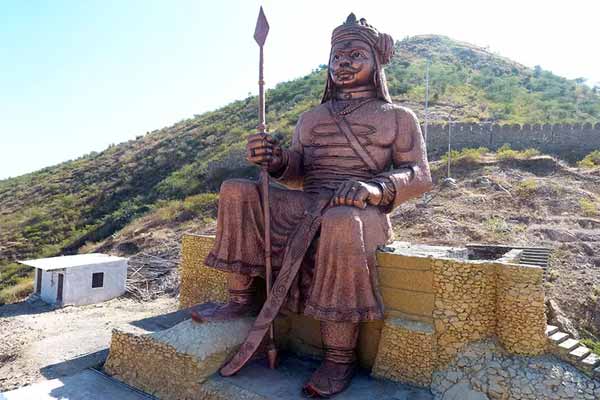
In Udaipur, Maharana Pratap is not only remembered as a warrior king but revered as an inspiration whose ideals of self-respect, freedom, and perseverance continue to define the spirit of Mewar.
Exploring the Legacy of Maharana Pratap in Udaipur
Birth of a Warrior and the Values of Mewar
Maharana Pratap was born in 1540 into the Sisodia dynasty, one of the most respected Rajput lineages. From an early age, he was trained in warfare, horse riding, swordsmanship, and the strict Rajput code of honor. The Sisodias of Mewar were known for their fierce independence and refusal to submit to external domination. These values were deeply ingrained in Maharana Pratap’s upbringing and shaped his worldview.
When his father, Maharana Udai Singh II, founded Udaipur in 1559, it marked a new chapter for Mewar. After repeated attacks on Chittorgarh, the shift to Udaipur symbolized survival, resilience, and hope. Though Maharana Pratap was still young at the time, the city would later become the ideological center of his resistance.
Chetak: The Symbol of Loyalty
The bond between Maharana Pratap and his horse Chetak is legendary. During the Battle of Haldighati, Chetak displayed extraordinary bravery, carrying his wounded master away from danger despite being severely injured himself. After ensuring Maharana Pratap’s safety, Chetak collapsed and died.
In Udaipur, the story of Chetak is inseparable from that of Maharana Pratap. Folk songs, poems, and local legends keep this tale alive, symbolizing loyalty, devotion, and sacrifice. For many visitors, this story adds a deeply emotional layer to Maharana Pratap’s legacy.
Exploring the Legacy of Maharana Pratap in Udaipur
The Battle of Haldighati and Its Impact
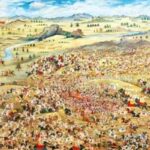
The conflict between Maharana Pratap and Akbar culminated in the Battle of Haldighati in 1576. Fought in the narrow mountain pass near present-day Rajsamand, the battle was fierce and intense. Maharana Pratap led a smaller army against a well-equipped Mughal force commanded by Man Singh of Amber.
Although the battle did not result in a decisive victory for either side, it became legendary for the courage displayed by Maharana Pratap and his soldiers. Severely wounded yet unbroken, Maharana Pratap survived the battle with the help of his loyal horse, Chetak. The battle marked a turning point, forcing Maharana Pratap into years of exile, but it also cemented his place in history as a fearless warrior.
For Udaipur, the aftermath of Haldighati meant uncertainty and hardship. Yet the city never lost its symbolic role as the heart of Mewar’s independence.
Exploring the Legacy of Maharana Pratap in Udaipur
When visiting the Maharana Pratap Memorial, there are several nearby places worth exploring to enrich your experience:
Chetak Smarak – A small monument dedicated to Maharana Pratap’s loyal horse, Chetak, who famously saved his master during the Battle of Haldighati. This structure is located within the memorial grounds and is a must-see for history enthusiasts.
Pearl Hill – The memorial itself is located atop Moti Magri (Pearl Hill), which offers panoramic views of Udaipur’s Fateh Sagar Lake, the city skyline, and surrounding hills.
Fateh Sagar Lake – Just a short distance away, this artificial lake is one of Udaipur’s most iconic attractions. Take a leisurely boat ride and soak in the scenic views of the surrounding hills and the Memorial.
Maharana Pratap Museum – Located near the memorial, this museum provides detailed insights into Maharana Pratap’s life, displaying weapons, artifacts, and paintings that depict his battles, especially the Battle of Haldighati.
Best Time to Visit
The ideal time to visit the Maharana Pratap Memorial and Udaipur in general is from October to March, when the weather is cool and pleasant, making sightseeing comfortable. During these months, you can enjoy walking around the memorial and other attractions without being affected by the heat. The evenings are particularly enjoyable for exploring the area around Fateh Sagar Lake and watching the light and sound show.
The summer months (April to June) tend to be extremely hot, making outdoor sightseeing less enjoyable. If you’re traveling during the monsoon season (July to September), you’ll experience lush green surroundings, but the rain might interrupt your plans.