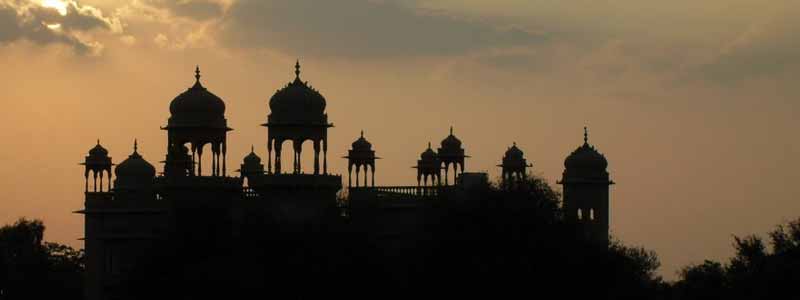
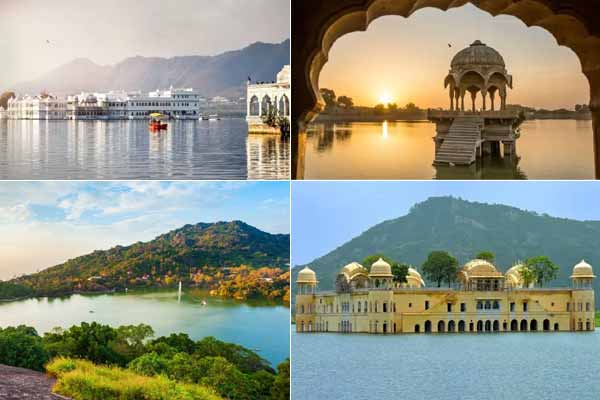
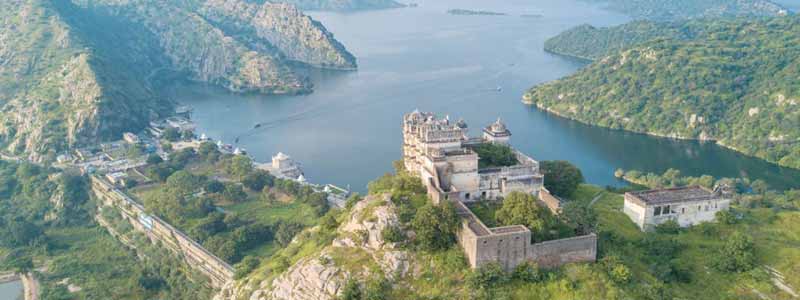
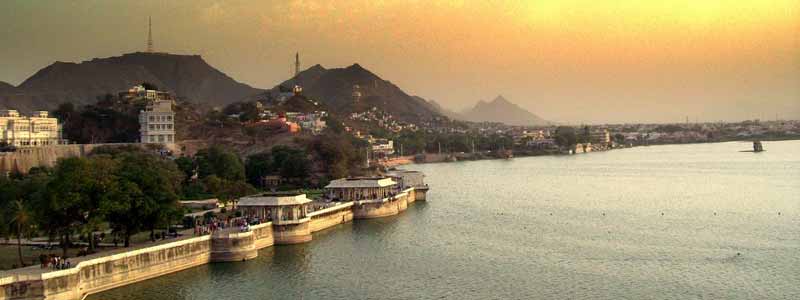
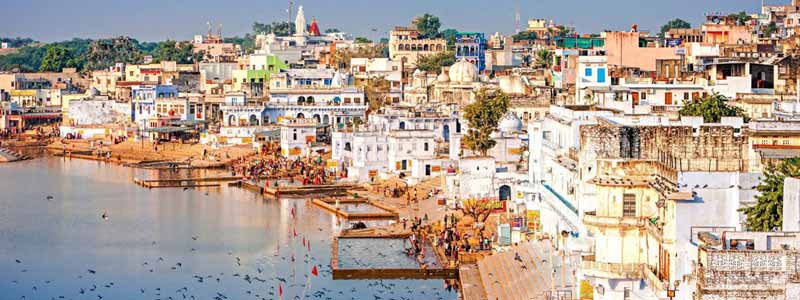
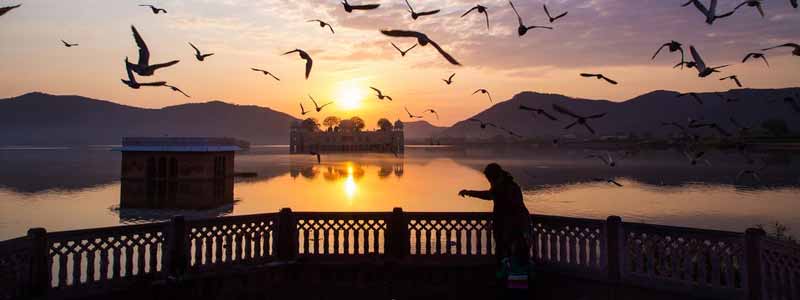
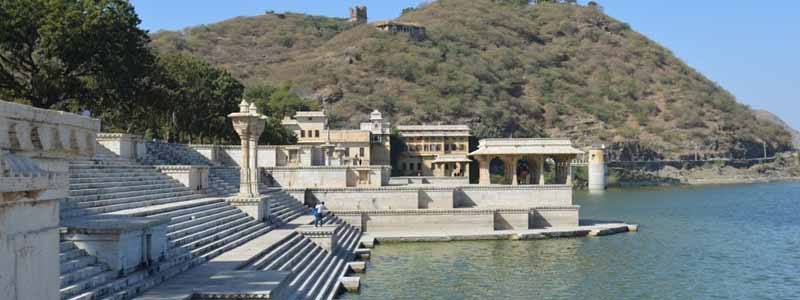
Lakes and Rivers to visit in Rajasthan is often associated with vast deserts, forts, and royal palaces, but the state is also home to many beautiful lakes and important rivers that enhance its natural appeal. Udaipur, known as the “City of Lakes,” is famous forLake Pichola, where visitors enjoy boat rides with views of historic palaces and temples. Fateh Sagar Lake, surrounded by the Aravalli hills, is perfect for relaxing evenings and scenic photography. Jaisamand Lake, one of Asia’s largest artificial lakes, offers a tranquil environment with islands, forests, and diverse birdlife.
Ajmer’s Ana Sagar Lake is a popular attraction with well-maintained gardens and marble pavilions, making it ideal for leisure walks. Pushkar Lakeis a sacred site for Hindus and is surrounded by ghats and temples, creating a spiritual and peaceful atmosphere. In Jaipur, Man Sagar Lake is famous for the Jal Mahal, a stunning palace that appears to float on water.
Rajasthan’s rivers, though mostly seasonal, are equally significant. The Chambal River near Kota is known for its wildlife sanctuary, where crocodiles, dolphins, and rare birds can be seen. The Luni River flows through western Rajasthan, supporting agriculture and settlements in desert regions. Together, these lakes and rivers add beauty, culture, and balance to Rajasthan’s vibrant and historic landscape, offering visitors calm experiences beyond the desert scenery.
There are numerous artificial lakes in Rajasthan which were built previously by many Kings to address the shortage of water. Check out the list of beautiful lakes in Rajasthan and don’t forget to add them to your bucketlist.
Lakes and Rivers to visit in Rajasthan
Lake Pichola – Udaipur
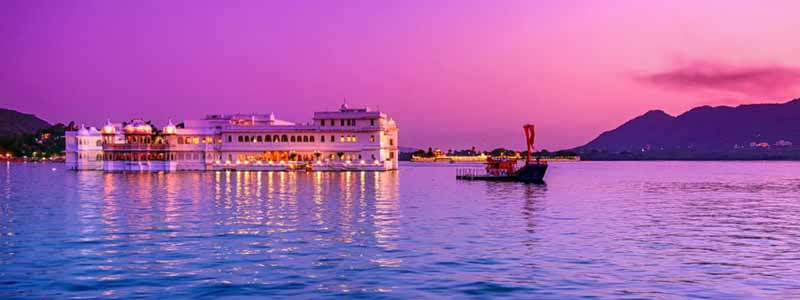
Lake Pichola, located in the heart of Udaipur, is one of the most famous and picturesque lakes in Rajasthan. Constructed in 1362 AD, this artificial freshwater lake was initially built to meet the city’s water requirements, but over time, it has become a symbol of Udaipur’s scenic beauty and royal heritage. Surrounded by the Aravalli hills, the lake is dotted with historic palaces, temples, and ghats, creating a breathtaking panorama that draws visitors from across the world. Its most renowned attraction is the Lake Palace, a magnificent white marble structure that appears to float elegantly on the calm waters, alongside Jag Mandir, an island palace famous for its architectural grandeur and historical significance.
Tourists can enjoy boat rides on the lake, providing a unique perspective of the surrounding palaces, hills, and ghats while experiencing the serene and peaceful environment. The lake becomes particularly enchanting during sunsets, when the sky’s golden, pink, and orange hues reflect on the water, enhancing its romantic and tranquil atmosphere. Lake Pichola perfectly captures the royal legacy, cultural richness, and natural beauty of Udaipur, making it a must-visit destination for travelers who wish to experience the city’s history, architecture, and scenic charm in one place.
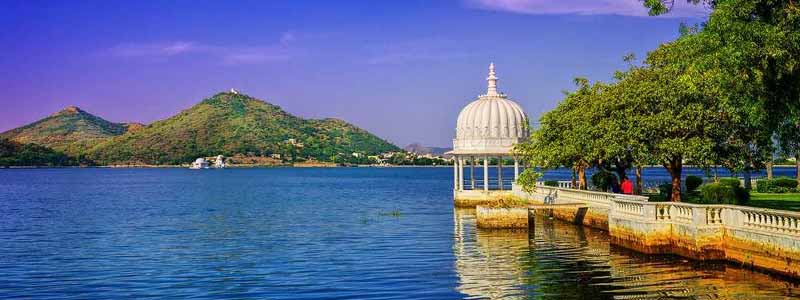
Fateh Sagar Lake, located in Udaipur, Rajasthan, is a stunning artificial lake known for its serene environment and scenic beauty. Constructed in the late 17th century by Maharana Fateh Singh, it lies to the north of the famous Lake Pichola and is connected to it by a canal. The lake is surrounded by the Aravalli hills, offering panoramic views and a peaceful retreat from the bustling city life.
Fateh Sagar Lake is particularly famous for its three islands. One of the islands hosts the Necklace Garden, designed in the shape of a necklace, while another island houses the Udaipur Solar Observatory, one of Asia’s largest solar research centers. Visitors can enjoy boating on the lake, which provides picturesque views of the surrounding hills, ghats, and city skyline. The lake is also a hotspot for photographers, especially during sunset, when the calm waters reflect the changing colors of the sky.
Fateh Sagar Lake is not only a natural attraction but also a center for leisure, tourism, and culture. Its serene ambiance, scenic surroundings, and historical significance make it an essential destination for anyone visiting Udaipur, complementing the city’s reputation as the “City of Lakes.”
Jaisamand Lake – Udaipur
Jaisamand Lake, also known as Dhebar Lake, is one of the largest artificial lakes in Asia and is located near Udaipur in Rajasthan. Constructed in the 17th century by Maharana Jai Singh, the lake was created by building a massive dam across the Gomti River. Spanning a vast area, Jaisamand Lake is surrounded by lush hills, forests, and small islands, making it a picturesque and tranquil destination.
The lake is famous for its rich wildlife, including migratory birds, fish, and other aquatic species. One of its islands hosts the Jaisamand Wildlife Sanctuary, which is home to peacocks, crocodiles, and several rare species, making it a popular spot for nature lovers and wildlife enthusiasts. Visitors can enjoy boating on the lake while taking in the scenic surroundings and the serene atmosphere.
Jaisamand Lake is also culturally significant, with several temples and historic structures nearby. Its combination of natural beauty, wildlife, and historical importance makes it a must-visit destination in Udaipur. The lake offers a peaceful retreat from city life and highlights the grandeur and vision of Rajasthan’s royal heritage.
Lakes and Rivers to visit in Rajasthan
Ana Sagar Lake – Ajmer
Ana Sagar Lake is a historic artificial lake located in the city of Ajmer, Rajasthan. Built in the 12th century by Anaji Chauhan, the lake was constructed to provide water for the city and surrounding areas. It is surrounded by well-maintained gardens, marble pavilions, and ghats, offering a peaceful and scenic environment for visitors. The lake stretches over a large area, making it ideal for leisurely walks, picnics, and enjoying the natural surroundings.
One of the notable features of Ana Sagar Lake is the Daulat Bagh gardens, located along its banks, which provide a serene atmosphere and attract locals and tourists alike. The lake is also popular for boating, allowing visitors to explore the calm waters and enjoy views of the nearby hills and cityscape.
Ana Sagar Lake is especially beautiful during sunset, when the reflection of the sky and surrounding structures creates a tranquil and picturesque setting. This lake not only serves as a vital water resource but also stands as a symbol of Ajmer’s rich heritage, architecture, and natural beauty, making it a must-visit destination in Rajasthan.
Lakes and Rivers to visit in Rajasthan
Pushkar Lake – Pushkar
Pushkar Lake, located in the holy town of Pushkar in Rajasthan, is one of India’s most sacred lakes. Surrounded by 52 ghats and numerous temples, the lake holds great religious significance for Hindus, who believe that a dip in its waters can cleanse sins and bring spiritual merit. According to legend, the lake was created when Lord Brahma dropped a lotus flower at this site, making it a major pilgrimage destination.
The lake is especially vibrant during the Pushkar Camel Fair, when thousands of pilgrims, tourists, and traders gather to witness cultural events, religious rituals, and local festivities. Visitors can walk along the ghats, participate in the ceremonial aarti, or enjoy the peaceful surroundings and scenic views of the Aravalli hills.
Pushkar Lake is not only spiritually important but also a center of cultural heritage and natural beauty. Its tranquil waters, historic ghats, and the surrounding temples make it a must-visit destination for those exploring Rajasthan, offering a unique blend of faith, tradition, and scenic charm.
Lakes and Rivers to visit in Rajasthan
Man Sagar Lake – Jaipur
Man Sagar Lake is a picturesque artificial lake located in Jaipur, the capital city of Rajasthan. It was created in the 16th century by constructing a dam across the Saraswati River. The lake is famous for its serene waters and the stunning Jal Mahal, a beautiful palace that appears to float in the middle of the lake, showcasing the architectural grandeur of the Rajput era.
The lake is surrounded by the Aravalli hills, providing a scenic backdrop and making it an ideal spot for photography and leisure walks. Man Sagar Lake is especially attractive during sunsets, when the sky’s reflection on the calm waters creates a magical and peaceful atmosphere. The lake also attracts migratory birds, adding to its natural charm and appeal for bird watchers.
Man Sagar Lake is a perfect blend of history, architecture, and natural beauty, making it one of Jaipur’s most visited destinations. Its unique combination of cultural heritage and scenic landscapes offers visitors a tranquil retreat within the bustling city.
Lakes and Rivers to visit in Rajasthan
Rajsamand Lake – Rajsamand
Rajsamand Lake, also known as Rajsamudra Lake, is a historic artificial lake located in Rajsamand district of Rajasthan. Built in the 17th century by Maharana Raj Singh, the lake was created to serve as a major water reservoir for the region and to prevent droughts. Spanning a vast area, it is one of the largest artificial lakes in Rajasthan and is surrounded by marble embankments, temples, and scenic landscapes.
The lake is particularly famous for the Kumbha Shyam Temple and other historic structures along its banks, reflecting the region’s cultural and architectural heritage. Visitors can enjoy boating and take in the panoramic views of the surrounding hills and countryside. The lake is also a haven for migratory birds, making it a popular spot for bird watchers and nature lovers.
Rajsamand Lake is not only a vital water resource but also a significant tourist attraction. Its combination of history, architecture, and natural beauty makes it a must-visit destination in Rajasthan, offering a serene and peaceful environment for travelers.
Balsamand Lake – Jodhpur
Balsamand Lake is a historic artificial lake located near Jodhpur in Rajasthan. Built in the 13th century by Raja Rao Bika, the lake was designed to provide water to the city and surrounding areas. Surrounded by lush gardens, mango orchards, and the Aravalli hills, Balsamand Lake offers a tranquil and scenic environment for visitors.
The lake is famous for the Balsamand Palace, a beautiful structure built on its banks, which adds historical and architectural charm to the area. Tourists can enjoy boating in the calm waters, take leisurely walks along the embankments, and admire the serene surroundings. The lake also attracts migratory birds, making it a popular spot for bird watchers and nature enthusiasts.
Balsamand Lake is especially enchanting during sunsets, when the reflection of the sky and surrounding landscape creates a peaceful atmosphere. Combining natural beauty, wildlife, and historical significance, the lake is a must-visit destination in Jodhpur, offering a perfect escape from the city’s bustle and a glimpse into Rajasthan’s royal heritage.
Kaylana Lake – Jodhpur
Kaylana Lake is a beautiful artificial lake located on the outskirts of Jodhpur in Rajasthan. Constructed in the 1870s during the reign of Maharaja Takht Singh, the lake was primarily built to supply water to the city. Surrounded by rolling hills and arid landscapes, Kaylana Lake offers a serene and picturesque environment, making it a popular spot for locals and tourists alike.
The lake is ideal for boating, picnics, and photography, with its calm waters reflecting the clear blue sky and surrounding hills. It also attracts a variety of migratory birds, providing opportunities for bird watching and nature enthusiasts. The peaceful ambiance of Kaylana Lake makes it a perfect escape from the busy city life of Jodhpur.
Kaylana Lake is not only a vital water resource but also a scenic and recreational destination, showcasing the natural beauty and heritage of Rajasthan while offering tranquility and relaxation to its visitors.
Siliserh Lake – Alwar
Siliserh Lake is a picturesque artificial lake located near Alwar in Rajasthan. Built in the 19th century by Maharaja Vinay Singh, the lake was primarily constructed to supply water to the city and its surrounding areas. Surrounded by lush forests, hills, and gardens, Siliserh Lake offers a serene and tranquil environment, making it a popular destination for tourists and nature lovers.
One of the highlights of the lake is the Siliserh Palace, situated on its banks. This historic palace, with its royal architecture and scenic location, adds charm and elegance to the area. Visitors can enjoy boating on the calm waters, explore the surrounding gardens, or simply relax and take in the natural beauty.
Siliserh Lake is especially enchanting during sunsets, when the water reflects golden and pink hues of the sky. Combining heritage, natural beauty, and recreational opportunities, Siliserh Lake is an ideal spot for those seeking peace, scenic views, and a glimpse into Rajasthan’s royal legacy.
Top 7 Famous River in Rajasthan
Rajasthan has several important rivers that support life in its largely dry landscape. The Chambal River is the most famous, known for its wildlife sanctuary and clean waters near Kota. The Luni River flows through western Rajasthan and sustains desert regions. The Banas River, a tributary of the Chambal, flows near Tonk and Sawai Madhopur. The Mahi River passes through southern Rajasthan, especially Banswara. The Sabarmati River originates in the Aravalli range near Udaipur. The Banganga River is important in eastern Rajasthan around Dausa. The Kali Sindh River, another Chambal tributary, flows through Jhalawar and supports agriculture.
Chambal River – Kota
The Chambal River, flowing through the Kota region in Rajasthan, is one of India’s most important and scenic rivers. Originating in the Vindhya Range of Madhya Pradesh, it travels through Rajasthan before joining the Yamuna River. The river is famous for its clean, unpolluted waters and the surrounding ravines, cliffs, and wildlife sanctuary areas, which provide a natural habitat for crocodiles, gharials, and several species of migratory birds.
The Chambal Wildlife Sanctuary, located along the river near Kota, is a major attraction for tourists, offering boat safaris and wildlife spotting opportunities. The river and its surroundings are ideal for nature enthusiasts, photographers, and bird watchers. Known for its serene and unspoiled environment, the Chambal River not only supports agriculture and local communities but also adds ecological and scenic value to the Kota region of Rajasthan.
Luni River – Barmer
The Luni River is the largest river in western Rajasthan, flowing through the Barmer district and eventually disappearing into the Rann of Kutch in Gujarat. Originating in the Aravalli hills near Ajmer, it is a seasonal river, carrying water mostly during the monsoon. Despite being a saline river, Luni plays a vital role in supporting agriculture, livestock, and the livelihoods of local communities in the arid regions of Barmer.
The river’s surroundings feature desert landscapes, sand dunes, and small settlements, providing a unique and scenic view of Rajasthan’s natural environment. Luni River is also significant historically, as several ancient towns and forts are located along its banks. For travelers and nature enthusiasts, the river offers a glimpse of the desert ecosystem and rural life of western Rajasthan, highlighting its ecological and cultural importance.
Banas River – Tonk
The Banas River is an important river flowing through the Tonk district of Rajasthan. Originating in the Aravalli hills near Kumbhalgarh, it travels through the state before merging with the Chambal River. The river is primarily seasonal, swelling during the monsoon and supporting agriculture and local communities along its banks.
The Banas River passes through several historic towns and fertile plains, making it significant for irrigation and rural livelihoods. Its scenic surroundings include rolling hills, ghats, and traditional villages, offering picturesque views of Rajasthan’s landscape. The river also holds cultural importance, with temples and heritage sites located along its course. For nature enthusiasts and travelers, the Banas River provides opportunities to explore Rajasthan’s natural beauty, rural life, and historical heritage, making it a noteworthy destination in Tonk.
Mahi River – Banswara
The Mahi River flows through the Banswara district in southern Rajasthan and is one of the state’s significant rivers. Originating in the Vindhya Range of Madhya Pradesh, it travels through Rajasthan and Gujarat before emptying into the Arabian Sea. The river is perennial, providing water for irrigation, drinking, and supporting local agriculture in Banswara and nearby regions.
The river’s surroundings are characterized by lush greenery, hills, and fertile plains, creating a picturesque landscape and a habitat for diverse flora and fauna. Several dams and reservoirs on the Mahi River, such as the Mahi Bajaj Sagar Dam, help in water management and hydroelectric power generation. The river is also culturally important, with historic temples and settlements along its banks. Mahi River enhances the natural beauty, ecology, and economic life of Banswara, making it a key river in southern Rajasthan.
Sabarmati River – Udaipur
The Sabarmati River originates from the Aravalli hills near Udaipur in Rajasthan before flowing through Gujarat and eventually reaching the Arabian Sea. Although it is more prominent in Gujarat, its source near Udaipur gives it significance in Rajasthan’s landscape. The river plays an important role in providing water for irrigation, agriculture, and local communities in the surrounding areas.
The upper reaches of the Sabarmati River are characterized by hilly terrains, forests, and scenic valleys, offering a picturesque and tranquil environment. Several small settlements and historic sites are located along its banks, adding cultural and historical value. For nature lovers and travelers, the Sabarmati River near Udaipur provides opportunities to explore pristine natural beauty, rural life, and the ecological importance of Rajasthan’s river systems, making it a noteworthy water body in the region.
Banganga River – Dausa
The Banganga River flows through the Dausa district of eastern Rajasthan and is a tributary of the Yamuna River. Originating in the Aravalli hills, it travels through several towns and villages, providing essential water resources for irrigation, drinking, and local livelihoods. Despite being a relatively small river, Banganga plays a vital role in supporting agriculture and sustaining communities in the semi-arid regions of Dausa.
The river’s surroundings feature rolling hills, rural landscapes, and small settlements, offering picturesque views and a glimpse of traditional life in Rajasthan. Several temples and historic sites are located along its banks, reflecting the river’s cultural and religious significance. For travelers and nature enthusiasts, the Banganga River provides opportunities to explore Rajasthan’s natural beauty, heritage, and ecological importance, making it an important river in the Dausa region.
Kali Sindh River – Jhalawar
The Kali Sindh River flows through the Jhalawar district of Rajasthan and is an important tributary of the Chambal River. Originating in the Vindhya hills of Madhya Pradesh, it enters Rajasthan, providing water for irrigation, agriculture, and local communities along its course. The river is especially significant for supporting the fertile plains and rural settlements of Jhalawar.
The surroundings of the Kali Sindh River feature rolling hills, farmland, and small villages, creating scenic views and a glimpse into rural life in Rajasthan. Several historic temples and settlements are located along its banks, reflecting the cultural and historical importance of the river. For travelers and nature enthusiasts, the Kali Sindh River offers opportunities to experience natural beauty, agriculture, and heritage, making it a key river in the Jhalawar region.