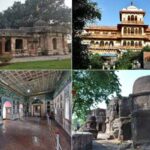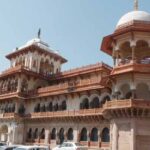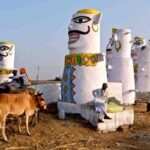

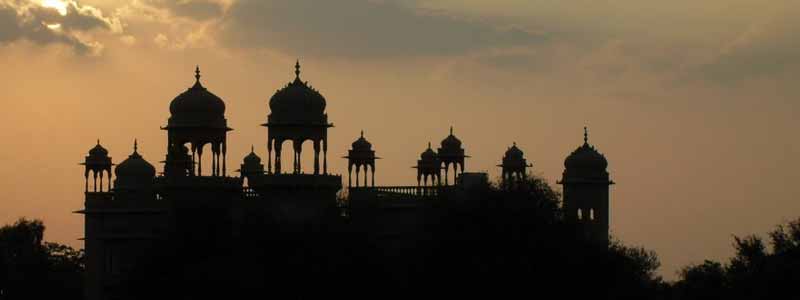

Jhalrapatan, meaning the “City of Bells” (or “Patan of the Jhalas”), is a historic walled town and municipality in the Jhalawar district of southeastern Rajasthan, India. It stands on the banks of the Chandrabhaga River, rooted in the ancient city of Chandravati, with relics dating back to the 6th and 7th centuries.
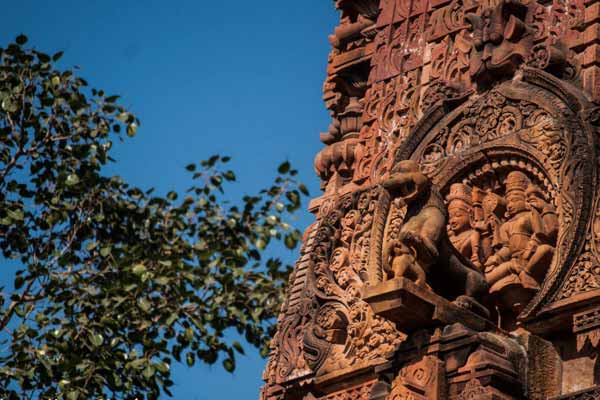
The modern town was founded in 1796 by Jhala Zalim Singh, the Dewan of Kota, who established it as a strategic cantonment. Its primary fame rests on its rich collection of ancient and medieval temples. The most notable is the majestic Sun Temple (Padmanabha Temple), a 97-foot-high structure built in the 10th century, renowned for its intricate carvings and architectural beauty.
Other significant religious sites include the ancient Chandrabhaga Temple complex and the 11th-century Shantinath Jain Temple. The town’s historical and architectural gems make it a key cultural destination in the Hadoti region.
Jhalrapatan: A Detailed Exploration of Its Attractions
Jhalrapatan, located just a few kilometers from Jhalawar city in Rajasthan, is widely known as the “City of Bells”—a name inspired by the countless temple bells that once echoed through its air. Rich in history, architecture, and culture, Jhalrapatan stands as one of the most remarkable heritage towns in the Hadoti region. Home to ancient temples, river ghats, stepwells, markets, and scenic surroundings, it offers a unique blend of spirituality and history intertwined with everyday life. This detailed account of Jhalrapatan’s attractions provides an in-depth understanding of why it remains a treasured destination for travelers, historians, and devotees.
1. Surya Mandir (Padmanabha Temple)
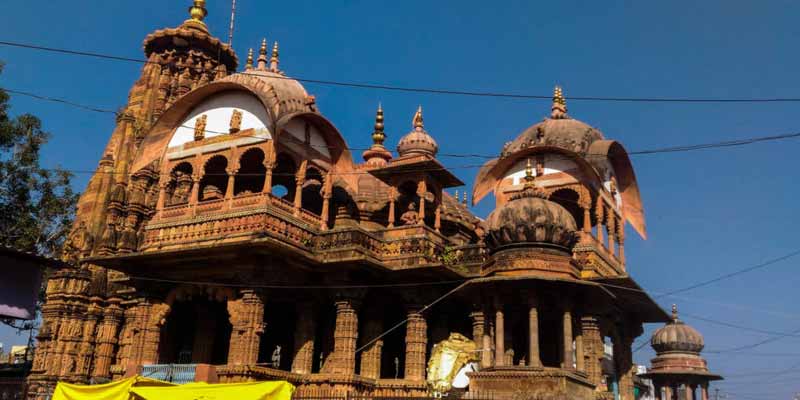
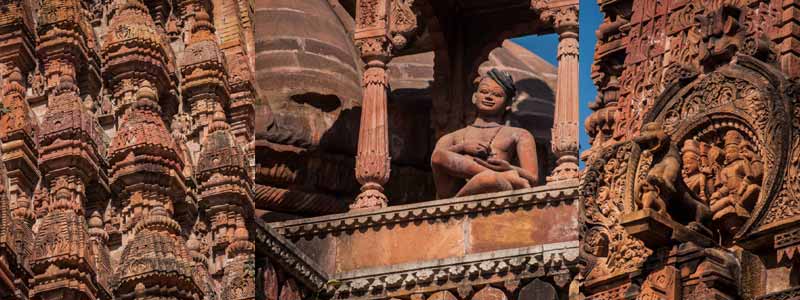
The Surya Mandir, or Padmanabha Temple, is undoubtedly the finest temple in Jhalrapatan. Dating back to the 10th century, this 97-foot high structure is dedicated to Lord Vishnu, though it is popularly known as the Sun Temple. Its unique Shikhara (spire) is a captivating amalgamation of miniature towers built in distinct layers, with the size of the supporting pillars decreasing with height. The temple showcases exquisite sculptures on its exterior walls, depicting various Hindu deities, surasundaris, and miniature scenes of common life. The columns and arches at the entrance are richly carved, adding to the temple’s artistic grandeur.
2. Chandrabhaga Temple Complex
Situated on the banks of the river that shares its name, the Chandrabhaga Temple Complex features a group of temples with beautifully carved pillars, decorative arches, and torans (gateways). The remains of the Chandramouleshwar Mahadeo Temple, dated to as early as 689 CE, offer one of the earliest insights into temple architecture in Rajasthan. This complex, though partly in ruins, evokes a powerful sense of history and spirituality, with various subsidiary shrines dedicated to deities like Kalika Devi, Vishnu, and Lakulisa. The ancient ghats leading down to the river complete the tranquil setting.
3. Shantinath Digambar Jain Temple
A significant religious site, the Shantinath Digambar Jain Temple is an 11th-century structure known for its fine carvings, sculptures, and wall murals. It is dedicated to the first Jain Tirthankar, Adinath, whose six-foot-tall statue in a sitting position resides in the garbhagriha (sanctum). The walls and ceilings are adorned with vibrant paintings, including scenes from the Ramayana, the lives of the Tirthankars, and moralistic depictions of punishments for sins, providing both a spiritual and artistic experience.
4. Shri Dwarkadheesh Temple
Built in 1796 AD by the city’s founder, Jhala Zalim Singh, the Dwarkadheesh Temple is a prominent center for Krishna devotion. Located on the banks of the Gomati Sagar Lake, the temple is known for its enthusiastic celebration of festivals like Annakut, Gorvardhan Puja, Holi, and Janmashtami, attracting countless devotees.
Best Time to Visit Jhalrapatan
The best time to visit Jhalrapatan is from October to March, when the weather is cool, pleasant, and ideal for exploring the town’s historic temples, river ghats, and bustling markets. During these months, temperatures range comfortably between 10°C and 25°C, making sightseeing enjoyable throughout the day. Winter festivals such as Diwali, Kartik Purnima, Makar Sankranti, and Shivratri add vibrant cultural charm, with beautifully decorated temples and lively local celebrations. October, just after the monsoon, is also a good time as the surroundings appear fresh and green. In contrast, the summer months from April to June are extremely hot and not recommended for travel, while monsoon brings humidity though the landscape becomes lush. Thus, winter remains the most favorable season.
How to Reach Jhalrapatan
Jhalrapatan, a historically rich town in Rajasthan’s Jhalawar district, is conveniently accessible via a combination of air, rail, and road transport.
By Air: The closest major international airport is the Jaipur International Airport (JAI), situated about 330 kilometers away. From Jaipur, travelers can take a train, bus, or hire a taxi to complete the journey. A closer option is Devi Ahilyabai Holkar International Airport (IDR) in Indore, approximately 235 kilometers away.
By Train: The nearest major railway station is Ramganj Mandi Junction (RMA), located about 25 kilometers from Jhalrapatan. This station provides strong connectivity to prominent cities like Delhi, Mumbai, and Jaipur. You can hire local taxis or auto-rickshaws from the station. The Jhalawar City Railway Station (JLWC) is another, smaller option.
By Road: The city is well-linked by National and State Highways. Regular government (RSRTC) and private bus services operate efficiently from key hubs, including Kota, Jaipur, and Indore, making road travel a flexible and practical choice.