Top 18 Historical Monuments in Delhi, the capital of India, is a treasure trove of historical monuments that reflect its rich and diverse past. The Red Fort, a UNESCO World Heritage Site, is an iconic symbol of India’s Mughal legacy and a key venue for national celebrations. Nearby, the Jama Masjid, one of the largest mosques in India, showcases stunning Islamic architecture.
Another UNESCO site, Humayun’s Tomb, is a beautiful example of Mughal garden tombs and a precursor to the Taj Mahal. Qutub Minar, the tallest brick minaret in the world, stands within the Qutub Complex, surrounded by ancient ruins.
Purana Qila (Old Fort) reveals layers of Delhi’s medieval history, while the Tughlaqabad Fort offers a glimpse into the 14th-century Tughlaq dynasty. Feroz Shah Kotla Fort and Safdarjung’s Tomb are other architectural gems that blend Persian and Indian styles.
These monuments not only capture Delhi’s evolution through centuries of dynasties and empires but also serve as cultural landmarks, drawing tourists, historians, and architecture lovers from around the world.
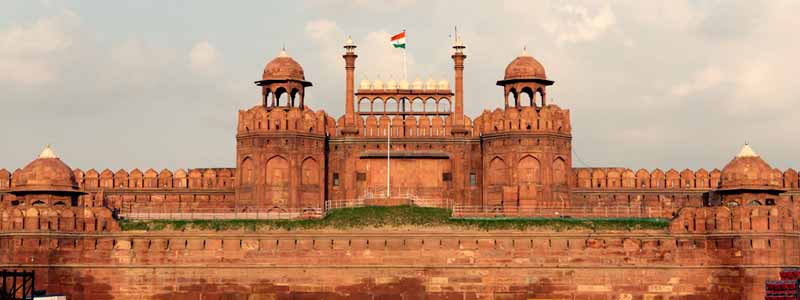
Red Fort (Lal Qila) – Iconic Mughal fort; UNESCO site.
The Red Fort (Lal Qila) in Delhi is one of India’s most iconic historical monuments and a UNESCO World Heritage Site. Built by Mughal Emperor Shah Jahan in 1638, the fort served as the main residence of the Mughal emperors for nearly 200 years. Constructed using red sandstone, it is an outstanding example of Mughal architecture, blending Persian, Timurid, and Indian styles.
Spread over 254 acres, the fort is surrounded by massive defensive walls and features grand halls, marble palaces, gardens, and mosques. Key structures inside include the Diwan-i-Aam (Hall of Public Audience), Diwan-i-Khas (Hall of Private Audience), Rang Mahal, and Mumtaz Mahal.
The Red Fort holds great national significance as the site where the Prime Minister of India hoists the national flag every year on Independence Day, August 15. With its rich history, stunning architecture, and cultural importance, the Red Fort is a must-visit attraction in Delhi.
Top 18 Historical Monuments in Delhi
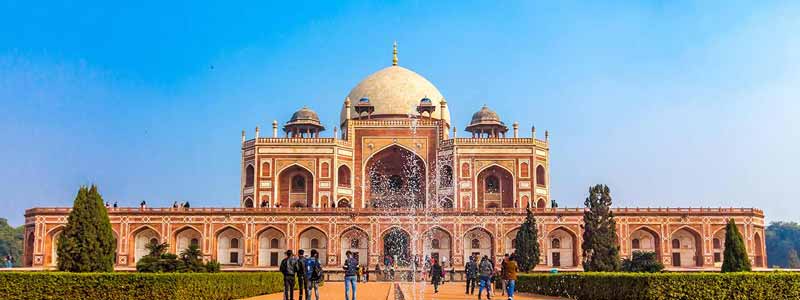
Humayun’s Tomb – A precursor to the Taj Mahal.
Humayun’s Tomb, located in Delhi, is one of the finest examples of Mughal architecture in India and a UNESCO World Heritage Site. Commissioned in 1569 by Empress Bega Begum, the widow of Mughal Emperor Humayun, it was designed by Persian architect Mirak Mirza Ghiyas. This magnificent structure marked a significant shift in Mughal architecture, blending Persian, Turkish, and Indian elements.
Set in the middle of a Persian-style charbagh (four-part garden), the tomb is built of red sandstone with white marble inlays, featuring a central dome and symmetrical layouts. It inspired later grand monuments, including the Taj Mahal.
Surrounded by lush gardens, fountains, and additional tombs of royal family members, the complex offers a serene atmosphere amidst the bustling city. Humayun’s Tomb is not just a mausoleum, but a celebration of art, architecture, and history, attracting tourists, photographers, and heritage enthusiasts from around the world.
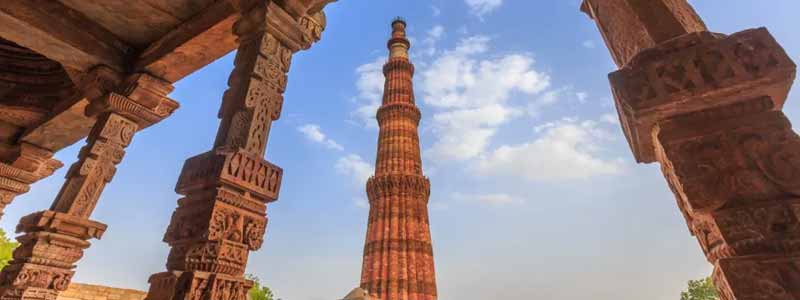
Qutub Minar, located in Mehrauli, Delhi, is one of India’s most iconic historical landmarks and a UNESCO World Heritage Site. Standing at 72.5 meters (238 feet), it is the tallest brick minaret in the world. Construction began in 1192 by Qutb-ud-din Aibak, the founder of the Delhi Sultanate, and was completed by his successors, including Iltutmish and Firoz Shah Tughlaq.
Built in red sandstone and marble, the minaret features intricate carvings and verses from the Quran. It has five distinct storeys, each marked by a projecting balcony and unique architectural design. The Qutub complex also includes other historical structures like the Iron Pillar of Delhi, known for its rust-resistant composition, and the Quwwat-ul-Islam Mosque, the first mosque built in India.
Qutub Minar stands as a symbol of the beginning of Muslim rule in India and is a popular tourist attraction that blends Indo-Islamic architecture with historical grandeur.
Top 18 Historical Monuments in Delhi
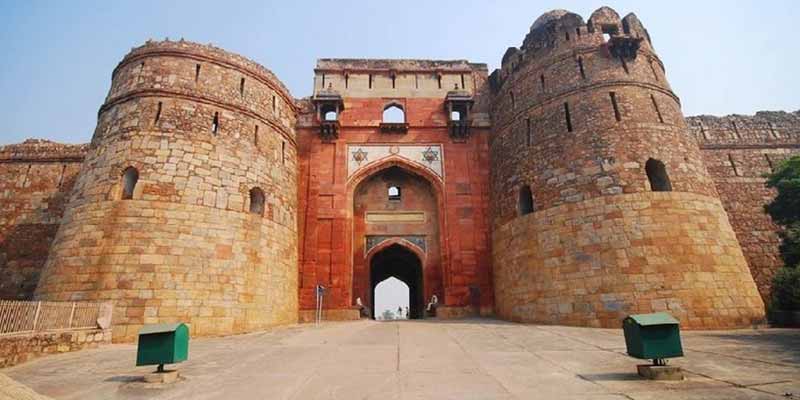
Purana Qila (Old Fort) – Ancient fort linked to Pandavas.
Purana Qila (Old Fort) is one of Delhi’s oldest and most historic forts, standing as a testament to the city’s ancient past. Built by Sher Shah Suri in the 16th century and later completed by Humayun, the fort is believed to be located on the site of the ancient city of Indraprastha, mentioned in the Mahabharata.
Constructed with massive sandstone walls and bastions, the fort features three majestic gateways—Bara Darwaza, Humayun Gate, and Talaqi Gate—each showcasing Indo-Islamic architecture. Inside the complex, notable structures include the Qila-i-Kuhna Mosque, known for its stunning calligraphy and marble work, and Sher Mandal, a two-storeyed octagonal tower used as a library by Humayun.
Today, Purana Qila is a popular heritage site and recreational spot. It also hosts evening sound and light shows that narrate Delhi’s history, making it a captivating destination for history buffs and tourists alike.
Top 18 Historical Monuments in Delhi
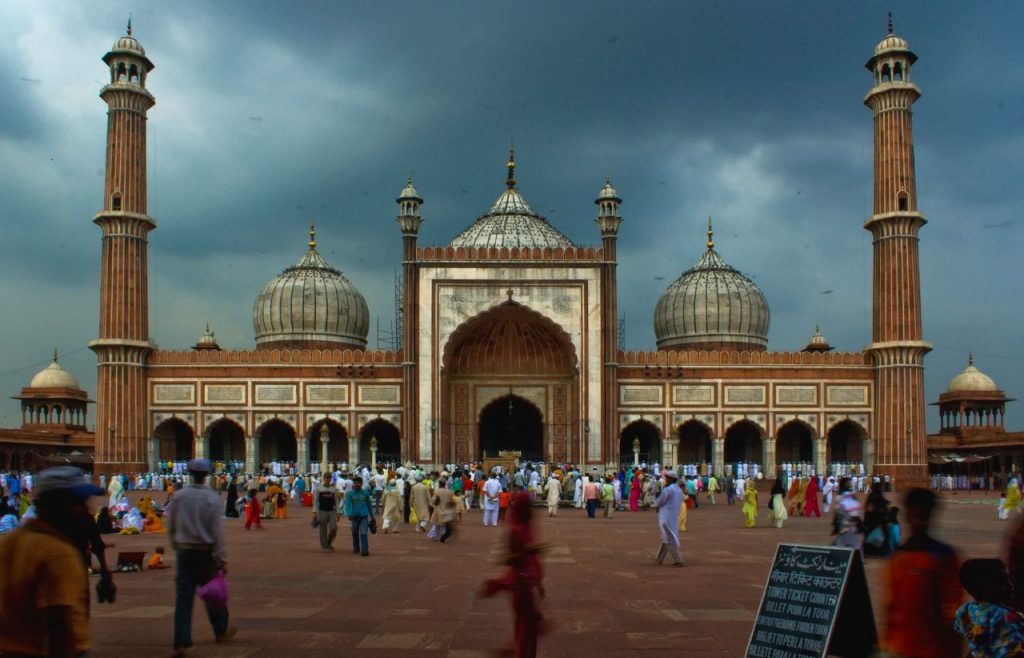
Jama Masjid – Largest mosque in India.
The Jama Masjid in Delhi is one of India’s largest and most famous mosques, built by the Mughal emperor Shah Jahan between 1650 and 1656. Located in the heart of Old Delhi, it is an architectural marvel of Mughal design, featuring a large courtyard, grand prayer hall, and a massive dome surrounded by two tall minarets. The mosque’s intricate red sandstone and white marble work is a striking example of Mughal craftsmanship.
The Jama Masjid can accommodate around 25,000 people during prayer times, making it one of the largest congregational mosques in India. Visitors can climb the southern minaret for panoramic views of the bustling streets of Chandni Chowk and Old Delhi.
As a significant religious and historical landmark, the Jama Masjid not only serves as a place of worship but also stands as a testament to Delhi’s rich Mughal heritage and architectural beauty. It’s an essential stop for anyone visiting Delhi.
Top 18 Historical Monuments in Delhi
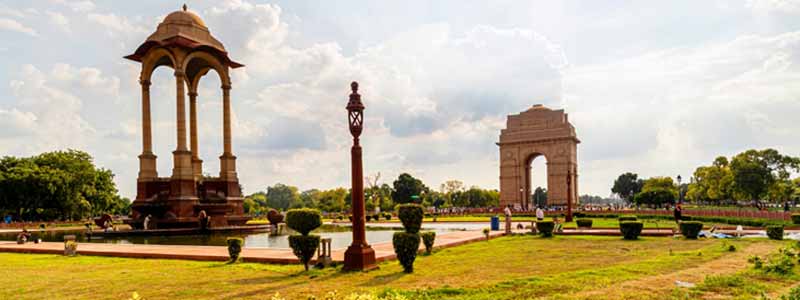
India Gate – WWI memorial arch.
India Gate is one of the most iconic landmarks in Delhi, India. Located at the heart of the city, it is a war memorial dedicated to the soldiers of the British Indian Army who died during World War I and the Afghan Wars. Designed by Sir Edwin Lutyens, the monument was completed in 1931 and stands at a height of 42 meters.
The arch is inscribed with the names of over 13,000 soldiers and features a flame, the Amar Jawan Jyoti, which was added in 1971 to honor soldiers who lost their lives in the Indo-Pakistani War. The structure is made of sandstone and granite, with an eternal flame at its base, symbolizing the sacrifice of the soldiers.
India Gate is a popular spot for locals and tourists alike, especially during the evenings when the monument is beautifully lit, and the surrounding gardens become a vibrant place for relaxation and picnics.
Top 18 Historical Monuments in Delhi
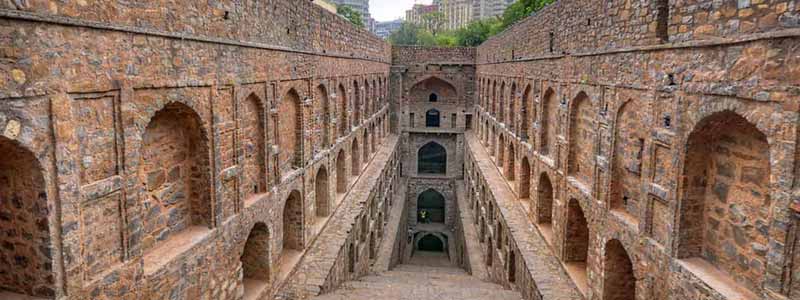
Agrasen ki Baoli – Ancient stepwell in Connaught Place.
Agrasen ki Baoli is a historic step-well located in the heart of Delhi, near Connaught Place. Dating back to the 14th century, it is believed to have been built by the legendary Agrasen, a mythical figure from Hindu lore, though it was later restored during the reign of the Tughlaq dynasty. The Baoli is a unique architectural structure, featuring a series of step-wells that descend deep into the ground, providing water during the harsh summers.
The Baoli consists of 108 steps and three levels, flanked by arched walls on either side. The cool, shaded atmosphere inside offers a respite from Delhi’s scorching heat. Over the years, Agrasen ki Baoli has gained popularity due to its stunning architecture, historical significance, and eerie aura, making it a popular spot for photographers, history enthusiasts, and those seeking a quiet retreat in the bustling city.
It’s also known for its occasional appearance in movies and urban legends.
Top 18 Historical Monuments in Delhi
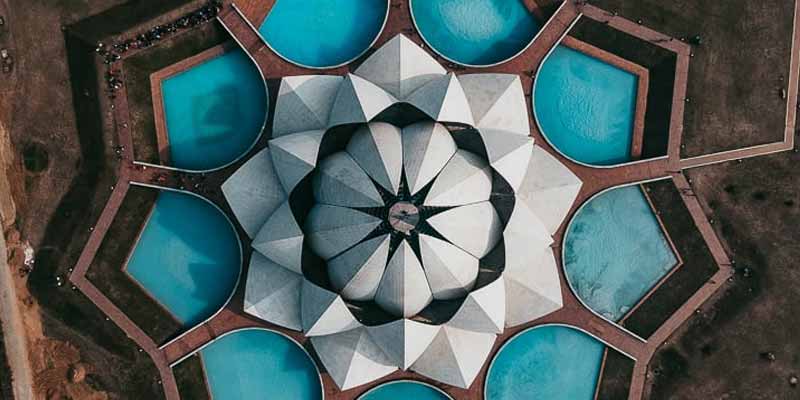
Lotus Temple – Baháʼí House of Worship.
The Lotus Temple, located in Delhi, is a stunning architectural marvel known for its unique lotus flower-shaped design. Completed in 1986, it serves as the Bahá’í House of Worship, welcoming people of all faiths to meditate, reflect, or pray in peace. The temple is surrounded by lush gardens, with 27 white marble petals forming the shape of a lotus. The design symbolizes unity, peace, and the commonality of all religions.
The central prayer hall, with no idols or rituals, provides a serene atmosphere for visitors. The temple is not just an architectural wonder but also a symbol of harmony and inclusiveness, aligning with the Bahá’í faith’s core belief of unity among all people.
It is one of the most visited buildings in the world, drawing millions of visitors annually. The Lotus Temple is a must-see for those exploring Delhi’s spiritual and cultural landmarks.
Tughlaqabad Fort – Massive fort from the Tughlaq dynasty.
Tughlaqabad Fort is a historic fort located in the southeastern part of Delhi, built by Sultan Ghiyas-ud-Din Tughlaq in the 14th century. It was the seat of the Tughlaq dynasty and remains one of the most imposing and mysterious historical sites in the city. The fort’s construction was part of Tughlaq’s plan to establish a new capital, but due to its unfortunate and sudden abandonment, it remains largely in ruins.
The fort’s architecture features large, robust stone walls, watchtowers, and several gates, including the impressive main entrance. The strategic location of the fort on a rocky hill offers stunning views of the surrounding area. Visitors can still see remnants of the royal palace, barracks, and mosques within the fort complex. The fort is also associated with various legends and superstitions, with some locals believing that it is haunted.
Tughlaqabad Fort is a fascinating site for history enthusiasts and architectural lovers.
Feroz Shah Kotla – Ancient ruins with Ashokan Pillar.
Feroz Shah Kotla is a historic fort complex located in central Delhi, built by Sultan Feroz Shah Tughlaq in the 14th century. The fort is known for its impressive architecture, with ruins that provide insights into the grandeur of the Tughlaq dynasty. It features several structures, including a mosque, baoli (step-well), and a large, imposing stone pillar.
The Ashokan Pillar at Feroz Shah Kotla is one of the major attractions, an ancient pillar originally erected by Emperor Ashoka in 3rd century BCE. The pillar is inscribed with edicts in the Brahmi script and has historical significance, offering a glimpse into India’s early history.
Feroz Shah Kotla is also famous for its association with mysticism and spiritual significance. On certain days, locals and visitors offer prayers and lit candles at the fort, believing it to be a place of supernatural power. The fort remains an important site for history and culture enthusiasts.
Safdarjung’s Tomb – Ornate garden tomb of a Nawab.
Safdarjung’s Tomb is a stunning Mughal-era mausoleum located in Delhi, built in 1754 for Safdarjung, the viceroy of Oudh under the Mughal Empire. This tomb is an example of late Mughal architecture, characterized by intricate carvings, detailed stucco work, and expansive gardens.
The tomb’s design closely resembles the famous Humayun’s Tomb, featuring a central dome surrounded by four smaller domes, and an impressive gateway. The tomb sits amidst well-maintained gardens, with water channels and fountains, showcasing the Mughal love for Persian-style gardens.
The structure is constructed using sandstone, marble, and other materials, giving it a majestic appearance. The tomb is known for its beautiful symmetry and elegance, making it a popular tourist spot in Delhi.
Though not as famous as other monuments in the city, Safdarjung’s Tomb stands as a testament to the grandeur of the Mughal era and offers a peaceful retreat from the bustling city life.
Hauz Khas Complex – Medieval madrasa and tombs.
The Hauz Khas Complex in Delhi is a historical site that combines medieval Islamic architecture with natural beauty. Located in the Hauz Khas Village, the complex includes the Hauz Khas Lake, a reservoir built in the 14th century during the reign of Ala-ud-Din Khilji. The lake, once crucial for water supply, adds a serene charm to the area.
Within the complex, visitors can explore the tombs of rulers from the Delhi Sultanate, including the tomb of Firoz Shah Tughlaq, the founder of the Tughlaq dynasty. The mosque within the complex showcases intricate Mughal-style architecture.
The area around the complex has been transformed into a vibrant cultural hub, with cafes, art galleries, boutiques, and shops. The blend of historic monuments, green spaces, and modern urban life makes Hauz Khas a unique destination in Delhi, offering both a glimpse into India’s past and a lively contemporary atmosphere.
Lodhi Gardens Tombs – Scattered tombs from Lodhi dynasty.
Lodhi Gardens in Delhi is a serene historical park that houses several important tombs from the 15th century, representing the Lodhi dynasty’s architectural legacy. The gardens are a blend of nature and history, making them a popular spot for locals and tourists alike.
Key tombs include the Tomb of Sikandar Lodhi, the most prominent, which serves as the tomb of the Sultan of Delhi, Sikandar Lodhi. The Tomb of Mohammad Shah, another major structure, is equally impressive with its simple, yet elegant, design. The Sheikh Nabi Tomb and the Bara Gumbad are also significant, reflecting the Lodhi dynasty’s love for Persian-inspired architecture.
These tombs are set within lush greenery, making the gardens not only a historical site but also a peaceful retreat for picnics, joggers, and photography enthusiasts. The tombs, combined with the vibrant surroundings, make Lodhi Gardens a beautiful reflection of Delhi’s rich architectural history.
Rashtrapati Bhavan is the official residence of the President of India, located at the western end of Rajpath in New Delhi. Designed by British architect Edwin Lutyens, it is an architectural masterpiece that blends Indian, Mughal, and Western styles. The building’s most striking feature is its dome, inspired by the Buddhist stupa at Sanchi, symbolizing unity and strength.
The Rashtrapati Bhavan complex consists of 340 rooms, including the Presidential Palace, the Mughal Gardens, and the Office of the President. The Central Hall is where the President administers oaths of office to the Prime Minister and other key government officials.
The building is open to the public for guided tours, which take visitors through the grand Durbar Hall, the Museum, and the beautifully landscaped gardens. It is also the site of important national events, including the Republic Day celebrations and official ceremonies.
Parliament House (Sansad Bhavan) – Icon of Indian democracy.
The Parliament House (Sansad Bhavan) in Delhi is one of India’s most iconic and significant buildings. Designed by British architects Sir Edwin Lutyens and Sir Herbert Baker, it was inaugurated in 1927. The building, which houses the Indian Parliament, is located in the heart of New Delhi, near the Rashtrapati Bhavan and India Gate.
The Parliament House is a circular structure, symbolizing the unity and integrity of the nation. It features a blend of traditional Indian and Western architectural styles, with 144 columns supporting the structure. The building’s design is inspired by ancient Indian temples and palaces, showcasing intricate craftsmanship.
The central dome, surrounded by a colonnaded veranda, is the architectural highlight. It accommodates both houses of Parliament – the Lok Sabha (House of the People) and the Rajya Sabha (Council of States). The Parliament House is a hub of political activity and a symbol of India’s democracy. Visitors can tour the building with prior permission.
Akshardham Temple – Modern temple with ancient artistry.
Akshardham Temple in Delhi, also known as the Akshardham Swaminarayan Temple, is a stunning cultural and spiritual landmark. Located on the banks of the Yamuna River, it was opened in 2005 and is dedicated to Bhagwan Swaminarayan. The temple’s central feature is the majestic idol of Swaminarayan, which is surrounded by intricately carved pillars and stunning architectural designs.
The temple complex includes the Yagnapurush Kund, the largest stepwell in the world, and the Yatra, a boat ride that takes visitors through India’s historical and spiritual journey. The temple also showcases exhibitions like “Hall of Values” and “Neelkanth Darshan,” highlighting the cultural heritage and teachings of Swaminarayan.
The temple’s serene atmosphere, beautiful gardens, and grandeur make it a must-visit destination for tourists and devotees alike. Akshardham is not just a religious site but also a celebration of India’s art, culture, and spirituality.
ISKCON Temple – Vibrant spiritual center.
The ISKCON Temple in Delhi, located in the heart of the city at Hare Krishna Hill in the Sant Nagar area, is a vibrant and spiritually significant center. Officially known as the Sri Sri Radha Parthasarathi Temple, it is dedicated to Lord Krishna and his consort Radha. Established in 1998, the temple complex offers visitors a peaceful atmosphere for prayer, meditation, and spiritual reflection. The architecture of the temple is grand, featuring intricate carvings and a stunning central dome.
The ISKCON Delhi temple is renowned for its devotional services, including daily Aartis (rituals) and Bhagavad Gita discourses. The temple also organizes cultural programs, festivals, and educational activities that promote the teachings of Lord Krishna. The temple’s community kitchen, known as the “Annamrita” program, provides free meals to thousands of underprivileged children. It is a must-visit destination for devotees, tourists, and those interested in experiencing the rich spiritual heritage of India.
Gurudwara Bangla Sahib – Historic Sikh shrine.
Gurudwara Bangla Sahib, located in the heart of New Delhi, is one of the most prominent Sikh Gurudwaras in India. It is dedicated to Guru Hari Singh Ji, the eighth Sikh Guru. The Gurudwara is renowned for its beautiful architecture, a large sarovar (holy pond), and its serene atmosphere. According to legend, the site was once a bungalow owned by Raja Jai Singh, a Maharaja of Amber, who offered the land to Guru Hari Singh Ji. The Guru is said to have meditated here, and the place became sacred to Sikhs.
The Gurudwara also serves free langar (community meal) to thousands of devotees and visitors daily, regardless of their background or faith. Visitors often take part in the prayers and rituals, which emphasize equality, service, and spirituality. The Gurudwara is a symbol of peace, unity, and devotion and attracts visitors from all over the world.