Ramdev Mela and Teja Mela Celebration in Rajasthan
rtp123
Ramdev Mela and Teja Mela Celebration in Rajasthan is famous for its colorful festivals, traditional fairs, folk music, and deep-rooted cultural traditions. Among its popular religious gatherings, Ramdev Mela and Teja Mela hold a special place in the hearts of local communities and visitors. These fairs provide a wonderful opportunity to experience Rajasthan’s spiritual atmosphere and vibrant rural culture.
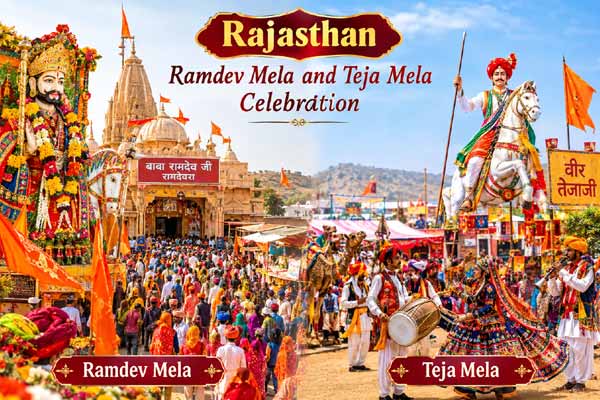
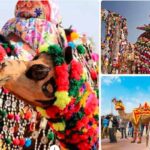
Ramdev Melais associated with Baba Ramdevji, a revered folk deity of Rajasthan. The major fair is held at Ramdevra near Pokaran in Jaisalmer district, attracting large numbers of devotees from Rajasthan and neighboring states. During the fair, pilgrims visit the Ramdevra temple to offer prayers and seek blessings. The surroundings become lively with devotional songs, bhajans, folk performances, colorful stalls, and traditional food. Visitors can also explore handicrafts, clothes, religious items, and local products sold during the festival.
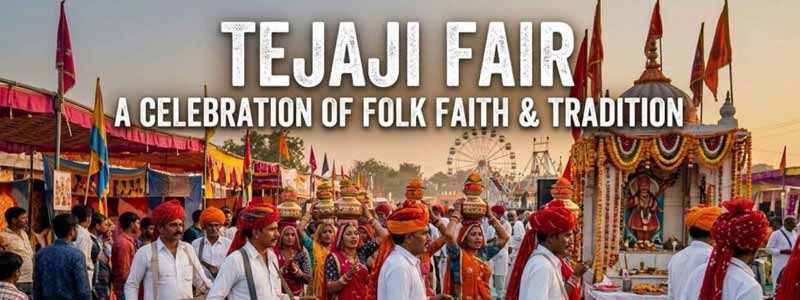
Teja Mela is celebrated in honor of Veer Tejaji, one of Rajasthan’s respected folk heroes. Tejaji is remembered for his courage, commitment, and protection of cattle. Teja Melas are organized at different places across Rajasthan, particularly in villages and towns where people have strong connections with his traditions. Devotees gather at temples dedicated to Tejaji, participate in religious ceremonies, and enjoy folk music and cultural activities.
Both fairs showcase the traditional spirit of Rajasthan beyond its famous forts and palaces. They bring together pilgrims, villagers, artists, traders, and tourists in a lively cultural environment. The colorful atmosphere, local traditions, devotional music, and traditional cuisine make these celebrations memorable experiences for travelers interested in Rajasthan’s heritage and rural culture.
If you are planning a Rajasthan holiday, visiting a local fair such as Ramdev Mela or Teja Mela can add an authentic cultural experience to your journey.
Ramdev Mela and Teja Mela Celebration in Rajasthan
Ramdev Mela Celebration in Rajasthan
Ramdev Mela is one of the most important religious fairs celebrated in Rajasthan, attracting thousands of devotees and visitors every year. The fair is held at Ramdevra, near Pokaran in Jaisalmer district, at the sacred shrine of Baba Ramdev Ji. Devotees from Rajasthan and different parts of India come here to offer prayers, participate in religious activities, and experience the traditional culture of the region. The atmosphere during the fair is filled with devotion, music, colorful decorations, and local traditions.
History and Importance of Ramdev Ji
Baba Ramdev Ji is a highly respected folk saint of Rajasthan. He is traditionally associated with the 14th–15th century and is remembered for his teachings about equality, devotion, and social harmony. People from different communities visit his shrine and consider him a spiritual figure who worked for the welfare of ordinary people.
The main temple at Ramdevra is believed to be the place where Baba Ramdev Ji took samadhi. The shrine is therefore an important pilgrimage destination. During the annual fair, the religious significance of Ramdevra becomes especially prominent as large numbers of devotees gather to pay their respects.
When Is Ramdev Mela Celebrated?
The annual Ramdevra Mela is generally organized during August–September, around the period of Bhadrapada according to the Hindu calendar. The exact dates change every year based on the lunar calendar. The fair usually continues for several days and reaches its most vibrant atmosphere around the important religious dates associated with Baba Ramdev Ji.
The weather can still be warm during this period because Ramdevra is located in the desert region of western Rajasthan. Visitors should therefore carry comfortable clothing, drinking water, sun protection, and suitable footwear.
Ramdev Mela and Teja Mela Celebration in Rajasthan
Teja Mela Celebration in Rajasthan
Teja Mela is a popular traditional fair celebrated in Rajasthan in honour of Veer Tejaji, one of the most respected folk heroes and deities of the region. The fair reflects the deep connection between Rajasthan’s rural communities, folk traditions, devotion, and local culture. People from villages and nearby towns gather to visit temples, offer prayers, enjoy folk performances, and take part in the colourful celebrations.
The festival is especially associated with Tejaji Maharaj, who is remembered for his courage, honesty, commitment, and devotion to his promise. Tejaji is also widely worshipped as a protector from snake bites. During Teja Mela, devotees visit temples dedicated to Tejaji and participate in religious ceremonies seeking blessings for health, happiness, and prosperity.
History and Importance of Tejaji
Veer Tejaji is an important figure in Rajasthan’s folk history. According to popular local traditions, he was born in the Nagaur region and became known for his bravery and strong sense of duty. Numerous folk stories describe his life, courage, and promise to help others.
The story of Tejaji is particularly connected with a snake. According to folklore, while fulfilling a promise, Tejaji encountered a snake that had been injured. Despite his own injuries, he kept his word and allowed the snake to bite him. Because of this story, devotees came to associate Tejaji with protection against snake bites.
Over generations, his story has become an important part of Rajasthan’s oral traditions. Folk singers and performers continue to share stories about his life through songs, devotional performances, and local cultural programmes.
When Is Teja Mela Celebrated?
Teja Mela is generally held around Teja Dashami, which falls on the tenth day of the bright half of the Hindu month of Bhadrapada. The exact Gregorian date changes each year according to the Hindu lunar calendar.
The celebrations can continue for several days, depending on the location. Some towns and villages organise large fairs around their Tejaji temples, attracting devotees as well as visitors interested in experiencing traditional Rajasthan.
One of the well-known celebrations takes place in Parbatsar, in Nagaur district. The Parbatsar Teja Mela is traditionally associated with Tejaji and is known for its large gathering, religious activities, livestock trading, cultural programmes, and rural atmosphere.