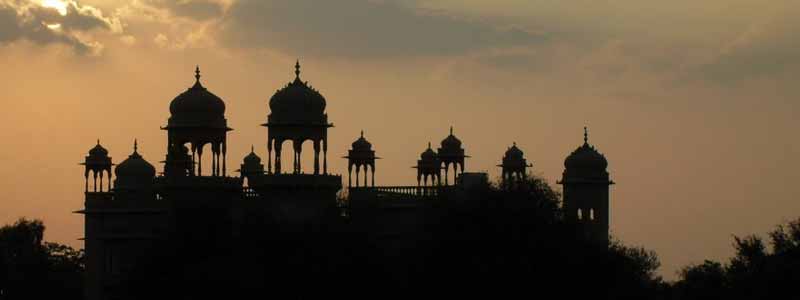
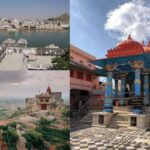
Brahma Temple of Pushkar: Complete Travel Guide is one of the most famous Hindu temples in Rajasthan and a significant pilgrimage destination in India. Located near the sacred Pushkar Lake, this ancient temple is dedicated to Lord Brahma, the Hindu god of creation. It is considered one of the very few temples in the world dedicated to Lord Brahma, making it an important religious and cultural landmark.
The temple is believed to have a history dating back several centuries, with its origins associated with Hindu mythology. According to legend, Lord Brahma performed a sacred yajna (fire ritual) at Pushkar, and the town became a holy place. The temple is closely connected with the story of Goddess Savitri and the creation of Pushkar Lake. Devotees visit the temple throughout the year to offer prayers and seek blessings for peace, prosperity, and happiness.
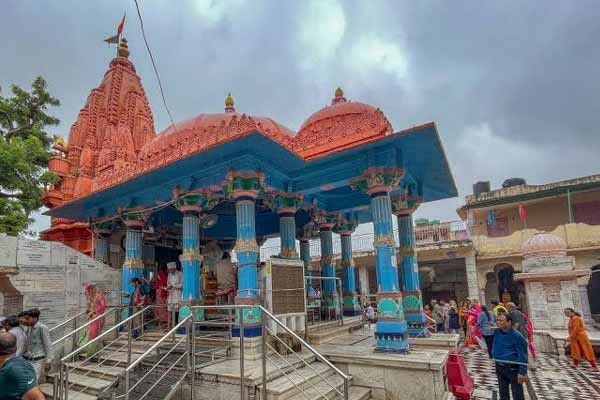
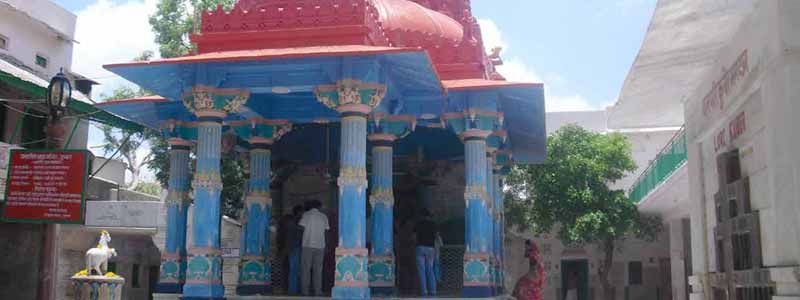
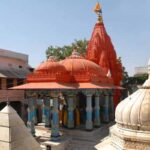
The architecture of the Brahma Temple is simple yet impressive, featuring a distinctive red spire, marble steps, and a beautiful entrance. The temple houses an image of Lord Brahma with four faces, representing the four directions. The sacred idol is accompanied by Goddess Gayatri, who is worshipped as his consort. The temple’s peaceful atmosphere and spiritual significance attract pilgrims, history enthusiasts, and tourists from across India and abroad.
The best time to visit the Brahma Temple is from October to March, when the weather in Pushkar is pleasant. The temple becomes especially lively during the annual Pushkar Camel Fair, held around Kartik Purnima. Thousands of pilgrims gather to take a holy dip in Pushkar Lake and participate in religious ceremonies.
Visitors can also explore nearby attractions such as Pushkar Lake, Savitri Temple, and the vibrant local markets. The Brahma Temple is easily accessible from Ajmer and Jaipur, making it an ideal destination for a spiritual day trip. Its religious importance, fascinating legends, and peaceful surroundings make it a must-visit attraction in Pushkar, Rajasthan.
The Brahma Temple in Pushkar, Rajasthan, is one of the most famous Hindu temples dedicated to Lord Brahma, the creator of the universe according to Hindu mythology. Situated near the sacred Pushkar Lake, this ancient temple is an important pilgrimage destination for devotees from across India and abroad. It is widely regarded as one of the very few prominent temples dedicated to Lord Brahma in the world.
The temple is believed to have a history dating back several centuries and is closely associated with the legend of Lord Brahma performing a sacred yajna (religious fire ritual) at Pushkar. According to Hindu mythology, the Pushkar Lake was formed when a lotus flower fell from Lord Brahma’s hand.
The temple features beautiful architectural elements, a distinctive red-coloured spire, marble steps and a peaceful spiritual atmosphere. Inside the main shrine, devotees worship Lord Brahma along with Goddess Gayatri and other deities. The temple is especially crowded during Kartik Purnima, when thousands of pilgrims visit Pushkar to take a holy dip in Pushkar Lake and offer prayers.
Located in the heart of Pushkar town, the Brahma Temple is an essential attraction for anyone visiting Rajasthan. Its religious importance, mythological background and traditional architecture make it a significant landmark in Pushkar tourism.
Location: Pushkar, Ajmer district, Rajasthan, India. Best time to visit: October to March. Nearby attraction: Pushkar Lake.
2. History of Brahma Temple Pushkar
The Brahma Temple is an ancient religious site with a history connected to Hindu mythology and centuries of temple worship. The present structure has undergone several repairs and reconstructions over time.
According to historical records, the temple was renovated during different periods, including the 18th and 19th centuries. An inscription associated with the temple refers to repairs during the reign of Sawai Jai Singh.
Tradition also connects the temple with Adi Shankaracharya, who is believed to have renovated the shrine during the 8th century. The temple’s long history and continued religious importance have made it one of the most significant pilgrimage sites in Pushkar.
The temple is protected as a monument of historical importance, and its architectural features reflect the religious and cultural heritage of Rajasthan.
3. Mythological Story of Brahma Temple
According to Hindu mythology, Lord Brahma once performed a sacred yajna, or fire ritual, at Pushkar.
During the ritual, a lotus flower associated with Lord Brahma fell to the earth. At the places where its petals touched the ground, sacred water emerged, forming three lakes. The main lake became known as Pushkar Lake.
Another popular legend explains why Lord Brahma is worshipped at Pushkar.
It is believed that Lord Brahma wished to perform a yajna at Pushkar, but his wife Goddess Savitri arrived late. To complete the ritual at the appropriate time, Brahma married Goddess Gayatri and performed the yajna with her.
Angered by this act, Goddess Savitri cursed Lord Brahma that he would receive worship in very few places on earth. Pushkar became the principal place where his worship continued.
These stories are part of Hindu religious tradition and explain the sacred importance of Pushkar and its Brahma Temple.
4. Religious Significance of Brahma Temple
Lord Brahma is considered the creator of the universe in Hinduism and is one of the three principal deities of the Hindu Trimurti, along with Lord Vishnu and Lord Shiva.
The Brahma Temple of Pushkar is particularly important because dedicated temples to Lord Brahma are uncommon.
Devotees visit the temple to seek blessings for prosperity, peace, spiritual growth and the well-being of their families. Many pilgrims also visit Pushkar Lake before offering prayers at the temple.
A pilgrimage to Pushkar is considered especially sacred during the Hindu month of Kartik, when devotees gather for religious ceremonies and holy bathing.
5. Architecture of Brahma Temple Pushkar
The Brahma Temple features traditional Hindu temple architecture with distinctive Rajasthani elements. It stands on a raised platform and is approached by a flight of steps.
Its architectural highlights include: – Red Shikhara: The temple’s tall red pinnacle is one of its most recognizable features. – Marble construction: Marble and stone are used throughout the temple complex. – Four-faced idol: The main shrine houses a four-faced image of Lord Brahma. – Silver decorations: Silver coins and decorative elements can be seen within the temple. – Hamsa motif: The swan or goose, associated with Lord Brahma, appears in the temple’s decoration. – Pillared hall: The mandapa provides space for devotees to gather and offer prayers.
The temple’s compact design and sacred atmosphere distinguish it from many larger temple complexes in Rajasthan.
6. Main Attractions Inside Brahma Temple
Four-Faced Idol of Lord Brahma :
The main attraction is the four-faced idol of Lord Brahma, known as Chaturmukha Brahma. The four faces are traditionally associated with the four directions and the four Vedas.
The deity is depicted seated on a lotus, symbolizing creation and purity. Goddess Gayatri and Goddess Savitri :
The temple is associated with Goddess Gayatri, who is connected with the legend of Brahma’s yajna at Pushkar. Goddess Savitri, his traditional consort, has a separate temple on a hill overlooking Pushkar.
Silver Turtle : A silver turtle is an important feature of the temple’s interior. The turtle is associated with religious symbolism and is considered sacred.
Red Temple Spire :
The red shikhara is visible from different parts of Pushkar and is one of the most recognizable landmarks in the town.
7. Brahma Temple Pushkar Timings
The Brahma Temple in Pushkar generally remains open to devotees from 6:00 AM to 9:00 PM. During summer, the temple may follow separate morning and evening darshan sessions, with a break in the afternoon. In winter, visiting hours may vary slightly depending on local arrangements and religious ceremonies. Early morning and evening are ideal times to visit for peaceful darshan and prayers. During festivals such as Kartik Purnima, the temple attracts large crowds, so visitors should plan their visit accordingly. Timings may change on special occasions.
8. Aarti at Brahma Temple Pushkar
Aarti is an important part of the temple’s daily religious activities. Devotees gather to offer prayers and witness the worship ceremonies.
The main aarti periods traditionally include: – Mangala Aarti: Early morning, before or around sunrise. – Sandhya Aarti: Evening, generally around sunset. – Shayan Aarti: Late evening, before the deity’s resting period.
Exact timings can change according to the season and temple schedule. Visitors wishing to attend aarti should check the timings at the temple.
9. Brahma Temple Pushkar Entry Fee
Visiting the Brahma Temple in Pushkar is generally free for all devotees and tourists. There is no standard entry fee for entering the temple and offering prayers to Lord Brahma. However, visitors may need to pay separately for shoe storage, special पूजा offerings or other religious services, if applicable. Donations are voluntary. The temple can become crowded during weekends, festivals and Kartik Purnima. Visitors are advised to dress modestly, follow temple rules and check locally for any changes in entry arrangements before visiting.
10. Best Time to Visit Brahma Temple Pushkar
The best time to visit Brahma Temple is from October to March, when the weather in Rajasthan is generally pleasant. October to March : The cooler weather makes sightseeing and temple visits comfortable. This is also the most popular tourist season in Pushkar. Kartik Month and Kartik Purnima : The Hindu month of Kartik, usually falling in October or November, is considered especially sacred. During this period, thousands of pilgrims visit Pushkar for religious activities.
Kartik Purnima is one of the most important occasions for visiting the Brahma Temple and Pushkar Lake. Summer Season : Summer temperatures in Pushkar can be very high. Visitors planning a summer trip should prefer early morning or evening darshan.
11. Pushkar Fair and Brahma Temple
The Pushkar Fair, also known as the Pushkar Camel Fair, is one of Rajasthan’s most famous cultural and religious events.
The fair takes place during the Hindu month of Kartik and attracts domestic and international visitors.
During this period, Pushkar becomes a major centre of religious activities, cultural performances, camel trading and traditional celebrations.
Many pilgrims visit the Brahma Temple and take a holy dip in Pushkar Lake during Kartik Purnima.
The fair is a particularly busy time to visit the temple, so visitors should plan their accommodation and transportation in advance.
12. Places to Visit Near Brahma Temple Pushkar
Pushkar is a beautiful pilgrimage town in Rajasthan, known for its sacred temples, peaceful ghats, colourful markets and religious traditions. After visiting the Brahma Temple, tourists can explore several nearby attractions that offer a glimpse of the town’s spiritual and cultural heritage.
1. Pushkar Lake: A sacred lake surrounded by 52 bathing ghats, popular for religious rituals and peaceful surroundings. 2. Savitri Mata Temple: Located on Ratnagiri Hill, this temple offers beautiful panoramic views of Pushkar town. 3. Rangji Temple: Famous for its beautiful South Indian and Rajput architectural styles. 4. Varaha Temple: An important Hindu temple dedicated to Lord Vishnu’s Varaha incarnation. 5. Gurudwara Sahib Pushkar: A peaceful Sikh religious place known for its spiritual atmosphere. 6. Pushkar Market: A lively shopping destination for Rajasthani handicrafts, traditional clothes, jewellery and souvenirs. 7. Pap Mochani Temple: A hilltop temple offering scenic views and a peaceful religious atmosphere.
These attractions make Pushkar an excellent destination for a one-day sightseeing trip, allowing visitors to enjoy its religious heritage, local culture and beautiful surroundings.
13. How to Reach Brahma Temple Pushkar
The Brahma Temple in Pushkar is easily accessible by road, rail and air. Pushkar is located approximately 15 km from Ajmer and is well connected to major cities of Rajasthan.
– By Road: Pushkar is connected to Jaipur, Ajmer, Jodhpur and other major cities by regular buses, taxis and private vehicles. Ajmer is the nearest major road transport hub. – By Train: Ajmer Junction is the nearest railway station, located around 15 km from Pushkar. From Ajmer, visitors can hire a taxi, auto-rickshaw or local bus to reach the temple. – By Air: Kishangarh Airport, approximately 45 km away, is a nearby airport option. Jaipur International Airport, around 150 km from Pushkar, offers better flight connectivity.
After reaching Pushkar town, visitors can easily walk to Brahma Temple, as it is situated near the main market and Pushkar Lake.
14. One-Day Pushkar Sightseeing Itinerary Including Brahma Temple
Pushkar is a beautiful pilgrimage town in Rajasthan, famous for its sacred temples, holy lake, colourful markets and spiritual atmosphere. A one-day Pushkar sightseeing tour allows visitors to explore its major attractions, starting with the famous Brahma Temple and covering other important religious and cultural landmarks.
6:30 AM – 7:30 AM: Pushkar Lake
Begin your day with a peaceful visit to the sacred Pushkar Lake. Enjoy the beautiful surroundings, morning prayers and traditional rituals at the ghats.
7:30 AM – 9:00 AM: Brahma Temple
Visit the famous Brahma Temple, dedicated to Lord Brahma. Offer prayers, admire its traditional architecture and learn about its religious significance.
9:00 AM – 10:00 AM: Varaha Temple
Visit this historic temple dedicated to Lord Vishnu’s Varaha incarnation. Admire its traditional carvings and peaceful religious atmosphere.
10:00 AM – 11:00 AM: Rangji Temple
Explore the beautiful temple known for its South Indian architectural influence, colourful entrance tower and distinctive design.
11:00 AM – 12:30 PM: Pushkar Local Market
Enjoy shopping at Sadar Bazaar and Main Market. Browse traditional Rajasthani handicrafts, jewellery, textiles, leather products and rose-based items.
12:30 PM – 2:30 PM: Lunch and Relaxation
Enjoy a delicious vegetarian Rajasthani meal at a local restaurant. Take some time to relax before continuing your sightseeing.
3:00 PM – 5:00 PM: Savitri Mata Temple
Visit the hilltop temple dedicated to Goddess Savitri. You can use the ropeway or climb the hill, depending on your preference. Enjoy panoramic views of Pushkar town and its surrounding landscape.
5:30 PM – 6:30 PM: Evening Aarti at Pushkar Lake
Return to the lake and attend the beautiful evening aarti at one of the main ghats. Enjoy the devotional atmosphere, temple bells and sunset views.
15. Travel Tips for Visiting Brahma Temple Pushkar
Visit early in the morning to avoid large crowds.
Carry a small amount of cash for voluntary donations and local purchases.
Keep valuables and unnecessary belongings at your hotel.
Wear comfortable clothing suitable for a religious place.
Follow temple rules regarding footwear and photography.
During Kartik Purnima and the Pushkar Fair, allow additional time for traffic and crowds.
Respect the religious customs followed around Pushkar Lake and its ghats.
16. Frequently Asked Questions About Brahma Temple Pushkar
1. Where is Brahma Temple located?
Brahma Temple is located in Pushkar town, Ajmer district, Rajasthan, India, near the sacred Pushkar Lake.
2. Who is worshipped at Brahma Temple?
The temple is dedicated to Lord Brahma, the Hindu god of creation.
3. What are the Brahma Temple timings?
The temple generally opens from 5:00 AM to 1:30 PM and 3:00 PM to 9:00 PM in summer. In winter, it usually opens from 6:00 AM to 1:30 PM and 3:00 PM to 8:30 PM. Timings may vary.
4. Is there an entry fee for Brahma Temple?
No. General darshan is generally free, although devotees may make voluntary donations.
5. Why is Brahma Temple famous?
It is famous for being one of the most prominent temples dedicated to Lord Brahma, its four-faced deity and its association with the sacred Pushkar Lake.
6. How much time is required to visit Brahma Temple?
Approximately 30–60 minutes is usually sufficient for a temple visit. Additional time may be required during festivals or when queues are long.
7. Can visitors take photographs inside the temple?
Photography is restricted in the temple, particularly in the inner sanctum. Visitors should follow the instructions displayed at the entrance.
8. What is the best time to visit Brahma Temple?
October to March is generally the best season. Early morning is recommended for comfortable weather and a relatively peaceful visit.
9. Is Brahma Temple near Pushkar Lake?
Yes. The temple is within walking distance of Pushkar Lake and its surrounding ghats.
10. Can Brahma Temple be visited with other Pushkar attractions?
Yes. Visitors can combine the temple with Pushkar Lake, Savitri Mata Temple, Varaha Temple, Rangji Temple and the local market in a one-day sightseeing tour.