An Honest Rajasthan Travel Guide: What to See & What to Skip
rtp123
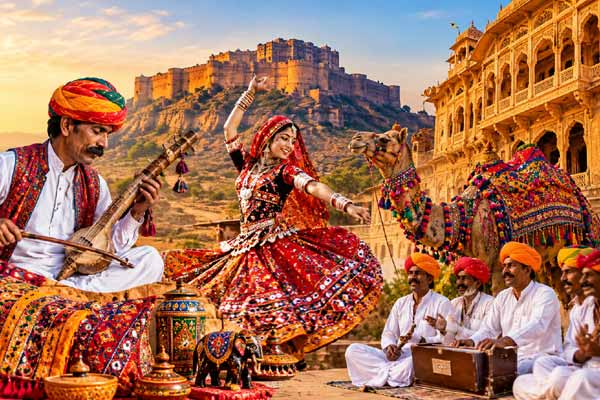
An Honest Rajasthan Travel Guide is one of India’s most iconic travel destinations, known for its royal heritage, vibrant culture, and dramatic landscapes. But an honest Rajasthan travel guide should go beyond the postcard beauty and help you understand what the journey really feels like. It’s a place of grand forts, colorful bazaars, desert sunsets, and warm hospitality—but also long travel distances, busy tourist spots, and extreme weather if you visit at the wrong time.
Cities like Jaipur, Jodhpur, and Udaipurform the classic travel route. Jaipur offers a mix of royal architecture and urban energy, Jodhpur brings a more rugged, traditional charm with its blue houses and massive fort, while Udaipur stands out for its peaceful lakes and romantic atmosphere. If you want a true desert experience, Jaisalmer adds golden landscapes and unforgettable dune sunsets.
The best time to visit is from October to March, when the weather is comfortable for sightseeing. Summers can be extremely hot, especially in desert regions, making travel tiring. Planning your route carefully is important, as Rajasthan is a large state and distances between cities can take several hours by road.
Food is another highlight, with dishes like dal baati churma and laal maas offering bold flavors. Shopping is equally rewarding, with handicrafts, textiles, and jewelry available in local markets.
The key to enjoying Rajasthan is to slow down. Instead of trying to see everything, focus on a few destinations and experience them fully. Rajasthan is not just about monuments—it’s about the atmosphere, the culture, and the moments that stay with you long after the trip ends.
Why Rajasthan Is Worth Visiting
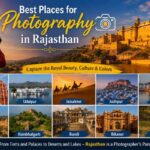
Rajasthan is unlike most other parts of India. Each city has its own identity. Jaipur feels royal and energetic. Udaipur feels romantic and peaceful. Jodhpur feels blue, historic, and strong. Jaisalmer feels dramatic, especially in the desert. Pushkar feels spiritual and relaxed. Bikaner has a quieter heritage charm. Mount Abu gives a cooler mountain break. Chittorgarh and Kumbhalgarh bring stories of courage and sacrifice.
The best part is that Rajasthan is not only about monuments. It is about atmosphere. You remember the sound of temple bells, the sight of camels on desert roads, the smell of fresh kachori in a market, the bright turbans, the carved havelis, and the feeling of standing in an ancient fort looking over a whole city.
Still, Rajasthan is not a place to rush. If you try to cover too much in too little time, the trip becomes tiring. The state is large, and travel between cities takes time. A good Rajasthan trip is one where you move steadily, not frantically.
How to Plan Your Rajasthan Trip
The biggest mistake many travelers make is trying to see every major destination in one short trip. Rajasthan is huge. Instead of chasing everything, choose a theme.
If you want royal architecture and city life, focus on Jaipur, Jodhpur, and Udaipur. If you want desert culture, choose Jaisalmer and Bikaner. If you want a spiritual and slow experience, include Pushkar and Mount Abu. If you love history and forts, add Chittorgarh and Kumbhalgarh. If you want a family-friendly mix, Jaipur, Udaipur, and Jodhpur are a good balance.
Travel times matter. A city may look close on a map, but the road journey can still take several hours. It is better to spend more time in fewer places than to spend your whole trip in a vehicle.
A comfortable Rajasthan itinerary for first-time visitors is usually 6 to 10 days. That gives you enough time to enjoy the main highlights without feeling constantly rushed.
What to Expect in Different Cities
An Honest Rajasthan Travel Guide
Jaipur – The Royal Introduction to Rajasthan
The capital city, Jaipur, is often the first stop—and rightly so. It offers a well-rounded introduction to Rajasthan’s architecture, culture, and energy.
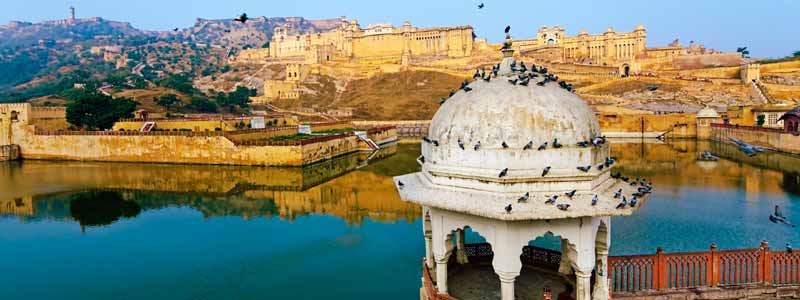
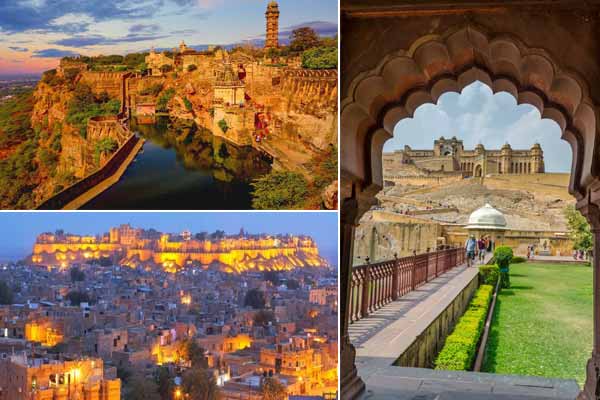
Start with Amber Fort. Arriving early in the morning is the best decision you can make here. The soft light, fewer crowds, and cooler weather transform the experience. The fort’s courtyards, mirror work, and hilltop views give you a true sense of Rajput grandeur.
Move into the city to explore City Palace Jaipur, where royal heritage blends with museum displays and elegant architecture. Nearby is Jantar Mantar, a UNESCO site that feels surprisingly modern despite its age.
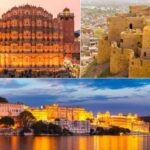
And of course, there is Hawa Mahal. It’s often crowded and mostly admired from the outside—but it’s still worth seeing once for its iconic honeycomb facade.
Honest tip: Jaipur can feel hectic. Plan your sightseeing early in the day and keep afternoons for shopping or relaxing. Trying to rush all sights in one day will only exhaust you.
An Honest Rajasthan Travel Guide
Jodhpur – The Blue City with Depth
Jodhpur feels more raw and atmospheric than Jaipur. It’s less polished—but often more memorable.
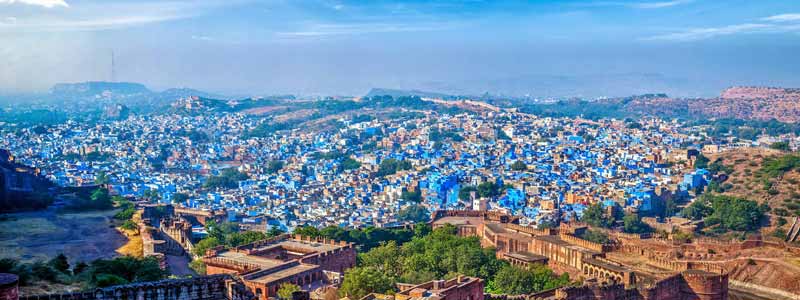
The highlight is Mehrangarh Fort, towering dramatically above the city. This is not just a fort—it’s an experience. The museum inside is excellent, and the views of blue houses below are unforgettable.
Just a short walk away is Jaswant Thada, a peaceful marble memorial that offers a quiet contrast to the fort’s grandeur.
Umaid Bhawan Palace is another must-see, though part of it is still a royal residence and luxury hotel. Even a short visit gives insight into Rajasthan’s more recent royal history.
Honest tip: The real charm of Jodhpur is in its old city lanes. Wander around the clock tower area, but be prepared for narrow streets and local chaos—it’s part of the experience.
An Honest Rajasthan Travel Guide
Udaipur – Lakes, Palaces, and Slow Travel
If Rajasthan has a softer side, you’ll find it in Udaipur. This is where you slow down.
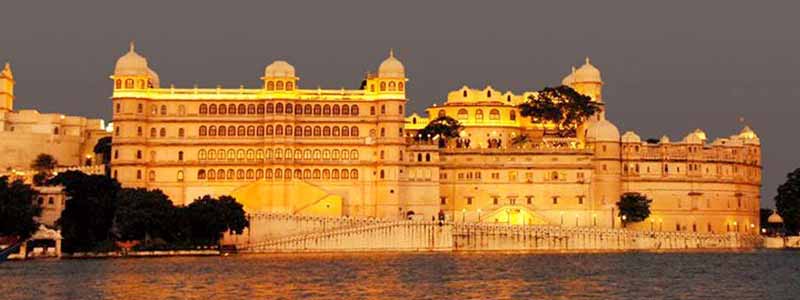
The heart of the city is Lake Pichola. A boat ride here—especially at sunset—is one of the most memorable experiences in Rajasthan.
Overlooking the lake is City Palace Udaipur, a vast complex of courtyards, balconies, and royal rooms. It’s easy to spend hours here.
You can also visit Jag Mandir, a beautiful island palace, and enjoy the calm atmosphere of Fateh Sagar Lake.
Honest tip: Udaipur is not about rushing from one attraction to another. Spend time at cafés, take in the views, and enjoy the city’s relaxed rhythm.
An Honest Rajasthan Travel Guide
Jaisalmer – The Golden Desert Experience
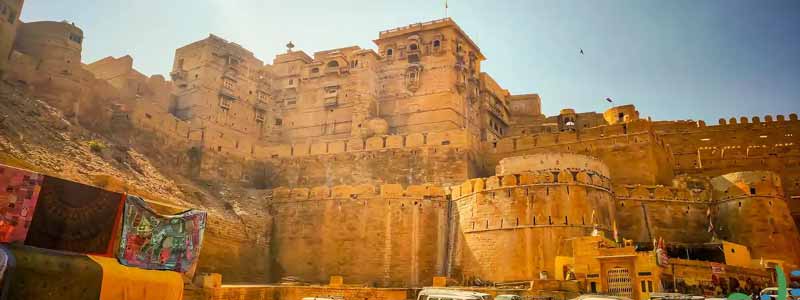
Jaisalmer feels almost unreal, especially at sunrise and sunset when the entire city glows golden.
The living fort, Jaisalmer Fort, is one of the few in the world where people still live. Walking through its narrow lanes feels like stepping back in time.
Outside the fort, explore Patwon Ki Haveli, known for its intricate carvings, and relax at Gadisar Lake.
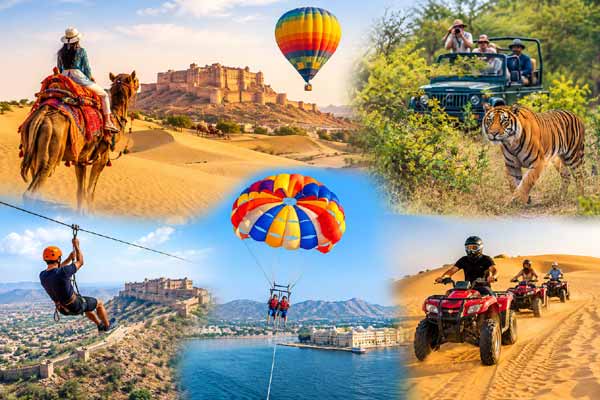
But the real highlight lies beyond the city—Sam Sand Dunes. Camel rides, desert sunsets, and cultural evenings under the stars create a truly magical experience.
Honest tip: Not all desert camps are equal. Choose carefully—location and authenticity matter more than flashy promises.
An Honest Rajasthan Travel Guide
Pushkar – Spiritual and Laid-back
Pushkar offers a completely different vibe—calm, spiritual, and easygoing.
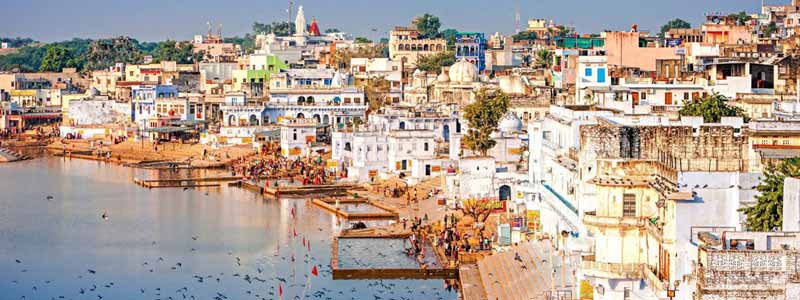
The sacred Pushkar Lake is the center of the town, surrounded by ghats and temples. The atmosphere here is peaceful, especially in the early morning.
The famous Brahma Temple is one of the very few dedicated to Lord Brahma in India.
Honest tip: Pushkar is small. You don’t need more than a day or two—but it’s a perfect break between bigger cities.
An Honest Rajasthan Travel Guide
Bikaner – Underrated and Rich in Heritage
Bikaner is often skipped—but that’s exactly why it’s worth considering.
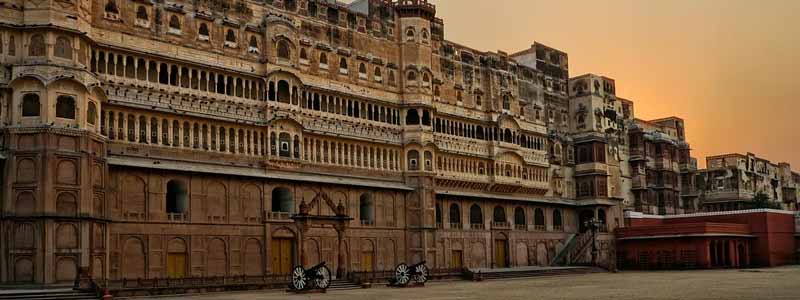
Junagarh Fort is one of the most impressive forts in Rajasthan, yet less crowded than others.
Nearby is Karni Mata Temple, also known as the “rat temple.” It’s unusual and not for everyone—but definitely unique.
Honest tip: Bikaner is quieter and less touristy, making it ideal if you want a more relaxed experience.
An Honest Rajasthan Travel Guide
Chittorgarh – The Symbol of Rajput Valor
Chittorgarh is all about history and sacrifice.
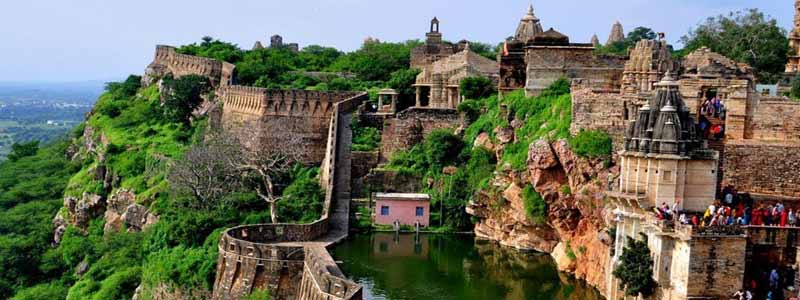
Chittorgarh Fort is विशाल and requires time to explore. Inside, you’ll find Vijay Stambh and Rani Padmini Palace, each tied to powerful stories of Rajput pride.
Honest tip: This is not a quick stop. If you’re interested in history, give it a full day.
Mount Abu – Rajasthan’s Only Hill Station
Mount Abu is Rajasthan’s only hill station—and a refreshing contrast to the desert.
The highlight is Dilwara Temples, known for incredibly detailed marble carvings.
Nakki Lake and nearby viewpoints offer scenic relaxation.
Honest tip: Visit Mount Abu only if it fits your route. It’s beautiful, but slightly out of the way compared to other destinations.
Food in Rajasthan
Rajasthan’s food is rich, spicy, and satisfying. But honest advice: it can also be heavy. If you are not used to spicy food, start slowly.
Popular dishes include dal baati churma, gatte ki sabzi, ker sangri, laal maas, kachori, mirchi vada, poha, ghevar, and local sweets like mawa kachori and rasgulla in some cities. Street food is tempting, but choose busy stalls with good turnover. Fresh food is usually the safest option.
Drink bottled or filtered water. Avoid taking unnecessary risks with ice and unverified drinks if your stomach is sensitive. Many travelers enjoy Rajasthan fully and eat almost everything, but the smart way is to balance taste with caution.
Shopping in Rajasthan
Shopping is one of the nicest parts of a Rajasthan trip. You will find handicrafts, textiles, jewelry, leather goods, silver items, miniature paintings, pottery, home decor, and traditional clothing.
Jaipur is especially famous for shopping. Jodhpur and Jaisalmer have excellent handicrafts. Udaipur has many attractive boutiques and art items. Pushkar offers bohemian-style shopping and local crafts.
The honest truth is that tourist markets often have inflated prices. Bargaining is common in many places, but do it politely. Compare shops before buying anything expensive. If an item claims to be handmade, ask about the material and origin. Some pieces are genuine local work; others are mass-produced souvenirs.
Best Time to Visit
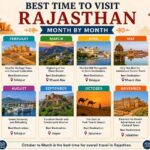
This is the most important practical point: Rajasthan is best visited in the cooler months, usually from October to March. During this time, sightseeing is much more comfortable, especially in cities like Jaisalmer, Bikaner, Jaipur, and Jodhpur.
Summer can be very harsh. In many areas, temperatures become extremely high, and daytime sightseeing becomes exhausting. If you travel in summer, you must plan early mornings, light clothing, plenty of water, and very careful hotel selection. Desert regions are especially difficult in peak heat.
Winter is ideal, but it also brings more tourists, especially in popular places like Jaipur, Udaipur, and Jaisalmer. Prices can rise around festivals, long weekends, and wedding season. So if you want a calmer trip, try to avoid peak holiday dates.
The monsoon season is less popular, but some places become beautiful in a different way. Udaipur, for example, looks especially lovely when the lakes are full and the air is fresh. However, weather can be unpredictable, so keep plans flexible.