Clock Tower and Sardar Market Jodhpur Travel Guide
rtp123
Clock Tower and Sardar Market Jodhpur Travel Guide are among the most popular tourist attractions in Jodhpur, Rajasthan. Located in the heart of the old city, these lively places offer visitors a glimpse of local culture, traditional shopping, and the everyday life of Jodhpur. The area is an important stop for travellers visiting the famous Blue City.
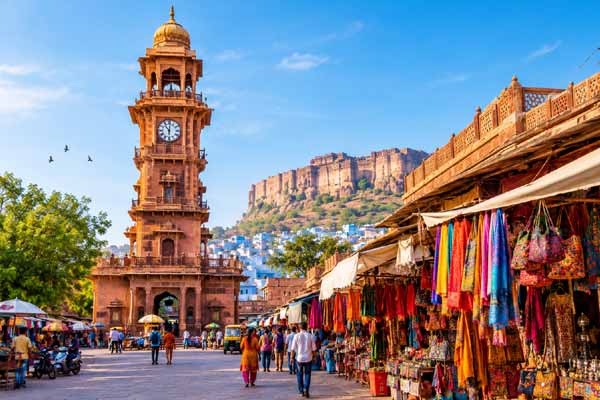
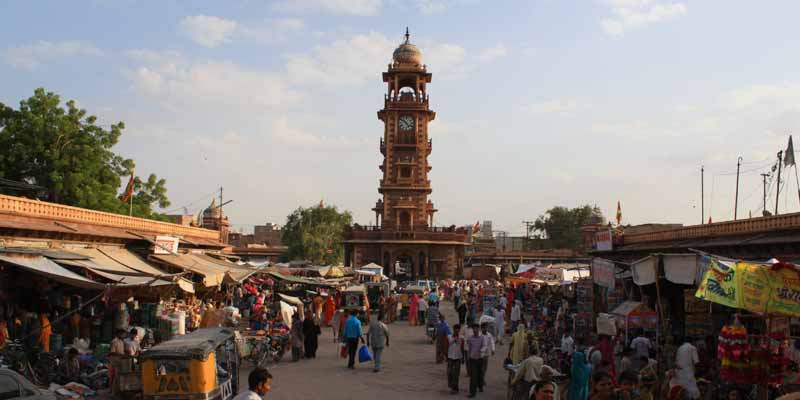
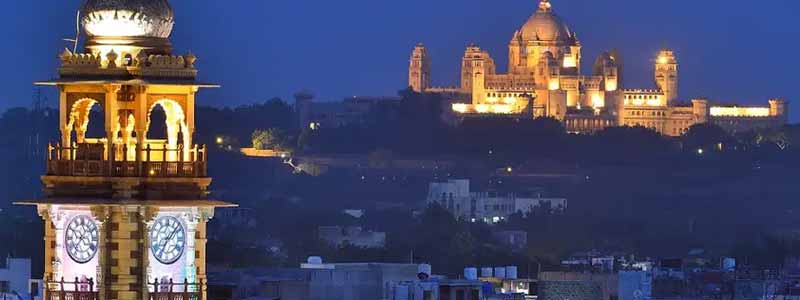
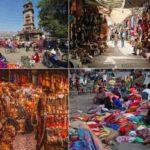
The Clock Tower, also known as Ghanta Ghar, is a historic landmark built during the reign of Maharaja Sardar Singh. Its impressive architecture and central location make it easy to recognise. The tower stands proudly above the busy streets and serves as a popular meeting point for locals and tourists. Visitors can admire the structure, take photographs, and enjoy the colourful atmosphere surrounding it.
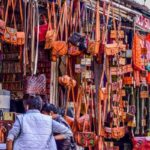
Just around the Clock Tower lies Sardar Market, a bustling traditional marketplace famous for its variety of local products. Travellers can shop for colourful Rajasthani textiles, handicrafts, embroidered fabrics, jewellery, spices, souvenirs, and traditional footwear. The market is also a wonderful place to purchase authentic Jodhpuri items and interact with local shopkeepers.
Food lovers can enjoy local snacks, sweets, and traditional Rajasthani flavours at nearby stalls and eateries. The narrow lanes, vibrant shops, and historic surroundings create an authentic shopping experience. Morning and evening visits are popular, although the market can become crowded during busy tourist seasons.
Clock Tower and Sardar Market Jodhpur are ideal for visitors interested in history, photography, shopping, and local culture. The attraction can easily be included in a Jodhpur sightseeing tour along with Mehrangarh Fort, Jaswant Thada, and other famous landmarks.
Whether you are visiting Jodhpur for a day or planning a longer Rajasthan holiday, this lively marketplace offers a memorable introduction to the city’s heritage and traditions.
The Clock Tower is one of the most recognisable historical structures in Jodhpur. It was built during the reign of Maharaja Sardar Singh, who ruled the former princely state in the late nineteenth and early twentieth centuries. The tower reflects the city’s historic character and remains an important part of its urban landscape.
Known as Ghanta Ghar in Hindi, the Clock Tower rises above the surrounding marketplace and provides a useful landmark for navigating the busy streets. Its traditional architectural appearance complements the historic buildings and narrow lanes nearby. Although the city has grown considerably over the years, the tower continues to represent the connection between Jodhpur’s past and present.
The surrounding neighbourhood has long served as a centre for trade and commerce. Local merchants sell goods that reflect the region’s craftsmanship, agricultural traditions, and cultural identity. Visiting the Clock Tower allows travellers to appreciate not only a historic monument but also the commercial life that has shaped the old city.
Visitors should remember that the Clock Tower and the marketplace are separate experiences. The tower is primarily a landmark to admire and photograph, while the surrounding market offers opportunities for shopping, food, and cultural exploration.
Ghanta Ghar Jodhpur
Exploring Sardar Market Jodhpur
Sardar Market is a lively traditional marketplace situated around the Clock Tower. It is one of the best places to observe local shopping traditions and find souvenirs associated with Rajasthan. The market’s colourful stalls and busy lanes provide a wonderful introduction to Jodhpur’s character.
As you walk through the market, you will find shops selling everything from everyday household products to decorative handicrafts. Traditional fabrics, embroidered items, silver-coloured jewellery, leather goods, pottery, and locally made souvenirs are among the products visitors may encounter.
The market is also known for its spices, including colourful varieties of chilli powder, turmeric, and other ingredients used in Rajasthani cooking. Their fragrance and vibrant colours add another dimension to the shopping experience.
Sardar Market is not simply a place for tourists. Local residents visit it to purchase daily necessities, clothing, food, and household items. This mixture of local commerce and tourism gives the market an authentic atmosphere.
For the best experience, take your time exploring the lanes rather than rushing from one shop to another. Observe the traditional displays, speak politely with shopkeepers, and compare prices before purchasing items. The market can become crowded, so keeping your belongings secure and remaining aware of your surroundings is advisable.
Jodhpur City
Best Things to Buy at Sardar Market
Shopping is one of the main reasons travellers visit Sardar Market. The variety of products makes it suitable for visitors looking for gifts, decorative items, traditional clothing, and local specialties.
Rajasthani textiles and clothing: The market offers colourful fabrics, printed materials, embroidered garments, scarves, and traditional clothing. Bandhani, a tie-dye textile tradition associated with Rajasthan and neighbouring regions, is especially popular among shoppers.
Handicrafts and souvenirs: Visitors can look for decorative wooden objects, small handicrafts, traditional ornaments, and items inspired by Rajasthani culture. These products make attractive gifts for friends and family.
Spices and local ingredients: The spice shops are worth visiting even if you are not planning to buy anything. Their colourful displays offer a glimpse into the flavours used in regional cuisine. If you purchase spices, choose properly packaged products suitable for your onward journey.
Jewellery and accessories: Traditional-style jewellery, bangles, necklaces, and decorative accessories are available in various designs and price ranges. Compare the materials, workmanship, and prices before making a purchase.
Traditional footwear and leather goods: Jodhpur is associated with distinctive footwear styles and leather products. Depending on the shop, visitors may find sandals, traditional shoes, bags, belts, and other accessories.
Local souvenirs: Small decorative pieces, textiles, and regionally inspired gifts are useful reminders of your visit to the Blue City.
Prices vary according to quality, materials, and craftsmanship. Bargaining may be possible in some shops, but it is best to remain friendly and respectful throughout the process.
A visit to Sardar Market is also an opportunity to enjoy Jodhpur’s food culture. The area has food stalls, sweet shops, and eateries where visitors can sample regional snacks and traditional dishes.
Mirchi vada is one of Jodhpur’s well-known snacks. It consists of a large chilli filled with a spiced potato mixture, coated in batter, and fried until crisp. It is often served hot with chutney.
Pyaaz kachori is another popular choice. This deep-fried pastry contains a flavourful onion filling seasoned with spices. It is commonly enjoyed as a breakfast snack or an afternoon treat.
Visitors with a sweet tooth can look for mawa kachori, a rich pastry filled with sweetened milk solids and often coated with sugar syrup. Other local sweets may also be available at traditional shops.
For a fuller meal, travellers can choose nearby restaurants serving dal baati churma, thali meals, and other Rajasthani dishes. Food availability and opening hours vary, so it is sensible to check locally.
Choose food vendors that maintain good hygiene and serve freshly prepared items. If you have dietary restrictions, ask about ingredients before ordering. During hot weather, drink safe water and avoid food that has been sitting uncovered for long periods.
Best Time to Visit Clock Tower and Sardar Market
The best time to visit Jodhpur is generally from October to March, when the weather is more comfortable for walking and sightseeing. Winter mornings and evenings are particularly pleasant for exploring the old city.
During summer, temperatures can become very high, making midday shopping uncomfortable. If you visit between April and June, plan your market walk for early morning or later in the afternoon, and carry drinking water.
The monsoon season, usually from July to September, can bring rain and increased humidity. Conditions vary from year to year, so checking the forecast before your trip is useful.
For a more relaxed visit, arrive in the morning when the streets may be less crowded. Late afternoon can also be a good time to enjoy the atmosphere and photograph the historic surroundings. However, individual shops follow different schedules, and some may open later or close during local holidays.
If you want to experience the market at its liveliest, visiting during busier hours can be enjoyable, although navigating the narrow lanes may take longer.
How to Reach Clock Tower and Sardar Market Jodhpur
Clock Tower and Sardar Market are located in the old city of Jodhpur and are accessible by local transport.
By air: Jodhpur Airport connects the city with selected major destinations. From the airport, travellers can hire a taxi or arrange private transport to reach the old city.
By train: Jodhpur Junction is a major railway station with connections to several Indian cities. Taxis and auto-rickshaws are available for onward travel to the Clock Tower area.
By road: Jodhpur is connected to other destinations in Rajasthan and neighbouring states by road. Travellers arriving by bus, taxi, or private vehicle can continue towards the old city, depending on traffic and local access restrictions.
By local transport: Auto-rickshaws and taxis are useful for reaching the market from other parts of Jodhpur. Once nearby, walking is often the easiest way to explore the lanes.
The streets around Sardar Market can be narrow and busy, and parking close to the main shopping area may be limited. If you are travelling in a private car, ask your driver about a convenient drop-off point and an appropriate parking location. Exploring the immediate market area on foot is generally more practical than trying to drive through its busiest lanes.