Mukundara Tiger Reserve Kota – Complete Travel Guide for Wildlife Lovers
rtp123
Mukundara Tiger Reserve Kota is one of Rajasthan’s important wildlife destinations, known for its forests, wildlife and peaceful natural surroundings. Located in the Hadoti region near Kota, the reserve covers a large landscape of dry deciduous forests, valleys, grasslands and water bodies. It offers visitors an opportunity to enjoy Rajasthan beyond its famous forts and palaces.
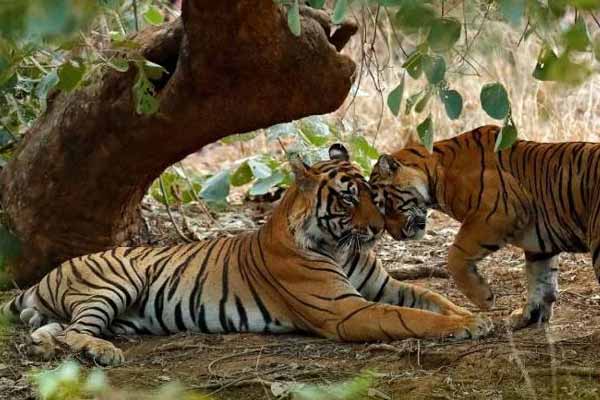
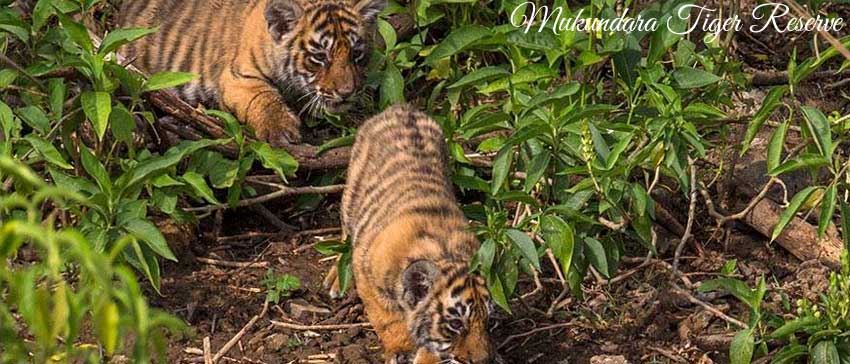
The reserve is home to a variety of wildlife, including tigers, leopards, sloth bears, chital, sambar, wild boars, nilgai and several species of birds. The natural landscape provides an attractive setting for wildlife photography and nature lovers. Visitors may also spot reptiles and smaller animals while travelling through the forest.
A Mukundara Tiger Reserve safari is one of the main attractions for tourists. Jeep safaris allow visitors to travel through designated forest areas while observing wildlife in its natural habitat. Sightings are never guaranteed, but the forest scenery and variety of animals make the safari an interesting experience.
The best time to visit Mukundara Tiger Reserve is generally during the cooler and drier months when wildlife spotting can be more comfortable. Kota is the nearest major city and provides convenient access to the reserve.
For travellers planning a Rajasthan wildlife holiday, Mukundara Tiger Reserve Kota can be combined with Kota’s attractions and other destinations in the Hadoti region. Its forests, wildlife and quiet surroundings make it a worthwhile addition to a Rajasthan tour itinerary.
The history of Mukundara Tiger Reserve goes back much further than its present tiger-reserve status. The forest landscape was once part of the princely states of Kota, Bundi, Chittorgarh and Jhalawar. Before India’s independence, these forests were used as royal hunting areas and were known for their wildlife, including tigers and other large animals.
After independence, the forests came under the Government of Rajasthan. In 1955, a section of this landscape was declared Darrah Sanctuary under the Rajasthan Wild Animals and Birds Protection Act. The area continued to receive greater protection as wildlife conservation developed in the region.
Another important step came in 1975, when Jawahar Sagar Sanctuary was notified. Later, Mukundara National Park was notified in 2007. These protected areas formed an important foundation for the larger conservation landscape that exists today.
On 9 April 2013, the Government of Rajasthan officially notified Mukundara Hills Tiger Reserve. It brought together Mukundara National Park, Darrah Wildlife Sanctuary, Jawahar Sagar Wildlife Sanctuary and part of the National Chambal Sanctuary landscape under the tiger-reserve framework. It became Rajasthan’s third tiger reserve after Ranthambore and Sariska.
The name Mukundara comes from the Mukundara hill range, which itself was named after former Kota ruler Maha Rao Mukund. The reserve’s landscape forms part of the Vindhyan hill system and stretches through an area of forests, rocky ridges and valleys.
The reserve is also significant because it provides protected habitat and potential connectivity for wildlife moving between important landscapes in southeastern Rajasthan. Its conservation role therefore extends beyond tourism and includes habitat protection and tiger recovery.
The natural environment of Mukundara supports a wide range of wildlife. The reserve’s forests are dominated by dry deciduous vegetation, with Dhok and Khair among the important tree species. Valleys and streams add variety to the landscape and provide habitat for numerous plants and animals.
Visitors may encounter tigers, leopards, sloth bears, sambar, chital, chinkara, nilgai and wild boar. Other carnivores and smaller mammals include wolves, jackals, hyenas and jungle cats. Rajasthan Tourism also highlights the reserve’s rich birdlife, including owls, eagles, woodpeckers, flycatchers, doves, babblers and vultures.
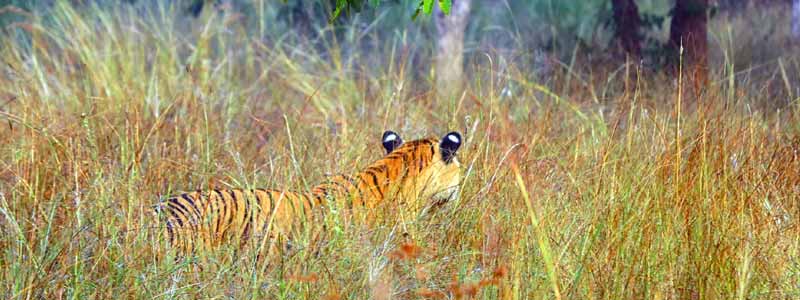
A tiger sighting should never be considered guaranteed. Wildlife moves freely through a large natural habitat, and sightings depend on season, weather, animal movement and chance. A safari is therefore best enjoyed as an opportunity to see the forest and its different species rather than as a promise of seeing a particular animal Mukundara Tiger Reserve Kota.
Mukundara Tiger Reserve Kota
Mukundara Tiger Reserve Safari Timings
The operating schedule of Mukundara can change according to season, forest department regulations, weather conditions and the particular tourism route. Therefore, travellers should confirm the latest schedule before visiting.
For safari visits, the day is generally divided into morning and afternoon/evening slots, with timings adjusted according to sunrise and sunset. Current visitor information commonly reports morning safaris beginning around sunrise and afternoon safaris operating later in the day.
As a general planning reference, visitors may expect timings around:
Morning Safari: approximately 6:00 AM onwards
Afternoon Safari: approximately 3:00 PM onwards
Safari Duration: generally around 3 hours
These are planning estimates rather than permanent timings. The actual reporting time may change during winter and summer.
Some online sources also list general park visiting hours such as 10:00 AM to 5:00 PM, but these should not be confused with the specific safari slots.
If your main purpose is a wildlife safari, it is better to check the current Forest Department schedule and booking information for your selected date rather than relying on a fixed timing published elsewhere.
Mukundara Tiger Reserve Entry Fee
The entry fee for Mukundara Tiger Reserve Kota is not a single permanent amount that can safely be quoted for every visitor. Rajasthan Forest Department periodically revises entry fees, eco-development charges and other wildlife-related charges. The department’s current orders page includes a 30 March 2026 notification concerning entry fees and eco-development charges for tiger reserves, national parks, wildlife sanctuaries and other protected areas.
Older government fee schedules found online should therefore not be treated as the current 2026 ticket price. For example, an earlier Rajasthan government notification listed separate charges for Indian citizens, foreign visitors and students, but those figures belong to an earlier fee schedule.
The final amount may depend on factors such as:
Indian or foreign visitor category
Safari vehicle type
Number of visitors
Safari route or zone
Applicable forest and eco-development charges
Camera or other applicable charges
Seasonal or revised government rates
Because fees and booking arrangements can change, travellers should check the latest Rajasthan Forest Department booking information before making payment. This is especially important if you are planning a trip several weeks or months in advance.
Best Time to Visit Mukundara Tiger Reserve
The best time to visit Mukundara Tiger Reserve Kota depends on whether you prefer comfortable weather, wildlife activity or photography conditions.
October to February – Comfortable Season
October to February is generally the most comfortable period for visiting the reserve. The weather is cooler than the summer months, making a safari more pleasant. The forests can also provide excellent conditions for nature photography and birdwatching.
Winter is a particularly good choice for families and travellers who do not want to deal with Rajasthan’s intense summer heat.
March to June – Wildlife Viewing
March to June is much hotter, especially during April, May and June. However, the dry conditions can make wildlife easier to spot in some areas because vegetation becomes less dense and animals increasingly depend on available water sources.
If wildlife photography is your main interest and you are comfortable with high temperatures, the warmer months can be rewarding. Carry sufficient drinking water, sun protection and light clothing.
July to September – Monsoon
The monsoon changes the appearance of the landscape, bringing greenery to the forests and hills. However, safari access and tourism operations may be restricted or suspended in certain periods because of rainfall, road conditions, wildlife protection measures and seasonal regulations.
Before planning a monsoon visit, check whether the desired safari route is open.
For most travellers, October to February is the safest recommendation for comfortable weather, while March to June can be considered by serious wildlife enthusiasts who are prepared for higher temperatures.
How to Reach Mukundara Tiger Reserve
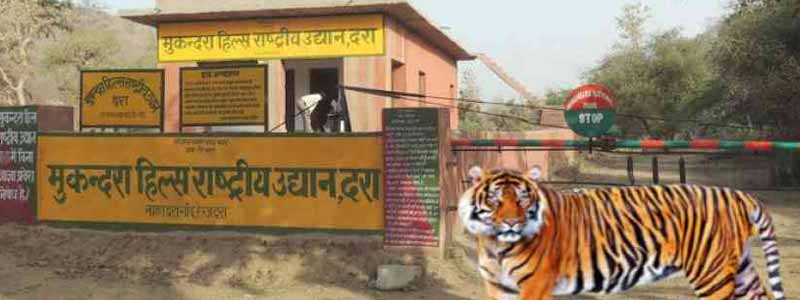
Mukundara Tiger Reserve Kota, popularly known as Darrah Wildlife Sanctuary, is spread across 4 districts – Bundi, Kota, Jhalawar & Chittorgarh. It is located just 50 kilometers from Kota, and is the 3rd tiger reserve in Rajasthan, after Ranthambore & Sariska Tiger Reserves. This tiger reserve was once a hunting preserve belonging to the Maharaja of Kota.
By Road
Kota is the main gateway to Mukundara Tiger Reserve. Rajasthan Tourism places the reserve approximately 50 km from Kota, making the city a convenient base for travellers.
From Kota, visitors can hire a private taxi or travel by their own vehicle toward the designated safari entry point. Since the reserve extends across several districts and has different access areas, the exact distance depends on the safari gate or route selected.
The reserve is also connected with the wider road network of Rajasthan, making it possible to include Mukundara in longer itineraries covering Kota, Bundi, Chittorgarh, Udaipur or other destinations.
By Train
Kota Junction is the most convenient major railway station for travellers visiting Mukundara. Kota is an important railway city with connections to Delhi, Mumbai, Jaipur and several other major destinations.
After reaching Kota by train, travellers can continue by taxi or other local transport to their accommodation and safari reporting point.
By Air
Kota has limited commercial air connectivity compared with larger Rajasthan cities. Travellers arriving by air can consider flying to a larger airport such as Jaipur and continuing by road or rail to Kota.
For international travellers or those already visiting other parts of Rajasthan, Jaipur can be a practical arrival point before continuing toward Kota.