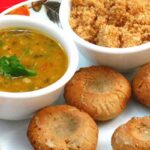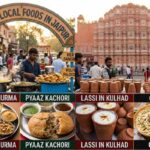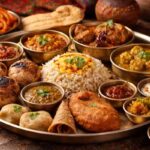

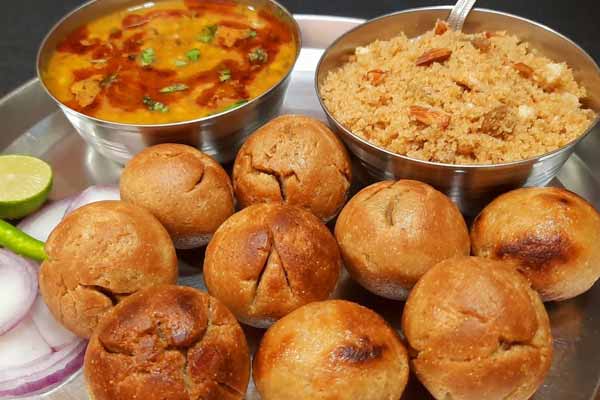

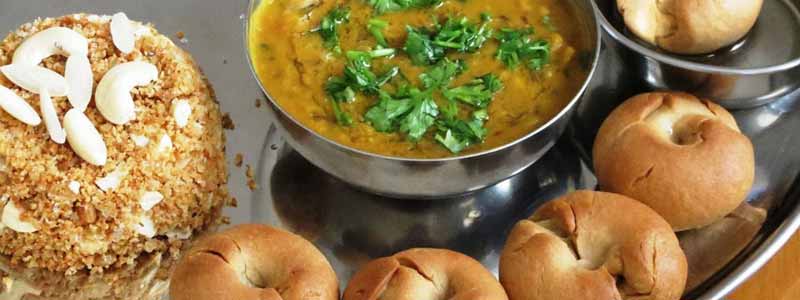
Dal Bati Churma: Rajasthan Signature Dish is the most famous and beloved traditional dish of Rajasthan, representing the rich culinary heritage of the state. Known for its unique combination of flavors and textures, this iconic meal consists of three components: spicy dal (lentils), crispy baati (baked wheat bread), and sweet churma (crushed wheat dessert). Together, they create a wholesome and satisfying dining experience that has become a symbol of Rajasthani culture.
The origins of Dal Baati Churma can be traced back to the time of Rajput warriors. Baati was an ideal food for soldiers because it could be prepared with minimal water and remained fresh for long periods. The baked wheat balls were easy to carry during military campaigns and were often eaten with nutritious lentil curry. Churma is believed to have been created when baked baatis were crushed and mixed with ghee and sugar, resulting in a delicious sweet accompaniment.
The dal is typically made using a mix of lentils such as moong, chana, urad, toor, and masoor dal, seasoned with traditional spices and a generous tempering of ghee. Baatis are prepared from wheat flour, baked until golden brown, and then dipped in melted ghee for extra richness. Churma is made by crushing baked baatis and blending them with ghee, sugar or jaggery, and dry fruits.
Dal Baati Churma is an essential part of festivals, weddings, and family celebrations across Rajasthan. It is often served with garlic chutney, papad, and pickles, enhancing its flavor. Beyond its delicious taste, the dish is highly nutritious, offering a balance of proteins, carbohydrates, and healthy fats.
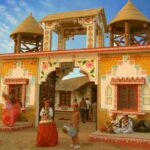
Today, travelers from around the world visit Rajasthan to experience authentic Dal Baati Churma. Whether enjoyed in a traditional village setting, a heritage hotel, or a local restaurant, this classic dish provides a true taste of Rajasthan’s history, hospitality, and vibrant culture.
The History of Dal Baati Churma
The origins of Dal Baati Churma can be traced back several centuries to the warrior communities of Rajasthan. Historians believe that Rajput soldiers carried dough made from wheat flour during long military campaigns. Instead of preparing elaborate meals, they buried balls of dough under hot desert sand to bake while they attended to their duties. Upon returning, they would retrieve the baked dough, break it apart, and eat it with simple lentils.
Over time, this practical meal evolved into the delicious and elaborate dish known today. The royal kitchens of Rajasthan refined the recipe by adding clarified butter (ghee), aromatic spices, and sweet churma. What started as a simple survival food eventually became a symbol of royal dining and cultural pride.
Today, Dal Baati Churma is served in homes and restaurants across Rajasthan and has gained popularity throughout India and around the world.
Components of Dal Baati Churma
1. Dal
Dal is the savory component of the meal. Traditionally, a mixture of lentils is used to create a rich and flavorful curry. Commonly used lentils include:
- Toor Dal (Pigeon Pea Lentils)
- Moong Dal (Green Gram Lentils)
- Chana Dal (Split Bengal Gram)
- Urad Dal (Black Gram Lentils)
The lentils are cooked until soft and then tempered with spices such as cumin seeds, mustard seeds, asafoetida, garlic, ginger, red chili, coriander, and turmeric. The result is a hearty and aromatic curry that complements the baati perfectly.
The use of multiple lentils not only enhances flavor but also increases the nutritional value of the dish.
2. Baati
Baati is a round, hard bread made primarily from wheat flour. The dough is traditionally prepared with:
- Whole wheat flour
- Semolina
- Salt
- Ghee
The dough is shaped into medium-sized balls and baked until golden brown. Traditionally, baatis were cooked over charcoal or wood fires, giving them a smoky flavor. Modern kitchens often use ovens or tandoors.
Once baked, the baatis are generously dipped in melted ghee before serving. This process softens the exterior and enriches the flavor.
The crispy outer layer combined with a soft interior makes baati a unique and satisfying accompaniment to dal.
3. Churma
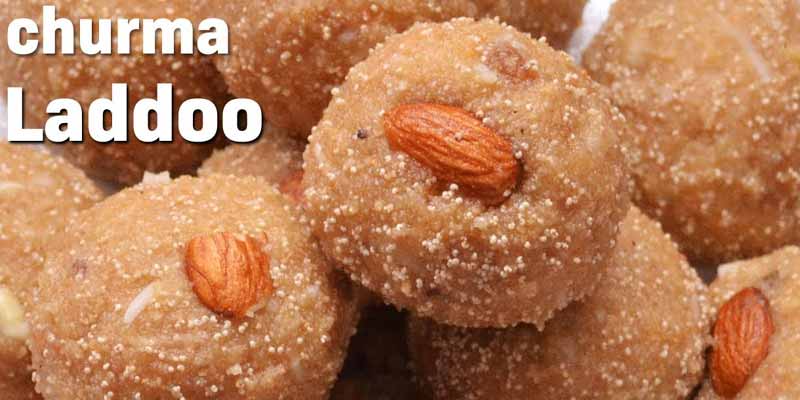
Churma is the sweet element of the meal and provides a perfect contrast to the spicy dal.
It is prepared by:
- Crushing baked baatis
- Mixing them with ghee
- Adding jaggery or sugar
- Garnishing with dry fruits such as almonds, pistachios, and cashews
The result is a sweet, crumbly dessert with a rich texture and delightful aroma. Different regions of Rajasthan prepare churma in various flavors, including saffron, rose, cardamom, and dry fruit versions.
Why Dal Baati Churma is Rajasthan’s Signature Dish
Representation of Desert Life
Rajasthan’s harsh climate and limited water resources influenced the development of foods that required minimal water and could be stored for extended periods. Baati perfectly suited these conditions because it remained fresh for several days and required little water during preparation.
Connection to Royal Heritage
Many dishes from Rajasthan originated in royal kitchens, but Dal Baati Churma successfully bridged the gap between common households and palaces. It became popular among both rulers and ordinary people.
Cultural Significance
No traditional Rajasthani feast feels complete without Dal Baati Churma. It is often prepared during:
- Weddings
- Festivals
- Family gatherings
- Religious celebrations
- Community feasts
Its presence signifies celebration, hospitality, and togetherness.
Traditional Cooking Methods
Authentic Dal Baati Churma is best enjoyed when prepared using traditional methods.
Wood-Fired Baati
In rural Rajasthan, baatis are still cooked over cow-dung cakes, wood fires, or charcoal. This imparts a distinctive smoky flavor that modern ovens cannot fully replicate.
Earthen Pot Dal
Dal is often cooked in clay pots, allowing the lentils to absorb subtle earthy flavors.
Hand-Crushed Churma
Traditionally, churma is prepared by manually crushing baatis and mixing them with freshly prepared ghee and jaggery.
These traditional techniques preserve the authenticity of the dish and create unforgettable flavors.
Regional Variations Across Rajasthan
Although Dal Baati Churma is enjoyed throughout Rajasthan, different regions have developed unique variations.
Jaipur Style
The Jaipur version often features richly spiced dal and extra ghee. Churma may include saffron and dry fruits.
Jodhpur Style
Jodhpur’s preparation tends to be slightly spicier, reflecting the city’s love for bold flavors.
Udaipur Style
The Udaipur variation may incorporate local ingredients and often emphasizes a balanced flavor profile.
Bikaner Style
Bikaner is known for adding a touch of spice and serving the meal with additional accompaniments such as garlic chutney.
Rural Rajasthan
In villages, the dish is often cooked using traditional methods over wood fires, preserving its authentic taste.
Dal Baati Churma During Festivals
Several festivals in Rajasthan feature Dal Baati Churma as a centerpiece meal.
Diwali
Families gather to prepare lavish versions with abundant ghee and dry fruits.
Holi
The dish is commonly served during festive lunches and community celebrations.
Gangaur Festival
Traditional households often prepare Dal Baati Churma as part of special offerings and family feasts.
Teej Festival
Women celebrating Teej frequently enjoy this classic Rajasthani delicacy with loved ones.
Its festive association strengthens its cultural importance across generations.