Monsoon in Rajasthan (July–September): Is It Worth Visiting, Weather Changes and Complete Travel Cost Guide
rtp123
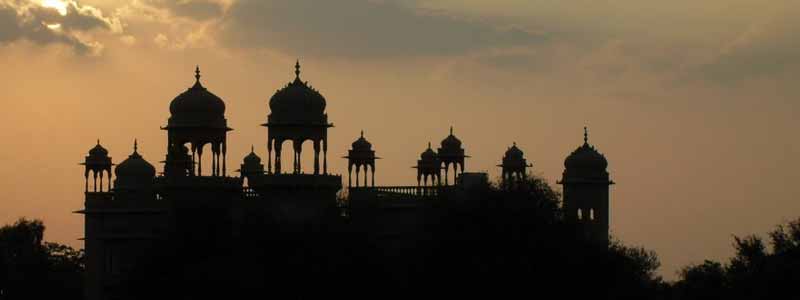
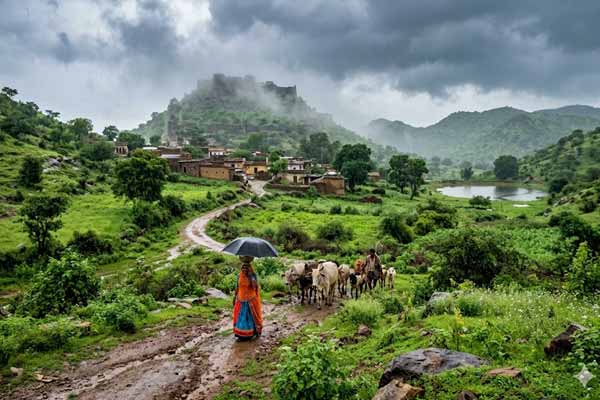
Monsoon in Rajasthan (July–September), brings a refreshing transformation to the royal state. Known for its deserts, forts, and colorful culture, Rajasthan becomes greener and more beautiful during the rainy season. The cool breeze, cloudy skies, and occasional rainfall create a pleasant atmosphere for travelers exploring historical cities and scenic landscapes.
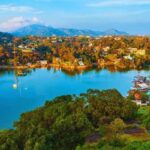
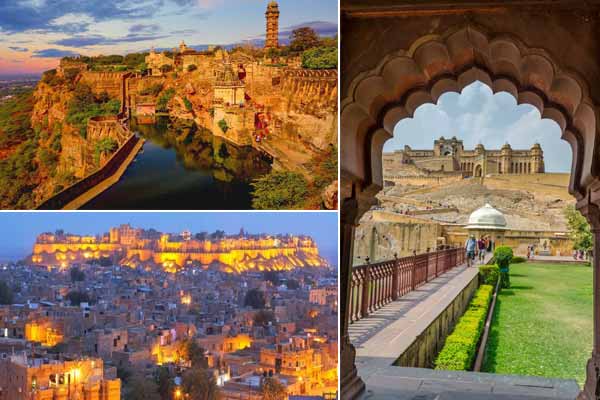
Cities like Udaipur, Jaipur, Jodhpur, and Mount Abubecome especially charming during monsoon. Lakes fill with fresh rainwater, gardens bloom, and the Aravalli Hills turn lush green. Udaipur’s lakes and palaces look romantic under cloudy skies, while Mount Abu offers misty hills and cool weather perfect for relaxation.
Monsoon is also a wonderful time to enjoy Rajasthan’s cultural beauty. Festivals like Teej are celebrated with colorful processions, traditional music, folk dances, and vibrant markets. Local food becomes even more enjoyable during rainy evenings, with hot snacks such as kachori, pakoras, and masala chai served across the cities.
Traveling during monsoon offers several advantages, including fewer tourist crowds and attractive hotel rates. Heritage hotels and palace stays become more peaceful and affordable compared to the busy winter season. Rain showers also make sightseeing more comfortable than the hot summer months.
From the blue streets of Jodhpur to the golden dunes of Jaisalmer, monsoon reveals a unique and refreshing side of Rajasthan that combines natural beauty, royal heritage, and unforgettable travel experiences.
Monsoon in Rajasthan (July–September)
Weather During Monsoon in Rajasthan
The monsoon season in Rajasthan generally begins in early July and continues until late September. The state receives moderate rainfall, though the amount varies by region. Southern and southeastern Rajasthan receive more rain compared to the western desert districts.
Cities like Udaipur, Bundi, Kota, and Mount Abu become lush and green during monsoon, while desert cities such as Jaisalmer and Bikaner experience occasional showers that bring dramatic beauty to the sand dunes and arid landscapes. Temperatures during this period usually range between 22°C and 35°C, making sightseeing more comfortable compared to the intense summer heat.
Rain showers are often short and refreshing rather than continuous. Many travelers enjoy the pleasant weather, cloudy skies, and cooler evenings that create ideal conditions for exploring forts, palaces, gardens, and local markets.
Why Visit Rajasthan During Monsoon?
Refreshing Landscapes
One of the biggest surprises of Rajasthan during monsoon is the transformation of the landscape. Dry hills suddenly become green, lakes overflow with fresh rainwater, and gardens bloom beautifully. The Aravalli Hills appear especially scenic, creating picturesque drives and nature experiences.
Fewer Crowds
Unlike the busy winter tourist season, monsoon months are quieter. Travelers can enjoy famous attractions with fewer crowds and more peaceful surroundings. Hotels and heritage properties also offer attractive discounts during this period, making luxury travel more affordable.
Romantic Atmosphere
Monsoon adds romance to Rajasthan’s royal cities. Watching rain clouds move over ancient forts, enjoying rooftop dining with cool winds, or taking a boat ride on rain-filled lakes creates unforgettable memories for couples and honeymoon travelers.
Cultural Experiences
The rainy season is linked with several colorful festivals and local traditions in Rajasthan. Folk music performances, traditional dances, and celebrations become even more enjoyable in the pleasant weather.
Best Places to Visit in Rajasthan During Monsoon
Udaipur – The City of Lakes
Monsoon in Rajasthan (July–September)
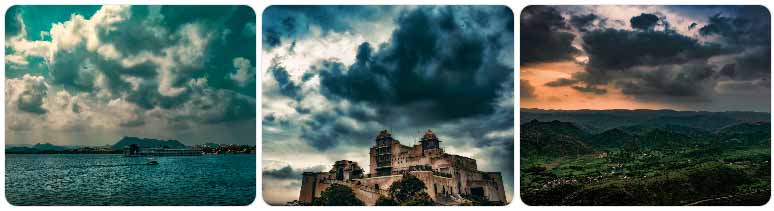
Udaipur is often considered the most beautiful monsoon destination in Rajasthan. The lakes fill with rainwater, the surrounding hills turn green, and the entire city looks fresh and romantic.
Lake Pichola becomes especially stunning during rainy evenings. Boat rides offer breathtaking views of palaces reflected in the water under cloudy skies. The famous Monsoon Palace, located on a hilltop, is one of the best places to enjoy panoramic views of rain-covered landscapes and dramatic sunsets.
Saheliyon Ki Bari, Fateh Sagar Lake, and the old city streets also become pleasant to explore during this season. Rooftop cafés and heritage hotels provide perfect settings for enjoying tea while watching rainfall over the city.
Monsoon in Rajasthan (July–September)
Mount Abu – Rajasthan’s Hill Retreat
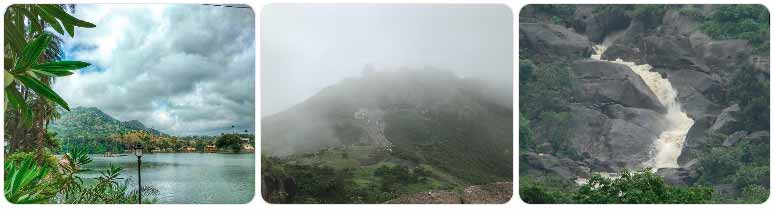
The only hill station in Rajasthan, Mount Abu becomes exceptionally beautiful during monsoon. Mist-covered hills, waterfalls, green forests, and cool weather make it a refreshing escape from city life.
Nakki Lake looks magical during light rain showers, while viewpoints like Honeymoon Point and Sunset Point offer mesmerizing cloud-filled views. The roads around Mount Abu become scenic with greenery covering the Aravalli ranges.
Adventure lovers and nature photographers especially enjoy visiting during this season because the landscapes appear vibrant and fresh.
Monsoon in Rajasthan (July–September)
Jaipur – The Pink City in Rain
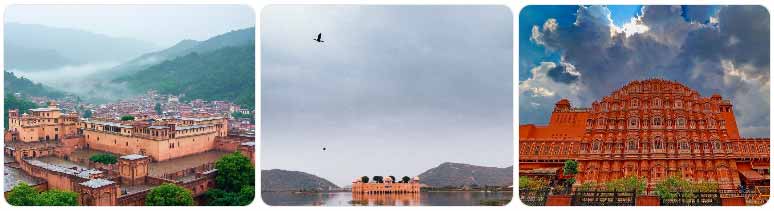
Jaipur looks charming during monsoon as rain washes the pink-colored streets and historical buildings. The weather becomes ideal for sightseeing, shopping, and exploring heritage attractions.
Amber Fort appears majestic with clouds surrounding the hills, while Nahargarh Fort offers panoramic rainy-season views of the city. Jal Mahal, standing in the middle of Man Sagar Lake, becomes especially photogenic during cloudy weather.
Monsoon evenings in Jaipur are perfect for enjoying local street food such as kachori, mirchi vada, and masala chai. Travelers can also explore colorful bazaars without the discomfort of extreme summer heat.
Jodhpur – The Blue City with Monsoon Charm
Monsoon in Rajasthan (July–September)
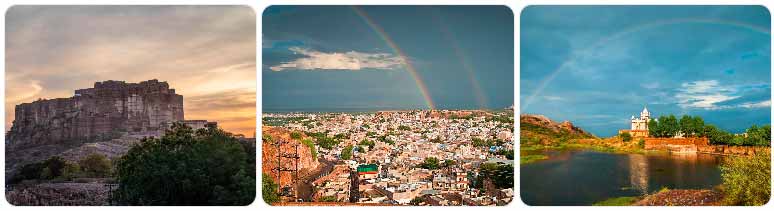
Jodhpur experiences occasional refreshing showers during monsoon, adding beauty to its blue-painted houses and historical monuments. The weather becomes cooler, making city tours more enjoyable.
Mehrangarh Fort looks dramatic against cloudy skies, while Jaswant Thada and Umaid Bhawan Palace appear even more elegant after rainfall. The nearby countryside around Jodhpur also becomes greener, offering scenic drives and peaceful village experiences.
Monsoon is an excellent time to enjoy rooftop dining in Jodhpur, with views of the illuminated fort and rain-washed blue city.
Monsoon in Rajasthan (July–September)
Bundi – Rajasthan’s Hidden Monsoon Gem
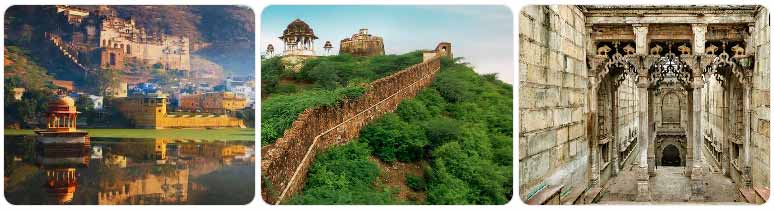
Bundi is one of Rajasthan’s most underrated monsoon destinations. Surrounded by hills and filled with historical architecture, Bundi becomes incredibly scenic during the rainy season.
Taragarh Fort overlooks the city beautifully, while stepwells, lakes, and narrow lanes create a peaceful atmosphere. The greenery surrounding Bundi during monsoon makes it ideal for photographers and travelers seeking offbeat experiences.
Jaisalmer – Desert Beauty After Rain
Jaisalmer receives limited rainfall, but when rain arrives in the desert, the scenery becomes magical. The golden sandstone architecture contrasts beautifully with dark monsoon clouds.
The desert around Sam Sand Dunes feels cooler and more comfortable for camel rides and cultural evenings. Rain-washed streets around Jaisalmer Fort create unique photography opportunities, especially during sunrise and sunset.
Travelers who prefer avoiding winter crowds often enjoy visiting Jaisalmer during the monsoon months for a quieter and more relaxed experience.
Monsoon Festivals in Rajasthan
Teej Festival
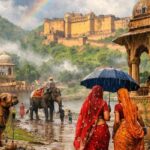
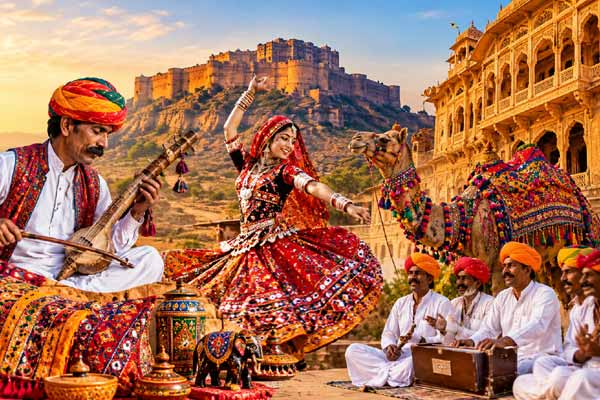
Teej is one of Rajasthan’s most vibrant monsoon festivals, especially celebrated in Jaipur. Women dress in colorful traditional attire, apply mehndi, sing folk songs, and participate in festive processions.
The streets of Jaipur become lively with decorated elephants, folk dancers, musicians, and traditional celebrations. The festival beautifully reflects Rajasthan’s cultural richness and joy during the rainy season.
Kajli Teej in Bundi
Bundi hosts the famous Kajli Teej festival during monsoon, attracting visitors with grand processions, cultural performances, and royal traditions. The historical backdrop of Bundi adds special charm to the celebrations.
Wildlife and Nature During Monsoon
Monsoon is also a wonderful season for nature and wildlife experiences in Rajasthan. National parks and forest areas become greener and more active after rainfall.
Ranthambore National Park
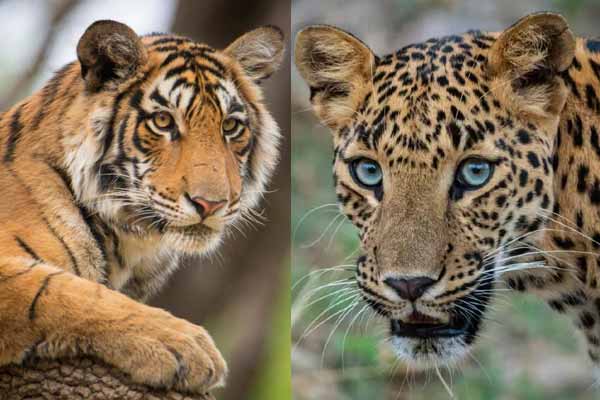
Ranthambore National Park looks beautiful during monsoon, though some safari zones may remain closed because of rain. The surrounding landscapes become lush, and photography opportunities improve significantly.
Jawai Region
The Jawai region between Jodhpur and Udaipur becomes scenic during monsoon with green hills, lakes, and rocky landscapes. Leopard safaris and village experiences become especially enjoyable in the cooler weather.
Birdwatching
Rain-filled lakes attract migratory and local birds across Rajasthan. Places like Bharatpur and Udaipur become excellent destinations for birdwatching during and after monsoon showers.