A Peaceful Day Trip to Ramdevra Wildlife Sanctuary in Jaisalmer
rtp123
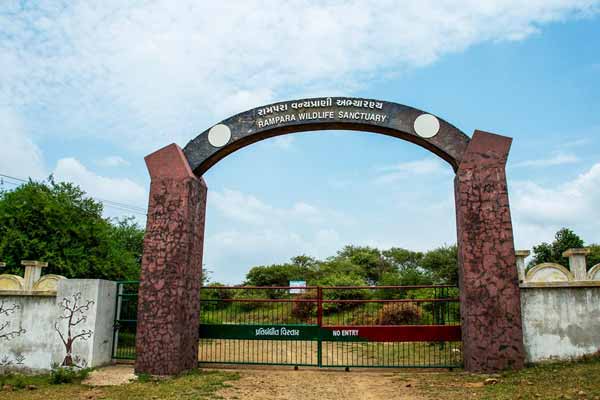
A Peaceful Day Trip to Ramdevra Wildlife Sanctuary in Jaisalmer Located in the Jaisalmer district of Rajasthan, the Ramdevra Wildlife Sanctuary (often referred to as the Ramdevra Conservation Centre) serves as a vital satellite unit of the larger Desert National Park. It is situated approximately 12 km from the historic town of Pokhran, making it an accessible stop for those visiting the famous Ramdevra Temple.
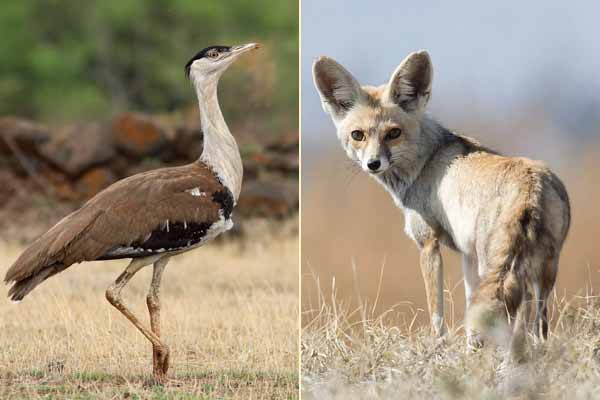
The sanctuary is characterized by its vast, arid landscape of sand dunes, scrub forests, and rocky terrains. It is a critical habitat for the Great Indian Bustard, Rajasthan’s state bird and one of the world’s most endangered avian species. In 2022, a dedicated conservation center was established here, achieving a milestone in 2025 with the first chick born through artificial breeding.
Beyond the bustard, visitors can spot diverse desert fauna, including:
Mammals: Chinkara (Indian Gazelle), desert foxes, and desert cats.
Birds: Tawny eagles, falcons, and various migratory species during winter.
Reptiles: Spiny-tailed lizards and monitor lizards.
The area offers a peaceful alternative to the more crowded tourist spots, with opportunities for jeep safaris and bird watching. It represents a successful intersection of spiritual heritage and modern environmental conservation.
Location and Geographic Setting
Ramdevra Wildlife Sanctuary is located near Ramdevra village, approximately 120 kilometers from Jaisalmer and about 12 kilometers from Pokhran. The sanctuary lies in an arid zone characterized by sand dunes, rocky terrain, gravel plains, and sparse vegetation. The climate is harsh, with very hot summers, low rainfall, and cool winters.
The sanctuary covers an area of around 90–100 square kilometers (approximate), forming part of the larger Thar Desert ecosystem. Despite its dry conditions, the area supports a surprising diversity of life specially adapted to survive in desert environments.
A Peaceful Day Trip to Ramdevra Wildlife Sanctuary in Jaisalmer
History of Ramdevra Wildlife Sanctuary
Ramdevra Wildlife Sanctuary was established in 1981 by the Government of Rajasthan with the aim of protecting desert wildlife and preserving the natural habitat of the region. During the late 20th century, increasing human activities such as overgrazing, deforestation, hunting, and expansion of settlements posed a serious threat to desert species. To address these concerns, several sanctuaries were declared in western Rajasthan, including Ramdevra.
Historically, the region around Ramdevra has been inhabited by pastoral communities who depended on livestock grazing. Over time, unsustainable land use led to desertification and loss of wildlife. The sanctuary status helped in regulating grazing, controlling poaching, and promoting conservation awareness.
The sanctuary also gained importance because of its proximity to the Ramdevra Temple, dedicated to Baba Ramdevji, a revered folk deity of Rajasthan. The annual Ramdevra Fair (Ramdevji Mela) draws pilgrims from across India, highlighting the need to balance religious tourism with wildlife conservation.
Vegetation in Ramdevra Wildlife Sanctuary is typical of desert and semi-desert regions. The flora is mainly composed of xerophytic plants, which are adapted to survive with very little water.
Common plant species found in the sanctuary include:
Khejri (Prosopis cineraria) – the state tree of Rajasthan, vital for desert ecology
Babul (Acacia nilotica)
Ker (Capparis decidua)
Ber (Ziziphus species)
Phog (Calligonum polygonoides)
Desert grasses and shrubs
These plants play a crucial role in preventing soil erosion, providing fodder for herbivores, and maintaining ecological balance. Khejri trees, in particular, are considered sacred and are essential for sustaining wildlife and local communities.
A Peaceful Day Trip to Ramdevra Wildlife Sanctuary in Jaisalmer
Fauna of Ramdevra Wildlife Sanctuary
Despite its harsh environment, Ramdevra Wildlife Sanctuary supports a variety of animal species, many of which are well adapted to desert life.
Mammals
Some of the commonly found mammals include:
Chinkara (Indian Gazelle) – the most prominent species of the sanctuary
Desert Fox
Indian Hare
Nilgai (Blue Bull) – occasionally seen
Jungle Cat
Desert Hedgehog
The chinkara is especially significant, as it is one of the few antelope species capable of surviving without direct water sources for long periods.
Birds
The sanctuary is home to a wide range of resident and migratory birds, making it a good location for birdwatching.
Common bird species include:
Peafowl (Indian Peacock)
Grey Francolin
Demoiselle Crane (seasonal visitor)
Eagles and Hawks
Sandgrouse
Larks and Wheatears
Birdlife becomes more active during the winter months when migratory species arrive.
Reptiles
Reptiles are well represented due to the warm climate:
Spiny-tailed Lizard
Monitor Lizard
Desert Snake species
Geckos and Skinks
These reptiles are essential for maintaining the desert food chain.
Ecological Importance
Ramdevra Wildlife Sanctuary plays a vital role in:
Conserving desert biodiversity
Preventing desertification
Protecting endangered species like the chinkara
Maintaining ecological balance in the Thar Desert
The sanctuary also serves as a natural laboratory for studying desert ecology and wildlife adaptation.
Best Time to Visit
The best time to visit Ramdevra Wildlife Sanctuary is from October to March.
Winter Season (October to March)
Pleasant weather with temperatures between 10°C and 25°C
Best time for wildlife sightings and birdwatching
Ideal for nature walks and photography
Summer Season (April to June)
Extremely hot, with temperatures rising above 45°C
Not suitable for tourism or wildlife viewing
Monsoon Season (July to September)
Low and irregular rainfall
Landscape appears greener
Wildlife sightings are limited due to dense shrubs
Overall, winter is the most comfortable and recommended season for visitors.
How to Reach Ramdevra Wildlife Sanctuary
By Road
Ramdevra is well connected by road:
Pokhran to Ramdevra – about 12 km
Jaisalmer to Ramdevra – about 120 km
Jodhpur to Ramdevra – about 180 km
Buses, taxis, and private vehicles are available from major cities.
By Rail
Ramdevra Railway Station lies on the Jaisalmer–Jodhpur rail route
Trains connect Ramdevra with Jodhpur, Jaisalmer, Jaipur, and other cities
By Air
The nearest airport is Jodhpur Airport, about 180 km away