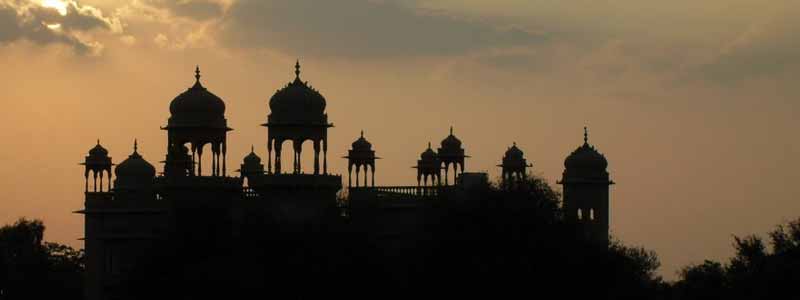
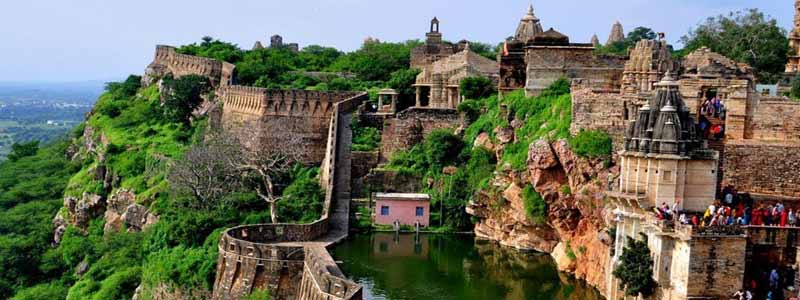
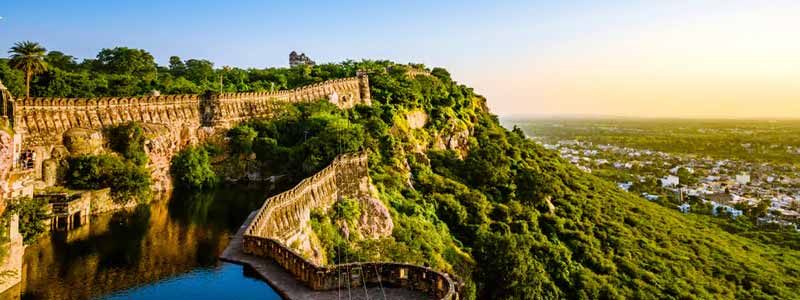
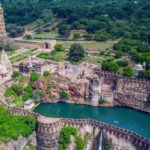
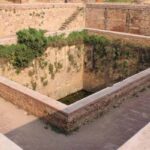
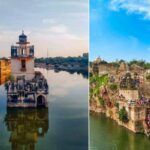
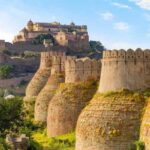
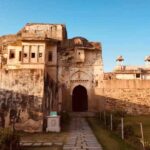
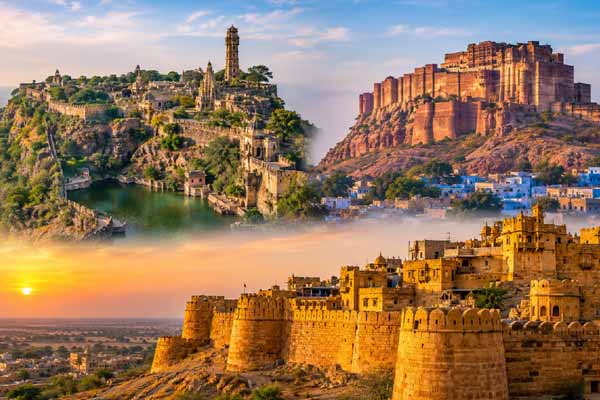
Chittorgarh Fort is a magnificent and historic monument in Rajasthan, India, and a UNESCO World Heritage Site. Built by the Mauryas in the 7th century, the fort is one of the largest in India, sprawling over a 180-meter-high hill and covering 700 acres. Its massive walls and seven gates were constructed to be virtually impregnable. The fort served as the capital of the Mewar kingdom for centuries.
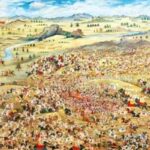
It’s famous for being a symbol of Rajput bravery, pride, and sacrifice. The fort was besieged three times by invading forces, with each siege ending in a tragic tale of valor. In 1303, Alauddin Khilji’s desire for Rani Padmini led to a mass jauhar, or ritual self-immolation, by the women of the fort to protect their honor.
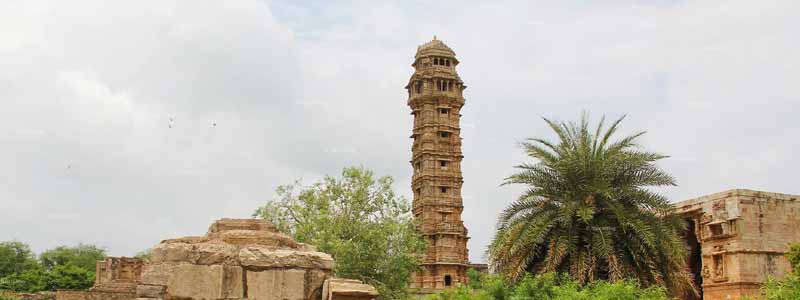
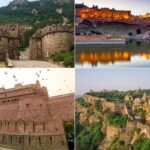
Within its walls, you’ll find numerous historical structures, including palaces, temples, and water bodies. The most notable structures are the Vijay Stambh (Tower of Victory) built by Maharana Kumbha to commemorate his victory over the rulers of Malwa and Gujarat, and the Kirti Stambh (Tower of Fame), a 12th-century Jain tower. These impressive towers, along with other ruins, narrate the fort’s turbulent yet glorious past. It remains a poignant and powerful reminder of the indomitable spirit of the Rajputs.
Deep within lies a tiny part of the history of Chittorgarh Fort. Perhaps among the most defining moments of his life as a politician was that he fought hard to prevent the capture of the fort, which served as the residence for the rulers of Mewar. The political machinations of Rajput clans revolve around this very location. From the fort, the Mewar sovereigns, primarily the Sisodia Rajputs, ruled.
Blending in the lore of the city were the saints of the reigning Mewar kings who battled and resisted invasions. Chittorgarh is a witness to many sieges-in particular the striking ones of 1303 and 1567-1568-that have left lasting impressions on the memory of the place. Know Chittorgarh fort history adds up to one’s visit –
Origins in the 7th Century – Founded by the Mauryas, later extended by Rajput rulers.
Besieged and Sacrificed – Repulsed invaders from Alauddin Khilji (1303) and Emperor Bahadur Shah (1535). Women performed “jauhar” (mass self-immolation) to avoid capture stories etched into each stone.
Architectural Jewels – The Vijay Stambh (Tower of Victory), Kirti Stambh (Tower of Fame), Rana Kumbha Palace, and the Kalika Mata Temple show the Rajput grandeur.
Reflecting on these tales gives context as you wander through the ruins and imagine life in medieval Rajasthan.
Chittorgarh Fort, one of the biggest forts in India and a UNESCO World Heritage Site is built on a rocky hill about 180 meters tall. The colossal walls of the fort extend for more than 13 kilometers, enclosing palaces, temples, reservoirs, and memorial towers dubbed “chhatris.” This fortress has seen grand battles and sacrifices as well as magnificent royal processions. For the backpacker, it is a playground of history, architecture, and panoramic treks.
Top Attractions in Chittorgarh:
Chittorgarh Fort – One of the most important places to visit in Chittorgarh is the fortress. This historical fort is also recognized as one of the UNESCO World Heritage Sites as it stands imposingly upon the hill. Its massive structure was first built in the 7th century and covers 700 acres of landscape. Rana Kumbha Palace – The largest attraction in the fortress is Rana Kumbha Palace having a glorious past linked to it. It was once the residence to people like Bappa Rawal, Maharana Kumbha, Rani Padmini, and Princess Meera Bai. Padmini’s Palace – Inside the fort of Chittorgarh, the Padmini’s Palace is one of the major attractions in Chittorgarh. The palace was the legendary palace from where Ala-ud-din Khilji was permitted to obtain a glimpse of Rani Padmini in a mirror placed in the main hall. Kalika Mata Temple – Originally built in the 8th century, this serene temple was dedicated to the Sun God. This was before it was converted into a shrine of Kalika – an incarnation of Goddess Durga in the 14th century. It is an unmissable tourist place to visit in Chittorgarh city. Vijay Stambha – Dated back to 1440 AD by Maharana Kumbha to commemorate his victory over Mohammad Khilji. The tall and mighty 9 storey tower is adorned by sculptures of Hindu Deities around and reflects the historic traditions.
Chittorgarh Fort
Best time to visit Chittorgarh
The best time to visit Chittorgarh Fort is between October and March. The reason is that you will experience pleasant weather during this season. The daytime temperatures during this season range between 20 and 28 degrees Celsius. So you can comfortably explore the places.
How to Reach Chittorgarh Fort
By Air : Once tourists arrive at the Dabok Airport, they will be flown to Chittorgarh, which lies at a distance of just 90 kms. Travelling by flight will save you a lot of time.
By Railways : If tourists are thinking of taking the train, then the rail network is well connected to numerous cities like Kota, Udaipur, Jaipur, Ajmer and Delhi. Another convenient and comfortable way of travelling, is boarding the Palace on Wheels, which too is connected to Chittorgarh station.
By Road : Tourists, who relish adventure and take pleasure in sweet time travel, can opt to travel to Chittorgarh through these routes: Jaipur (325 kilometers), Delhi (583 kilometers), Indoor (325 kilometers) and Ajmer (185 kilometers).