Explore Mount Abu: A Complete Travel Guide to Rajasthan’s Hill Station
rtp123
Explore Mount Abu: A Complete Travel Guide to Rajasthan’s Hill Station, Rajasthan’s sole hill station, offers a refreshing escape from the desert heat. Nestled in the Aravalli Range, it boasts lush greenery, serene lakes, and ancient temples, making it a popular tourist destination.
Key attractions include Nakki Lake, a picturesque artificial lake where boating is a popular activity, and the breathtaking Dilwara Temples, renowned for their exquisite marble carvings and architectural brilliance. Guru Shikhar, the highest peak in Rajasthan, provides panoramic views of the surrounding landscape, while Sunset Point offers spectacular evening vistas.
Mount Abu also features the Achalgarh Fort, with its historical ruins and the Achaleshwar Mahadev Temple, and the Mount Abu Wildlife Sanctuary, home to diverse flora and fauna. The town is also a significant spiritual center, being the headquarters of the Brahma Kumaris organization, with its peaceful Peace Park.
Accessibility is good, with the nearest railway station at Abu Road (28 km away) and well-maintained roads for bus and car travel. While it lacks an airport, Udaipur and Ahmedabad provide the closest air connectivity. Mount Abu offers a unique blend of natural beauty, spiritual tranquility, and historical significance, making it a captivating destination for all types of travelers.
Explore Mount Abu A Complete Travel Guide to Rajasthan’s Hill Station
Interesting facts about Mount Abu
Mount Abu is a mythologically and historically significant place.
It is the spiritual home of the Gurjars and the Rajputs.
It is the spiritual base for the Brahma Kumaris.
It is Rajasthan’s only hill-station, located along the Gujarat border.
Guru Shikhar is Mount Abu’s tallest peak, at about 1722 metres.
The Summer, Winter and Gangaur festivals are big annual celebrations.
Temples, monuments, nature, wildlife and adventure are the highlights of Mount Abu.
History of Mount Abu
The story of Mount Abu is steeped in mythology, with its modern name derived from the ancient ‘Arbu-daanchal’ — a home of many saints. Its mentions go as far back as the Puranas, and many gods and god-desses are said to have visited these lands. With this deep history, the town later came under the care of the Gurjars, Mughals and Rajputs for various different periods. Today, Mount Abu tells its tale through the remnants of this long and storied past that still stand today, drawing in millions of travellers every year.
Top 10 Places to Visit in Mount Abu
Mount Abu sightseeing places are worth visiting and attract tourists of all kinds. Here are some of the important places and things to do in Mount Abu that you should not miss on your trip.
Nakki Lake
Nakki Lake
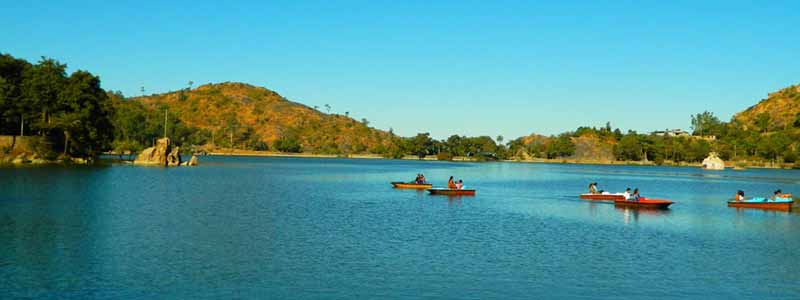
Nakki Lake, located in Mount Abu, is one of the most famous places to visit in Mount Abu for its glistening water and nice & calm ambience. Being closely located to hills and grooves, it offers a good opportunity for boating, having a picnic, and taking photos. The origin of the name of the lake is attributed to the fact that it was dug out with nails by a god.
Best Time to Visit: Morning or evening. Entry Fee: There is no entry fee but the boating charges start at just ₹ 50 per head. Known For: Boating, recreation, and tourism. Distance from City Center: 1 km. Tips: A sunset at the lake is a must-see if ever you plan to go there.
Dilwara Jain Temple
Dilwara Temples
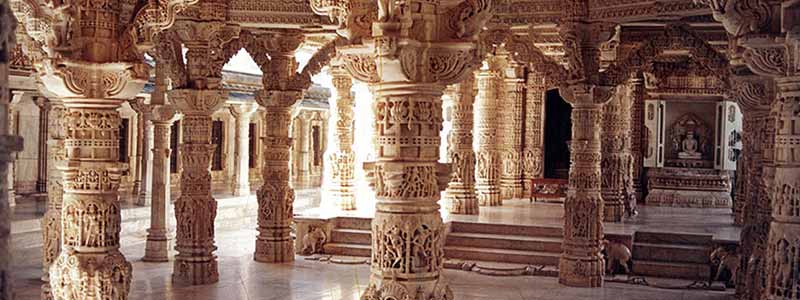
Among the top 5 places to visit in Mount Abu are the Dilwara temples. These are magnificent Jain Temples which are considered as an architectural site of interest since they are made of marble with detailed carvings and also hold religious significance. The temples were constructed during the period between the 11th and the 13th century and are without a doubt true examples of ancient architecture masterpieces.
Best Time to Visit: Between October and March. Entry Fee: Free for Indians; ₹200 for foreign tourists. Known For: Beautiful sculpture carved out of marble and Jain temple along with its religious importance. Distance from City Center: 3 km. Tips: Do not talk to anyone loudly when inside the temple and do not wear revealing clothes.
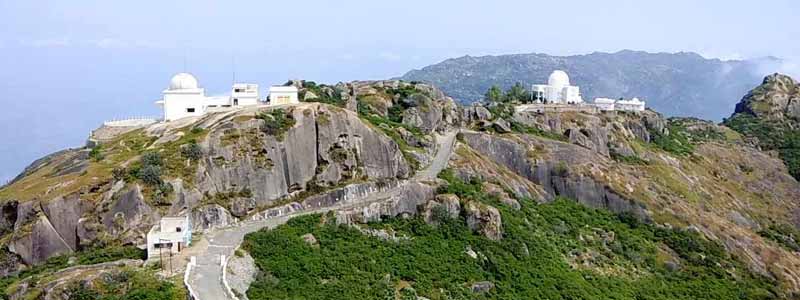
Guru Shikhar is the highest point of the Aravalli Range and therefore the view from the top and around is just fabulous, making it one of the most scenic places to visit in Mount Abu. It also consists of Guru Dattatreya Temple which is devoted to Lord Dattatreya, who is thought to be the incarnation of the three grouped Gods together- Brahma, Vishnu as well as Shiva.
Best Time to Visit: Whether in the morning or evening Entry Fee: Free. Known For: Scenic views and trekking hiking possible. Distance from City Center: 15 km. Tips: Wear comfortable trekking shoes and carry water along.
Achalgarh Fort Mount Abu
Achalgarh Fort
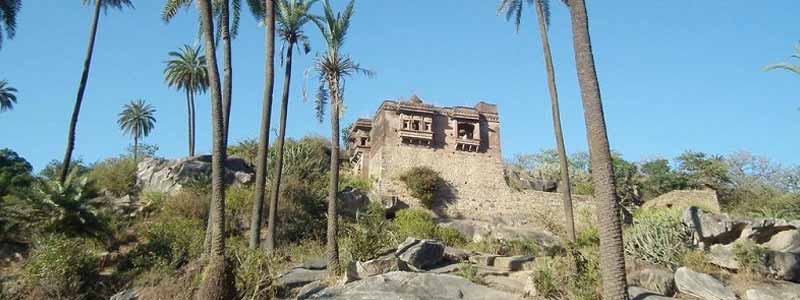
It is an ancient fort and has numerous stories and histories written all over it. This temple was constructed in the 15 century AD and it is considered one of the famous places to visit in Mount Abu for its attractive temple named Achaleshwar Mahadev Temple in which one toe of the god Shiva is enshrined.
Best Time to Visit: Late November to early February. Entry Fee: Free. Known For: Historical relevance and religious significance. Distance from City Center: 10 km. Tips: It is preferable to go to them early in the morning to reduce the likelihood of too much crowd.
Mount Abu Wildlife Sanctuary
Stretching over a huge 288 km² of the area, this sanctuary is one of the best places to visit in Mount Abu for nature and wildlife lovers. Some of the attractive wildlife animals identified in the sanctuary include leopards, sloth bears, and well over 250 bird species.
Best Time to Visit: October to March. Entry Fee: ₹300 per person (Guide charges extra). Known For: Diverse flora and fauna. Distance from City Center: 5 km.
Toad Rock
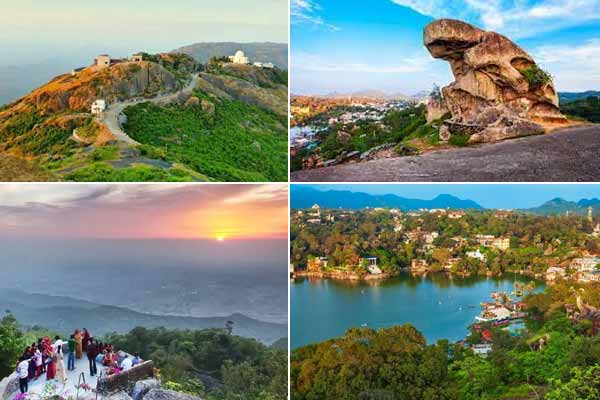
In addition to other places to see in Mount Abu is this sightseeing place, known as the ‘Toad Rock’. Its shape resembles a toad, which is leaping towards Nakki Lake. This has become the tourist’s cup of tea, especially photographers and those with an adventurous heart.
Best Time to Visit: Early in the morning or in the evening Entry Fee: Free. Known For: Mountain cliffs and spectacles such as waterfalls, etc. Distance from City Center: 1.5 km.
Peace Park
A serene garden which is run by the Brahma Kumaris, the peace park is exceptionally quiet, located between striking blooming flowers, gardens and more places for meditation. This place is definitely one of the best places to visit in Mount Abu for those seeking solitude and calm.
Best Time to Visit: November to February Entry Fee: Free. Known For: Reflection, tranquillity, and explanation. Distance from City Center: 8 km.
Brahma Kumaris Spiritual University and Museum
Delve into spirituality and learn about mindfulness at the most famous Raja Yoga centre of the Brahma Kumaris. The museum has a focus on a theme of peace, harmony and spiritual enlightenment and has exhibits to match the theme, making it one of the most visited places to visit in Mount Abu by history lovers.
Best Time to Visit: Year-round. Entry Fee: Free. Known For: Theatre, art, spirituality, and states of consciousness – meditation and workshops. Distance from City Center: 7 km
Sunset Point
This place is well known to tourists for the view of the sunset over the Aravalli hills. The beautiful bright colours of the sky are ideal for photography and some relaxation and is hence considered among the best Mount Abu tourist places.
Best Time to Visit: Sunset hours. Entry Fee: Free. Known For: Stunning sunset views. Distance from City Center: 2.5 km.
Trevor’s Tank
Mount Abu famous places include Trevor’s tank. Crocodile Park and Wildlife Retreat is an ideal destination for those passionate about tours in nature. It was made by a British engineer named Trevor and is recommended for crocodile spotting, bird watching and even eating lunch.
Best Time to Visit: November to March for wildlife and bird watching. Entry Fee: ₹30 per person. Known For: Crocs, bird watching, and the peacefulness of nature. Distance from City Center: 5 km.
Things To Do At Mount Abu
Engage in the following activities to get the most out of your trip to Mount Abu:
1. Boating At Nakki Lake
Enjoy a serene boating experience on Nakki Lake, surrounded by lush hills and unique rock formations. This picturesque lake, steeped in mythology, is perfect for couples and families. It is also one of the most popular Mount Abu tourist places. Paddle and shikhara boats are available for hire. The sunset view from the lake is magical, creating a tranquil escape from the hustle.
2. Exploring Dilwara Temples
Marvel at the architectural brilliance of the Dilwara Temples, renowned for their intricate marble carvings. These Jain temples, built between the 11th and 13th centuries, showcase unparalleled craftsmanship. A guided tour offers insights into their historical and spiritual significance. The peaceful surroundings make it an enriching cultural experience. Ensure to dress modestly and respect the sanctity of the temples during your visit.
3. Hiking At Mount Abu Wildlife Sanctuary
Explore the Mount Abu Wildlife Sanctuary, a haven for nature and wildlife enthusiasts. Hike through its lush trails, surrounded by diverse flora, including rare orchids. The sanctuary is home to leopards, sloth bears, and over 250 bird species, making it a treat for photographers. Early morning hikes offer a peaceful atmosphere and chances to spot wildlife. The scenic viewpoints along the trails provide breathtaking panoramic views.
Best Time To Visit Mount Abu
The best time to visit Mount Abu is from November to June, as winter is the peak season. Summer starts in April and lasts until June, and the temperature can go as high as 33°C. Monsoon in Mount Abu is also a good time to visit as lush green topography surrounds you and the rainy season makes for apt climatic conditions to tour the hill station.
How to get to Mount Abu
Mount Abu, Rajasthan’s only hill station, is well-connected and accessible by various modes of transport. Here’s a breakdown of how to get there:
By Air : To fly to Mount Abu, you have to land 210 km away at Udaipur Airport, or Maharana Pratap Airport as it is also known. All the main domestic carriers have flights arriving here on a daily or weekly schedule from most major cities. Once you land, taxis and buses are available for hire that drive you to the hill-station.
By Road : The roads leading up to Mount Abu are surprisingly well-maintained, so you can easily reach the destina-tion via car or bus. The duration of the journey depends on where your drive begins, but it does offer the advantage of one’s own space and timing. Private and public buses ply the same highways, for which tickets can be booked in advance.
By Train : Arriving to Mount Abu by train is often considered more convenient than air travel, considering you arrive into Abu Road Station merely 28 km from the city. Trains from big cities like Mumbai, Ahmedabad, Delhi, Jodhpur, Kolkata and more, pass by Abu Road, so finding a train is easy from any corner of the country.