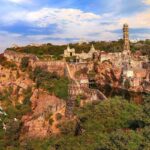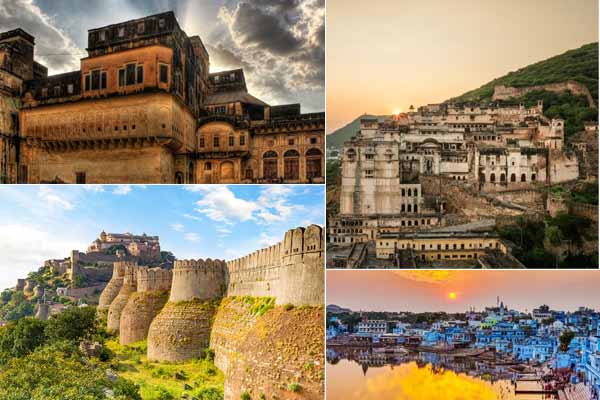

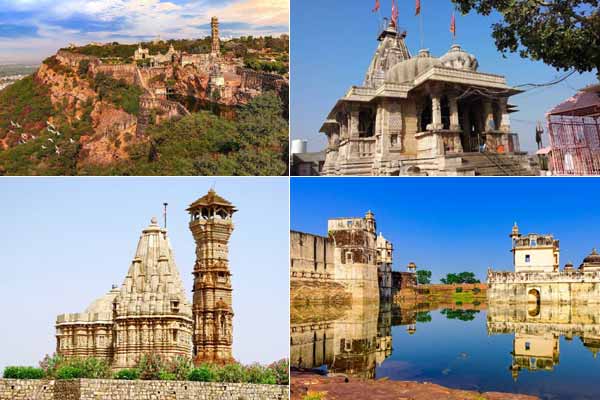

20 Best Sightseeing Places In Chittorgarh, located in Rajasthan, is a city steeped in bravery, romance, and timeless Rajput history. The most iconic landmark is the Chittorgarh Fort, one of India’s largest forts and a UNESCO World Heritage Site. Spread across a vast hill, it houses palaces, gateways, and ancient temples that narrate tales of pride and sacrifice.
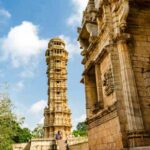
Inside the fort complex, the Vijay Stambh (Tower of Victory) stands out as a magnificent nine-storied structure built by Maharana Kumbha. It offers a panoramic view of the entire fort. Another captivating structure is the Kirti Stambh, dedicated to Jain Tirthankara Adinath, known for its intricate stone carvings.
The Rana Kumbha Palace is another significant attraction where legendary figures like Maharani Padmini once lived. Nearby, the Padmini Palace is admired for its beautiful architecture and the famous tale of Rani Padmini’s courage and honor.
Visitors should also explore the Gaumukh Kund, a sacred water reservoir surrounded by natural beauty. The Kalika Mata Temple and Meera Temple within the fort complex hold deep spiritual significance and attract devotees throughout the year.
For nature lovers, Bassi Wildlife Sanctuary located close to the city offers a peaceful escape amidst lush greenery and varied wildlife.
Chittorgarh is a perfect blend of history, culture, and scenic beauty, making it a must-visit destination for travelers.
20 Places to Visit Chittorgarh
Chittorgarh is a highly important town in Rajasthan because of its rich history and culture. You can see glimpses of various eras of rulers who have ruled over Chittor in the architecture. There are numerous temples as well that hold great importance to the Jain community. Let’s walk you through some places to visit in Chittorgarh for a princely jaunt. You should ideally tick these 19 places to visit in Chittorgarh off your list in a single trip:
Chittorgarh Fort
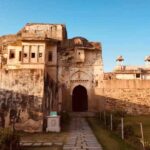
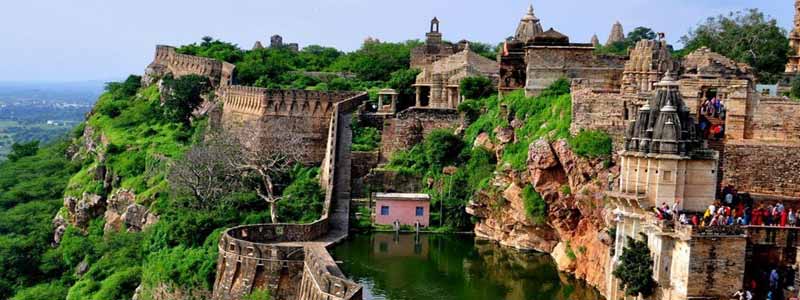
Chittorgarh Fort, one of India’s largest and most iconic hill forts, is a powerful symbol of Rajput bravery and sacrifice. Spread across a vast hilltop, this UNESCO World Heritage Site showcases magnificent architecture, ancient temples, palaces, and reservoirs. The fort is approached through seven grand gateways, each reflecting strategic planning and defensive strength.
Among its standout attractions is the Vijay Stambh, a nine-story tower built by Maharana Kumbha to celebrate victory over the Sultan of Malwa. The Kirti Stambh, dedicated to Jain Tirthankara Adinath, features detailed carvings that highlight the region’s artistic heritage. The Rana Kumbha Palace, once the royal residence, still retains its historical charm.
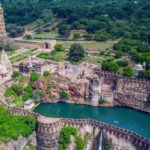
The serene Gaumukh Kund, continuously fed by a natural spring, adds a spiritual touch to the fort complex. Chittorgarh Fort remains a timeless monument, offering visitors a deep insight into Rajasthan’s rich and heroic past.
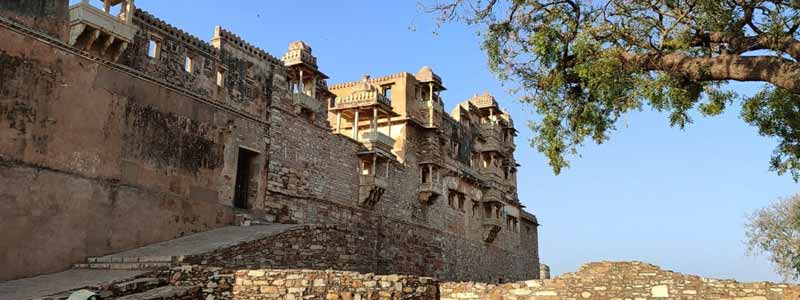
Rana Kumbha Palace
Rana Kumbha Palace, located within the sprawling Chittorgarh Fort in Rajasthan, is one of the most historically and architecturally significant palaces of the Mewar dynasty. Built in the 15th century by Maharana Kumbha, the palace once served as a grand royal residence, reflecting the power, culture, and prestige of the Sisodia rulers. Though now partially in ruins, the structure still impresses visitors with its massive courtyards, intricately designed gateways, and hidden passageways that speak of its strategic importance.
The palace is deeply tied to the legendary tales of Chittorgarh, especially the tragic Jauhar associated with Rani Padmini and countless brave women who chose honor over defeat. Its underground chambers and halls are often cited as the places where these heartbreaking events unfolded, giving the monument a solemn and powerful aura.
Walking through the weathered stone walls, one can imagine the vibrant royal life, courtly gatherings, and heroic spirit that once defined this place. Today, Rana Kumbha Palace stands as a timeless symbol of Rajput bravery, resilience, and cultural heritage, attracting visitors from around the world.
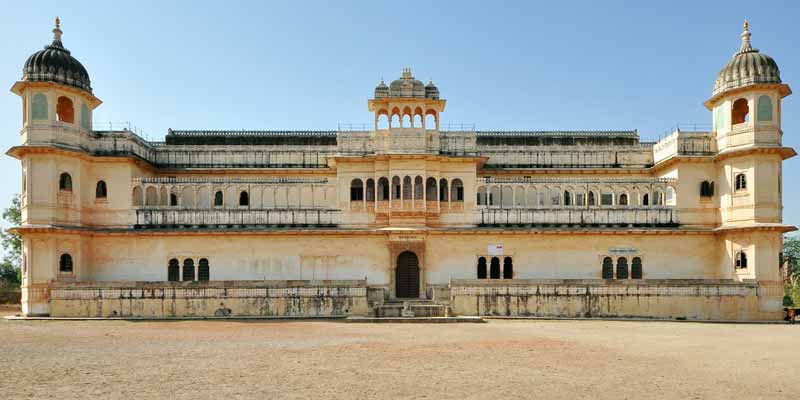
Fateh Prakash Palace
Fateh Prakash Palace, located within the historic Chittorgarh Fort in Rajasthan, is a beautiful example of royal architecture from the Mewar era. Built during the reign of Maharana Fateh Singh, the palace reflects a blend of traditional Rajput design and subtle modern influences of its time. Its spacious halls, arched windows, and elegant façade showcase the grandeur once enjoyed by Mewar’s rulers.
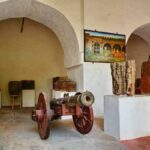
The palace now houses the Government Museum, which displays a rich collection of sculptures, ancient inscriptions, weapons, and artifacts that highlight the cultural and artistic achievements of the region. Among its prized exhibits are rare stone idols and historical relics that offer a glimpse into Chittorgarh’s glorious past.
Surrounded by serene views of the fort complex, Fateh Prakash Palace stands as a symbol of royal legacy, craftsmanship, and heritage. It continues to attract tourists, historians, and art lovers who wish to explore the vibrant history of Mewar.
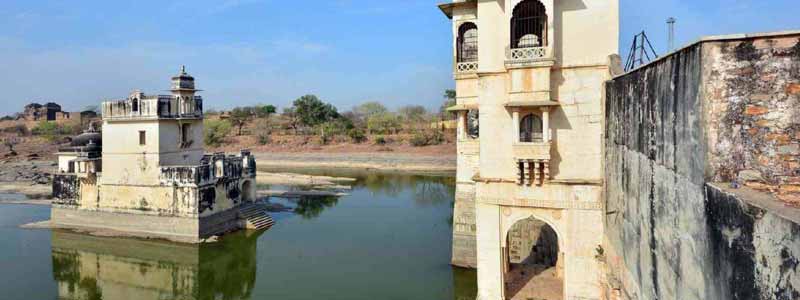
Padmini Palace
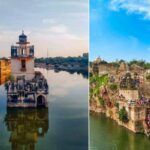
Padmini Palace, located within the grand Chittorgarh Fort in Rajasthan, is one of the most iconic structures associated with the legendary Rajput queen, Rani Padmini. Built amidst serene surroundings, the palace is known for its elegant design and the picturesque lotus pool that lies nearby. According to popular tradition, it was in this palace that Alauddin Khilji first saw Rani Padmini’s reflection in a mirror, an event that later sparked a major historical conflict.
The palace’s simple yet graceful architecture reflects the refined taste of the Mewar rulers. Its airy pavilions, open courtyards, and strategic placement near the water body highlight both beauty and thoughtful planning. Though not heavily ornamented, the structure carries immense cultural and emotional significance.
Today, Padmini Palace attracts visitors for its historical legends, scenic charm, and connection to Chittorgarh’s enduring spirit of honor and sacrifice. It stands as a timeless symbol of Rajput dignity and heritage.
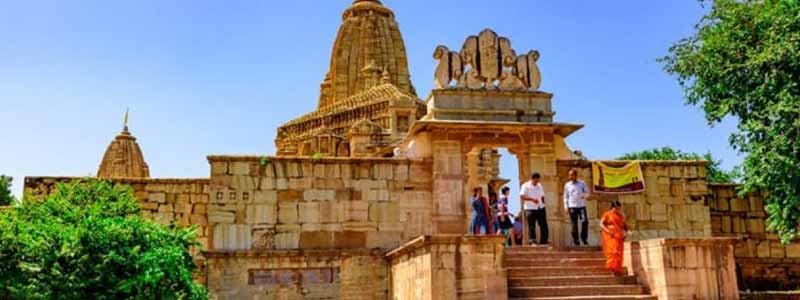
Meera Temple
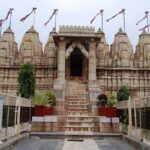
Meera Temple in Chittorgarh is a revered shrine dedicated to the 16th-century saint-poet Meera Bai, whose devotional songs to Lord Krishna have inspired millions for generations. Located within the vast Chittorgarh Fort complex, the temple stands as a symbol of Meera’s unwavering devotion, spiritual strength, and poetic legacy. Built in beautiful Rajput architectural style, the temple features intricately carved pillars, graceful arches, and serene courtyards that create an atmosphere of peace and devotion.
Inside the sanctum, a simple idol of Lord Krishna reflects Meera’s deep, personal bond with the deity. Nearby stands a smaller temple dedicated to Lord Varaha, often visited along with Meera’s shrine. The temple complex attracts devotees, historians, and travelers who wish to connect with the spiritual heritage of Mewar.
Today, Meera Temple remains an enduring monument of love, devotion, and faith, celebrating the life of one of India’s most beloved Bhakti saints.
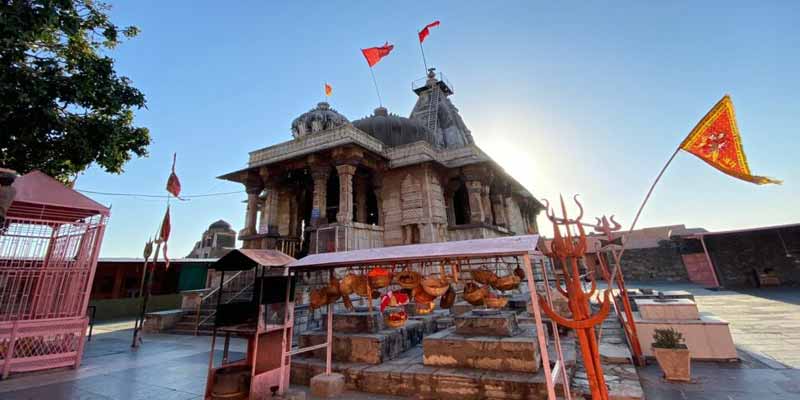
Kali Mata Temple
Kali Mata Temple, located within the historic Chittorgarh Fort in Rajasthan, is a significant shrine dedicated to Goddess Kali, revered for her power and protective energy. Situated atop a hill within the fort complex, the temple offers panoramic views of the surrounding landscape, adding to its spiritual and scenic appeal. Built in traditional Rajput architectural style, the temple features intricately carved stone walls, a sanctum for the deity, and a peaceful courtyard for devotees.
The temple has been a center of worship for centuries, attracting both pilgrims and tourists seeking blessings or a glimpse of its historical significance. It is especially visited during festivals dedicated to Goddess Kali, when the area comes alive with rituals and celebrations.
Kali Mata Temple stands as a symbol of faith, courage, and devotion, reflecting the spiritual heritage of Chittorgarh. Its serene ambiance and historic charm continue to draw visitors from across India and the world.
Gaumukh Reservoir
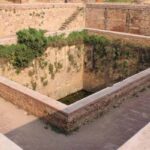
Gaumukh Reservoir, located within the historic Chittorgarh Fort in Rajasthan, is an important water body with both historical and practical significance. Carved into the fort’s landscape, the reservoir served as a crucial source of water for the residents of the fort during ancient times, reflecting the advanced water management systems of the Mewar rulers. Its name, “Gaumukh,” meaning “cow’s mouth,” comes from the spout through which water flows, resembling a cow’s mouth.
Surrounded by the fort’s massive walls and scenic surroundings, Gaumukh Reservoir is not only functional but also visually striking. The calm waters provide a serene atmosphere amidst the grandeur of the fort, making it a popular spot for visitors and history enthusiasts. Today, Gaumukh Reservoir stands as a testament to the engineering skills, foresight, and resourcefulness of the rulers of Chittorgarh.
Bassi Wildlife Sanctuary
Bassi Wildlife Sanctuary, located near Chittorgarh in Rajasthan, is a protected area known for its rich biodiversity and scenic landscapes. Spread over several square kilometers, the sanctuary is home to a variety of wildlife, including leopards, hyenas, wild boars, jackals, and several species of deer. It also attracts a wide range of migratory and resident birds, making it a popular destination for birdwatchers and nature enthusiasts.
The sanctuary’s terrain features dry deciduous forests, grasslands, and small water bodies, providing an ideal habitat for wildlife. Trekking and nature walks within the sanctuary offer visitors a chance to experience the wilderness up close.
Bassi Wildlife Sanctuary plays an important role in conservation and environmental education in the region. Its combination of natural beauty, diverse flora and fauna, and tranquil surroundings makes it a must-visit destination for wildlife lovers and eco-tourists exploring Chittorgarh.
Padmavati Palace
Padmavati Palace, located within the historic Chittorgarh Fort in Rajasthan, is one of the most famous monuments associated with the legendary Queen Padmini. Built in traditional Rajput architectural style, the palace is renowned for its elegant design, open courtyards, and the picturesque Padmavati or lotus pool nearby. According to legend, it was here that Alauddin Khilji first saw Rani Padmini, an event that later led to the historic siege of Chittorgarh.
Though much of the palace is now in ruins, its graceful arches, stone balconies, and serene surroundings reflect the grandeur of Mewar’s royal heritage. The palace offers visitors a glimpse into the life of the Rajput queens and the cultural richness of the era. Today, Padmavati Palace stands as a symbol of honor, valor, and the timeless legacy of Chittorgarh, attracting tourists and history enthusiasts from across the world.
Vijay Stambh
Vijay Stambh, or the Victory Tower, is one of the most iconic monuments of Chittorgarh Fort in Rajasthan. Built by Maharana Kumbha in the 15th century, it commemorates his victory over the combined armies of Malwa and Gujarat. Rising majestically to a height of about 37 meters, the tower is a remarkable example of Rajput architecture, adorned with intricate carvings of Hindu deities, warriors, and floral motifs.
Vijay Stambh consists of nine stories connected by a spiral staircase, offering panoramic views of Chittorgarh Fort and its surroundings from the top. Each level is decorated with detailed inscriptions narrating historical events and religious stories, reflecting the artistic and cultural richness of the era.
Today, Vijay Stambh stands as a symbol of Rajput valor, pride, and resilience. It continues to attract historians, tourists, and photography enthusiasts from across India and the world.
Sathis Deori Temple
Sathis Deori Temple, located within the historic Chittorgarh Fort in Rajasthan, is a significant religious and cultural landmark. Dedicated to local deities, the temple holds special importance in Rajput traditions and is closely associated with the historical events of Chittorgarh. Its name, “Sathis Deori,” refers to the traditional practice of honoring ancestors and martyrs, reflecting the spiritual and cultural heritage of the region.
The temple features traditional Rajput architectural elements, including intricately carved pillars, arched entrances, and a peaceful courtyard for devotees. Its serene atmosphere makes it a place for reflection and worship, attracting pilgrims and tourists alike.
Sathis Deori Temple not only serves as a spiritual center but also preserves the rich legacy of Mewar’s history and valor. It stands as a testament to the devotion, artistry, and cultural traditions of Chittorgarh, drawing visitors interested in heritage and spirituality.
Kirti Stambh
Kirti Stambh, also known as the Tower of Fame, is a prominent historical monument located within Chittorgarh Fort in Rajasthan. Built in the 12th century by the Jain merchant Jijaji, the tower is dedicated to Lord Adinath, the first Tirthankara of Jainism, and stands as a symbol of Jain devotion and architectural excellence.
Rising several stories high, Kirti Stambh is intricately carved with detailed sculptures of Jain deities, floral patterns, and inscriptions that reflect the rich cultural and religious heritage of the region. The tower’s design showcases the artistic brilliance of the time and the craftsmanship of skilled artisans.
Visitors can climb its narrow steps to enjoy panoramic views of Chittorgarh Fort and the surrounding landscape. Today, Kirti Stambh is a major pilgrimage site for Jains and a popular attraction for tourists, representing faith, history, and Rajput-era artistry.
Shyama Temple
Shyama Temple, located within the historic Chittorgarh Fort in Rajasthan, is a revered shrine dedicated to Goddess Shyama, a form of Kali. Known for its spiritual significance, the temple attracts devotees who seek blessings and protection from the goddess. Situated amidst the fort’s sprawling complex, the temple’s serene surroundings provide a peaceful retreat for worshippers and visitors alike.
The architecture of Shyama Temple reflects traditional Rajput style, with intricately carved pillars, a sanctum for the deity, and a courtyard that accommodates devotees during festivals and special occasions. Its location within the fort also highlights the blend of religious and strategic importance that Chittorgarh held historically.
Shyama Temple continues to be a vibrant center of faith, attracting pilgrims, tourists, and history enthusiasts. It stands as a testament to the spiritual heritage, cultural richness, and enduring devotion of the people of Mewar.
Sanwariyaji Temple
Sanwariyaji Temple, located near Chittorgarh in Rajasthan, is a revered shrine dedicated to Lord Krishna, affectionately known as Sanwariyaji. The temple holds special significance for devotees who come to seek blessings, fulfill vows, and celebrate festivals with devotion and joy. It is particularly popular during Janmashtami, when devotees gather in large numbers to honor the birth of Lord Krishna.
The temple’s architecture reflects traditional Rajasthani and Rajput styles, featuring beautifully carved pillars, a sanctum housing the deity, and a courtyard for congregational worship. Its serene surroundings enhance the spiritual atmosphere, providing visitors with a sense of peace and devotion.
Sanwariyaji Temple not only serves as a spiritual center but also plays an important role in preserving the cultural and religious traditions of the region. It continues to attract pilgrims, tourists, and devotees from across India, embodying the enduring faith and heritage of Chittorgarh.
Maha Sati
Maha Sati, located within Chittorgarh Fort in Rajasthan, is a historic site that commemorates the courageous Rajput women who performed Jauhar to protect their honor during enemy invasions. The term “Maha Sati” refers to the act of self-immolation undertaken by these women, a tragic yet heroic practice deeply ingrained in Rajput history and culture.
The site includes memorials and small shrines that honor their sacrifice and bravery. Though somber, it provides visitors with insight into the valiant spirit and unwavering honor upheld by the people of Mewar. The surroundings of Maha Sati are peaceful, encouraging reflection on the sacrifices made during Chittorgarh’s turbulent past.
Today, Maha Sati stands as a symbol of courage, dignity, and devotion, drawing tourists, historians, and cultural enthusiasts who wish to understand the heroic legacy of Chittorgarh and the resilience of its people.
Ratan Singh Palace
Ratan Singh Palace, located within the historic Chittorgarh Fort in Rajasthan, is one of the prominent royal residences of the Mewar rulers. Built during the reign of Rana Kumbha, the palace is named after Maharana Ratan Singh and showcases the grandeur and architectural elegance of Rajput palaces. Although much of it is now in ruins, its spacious courtyards, arched corridors, and intricately designed balconies still reflect the royal lifestyle of the era.
The palace is historically significant, associated with tales of valor, romance, and the legendary Jauhar of Chittorgarh. Visitors can explore its remnants to get a sense of the strategic planning and aesthetic sensibilities of the time.
Today, Ratan Singh Palace stands as a symbol of Mewar’s rich heritage, courage, and royal legacy, attracting tourists, historians, and architecture enthusiasts from across India and beyond.
Sita Mata Wildlife Sanctuary
Sita Mata Wildlife Sanctuary, located near Pratapgarh in southern Rajasthan, is a protected area known for its rich biodiversity and scenic beauty. Spanning over 422 square kilometers, the sanctuary is part of the Aravalli hills and is home to a variety of wildlife, including leopards, hyenas, jungle cats, wild boars, and several species of deer. It also hosts a wide range of birds, making it a popular destination for birdwatchers and nature enthusiasts.
The sanctuary’s terrain features dense forests, hills, and water bodies, providing an ideal habitat for both flora and fauna. Trekking, wildlife spotting, and photography are popular activities for visitors.
Sita Mata Wildlife Sanctuary plays a crucial role in conservation and environmental education in the region. Its combination of natural beauty, diverse wildlife, and serene surroundings makes it a must-visit destination for eco-tourists and nature lovers.
Bhainsrorgarh Wildlife Sanctuary
Bhainsrorgarh Wildlife Sanctuary, located in Chittorgarh district of Rajasthan, is a protected area known for its rich biodiversity and natural beauty. Spread over hilly terrain with forests, grasslands, and water bodies, the sanctuary provides a safe habitat for a variety of wildlife, including leopards, hyenas, jackals, wild boars, sloth bears, and several species of deer. It is also home to numerous migratory and resident birds, making it a popular destination for birdwatchers.
The sanctuary’s landscapes feature dense forests interspersed with streams and rocky outcrops, creating ideal conditions for wildlife and offering scenic views for visitors. Trekking and nature walks are common activities, allowing visitors to explore its diverse flora and fauna.
Bhainsrorgarh Wildlife Sanctuary plays an important role in conservation and environmental awareness, attracting tourists, wildlife enthusiasts, and researchers who wish to experience the natural heritage of Rajasthan.
Tulja Bhawani Temple
Tulja Bhawani Temple, located near Chittorgarh in Rajasthan, is a revered shrine dedicated to Goddess Bhawani, a form of Durga. The temple holds immense religious significance for devotees, who visit to seek blessings, protection, and spiritual guidance. It is especially popular during Navratri, when elaborate rituals and celebrations attract large gatherings of pilgrims.
The temple’s architecture reflects traditional Rajasthani style, featuring intricately carved pillars, a sanctum housing the deity, and a spacious courtyard for worshippers. Surrounded by serene natural landscapes, the temple provides a peaceful atmosphere for meditation and devotion.
Tulja Bhawani Temple not only serves as a spiritual center but also preserves the cultural and religious traditions of the region. Its historical and devotional importance makes it a prominent landmark near Chittorgarh, attracting pilgrims, tourists, and devotees from across India who wish to experience its sacred ambiance.
Menal
Menal, located near Chittorgarh in Rajasthan, is a picturesque village renowned for its natural beauty and historical significance. Nestled amidst the Aravalli hills, Menal is famous for the Menal Waterfalls and a series of ancient temples built between the 11th and 12th centuries, showcasing intricate stone carvings and traditional Rajput architecture.
The area’s scenic landscapes, including lush forests, flowing streams, and rugged hills, make it a popular destination for nature lovers, photographers, and trekkers. The temples, dedicated to various Hindu deities, reflect the spiritual and cultural heritage of the region, attracting pilgrims and history enthusiasts alike.
Menal offers a serene escape from urban life, combining natural splendor with historical charm. Its blend of waterfalls, temples, and peaceful surroundings makes it an important destination for tourists exploring Chittorgarh and the rich heritage of Mewar.