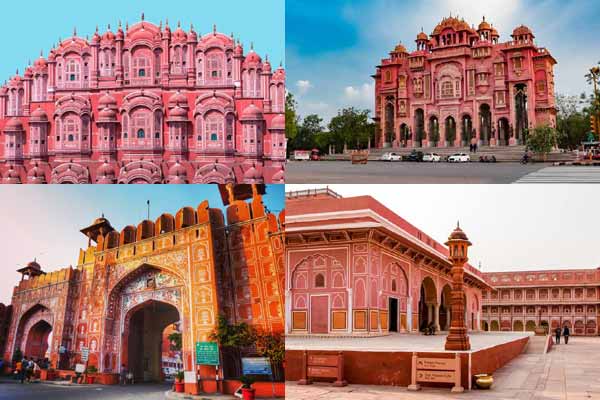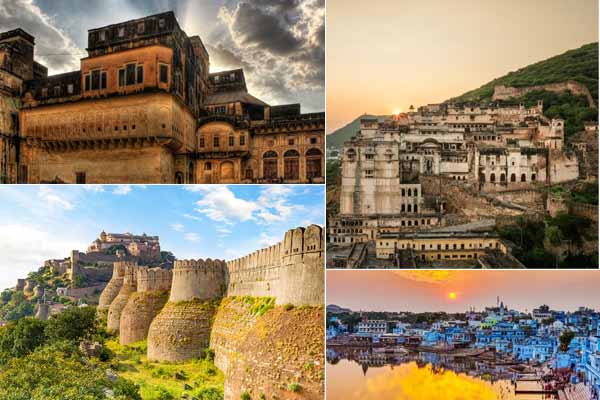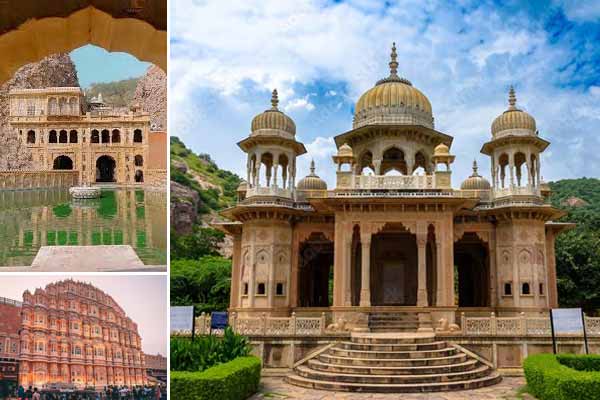

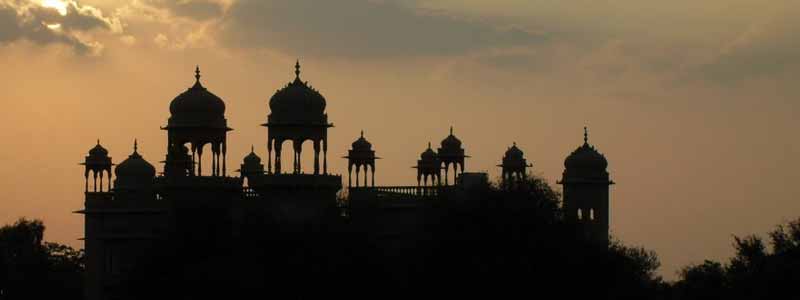


Why havelis in Rajasthan are grand traditional mansions that reflect the region’s rich architectural heritage, opulent lifestyle, and artistic excellence. Built mainly between the 18th and early 20th centuries by wealthy merchants, nobles, and landlords, these havelis served as luxurious residences and symbols of status and prosperity.
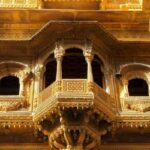
Rajasthan’s havelis are known for their intricate frescoes, elaborate carvings, jharokhas (overhanging balconies), courtyards, and ornate wooden doors. Each element was carefully designed not just for aesthetic appeal but also for functionality, such as ventilation and privacy in the harsh desert climate.
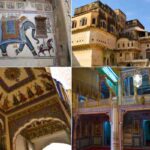
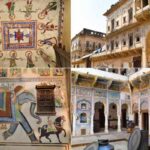
Cities like Shekhawati, Jaisalmer, Bikaner, and Udaipur are famous for their beautifully preserved havelis. In Shekhawati, for example, towns like Mandawa and Nawalgarh are often called “open-air art galleries” due to the richly painted havelis with scenes from mythology, daily life, and even colonial influences.
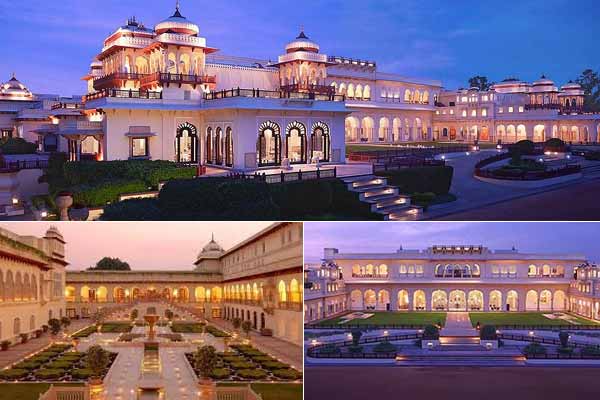
These architectural marvels offer a glimpse into the lavish lifestyles of Rajasthan’s past and its thriving trade routes. Today, many havelis have been restored as boutique hotels, museums, or cultural centers, attracting tourists and heritage lovers from around the world. They stand as proud reminders of Rajasthan’s vibrant history and craftsmanship.

What is a Haveli?
A Haveli is a traditional mansion or townhouse in India, especially in Rajasthan and Gujarat. The word “Haveli” originates from the Arabic word hawali, meaning “partition” or “enclosure.” In the Indian context, havelis were large private residences, often owned by wealthy merchants, nobles, or aristocrats.
In Rajasthan, havelis served as the home, workplace, and status symbol of the merchant class and nobility. They are typically characterized by:
- Large courtyards (central open spaces)
- Intricate stone or wood carvings
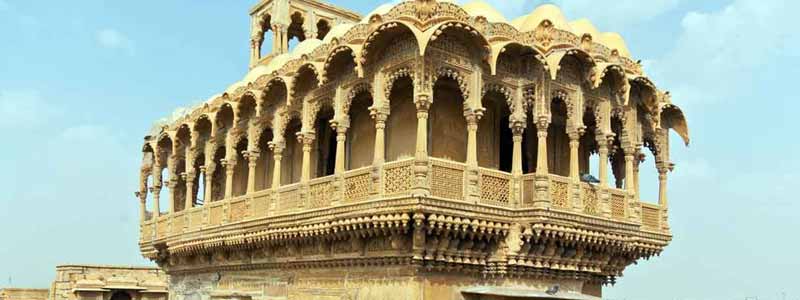
- Ornate jharokhas (overhanging enclosed balconies)
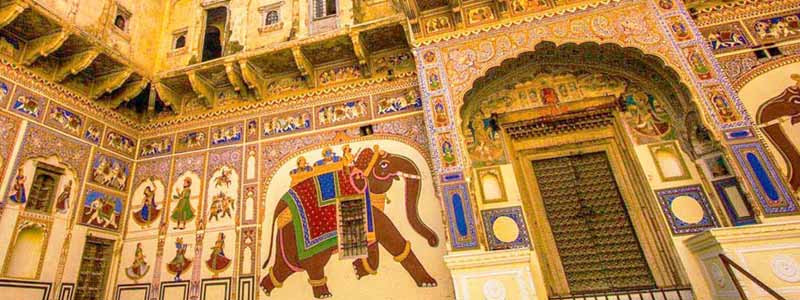
- Frescoes and murals depicting mythology, local legends, and everyday life
- Fortified walls and gates for security
- Multiple rooms arranged around the courtyard for privacy and ventilation
Historical Background of Havelis in Rajasthan
The rise of havelis in Rajasthan dates back to the 17th and 18th centuries during the Mughal period and later under the Rajput kingdoms. During this era, Rajasthan flourished as a center of trade and commerce. The merchant class (banias), traders, and wealthy landlords commissioned these grand mansions to showcase their wealth, social standing, and cultural sophistication.
Many havelis were built in trade hubs and towns like:
- Jaisalmer (famous for its sandstone havelis)
- Shekhawati region (known as the “open art gallery” of Rajasthan for its painted havelis)
- Udaipur
- Jaipur
- Bikaner
The Shekhawati region’s havelis are especially celebrated for their vivid fresco paintings that adorn the walls, narrating stories from Hindu mythology, folk tales, historical events, and everyday life scenes.
Why Visit Havelis in Rajasthan?
- Architectural Beauty: The intricate woodwork, frescoes, and design reflect the skilled craftsmanship of bygone eras.
- Cultural Experience: Havelis serve as cultural time capsules, giving insight into the lives of Rajasthan’s merchant class.
- Photography: Their colorful exteriors and detailed interiors are a paradise for photographers.
- Heritage Hotels: Many havelis offer luxury accommodations with authentic Rajasthani cuisine and cultural performances.
- Historical Learning: Visitors can learn about Rajasthan’s socio-economic history through the stories told by these grand mansions.
Famous Havelis of Rajasthan
Several havelis in Rajasthan have gained fame for their historical importance, architectural beauty, and preservation. Here are some of the most notable ones:
1. Patwon Ki Haveli – Jaisalmer
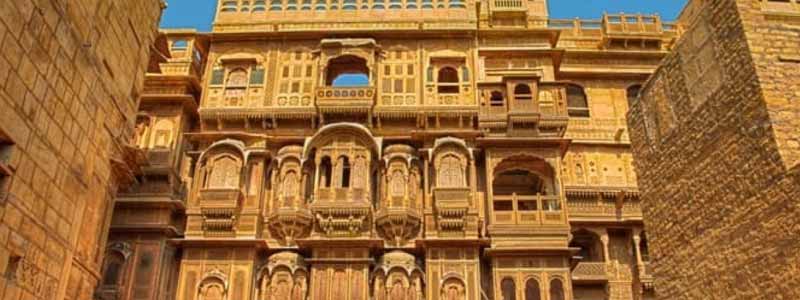
Arguably the most famous haveli in Rajasthan, Patwon Ki Haveli is actually a cluster of five havelis built by a wealthy merchant, Guman Chand Patwa, in the early 19th century. It features exquisite frescoes, mirror work, and intricate carvings. Located in the heart of Jaisalmer’s old town, it’s a stunning example of the ornate architectural style typical of the desert city.
2. Nathmal Ki Haveli – Jaisalmer
Built in the 19th century, Nathmal Ki Haveli is known for its symmetrical architecture and beautiful fusion of Rajput and Islamic styles. The haveli has detailed carvings on sandstone and intricately decorated balconies.
3. Rani Mahal Haveli – Bundi
The Rani Mahal in Bundi is part of a larger palace complex, but many havelis in Bundi are famous for their beautiful murals and wall paintings. Bundi’s havelis are noted for their unique blue color and intricate frescoes depicting scenes from Hindu mythology.
4. Ramgarh Lake Havelis – Jaipur
While Jaipur is better known for its forts and palaces, the city also has several beautiful merchant havelis near Ramgarh Lake. These have lovely courtyards and delicate woodwork.
5. Mandawa Havelis – Shekhawati Region
The Shekhawati region, often called the “Open Art Gallery of Rajasthan,” is dotted with hundreds of havelis adorned with colorful frescoes and murals. Mandawa is a key town where travelers come to explore stunning painted havelis like the Chokhani Haveli, Goenka Haveli, and Hanuman Prasad Goenka Haveli. These havelis narrate stories from Indian epics, folklore, and daily life, painted with vibrant colors that have survived centuries.
Visiting Havelis: Experiencing Rajasthan’s Heritage
Exploring Rajasthan’s havelis offers a unique cultural experience that goes beyond sightseeing. Walking through their courtyards, admiring the frescoes, and learning about the stories behind the carvings helps visitors connect with the past.
Some havelis now serve as heritage hotels, allowing guests to live like royalty amidst period furnishings, traditional decor, and warm Rajasthani hospitality. Staying in these havelis provides an immersive experience of Rajasthan’s regal lifestyle.