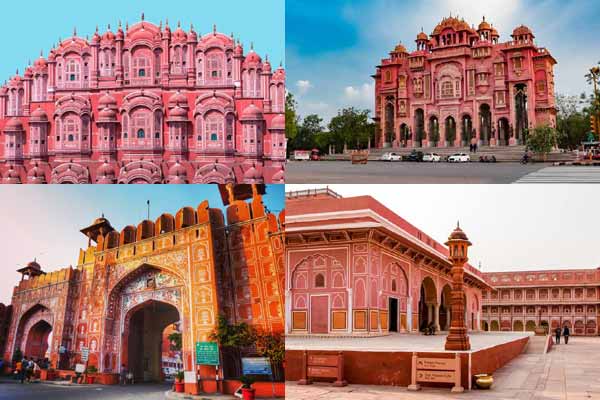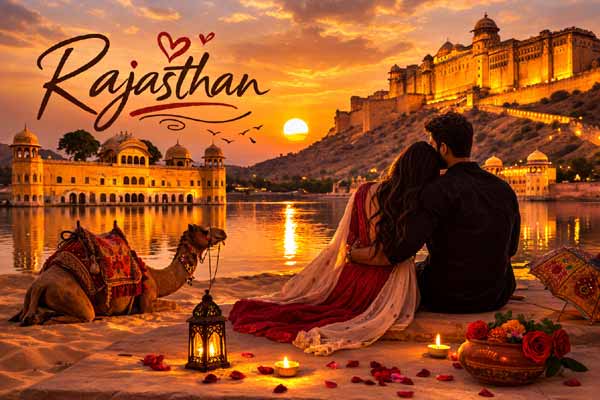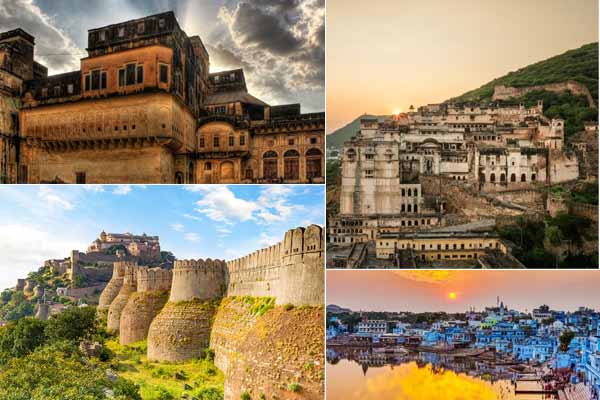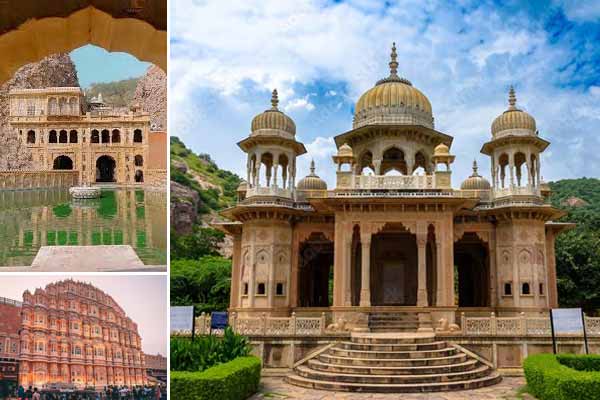

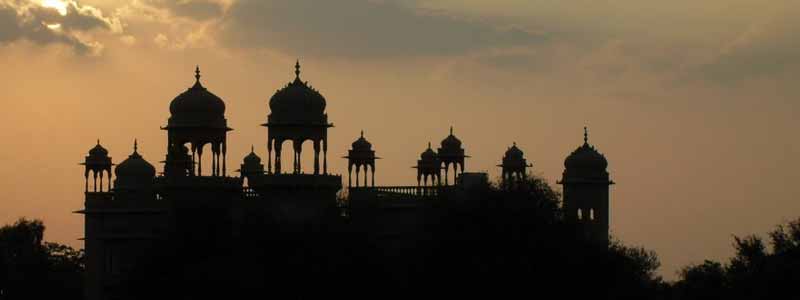


Top 21 Things to do in Rajasthan, the “Land of Kings,” offers a majestic blend of desert adventure and royal heritage. To experience the heart of this vibrant state in 2026, start in Jaipur, the Pink City, by exploring the sprawling Amber Fort and the iconic honeycomb facade of Hawa Mahal. For a modern thrill, take a hot air balloon ride at sunrise over the Aravalli hills.
Head west to Jaisalmer, the Golden City, to wander through the world’s only “living fort” and spend a night desert camping under the stars at Sam Sand Dunes. In Jodhpur, the Blue City, adrenaline seekers can zip-line over the massive Mehrangarh Fort, while history buffs visit the serene Jaswant Thada.
Udaipur, the Venice of the East, is perfect for a sunset boat ride on Lake Pichola, offering stunning views of the Lake Palace. For wildlife enthusiasts, a tiger safari in Ranthambore National Park is essential. Alternatively, visit the sacred town of Pushkar to see the rare Brahma Temple or the famous Camel Fair in November.
From the intricate frescoes of Shekhawati’s havelis to the ancient stepwells of Bundi, Rajasthan is a sensory masterpiece. End your journey with authentic Dal Baati Churma and a traditional puppet show, capturing the timeless soul of India’s most colorful state.
21 Best Things To Do In Rajasthan
Rajasthan is a state that offers plenty of things to do to its travelers including sand dune bashing, camel safari, and more. Take a look at the best things to do in Rajasthan for a heartwarming experience while holidaying there. Keep scrolling down and read along!
1. Explore Amber Fort (Jaipur)
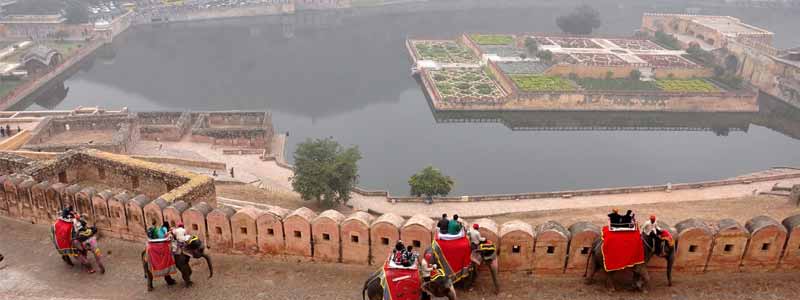
Perched majestically on the Aravalli Hills, Amber Fort (or Amer Fort) is a UNESCO World Heritage site and the crown jewel of Jaipur. Built in 1592 by Raja Man Singh I, this sandstone and marble marvel seamlessly blends Hindu and Mughal architectural styles.
The fort is divided into four main sections, each with its own courtyard. Visitors enter through the Suraj Pol (Sun Gate) into Jaleb Chowk, where victorious armies once gathered. The highlights include the Diwan-i-Aam (Hall of Public Audience) and the breathtaking Sheesh Mahal (Mirror Palace), where thousands of tiny mirrors reflect even a single candle to resemble a starry night.
To experience the fort’s royal essence, you can ascend the hill via a traditional elephant ride or a jeep. Don’t miss the Sukh Niwas, featuring an ancient cooling system, and the evening light and sound show that narrates the fort’s 600-year history under the desert sky.
2. Admire Hawa Mahal (Jaipur)
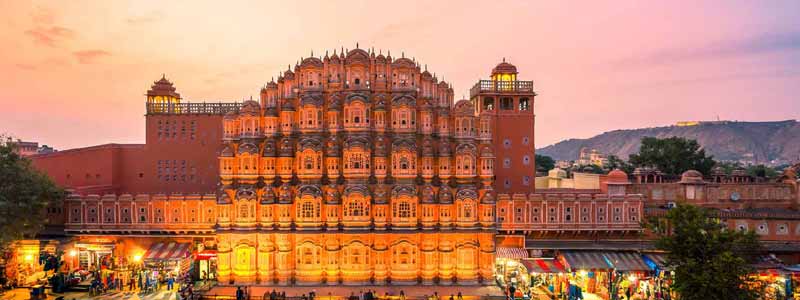
Hawa Mahal, or the “Palace of Winds,” is the crown jewel of Jaipur’s Pink City. Built in 1799 by Maharaja Sawai Pratap Singh, this five-story architectural marvel was designed by Lal Chand Ustad to resemble the crown of Lord Krishna. Its most striking feature is the honeycomb facade, which boasts 953 intricate latticed windows known as jharokhas.
These windows were more than just decorative; they served a dual purpose. First, they acted as a natural air-conditioning system, utilizing the Venturi effect to circulate cool breezes through the palace during Rajasthan’s scorching summers. Second, they allowed royal women—who practiced the purdah system—to observe street festivals and daily life in the bustling Johari Bazaar without being seen by the public.
Interestingly, the famous facade is actually the back of the building, and the structure uniquely stands without a foundation. For the best experience, visit at sunrise to see the pink sandstone glow in the soft morning light.
3. Discover City Palace (Jaipur)
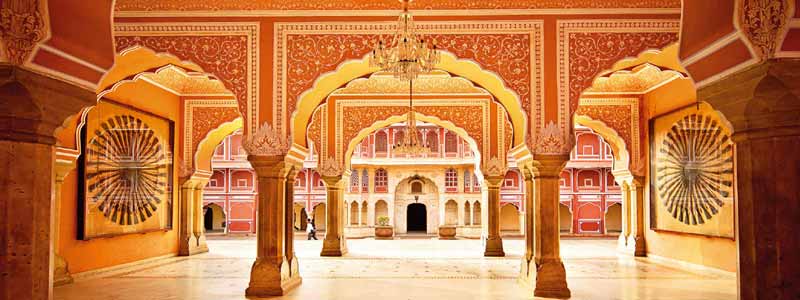
In the heart of the “Pink City,” the City Palace of Jaipur is a magnificent sprawling complex where history and royalty still live side by side. Built in 1727 by Maharaja Sawai Jai Singh II, it is a flawless fusion of Rajput, Mughal, and European architecture.
A major highlight is the Pritam Niwas Chowk, a courtyard featuring four stunning gates—the most famous being the Peacock Gate—representing the four seasons. Nearby, the Diwan-i-Khas displays two massive sterling silver urns, officially the world’s largest, which once carried Ganges water for the Maharaja’s trip to London.
The Mubarak Mahal houses a rich textile museum, while the seven-story Chandra Mahal remains the private residence of the Jaipur royal family (though parts are open via premium tours). From its intricate marble carvings and vibrant murals to the rhythmic presence of traditional guards, a visit here offers a rare, intimate glimpse into India’s enduring regal legacy.
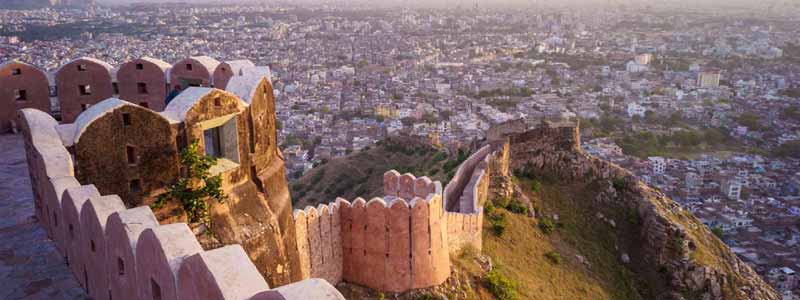
4. Sunset at Nahargarh Fort (Jaipur)
Perched on the rugged Aravalli edge, Nahargarh Fort offers Jaipur’s most atmospheric sunset. As the day ends, the “Abode of Tigers” transforms into a grand balcony overlooking the sprawling Pink City.
The experience begins with a winding drive uphill, revealing panoramic glimpses of the city below. For the best view, head to the west-facing ramparts or the open-air Padao Restaurant. As the sun dips behind the horizon, the sky bleeds into shades of fiery orange and deep violet, casting a golden glow over the sandstone architecture.
This is the “Golden Hour” at its finest. Slowly, the urban chaos fades into a silent hum, and the city below begins to twinkle like a fallen constellation. Whether you are perched on the ancient stone walls or enjoying a drink at the summit, the transition from daylight to a glittering nightscape is a meditative, essential Jaipur ritual that stays with you long after the stars appear.
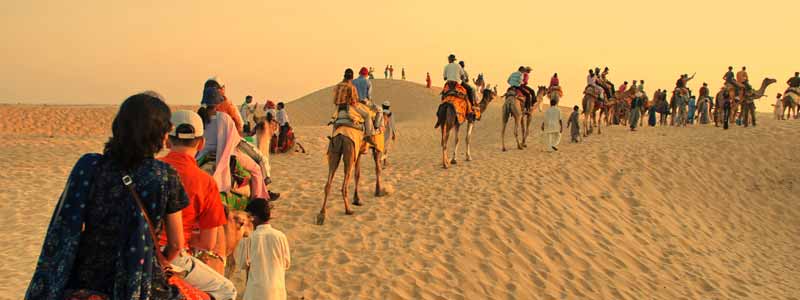
5. Camel Safari in the Thar Desert (Jaisalmer)
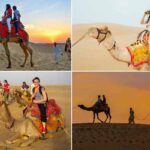
A camel safari in the Thar Desert is the quintessential Jaisalmer experience, offering a rhythmic journey into the heart of Rajasthan’s “Golden City.” Riding atop a dromedary—the “ship of the desert”—you’ll traverse rolling sand dunes that glow a brilliant orange as the sun sets.
Most safaris depart in the late afternoon, often including stops at the haunting ruins of Kuldhara or the Khaba Fort. For a truly immersive adventure, choose an overnight trek. This allows you to witness the desert’s transformation from the heat of the day to the cool, sapphire stillness of night. You’ll enjoy a traditional Rajasthani meal cooked over a wood fire and sleep under a “million-star hotel”—a clear, unpolluted sky that is a stargazer’s paradise.
Whether you choose the popular, vibrant Sam Sand Dunes or the quieter, more authentic Khuri, the experience connects you to the timeless, nomadic soul of the desert.
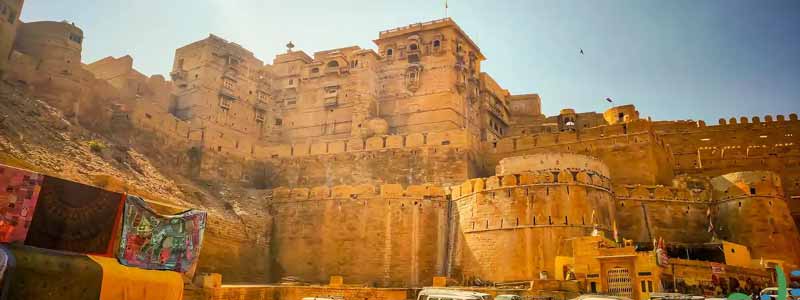
6. Explore Jaisalmer Fort (Golden Fort)
Rising majestically from the heart of the Thar Desert, Jaisalmer Fort, also known as Sonar Quila (Golden Fort), is a breathtaking UNESCO World Heritage Site. Built in 1156 AD by Rawal Jaisal, it is famously one of the world’s few “living forts,” housing nearly 3,000 residents within its massive yellow sandstone walls.
As the sun moves across the sky, the fort’s honey-hued ramparts transform from a tawny lion color to a brilliant gold, a natural camouflage that once protected it from invaders. Inside, you can wander through a labyrinth of narrow alleys to discover the intricate Rani Ka Mahal (Queen’s Palace) and seven stunning Jain Temples dating back to the 12th century, renowned for their exquisite stone carvings.
From the high bastions, you can enjoy panoramic views of the “Golden City” and the vast desert horizon. Whether you’re shopping for local handicrafts or sipping chai at a rooftop café, the fort offers a rare, immersive step back into medieval history.
7. Visit Patwon Ki Haveli (Jaisalmer)
Nestled in the narrow golden lanes of Jaisalmer, Patwon Ki Haveli is the city’s largest and most significant architectural marvel. Built between 1805 and 1860 by the wealthy merchant Guman Chand Patwa, this site is actually a magnificent cluster of five interconnected mansions—one for each of his five sons.
Known as the “Mansion of Brocade Merchants,” its yellow sandstone facade is a masterclass in Rajputana-Mughal craftsmanship. Visitors are greeted by over 60 intricately carved jharokhas (balconies) and delicate latticework so fine it resembles lace. Inside, the rooms are a sensory treasure trove, featuring vibrant frescoes, mirror-tiled walls, and a private museum showcasing 19th-century artifacts, turbans, and traditional kitchenware.
The haveli’s design is also a feat of engineering; the elevated platforms and ventilated star-shaped holes naturally cool the interiors against the desert heat. Visiting at sunrise or sunset offers a magical experience, as the sandstone glows like burnished gold under the shifting light.
8. Attend Jaisalmer Desert Festival
The Jaisalmer Desert Festival (or Maru Mahotsav) is a three-day cultural extravaganza that transforms the “Golden City” into a vibrant stage of Rajasthani heritage. In 2026, the festival is scheduled from January 30 to February 1, coinciding with the full moon.
The festivities begin with a grand ceremonial procession (Shobha Yatra) from the historic Jaisalmer Fort to the Shahid Poonam Singh Stadium. Visitors are treated to a spectacle of traditional folk dances like the swirling Ghoomar and the snake-charming Kalbeliya, accompanied by the soulful melodies of Manganiyar musicians.
Unique “quirky” competitions are the heart of the event, including the famous longest moustache contest, turban-tying races, and the “Mr. Desert” (Maru Shri) pageant. Camels take center stage with polo matches, races, and even “camel acrobatics.” The grand finale takes place at the Sam Sand Dunes, where fire dancers and fireworks illuminate the desert night under a starry sky, offering an unforgettable immersion into the spirit of the Thar.
9. Boat Ride on Lake Pichola (Udaipur)
A boat ride on Lake Pichola is the quintessential Udaipur experience, offering a serene escape into the city’s royal past. This 14th-century artificial freshwater lake, named after the nearby Picholi village, is flanked by magnificent palaces, ancient temples, and decorative “ghats” (stone steps).
The journey typically begins at Rameshwar Ghat or the City Palace jetty. As the boat glides across the mirror-like water, you are treated to a panoramic view of the City Palace towering over the eastern bank. You will pass the iconic Taj Lake Palace, a white marble marvel that seems to float on the water, famously featured in the James Bond film Octopussy.
Most rides include a stop at Jag Mandir, an island palace where you can stroll through marble-paved courtyards and lush gardens. The experience is most magical at sunset, when the golden hour bathes the Aravalli Hills and the city’s skyline in a warm, amber glow.
10. Experience Lake Palace (Udaipur)
Floating like a white marble mirage in the center of Lake Pichola, the Lake Palace (now a Taj Luxury Hotel) offers one of the world’s most romantic experiences. Originally built in 1746 as a summer retreat for Maharana Jagat Singh II, the palace is accessible only by private boat, ensuring an immediate sense of royal seclusion.
As you step onto the jetty, you are greeted with a shower of rose petals and a traditional Rajasthani welcome. The architecture is a masterpiece of intricate carvings, lily-filled courtyards, and shimmering corridors. Guests can enjoy a signature sunset cruise, watching the Aravalli Hills turn purple as the city lights of Udaipur begin to twinkle.
For the ultimate indulgence, dine at Neel Kamal for authentic Rajasthani flavors or book a spa treatment on the Jiva Spa boat. Staying here isn’t just a hotel visit; it is a journey back to the era of Mewar royalty.
11. Explore Mehrangarh Fort (Jodhpur)
Dominating the Jodhpur skyline from a 400-foot basalt cliff, Mehrangarh Fort is a masterpiece of Rajput power and artistry. Founded in 1459 by Rao Jodha, this “Citadel of the Sun” is enclosed by massive walls that still bear the scars of historic cannonball attacks.
Inside, the fort transitions from a rugged military bastion to a series of opulent palaces. Highlights include the Moti Mahal (Pearl Palace) with its lustrous lime-plaster surfaces, the gold-drenched Phool Mahal (Flower Palace), and the shimmering Sheesh Mahal. The award-winning museum houses a world-class collection of royal palanquins, elephant howdahs, and fine miniature paintings.
Beyond the architecture, visitors can seek blessings at the Chamunda Mataji Temple or glide over the battlements on the Flying Fox zip-line. At sunset, the ramparts provide a breathtaking panoramic view of the “Blue City” below, proving why Rudyard Kipling described it as “the work of giants.”
12. Visit Jaswant Thada (Jodhpur)
Often called the “Taj Mahal of Marwar,” Jaswant Thada is an architectural masterpiece of serenity located just a short distance from the imposing Mehrangarh Fort. Built in 1899 by Maharaja Sardar Singh in memory of his father, Maharaja Jaswant Singh II, this royal cenotaph is constructed entirely from intricately carved sheets of Makrana marble. These marble walls are polished so thin that they emit a warm, ethereal glow when filtered by the sunlight.
The complex is a peaceful escape from Jodhpur’s bustle, featuring a multi-tiered garden, a tranquil lake, and several carved gazebos. Inside the main memorial, you will find a gallery of portraits showcasing the rulers of Marwar, alongside delicate jali (lattice) work that exemplifies the finest Rajputana craftsmanship.
Pro Tip: Visit in the early morning or late afternoon to see the marble at its most luminous and to enjoy the panoramic views of Jodhpur’s blue houses against the desert landscape.
13. Wildlife Safari at Ranthambore National Park
A safari at Ranthambore National Park is a thrilling journey into the wild heart of Rajasthan. Spanning 1,334 square kilometers at the junction of the Aravalli and Vindhya ranges, this former royal hunting ground is now a premier sanctuary for the Royal Bengal Tiger.
Visitors can choose between a 6-seater Jeep for a personalized experience or a 20-seater Canter for larger groups. Guided by expert naturalists, these safaris traverse ten distinct zones, with the core zones (1–5) being most popular for spotting predators. While tigers are the stars, the dry deciduous forests and picturesque lakes like Padam Talao also house leopards, sloth bears, marsh crocodiles, and over 300 bird species.
Beyond the wildlife, the park is unique for its dramatic backdrop of the 10th-century Ranthambore Fort, a UNESCO World Heritage site. For the best sightings, visit during the dry summer months when animals gather at waterholes.
14. Visit Ranakpur Jain Temples
Deep in the lush Aravalli Range, the 15th-century Ranakpur Jain Temple stands as one of India’s most breathtaking architectural wonders. Dedicated to Lord Adinatha, this white marble masterpiece is legendary for its “forest” of 1,444 uniquely carved pillars. Astonishingly, no two columns share the same design, and they are cleverly positioned to never obstruct the view of the central deity from any angle.
Inside, the cool marble floors provide a sanctuary from the Rajasthan heat. As sunlight filters through the intricate stone lacework, the pillars appear to shift in color from golden to pale blue. Look upward to see the ceilings adorned with exquisite foliate scrollwork and concentric geometric patterns. Don’t miss the Sahastrafana Parshvanath sculpture, featuring 108 snake hoods carved from a single marble slab. Whether you are seeking spiritual peace or artistic inspiration, Ranakpur’s sheer scale and silent grandeur make it an essential stop between Udaipur and Jodhpur.
15. Explore Kumbhalgarh Fort
Rising majestically from the Aravalli Range, Kumbhalgarh Fort is a definitive masterpiece of Rajput military architecture. Built by Rana Kumbha in the 15th century, this UNESCO World Heritage site is most famous for its formidable perimeter wall. Stretching 36 kilometers, it is the second-longest continuous wall in the world, surpassed only by the Great Wall of China.
The fort’s strategic brilliance is unmatched; its massive walls, thick enough for eight horses to ride abreast, rendered it virtually impregnable throughout history. Inside, the complex houses over 360 ancient temples, including the stunning Neelkanth Mahadev Temple, and the soaring Badal Mahal, or “Palace of Clouds.” Standing at the palace’s highest point, visitors are rewarded with breathtaking panoramic views of the rugged desert landscape and lush green hills. Whether you are trekking along the ramparts or witnessing the evening light and sound show, Kumbhalgarh offers a powerful glimpse into the legendary valor of the Mewar Kingdom.
16. Explore Chittorgarh Fort
Chittorgarh Fort, a UNESCO World Heritage site and India’s largest fort complex, stands as a colossal 700-acre testament to Rajput bravery. Perched atop a 180-meter hill, this “living monument” is famously defined by its history of three legendary sieges and the stories of Rani Padmini and Meera Bai.
Visitors enter through seven massive gateways to discover architectural marvels like the Vijay Stambh (Victory Tower), which rises nine stories with intricate carvings, and the Kirti Stambh (Tower of Fame), dedicated to Jainism. The sprawling ruins house 65 structures, including the Rana Kumbha Palace—the fort’s oldest building—and the serene Padmini Palace overlooking a reflection pool.
Beyond its battlements, the fort features 22 functional water bodies, including the sacred Gaumukh Reservoir. As evening falls, the legendary tales of sacrifice (Jauhar) and valor are brought to life through a dramatic light and sound show, making it an essential pilgrimage for history enthusiasts.
17. Tour Shekhawati Region (Mandawa & Nawalgarh)
The Shekhawati region, often hailed as the “Open Air Art Gallery of the World,” is a treasure trove of 18th and 19th-century merchant mansions known as havelis. Located in northern Rajasthan, towns like Mandawa and Nawalgarh showcase the opulent lifestyle of the Marwari trading community.
In Mandawa, the gateway to the region, the narrow lanes are lined with vibrant frescoes. Notable stops include the Murmuria Haveli, famous for blending traditional themes with modern motifs like cars and trains, and the Jhunjhunwala Haveli, which features a room decorated in real gold leaf.
Nawalgarh is considered the region’s cultural heart, boasting some of the most well-preserved art. The Podar Haveli Museum is a must-visit, housing over 750 frescoes that depict everything from religious mythology to colonial-era inventions. These towns offer a surreal journey into India’s artistic past, where every wall tells a story of trade, tradition, and the fascinating encounter between the East and the West.
18. Visit Junagarh Fort (Bikaner)
Unlike many of Rajasthan’s hilltop bastions, Junagarh Fort rises directly from the desert plains of Bikaner. Originally named Chintamani, this formidable structure was built between 1589 and 1594 by Raja Rai Singh, a distinguished general in the Mughal Emperor Akbar’s army. The fort is renowned for its “unconquered” legacy, having survived numerous centuries of conflict without ever being captured.
The architecture is a spectacular fusion of Rajput strength and Mughal elegance, crafted primarily from red sandstone and marble. Inside, the complex is a labyrinth of 37 ornate palaces. Highlights include the Anup Mahal, shimmering with red and gold lacquer work, and the Badal Mahal (Cloud Palace), uniquely painted with blue motifs to evoke rain in the arid Thar Desert. The fort also houses the Ganga Mahal Museum, which displays a rare British-era biplane. A walk through its seven massive gates, like the sun-facing Suraj Pol, reveals the opulent soul of Bikaner’s royal past.
19. Attend Pushkar Camel Fair
The Pushkar Camel Fair, or Pushkar Mela, is one of the world’s largest livestock festivals and a dazzling showcase of Rajasthani heritage. Held annually in the holy town of Pushkar, the 2025 fair (scheduled for October 30 – November 5) transforms the desert into a kaleidoscope of color and activity.
The event’s heart is the massive livestock market, where thousands of camels, horses, and cattle are traded by villagers in traditional attire. Beyond commerce, it is a cultural carnival featuring quirky contests like the Longest Moustache competition, turban-tying races, and beautifully decorated camel pageants.
Spirituality remains central; during the final days, pilgrims gather for a holy dip in Pushkar Lake on Kartik Purnima to wash away sins. For travelers, the experience is enriched by hot air balloon rides at sunrise, Ferris wheels, and evening folk music performances under the stars. It is a rare, vibrant immersion into rural India’s soul.
20. Explore Ajmer Sharif Dargah
Ajmer Sharif Dargah, the final resting place of the revered Sufi saint Khwaja Moinuddin Chishti, stands as a powerful beacon of peace and communal harmony in Rajasthan. Established in the 13th century, this “living” shrine attracts millions of pilgrims of all faiths, earning the saint the title Gharib Nawaz, or “Benefactor of the Poor.”
The complex is a masterpiece of Indo-Islamic architecture, featuring grand silver doors, white marble courtyards, and a majestic gold-plated dome. Visitors enter through the towering Nizam Gate and Buland Darwaza, often moved by the soulful echoes of Qawwali (devotional music) that fill the air at dusk. A unique highlight is the pair of massive cauldrons, or degs, donated by Mughal Emperors Akbar and Jahangir, used to cook sweet kheer for thousands. Tying a thread on the lattice screens while making a wish remains a timeless tradition for those seeking spiritual solace and divine blessings.
21. Village Safari in Bishnoi Villages (Jodhpur)
A Bishnoi Village Safari offers a profound look into the eco-friendly soul of rural Rajasthan. Located just 22 km from Jodhpur, these villages are home to the Bishnoi community—India’s original conservationists who follow 29 principles centered on protecting nature and wildlife.
During a half-day jeep safari, you will traverse the rugged Thar landscape to spot Blackbucks, Chinkaras, and migratory cranes grazing peacefully, often just meters from local homes. The journey includes stops at Guda Bishnoi Lake, a natural oasis attracting diverse birdlife, and the historic village of Khejarli, where locals once sacrificed their lives to save sacred trees.
Beyond wildlife, the safari is a deep dive into traditional craftsmanship. You can watch master potters at work, see Salawas weavers hand-looming intricate durry rugs, and witness the ancient art of block printing. Ending with a simple, home-cooked Rajasthani meal and an opium tea ceremony, this experience connects you to a timeless, harmonious way of life.