Top 12 National Parks in Rajasthan for Wildlife Safaris
rtp123
Top 12 National Parks in Rajasthan for Wildlife Safaris offers exceptional wildlife safari experiences through its prominent national parks and reserves.
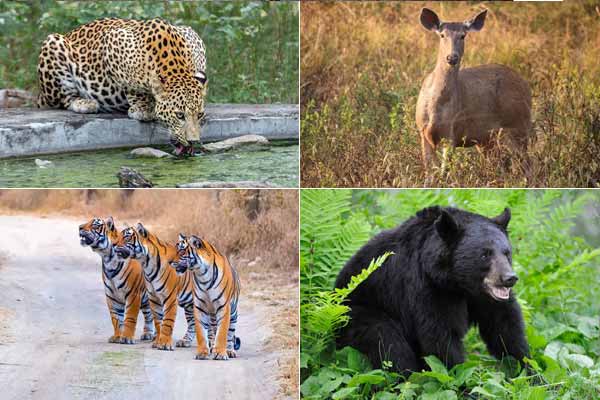
Ranthambore National Park is the state’s most famous tiger reserve, renowned for easy sightings of the majestic Royal Bengal Tiger. Safaris also reveal leopards, sloth bears, sambar deer, and a variety of birds amidst ancient ruins, including the Ranthambore Fort.
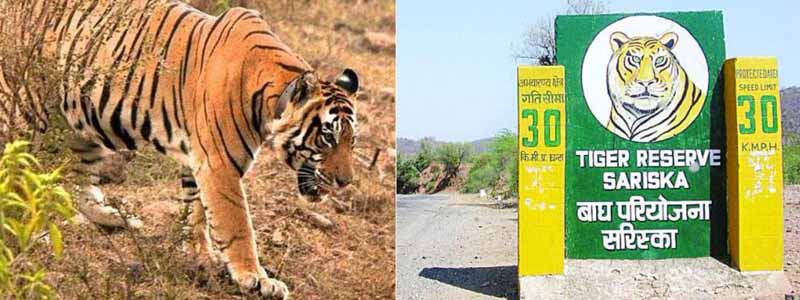
Sariska Tiger Reserve in the Aravalli Hills is another key tiger habitat, featuring a mix of dry deciduous forest and rocky terrain, home to tigers, leopards, hyenas, and various deer species.
For birdwatching enthusiasts, the UNESCO World Heritage site of Keoladeo Ghana National Park (Bharatpur Bird Sanctuary) is a must-visit. This wetland ecosystem is a haven for over 370 bird species, including thousands of migratory waterfowl.
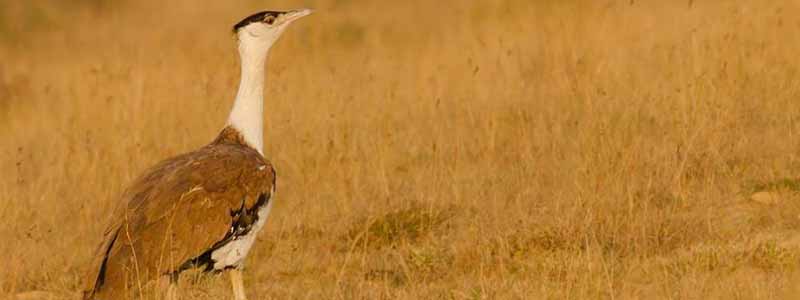
Desert National Park near Jaisalmer protects the unique ecosystem of the Thar Desert and is the best place to spot the endangered Great Indian Bustard, alongside Chinkaras and desert foxes.
Additionally, the Jawai Leopard Conservation Reserve is celebrated for its high density of leopards. These diverse parks make Rajasthan a premier destination for wildlife safaris in India.
The national parks in Rajasthan are unique as compared to the other national parks of India, as they largely show the natural diversity found in the desert. One can see a wide variety of birds at the Bharatpur National Park or have the rare opportunity of interacting with tigers at the Ranthambore National Park. There are 5 National Parks
Top 12 National Parks in Rajasthan for Wildlife Safaris
Ranthambore National Park, Sawai Madhopur
Ranthambore National Park, located in the Sawai Madhopur district, is arguably Rajasthan’s most famous wildlife destination and one of the best places globally to spot the majestic Royal Bengal Tiger in the wild.
Once the hunting grounds of the Maharajas of Jaipur, the park is a vital Project Tiger reserve set amidst the junction of the Aravalli and Vindhya ranges. Its landscape is a unique blend of dense dry-deciduous forests, open grasslands, ancient ruins, and picturesque lakes.
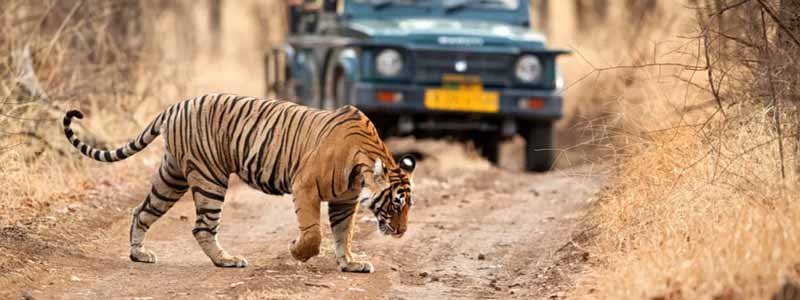
In addition to the celebrated tigers, wildlife safaris—conducted via Jeep (Gypsy) or Canter (open bus)—offer sightings of leopards, sloth bears, sambar deer, striped hyenas, and a rich variety of birdlife. The historic, 10th-century Ranthambore Fort sits within the park, adding a unique heritage dimension to the wildlife experience.
The park is generally open from October to June. The peak tourist season (October to March) offers pleasant weather, while the summer months (April to June) increase tiger sightings as animals gather around shrinking water sources. Safari bookings must be made well in advance through the Forest Department’s online system.
Top 12 National Parks in Rajasthan for Wildlife Safaris
Sariska Tiger Reserve, Alwar
The Sariska Tiger Reserve is a renowned wildlife sanctuary nestled in the Aravalli hills of the Alwar district, Rajasthan. Spanning over 800 sq km of grasslands, dry deciduous forests, and cliffs, it was declared a wildlife sanctuary in 1958 and became a part of Project Tiger in 1978.
Sariska is globally significant as the first reserve to have successfully relocated tigers, following the local extinction of the big cats around 2004. Today, it is home to the majestic Bengal Tiger, leopards, jungle cats, sambar deer, nilgai, and a diverse population of over 220 bird species.
Visitors can explore the reserve through Jeep or Canter safaris conducted in morning and evening shifts. The best time to visit for pleasant weather is from October to April. Besides wildlife, the reserve holds historical interest with sites like the ruins of the 16th-century Kankwadi Fort and ancient temples such as Pandupol Hanuman Temple and Neelkanth Temple inside its boundaries.
Top 12 National Parks in Rajasthan for Wildlife Safaris
Keoladeo Ghana National Park (Bharatpur Bird Sanctuary), Bharatpur
Keoladeo Ghana National Park (Bharatpur Bird Sanctuary), located in Bharatpur, Rajasthan, is a world-renowned UNESCO World Heritage Site and a critical wetland ecosystem. Formerly a royal duck-shooting preserve, it was declared a national park in 1982.
The park is often called a “Bird Paradise,” hosting over 370 species of resident and migratory birds. It sits strategically on the Central Asian Flyway and serves as a major wintering ground for numerous migratory waterfowl, including ducks, geese, pelicans, and waders. Historically, it was the only known wintering site in India for the critically endangered Siberian Crane.
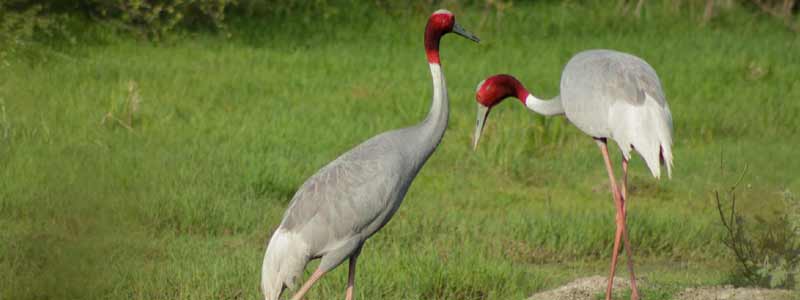
The diverse habitat includes grasslands, woodlands, and wetlands, supporting a rich variety of fauna, such as the Painted Stork, Sarus Crane, various raptors, and mammals like Nilgai, Sambar deer, and Golden Jackals. Visitors primarily explore the park on foot, bicycle, or eco-friendly cycle rickshaws guided by local naturalists. The best time to visit is from October to March to witness the arrival of migratory birds.
Top 12 National Parks in Rajasthan for Wildlife Safaris
Desert National Park, Jaisalmer
The Desert National Park (DNP) in Jaisalmer, Rajasthan, is one of India’s largest national parks, sprawling over an area of about 3,162 sq km in the heart of the Thar Desert. Its landscape is a unique blend of undulating sand dunes (covering around 44%), craggy rocks, and compact salt lake bottoms, offering a spectacular showcase of the desert ecosystem.
Despite its arid environment, the DNP supports a surprising diversity of wildlife. It is famous as a critical habitat for the critically endangered Great Indian Bustard (GIB), making it a birdwatcher’s paradise. Other fauna includes the Chinkara (Indian Gazelle), Blackbuck, Desert Fox, and a variety of raptors and migratory birds, especially during winter.
The best time to visit is from October to March, when the weather is pleasant. Popular activities include Jeep Safaris and Camel Safaris to explore the vast terrain and view the wildlife, including the majestic GIB. The park also features 180-million-year-old plant and animal fossils, adding a geological dimension to the visit.
Top 12 National Parks in Rajasthan for Wildlife Safaris
The Kumbhalgarh Wildlife Sanctuary, spanning parts of the Rajsamand, Udaipur, and Pali districts, is a vital ecological stretch of the Aravalli Range and encircles the majestic Kumbhalgarh Fort.
This sanctuary is perhaps most famous for being a protected habitat for the endangered Indian Wolf, with a significant population inhabiting its rugged terrain. The forest, a mix of dry deciduous species, is also a prime location for spotting the elusive Indian Leopard and the gentle Sloth Bear.
Other prominent wildlife includes the Chausingha (four-horned antelope), Sambar deer, Nilgai, Chinkara, and a variety of birds, notably the shy Grey Junglefowl.
Tourists can experience the sanctuary’s rich biodiversity through Jeep Safaris and trekking, with a popular 15 km route running from Kumbhalgarh to Thandi Beri. It offers a unique blend of wildlife adventure with a touch of history, being seamlessly connected with the heritage of the massive fort.
Mukundara Tiger Reserve (Darrah National Park), Kota
Mukundra Tiger Reserve is now the third tiger reserve of Rajasthan is also known as Darrah wildlife sanctury in the past is located in the southerneastern part of Kota town of Rajasthan. In the past it is the Royal Hunting Ground of the Maharaja of Kota. This place is located at a distance of about 50 km from Kota. It is located on the eastern bank of Chambal River and its tributaries toches this area.
The Darrah wildlife sanctuary was declared NATIOANL PARK Mukundra Hills Natioanl Park in 2004. Total area of the National park is about 200 sqkm. Mukundra Hills National Park is constiting of three wildlife sanctuaries namely Darrah wildlife sanctuary, Chambal wildlife sanctuary and Jaswant Sagar wildlife sanctuary.This park got the approval of Natioanl Tiger Conservation authority NTCA in 2013 and then the Rajasthan gets its third tiger reserve in the form of the Mukundra Hills Tiger Reserve,and now it is the home of four tigers which is recently shifted here from the Ranthambore Tiger Reserve.
Mount Abu Wildlife Sanctuary, Mount Abu
The Mount Abu Wildlife Sanctuary is one of the Mount Abu mountain ranges’ oldest sections. The Mount Abu Wildlife Sanctuary is home to numerous scenic viewpoints with breathtaking views. Many people visit the Mount Abu Wildlife Sanctuary for the scenery and views, but most come to see the animals and birds. Mount Abu Wildlife Sanctuary is approximately 7 kilometres long and 300 metres wide. This means that you won’t miss much on either side if you take the long walk down The Mount Abu Wildlife Sanctuary.
The Mount Abu Wildlife Sanctuary is located in the Aravali Mountains, one of the region’s oldest mountain ranges. In 1960, the area was designated as a wildlife sanctuary. In addition to sightseeing, the Mount Abu Wildlife Sanctuary is a popular eco-tourism destination. The Mount Abu Wildlife Sanctuary crosses several mountain peaks, ranging from 300m to 1722m at Gurashikhar, the highest peak in the Aravali Ranges.
The Mount Abu Wildlife Sanctuary is a floral paradise. On the other side, an evergreen forest meets the water and valleys. The Mount Abu Wildlife Sanctuary is home to 112 plant families, 449 genera, and 820 species. Many of these species are dicots, while the rest are monocots. The Mount Abu Wildlife Sanctuary has a large number of orchids. Don’t overlook the many rose and bamboo-rich areas.
The Jawai Leopard Conservation Reserve is a unique protected area in the Pali district of Rajasthan, renowned for its thriving population of cave-dwelling leopards. Established formally in 2010, the reserve’s distinctive granite-hill terrain offers natural shelters for the big cats, leading to one of the highest leopard densities in India.
Jawai is particularly famous for the harmonious coexistence between the leopards and the local Rabari tribe, who revere the animals, resulting in minimal human-wildlife conflict.
Beyond leopards, the region near the Jawai Dam—the largest in western Rajasthan—is home to mugger crocodiles and a paradise for birdwatchers, attracting migratory species like flamingos and cranes.
Jeep safaris are the main tourist activity, offering a high chance of leopard sightings. The best time to visit for a comfortable experience and optimal sightings is during the cooler months, from October to March.
National Chambal Sanctuary, Kota/Sawai Madhopur/Karauli/Dholpur
The National Chambal Sanctuary is a unique tri-state protected area (Rajasthan, Madhya Pradesh, and Uttar Pradesh) primarily focused on the conservation of critically endangered aquatic species in the pristine Chambal River.
Major Wildlife: The sanctuary is the last major refuge for the Critically Endangered Gharial (fish-eating crocodile) and the Endangered Ganges River Dolphin. Other key inhabitants include the Marsh Crocodile (Mugger), Red-crowned Roof Turtle, and the Smooth-coated Otter.
Safari Experience: Safaris here are exclusively conducted as Boat Safaris. Drifting along the unpolluted river offers the best chance to spot the Gharials basking on the sandy banks, Muggers lurking in the water, and the elusive Gangetic Dolphin. It is also an Important Bird Area (IBA), hosting over 320 species, notably large nesting colonies of the vulnerable Indian Skimmer.
In Rajasthan, access points are near Kota, Sawai Madhopur (Palighat, a popular entry near Ranthambore), Karauli, and Dholpur.
Best Time to Visit: November to March offers the most pleasant weather and the best sightings, especially for basking reptiles and migratory birds.
Ramgarh Vishdhari Sanctuary, Bundi
The Ramgarh Vishdhari Sanctuary, situated near Bundi in Rajasthan, has achieved a significant conservation status as the 52nd Tiger Reserve of India and the fourth in Rajasthan, officially notified in May 2022.
Originally established as a wildlife sanctuary in 1982, it covers a large area and plays a crucial ecological role as a wildlife corridor linking Ranthambore Tiger Reserve to the northeast and Mukundara Hills Tiger Reserve to the south.
The reserve is characterized by dry deciduous forest, with the Mez River flowing through it. While it supports a growing tiger population, its fauna is also rich with species like leopards, sloth bears, Indian wolves, striped hyenas, golden jackals, sambar, nilgai, and chinkara. Visitors can experience the biodiversity through wildlife safaris and birdwatching, with the best time to visit being the winter months (November to March).
Sita Mata Wildlife Sanctuary, Pratapgarh
Sita Mata Wildlife Sanctuary is a rich biodiversity hot-spot sprawling across the Pratapgarh, Chittorgarh, and Udaipur districts of Rajasthan, covering about 423 sq. km. It is situated at the confluence of the Aravalli, Vindhyachal, and Malwa plateau ranges, contributing to its diverse flora, which includes dense tropical dry deciduous forest, with Teak being a dominant species, and over 108 medicinal herbs.
The sanctuary is most famous for the Flying Squirrel (Petaurista philippensis), which can be spotted gliding at dusk. It is also considered the best habitat in the state for the rare Four-horned Antelope (Chousingha). Other fauna includes Leopards, Indian Pangolin, Sloth Bear, Wild Boar, and over 325 species of birds. The Jakham and Karmoi are perennial rivers flowing through the sanctuary.
The sanctuary holds mythological significance, as it is believed to be the location where Sita, the wife of Lord Rama, spent her period of exile, giving the sanctuary its name. Visitors can also see the Sita Mata Temple and Valmiki Ashram inside the forest. The best time to visit is from October to March.
Sajjangarh Wildlife Sanctuary, Udaipur
Query successful
Try again without apps
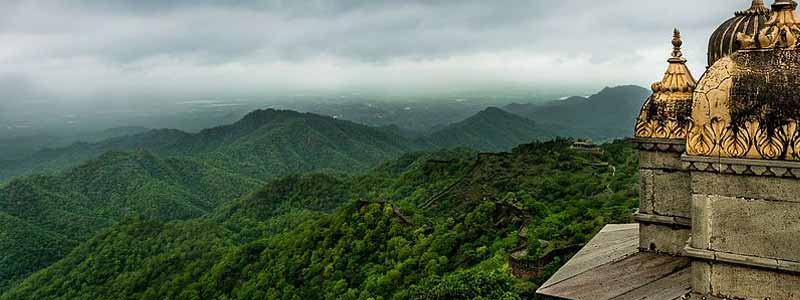
The Sajjangarh Wildlife Sanctuary, located just outside Udaipur, is a small but significant natural reserve nestled in the Aravalli Hills, encompassing the historic Sajjangarh Palace (Monsoon Palace).
Wildlife and Habitat: The sanctuary’s dry deciduous and semi-evergreen forests provide a natural habitat for animals such as Panthers (Leopards), Hyenas, Jackals, Wild Boars, and various deer species including Sambar and Spotted Deer (Chital). It is also an excellent spot for birdwatching, with over 129 species recorded, including the Indian Peafowl and different migratory birds near Jiyan Lake (Tiger Lake).
Safari and Activities: The main way to experience the wildlife is through Jeep Safaris (also referred to as Jungle Safari in Udaipur) on established trails. Visitors can also enjoy trekking and nature walks, offering panoramic views of the Aravalli range and Udaipur’s lakes. The nearby Sajjangarh Biological Park, a separate but related facility, offers a zoo-like experience with enclosures for lions, tigers, and other animals.
The sanctuary offers a blend of wildlife, history, and stunning viewpoints, making it a popular spot for nature lovers visiting Udaipur.