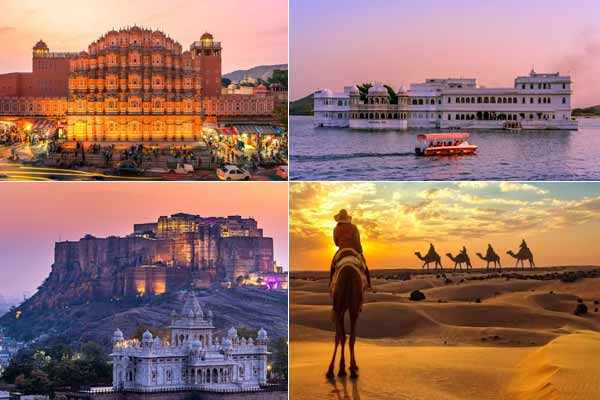
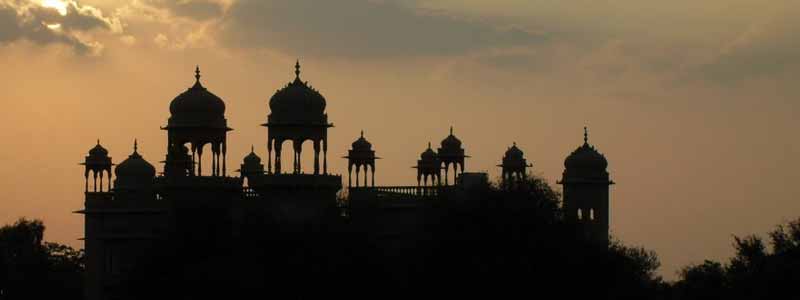
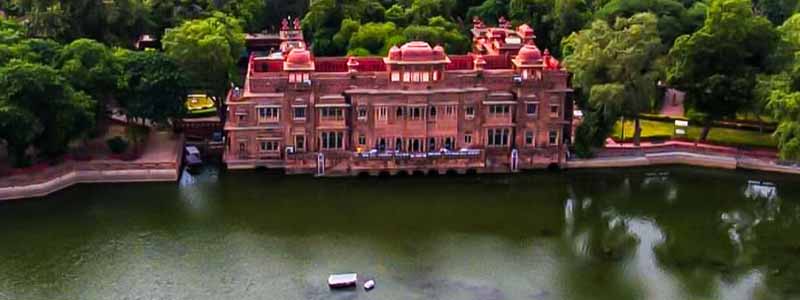
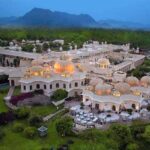
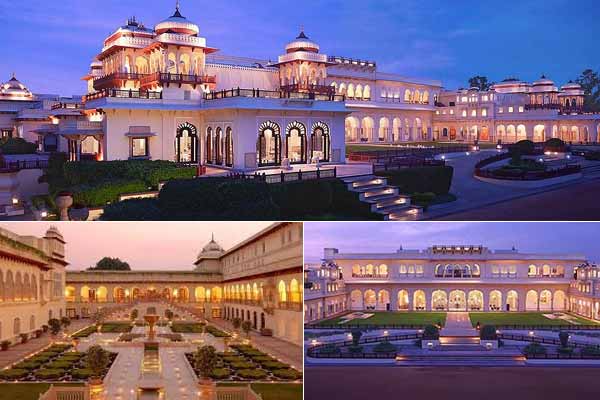
Top 10 Royal and Luxury Experiences in Rajasthan offers a world of regal elegance, where heritage, culture, and modern comfort blend seamlessly to create unforgettable luxury experiences. Staying in its iconic palace hotels—such as Udaipur’s Lake Palace, Jaipur’s Rambagh Palace, or Jodhpur’s Umaid Bhawan Palace—lets travelers step directly into India’s royal past. These properties provide opulent suites, marble courtyards, personalized butler service, and refined dining inspired by centuries-old royal traditions.
The state’s landscapes offer equally indulgent adventures. In Jaisalmer, travelers can enjoy private desert safaris, sundowners on golden dunes, and stays in luxury tented camps that combine rustic beauty with plush comfort. For wildlife lovers, high-end lodges in Ranthambore National Park elevate tiger-spotting adventures with exclusive safaris, elegant villas, and wellness therapies.
Rajasthan’s cultural richness further enhances the luxury experience. Bespoke shopping tours in Jaipur provide access to master artisans specializing in gemstones, textiles, and blue pottery. Private boat rides on Udaipur’s serene lakes, curated culinary journeys featuring royal recipes, and immersive spa rituals add sophistication to every itinerary.
Udaipur, often called the “Venice of the East,” is renowned for its lakes, romantic ambiance, and royal palaces. City Palace, overlooking Lake Pichola, is a sprawling complex of palaces, courtyards, and gardens built over 400 years by the Maharanas of Mewar. The palace is a harmonious blend of Rajasthani and Mughal architecture, featuring ornate balconies, delicate mirror work, and intricately carved doors. Visitors can explore the palace’s museums, which house royal artifacts, ceremonial weapons, and paintings depicting the illustrious history of the Mewar dynasty.
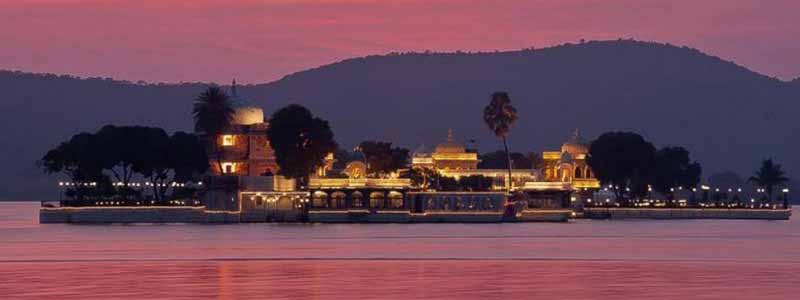
Adjacent to the City Palace, Lake Pichola adds a magical touch to the royal experience. The Taj Lake Palace, a 18th-century palace situated on an island in the lake, offers an ethereal experience reminiscent of a bygone era. Accessible only by boat, it allows guests to experience royal living amid serene waters and panoramic views of the surrounding Aravalli hills. Jag Mandir, another island palace, adds to Udaipur’s regal charm, providing venues for private events and cultural performances in a royal setting.
Udaipur’s Bagore Ki Haveli, with its courtyards and traditional performances, further immerses visitors in the daily life and entertainment of the royals. Evening cultural shows featuring folk dance, puppet performances, and traditional music bring the city’s royal heritage to life.
Top 10 Royal and Luxury Experiences in Rajasthan
2. Jaipur: The Pink City of Royals
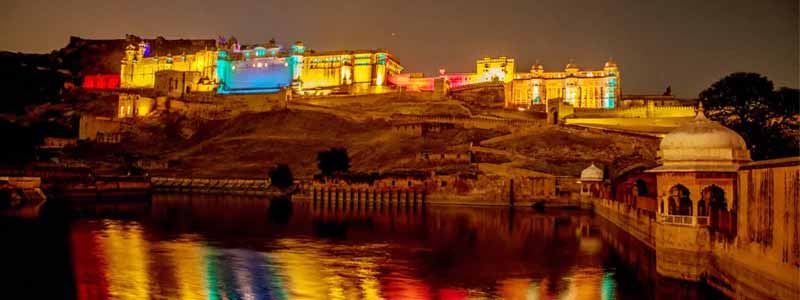
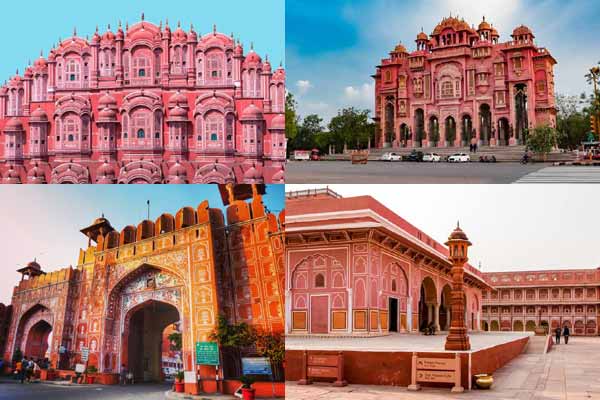
Jaipur, the capital of Rajasthan, is a living museum of royal architecture, vibrant bazaars, and palatial residences. Among its most iconic attractions is Amber Fort, perched atop a hill, showcasing Rajput grandeur and architectural finesse. The fort is approached either via jeep or a traditional elephant ride, offering sweeping views of Maota Lake and the surrounding hills. Within Amber Fort, the Sheesh Mahal, or Mirror Palace, dazzles visitors with walls encrusted with tiny mirrors that reflect sunlight, creating an enchanting spectacle.
Jaipur’s City Palace, located in the heart of the city, is another emblem of royal sophistication. A blend of Mughal and Rajput architecture, it houses museums featuring royal garments, weapons, and manuscripts. Chandra Mahal, a part of the City Palace, is still occupied by Jaipur’s royal family, while other wings are open to visitors, offering insights into regal lifestyle and traditions.
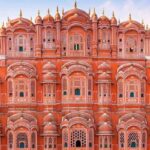
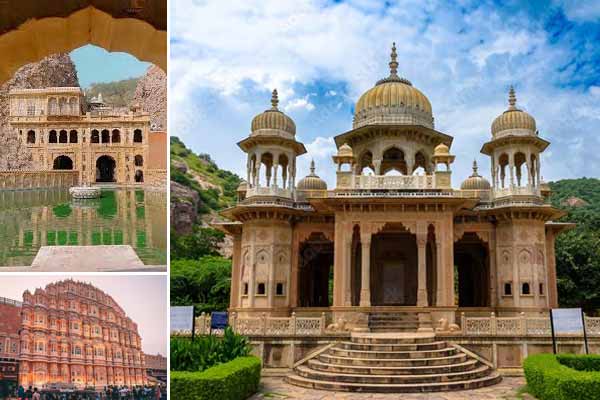
Hawa Mahal, the iconic Palace of Winds, is renowned for its 953 windows designed to allow royal women to observe city life discreetly. Its pink sandstone façade and honeycomb structure make it one of Jaipur’s most photographed landmarks. Jaipur also hosts Jantar Mantar, an astronomical observatory commissioned by Maharaja Sawai Jai Singh II, showcasing the scientific interests of the royalty and their patronage of knowledge alongside art and architecture.
Top 10 Royal and Luxury Experiences in Rajasthan
3. Jodhpur: The Blue City’s Majestic Forts
Jodhpur, famously called the Blue City, is dominated by the magnificent Mehrangarh Fort, one of India’s largest and most imposing forts. Perched on a rocky hill, the fort is a testament to Marwar’s architectural brilliance and military prowess. Its palaces, courtyards, and temples feature elaborate carvings, expansive halls, and panoramic terraces overlooking the city. The fort’s museum exhibits a rich collection of royal artifacts, including weapons, palanquins, costumes, and paintings, reflecting the martial and artistic heritage of Marwar.
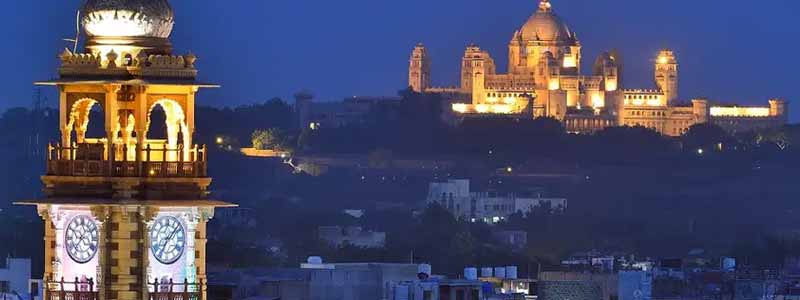
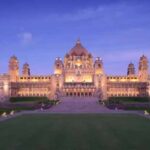
Umaid Bhawan Palace, a 20th-century marvel, combines Art Deco elegance with traditional Rajasthani aesthetics. Partially converted into a luxury hotel and museum, the palace allows visitors to experience royal living firsthand. Its grand halls, opulent suites, and sprawling gardens provide a glimpse into the contemporary lifestyle of the Jodhpur royals while preserving historic grandeur.
Jodhpur’s smaller palaces, such as Jaswant Thada, a marble cenotaph built in honor of Maharaja Jaswant Singh II, add to the city’s regal allure. Set amidst lush gardens and reflecting pools, it serves as both a monument and a serene retreat from the city’s bustling streets.
Top 10 Royal and Luxury Experiences in Rajasthan
4. Jaisalmer: The Golden Fort in the Desert
Jaisalmer, situated in the heart of the Thar Desert, is known for its golden sandstone architecture and living heritage. Jaisalmer Fort, or Sonar Quila (Golden Fort), is unique in being a living fort, where shops, residences, and temples continue to thrive within its massive walls. Constructed in the 12th century, it is renowned for its intricate carvings, latticed windows, and panoramic terraces. Walking through the fort is like stepping into a royal city frozen in time, with narrow lanes leading to grand palaces and hidden courtyards.
Jaisalmer also boasts elaborately designed havelis such as Patwon Ki Haveli and Salim Singh Ki Haveli, each commissioned by wealthy merchants and noble families. These structures, adorned with intricate facades, balconies, and courtyards, reflect the wealth and artistic sensibilities of the desert aristocracy. A visit to these havelis offers a closer look at the opulent lifestyle and craftsmanship that characterized Jaisalmer’s golden era.
The desert surrounding Jaisalmer enhances the royal experience, with camel safaris and sunset dune excursions providing an immersive backdrop for exploring the fort and havelis. Luxury desert camps offer modern comforts while preserving the essence of royal desert life, complete with traditional performances and starlit dinners.
Top 10 Royal and Luxury Experiences in Rajasthan
5. Bikaner: Desert Forts and Palaces
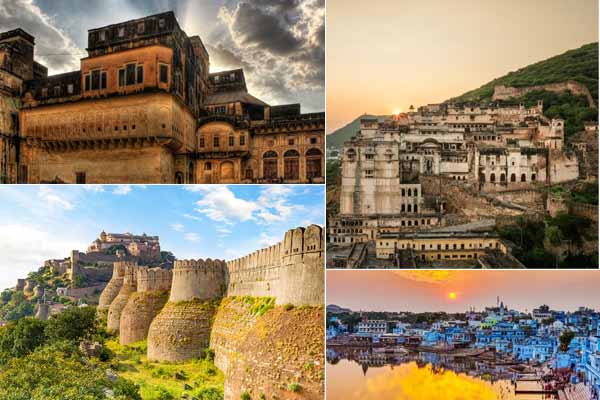
Bikaner, in the northwestern Thar Desert, is famous for its formidable forts and desert palaces. Junagarh Fort, unlike many hilltop forts, is built on the plains but impresses with its massive walls, intricate balconies, and palatial interiors. The fort houses temples, courtyards, and museums showcasing royal life, frescoes, and ceremonial objects.
Lalgarh Palace, a neo-Rajasthani masterpiece constructed from red sandstone, is a striking blend of European and Rajput architecture. Now functioning partly as a heritage hotel and museum, it offers visitors an intimate look at the lifestyle of Bikaner’s rulers. Visitors can enjoy private tours, dine in royal-style settings, and explore the palace’s beautifully manicured gardens and grand halls.
Bikaner is also known for its camel breeding farms and desert festivals, which complement the royal architecture with experiences rooted in the desert lifestyle of Rajasthan’s aristocracy.
6. Chittorgarh: A Fort of Valor and Sacrifice
Chittorgarh, one of Rajasthan’s largest forts, symbolizes Rajput valor, sacrifice, and loyalty. Chittorgarh Fort, a UNESCO World Heritage Site, spreads across a hilltop with massive defensive walls, bastions, and palaces. Highlights include Vijay Stambh (Victory Tower), built to commemorate victories in battle, and Kirti Stambh, adorned with carvings and inscriptions celebrating Jain heritage.
The fort’s palaces and temples tell stories of legendary queens, warrior kings, and heroic battles, making it a destination not only for history enthusiasts but also for those inspired by tales of courage and honor. The expansive fort complex offers panoramic views of the surrounding landscape, evoking the strategic and symbolic importance of Chittorgarh in Rajasthan’s history.
7. Offbeat Royal Gems of Rajasthan
While cities like Jaipur, Udaipur, and Jodhpur dominate the royal tourist map, Rajasthan is dotted with lesser-known gems offering serene and intimate experiences.
Bundi Palace is celebrated for its murals, stepwells, and romantic architecture. Its intricately painted walls depict scenes from royal life and mythology.
Mandawa, in the Shekhawati region, is known for its frescoed havelis, often called Rajasthan’s open-air art gallery. The richly painted facades showcase tales of history, folklore, and royal life, reflecting the wealth and cultural patronage of the region’s aristocracy.
Rohet Garh, a heritage fort near Jodhpur, offers an immersive experience of royal living combined with desert adventures, such as camel safaris and village explorations.
These offbeat royal attractions allow travelers to experience the cultural and architectural richness of Rajasthan without the crowds, providing a more personal and authentic connection with the state’s regal heritage.