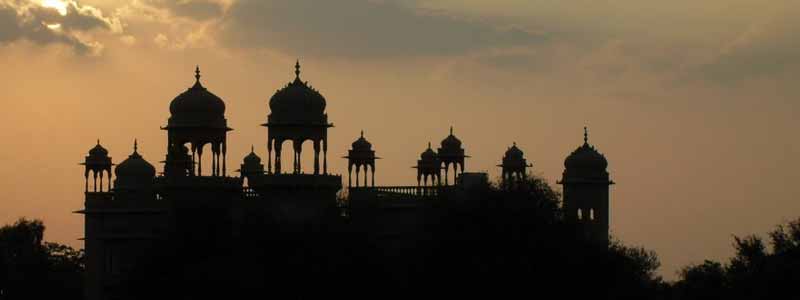
Places to visit in Ranthambore National Park, which can be found in Rajasthan, is among the best wildlife holiday getaways in India. The place is well recognized for its strong biodiversity, the perks of watching the wildlife on safaris, or sightseeing of the historical landmarks. The Tourist places in Ranthambore satisfy the tastes of different kinds of tourists of various interests, from nature lovers, wildlife photographers, to history fans. Every single Tourist Attractions in Ranthambore selected like the prominent Ranthambore National Park, old temples, and heavenly lakes, has its own set of quirks.
The park is also a haven for the majestic Bengal tigress, leopards, and other rare breeds. Should you seek information concerning essential park places, costs, the best time for such outings, and several travel experiences, this guide can give you pertinent data. Below are the 10 most impressive visiting Tourist places to visit in Ranthambore that you cannot miss.
Ranthambore offers diverse attractions for nature and history lovers. Top spots include Ranthambore National Park, famed for tigers; Ranthambore Fort, a UNESCO site; Padam Talao; Malik Talao; Raj Bagh Ruins; Jogi Mahal; Kachida Valley; Trinetra Ganesh Temple; Surwal Lake; and Bakula Region. Visitors enjoy wildlife safaris, ancient architecture, serene lakes, and rich biodiversity, making Ranthambore an ideal destination blending adventure, spirituality, photography, and heritage within Rajasthan’s rugged Aravalli and Vindhya landscapes. Popular during winter months, it attracts families, photographers, researchers, and travelers worldwide each year annually.
Ranthambore National Park – A Complete Guide
Ranthambore National Park
Located in the Sawai Madhopur district of Rajasthan, Ranthambore National Park is one of Northern India’s largest and most iconic wildlife reserves. Spanning approximately 1,334 square kilometers, it sits at the unique geological confluence of the Aravalli and Vindhya mountain ranges, creating a diverse landscape of rugged hills, wide valleys, and serene lakes like Padam Talao.
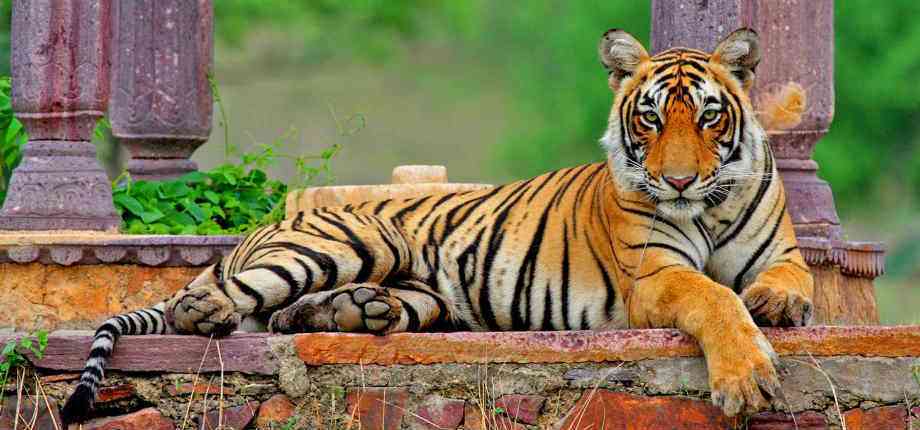
Once the private hunting grounds of the Maharajas of Jaipur, the park is now a world-renowned sanctuary for the Royal Bengal Tiger. It is uniquely famous for its “diurnal” tigers, which are frequently spotted hunting or resting during daylight hours. Beyond tigers, the park supports a rich ecosystem including leopards, sloth bears, marsh crocodiles, and over 300 bird species.
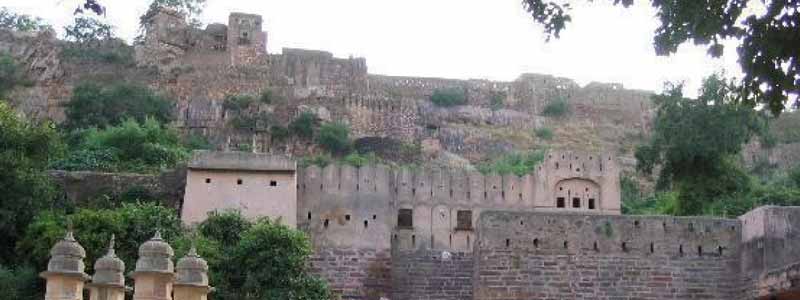
A defining feature of Ranthambore is its blend of nature and history. The 10th-century Ranthambore Fort, a UNESCO World Heritage Site, towers over the forest, while ancient ruins and cenotaphs are scattered throughout the jungle. This “living museum” atmosphere makes it a premier destination for wildlife photographers and history enthusiasts alike.
Location: Inside Ranthambore National Park Best Time to Visit: October to March
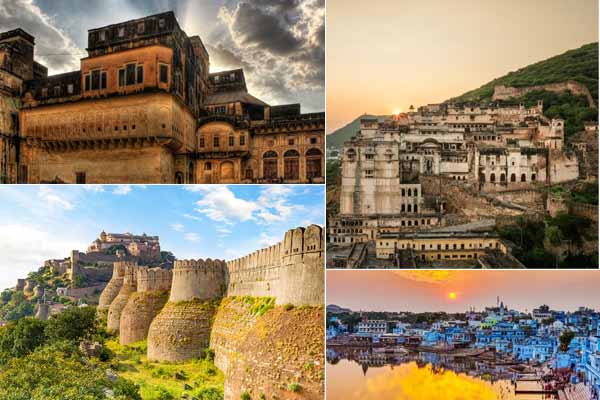
A UNESCO World Heritage Site, the Ranthambore Fort is an architectural marvel dating back to the 10th century. Perched on a 700-foot hill, it offers panoramic views of the surrounding national park and is one of the most significant places to visit in Ranthambore. The fort has seen the rule of Chauhans, Mughals, and other Rajput dynasties, reflecting a rich tapestry of Rajasthani heritage.
Within the fort complex, you’ll find old temples, massive gateways, and intricate Jain and Hindu architecture. One of the key attractions inside the fort is the Ganesh Temple, which draws devotees from across India.
Whether you’re looking to explore history or capture stunning views of the Ranthambore forest, the fort stands tall as one of the top Ranthambore tourist places and offers a heritage experience unlike any other.
Trinetra Ganesh Temple
Trinetra Ganesh Temple
Location: Inside Ranthambore Fort Best Time to Visit: All year, especially during Ganesh Chaturthi
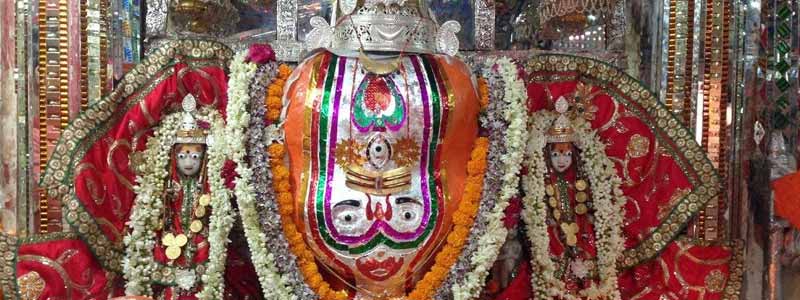
Situated inside the majestic Ranthambore Fort, the Trinetra Ganesh Temple is one of the oldest and most sacred shrines dedicated to Lord Ganesha in India. Built in the 13th century, the temple is unique because it houses idols of the deity’s entire family—Riddhi, Siddhi, and his sons.
Devotees from across India send invitation letters to Lord Ganesha, believing he blesses all important beginnings. A visit here combines spiritual peace with historical allure, making it one of the essential places to visit in Ranthambore.
Padam Lake
Padam Talao
Location: Within Ranthambore National Park Best Time to Visit: October to June
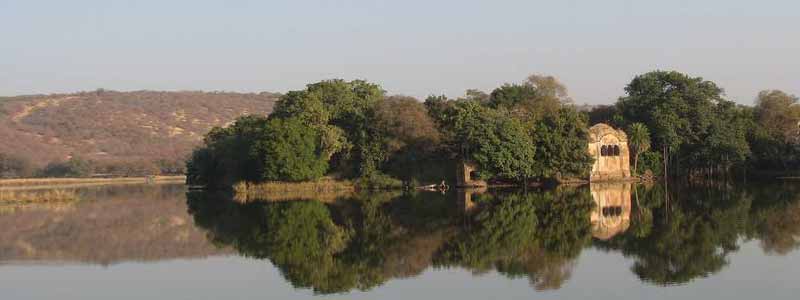
Padam Talao is the largest lake in Ranthambore National Park and a crucial water source for wildlife during the dry season. The tranquil water body gets its name from the lotus flowers (padam) that bloom beautifully during the season.
It’s common to spot sambar deer, crocodiles, and even tigers near the lake, especially during the early morning hours. Nearby, the Jogi Mahal, another heritage site, offers a perfect backdrop for wildlife photography.
This is undoubtedly one of the most serene places to visit in Ranthambore for nature lovers, providing a perfect blend of scenic beauty and wildlife sightings.
Malik Talao
Nestled within the dense wilderness of Ranthambore National Park, Malik Talao is the smallest yet one of the most serene of the three iconic lakes in the reserve. Located in the core forest area (Zone 4), this tranquil water body serves as a vital lifeline for the park’s diverse residents.
Unlike the larger Padam Talao, Malik Talao is celebrated for its intimate wildlife encounters. It is a premier destination for birdwatchers, attracting an array of avian species including Kingfishers, Painted Storks, Herons, and Egrets. The lake’s calm surface is frequently broken by the presence of Indian Marsh Crocodiles, which are often seen basking along its muddy banks.
Beyond its feathered inhabitants, Malik Talao is a popular watering hole for mammals. Visitors frequently spot herds of Sambar deer, wild boar, and the occasional Bengal tiger stalking through the surrounding banyan trees and dry deciduous forest. Its compact size and lush perimeter make it an exceptional spot for photographers seeking high-clarity shots of wildlife in a quintessentially Rajasthani jungle setting.
Kachida Valley
Located on the outskirts of Ranthambore National Park, Kachida Valley is a serene sanctuary known for its rugged beauty and unique wildlife sightings. Characterized by rocky outcrops, low jagged hills, and lush greenery, the valley offers a distinct landscape compared to the park’s core.
The valley is most famous for its panther (leopard) population. These elusive cats migrated here to avoid territorial conflicts with the dominant Royal Bengal Tigers found in the deeper forest. Beyond panthers, the area is a haven for sloth bears, who are drawn to the valley’s numerous bee hives and large ant hills. Visitors may also spot wild boars, sambar deer, and a variety of resident and migratory birds.
Accessible only via jeep safari, Kachida Valley provides a more tranquil experience for nature lovers and photographers away from the busier central zones. The best time to visit is between October and March, when the weather is pleasant and wildlife activity is high. Its scenic viewpoints and quiet atmosphere make it an essential stop for a complete Ranthambore experience.
Raj Bagh Ruins
Located between the shimmering Padam Talao and Raj Bagh Talao, the Raj Bagh Ruins are one of the most evocative landmarks within Ranthambore National Park. These ancient stone structures, consisting of broken palace outhouses, majestic arches, domes, and weathered steps, serve as a silent reminder of the region’s royal past. Built by the Rajput rulers, they once formed part of a grand estate before being reclaimed by the wilderness.
Today, the ruins offer a surreal spectacle where history and nature converge. They provide vital shade for the park’s inhabitants during the scorching Rajasthani summers. It is not uncommon to see a Royal Bengal Tiger prowling through the arches or resting on the stone steps, creating a scene reminiscent of The Jungle Book. Beyond tigers, the area is a haven for sambar deer, nilgai, and diverse birdlife, all of which frequent the nearby lakes. For photographers and wildlife enthusiasts, the Raj Bagh Ruins provide a dramatic, rustic backdrop that elevates Ranthambore from a mere wildlife sanctuary to a living heritage site.
Surwal Lake
Located just 10 km from Sawai Madhopur, Surwal Lake is a seasonal freshwater haven that serves as a quiet alternative to the busy tiger trails of Ranthambore. Unlike the lakes inside the national park, Surwal is free to access and offers a raw, tranquil look at Rajasthan’s rural beauty.
The lake is primarily celebrated as a birdwatcher’s paradise. During the winter months (November to March), it transforms into a vibrant sanctuary for over 300 species of birds. Visitors can spot elegant migratory guests like flamingos, Sarus cranes, pelicans, and Greylag geese, alongside resident species like kingfishers and painted storks. The sight of these birds against the backdrop of a golden sunrise is a highlight for photographers.
Because it is a shallow, seasonal water body, the lake often dries up completely by April or May, so timing your visit is essential. Beyond the avian life, you may also spot marsh crocodiles basking on the banks or local wildlife like jackals and nilgai. It remains one of Ranthambore’s best-kept secrets for those seeking solace in nature.
Jogi Mahal
Location: On the banks of Padam Talao Best Time to Visit: October to March
Jogi Mahal was once a royal rest house used by the Maharajas during hunting trips. Today, while it’s closed for overnight stays, its picturesque location near Padam Talao makes it a favoured photography and sightseeing spot.
Its red sandstone structure contrasts beautifully with the lush green surroundings and lake waters. It is one of the more tranquil Ranthambore tourist places, offering a peaceful break amidst nature and history.
Being close to the wildlife action and architectural charm of Ranthambore Fort, Jogi Mahal is an underrated gem among the places to visit in Ranthambore.
Wild Dragon Adventure Park
Located on the scenic Ranthambore Road in Sawai Madhopur, Wild Dragon Adventure Park is a popular amusement destination that offers a thrilling break from traditional wildlife safaris. Spanning a landscape surrounded by rolling hills and a tranquil lake, the park blends rustic charm with modern adventure. Its design features traditional thatched roofs and open verandahs, creating a relaxed, village-like atmosphere for visitors.
The park is a hub for adrenaline-pumping activities suitable for all ages. Key highlights include:
Thrilling Rides: ATV rides, Zorbing, and the mechanical “Warrior Bull.”
Fun & Games: Bumper boats, water balls, trampoline cages, and Sumo wrestling suits.
Spooky Attractions: A popular Haunted House that provides a chilling experience for brave guests.
With its on-site Wild Dragon Dhaba, visitors can enjoy various cuisines, including authentic Rajasthani dishes. The park is open daily from 10:00 AM to 10:00 PM, making it an ideal spot for evening entertainment or hosting private parties. Whether you are seeking adventure or a picturesque spot for photography, it remains a must-visit local gem.