
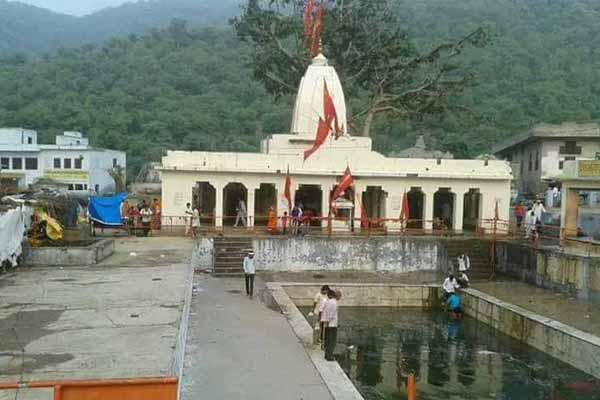

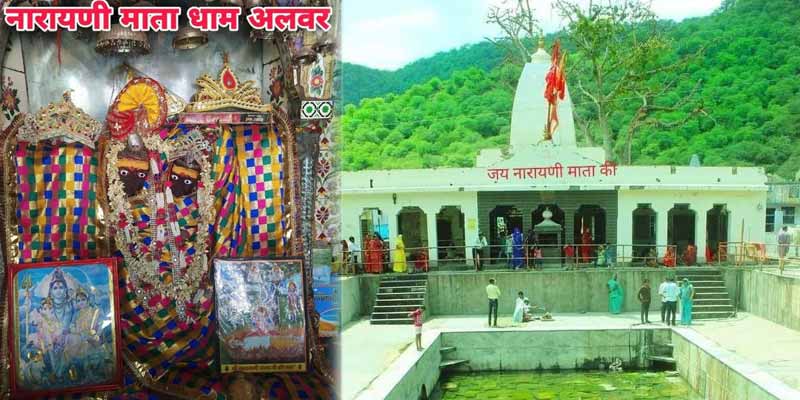
Narayani Mata Temple is a revered Hindu pilgrimage site located in the scenic Aravalli hills of Rajasthan. Situated near the village of Barwa Dungri in the Alwar district, the temple is dedicated to Goddess Narayani, who is worshipped as a divine form of Goddess Durga. The temple holds deep spiritual significance, especially for the Meena community, who consider Narayani Mata their family deity.
According to local legend, Narayani Mata was originally a devoted woman named Karmeeti Bai. After the death of her husband, she chose to perform sati, a ritual sacrifice on her husband’s funeral pyre. It is believed that after this act of devotion, miraculous events began to occur at the site, and people started worshipping her as a goddess. Over time, a temple was built in her honor, and it became an important center of faith and devotion.
The temple attracts thousands of devotees every year, especially during the annual fair held in her honor. Pilgrims visit to offer prayers, seek blessings, and participate in religious rituals. The peaceful surroundings of the Aravalli hills enhance the spiritual atmosphere of the temple.
Located not far from Jaipur and Alwar, Narayani Mata Temple is both a sacred pilgrimage destination and a place of natural beauty. It remains an important symbol of devotion and cultural heritage in Rajasthan.
The Legend Behind Narayani Mata
The story of Narayani Mata is deeply rooted in local folklore and devotion. According to legend, Narayani Mata was a young woman named Karmeeti Bai who belonged to a respected family in the region. She was known for her strong faith, purity, and devotion to God.
After her marriage, she continued to live a life of spirituality and dedication. However, tragedy struck when her husband died unexpectedly. In ancient times, it was believed that a devoted wife would follow the path of sati—a ritual of sacrificing herself on her husband’s funeral pyre. Karmeeti Bai chose to sacrifice her life in devotion to her husband and spiritual beliefs.
After her sacrifice, people began to experience miracles at the place where she was cremated. Locals believed she had attained divine status and started worshipping her as Narayani Mata. Over time, a temple was built at the site to honor her memory and divine power.
Today, Narayani Mata is worshipped as a goddess who fulfills wishes and protects her devotees.
Architecture of Narayani Mata Temple
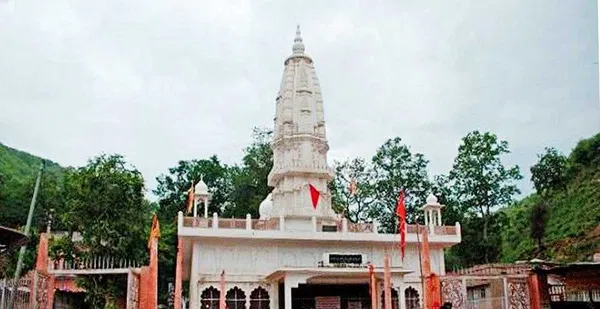
The temple architecture reflects traditional Rajasthani temple design with influences from ancient Hindu architectural styles.
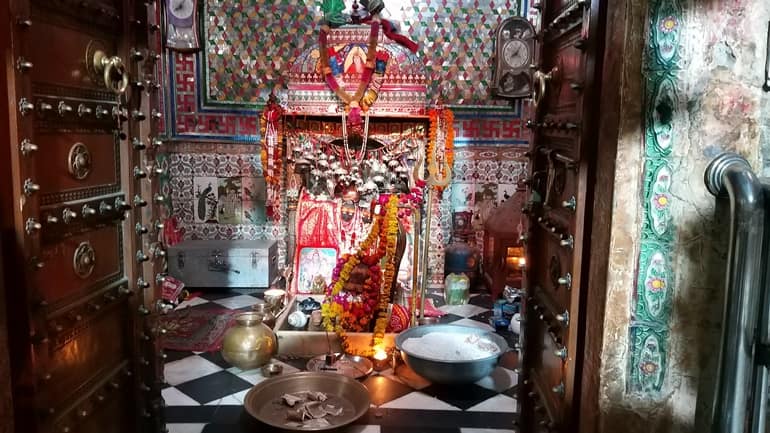
The temple complex is built using stone and marble, giving it a majestic yet simple appearance. The entrance gateway welcomes devotees into a courtyard where the main shrine is located.
Inside the sanctum, the idol of Narayani Mata is placed with great reverence. The idol is beautifully decorated with colorful clothes, flowers, and ornaments. Devotees offer prayers, coconut, sweets, and incense as part of their worship rituals.
The temple walls feature carvings and motifs inspired by Hindu mythology and traditional craftsmanship. Though not extremely large, the temple structure holds deep spiritual significance for the people of the region.
Religious Importance
For devotees in Rajasthan and neighboring states, Narayani Mata Temple is a sacred pilgrimage destination.
The temple is particularly significant for the Meena community, who consider Narayani Mata their kuldevi (family goddess). Many families visit the temple during special occasions such as marriages, births, and festivals to seek blessings.
Devotees believe that prayers offered here bring prosperity, protection, and success in life. Many visitors also come to express gratitude after their wishes are fulfilled.
The temple serves as a powerful symbol of faith, devotion, and community unity.
Narayani Mata Fair
One of the most vibrant events associated with the temple is the Narayani Mata Fair. This annual fair attracts thousands of devotees and tourists from across Rajasthan and nearby states.
During the fair, the temple area becomes lively with devotional singing, traditional music, and cultural activities. Pilgrims gather to participate in rituals, offer prayers, and celebrate the divine power of Narayani Mata.
Local vendors set up stalls selling sweets, handicrafts, religious items, and traditional Rajasthani food. The fair creates a festive atmosphere where spirituality and culture blend beautifully.
For visitors, attending the fair provides a wonderful opportunity to experience the rich traditions and local lifestyle of rural Rajasthan.
Spiritual Atmosphere
What makes Narayani Mata Temple truly special is its serene and spiritual environment. Unlike crowded city temples, this shrine offers a peaceful space where devotees can pray quietly and reflect.
The sounds of temple bells, chanting of prayers, and fragrance of incense create a divine ambiance. Visitors often sit in the temple courtyard or nearby hills to meditate and enjoy the tranquility.
The temple surroundings are also ideal for short nature walks, allowing visitors to explore the scenic beauty of the Aravalli landscape.
Best Time to Visit
The best time to visit Narayani Mata Temple is between October and March when the weather in Rajasthan remains pleasant.
During this period, visitors can comfortably explore the temple and surrounding areas without the intense heat of summer.
The monsoon season also adds natural beauty to the landscape, making the hills greener and more scenic.
If you wish to experience the cultural celebrations, visiting during the Narayani Mata Fair is highly recommended.
How to Reach Narayani Mata Temple
Reaching Narayani Mata Temple is relatively convenient due to its proximity to major cities in Rajasthan.
By Road
The temple is well connected by road from Jaipur and Alwar. Travelers can hire a taxi, drive a private vehicle, or take local buses to reach the temple.
Jaipur is approximately 80 kilometers away and serves as the nearest major city with good transport facilities.
By Train
The nearest railway station is in Alwar, which connects to several major cities in North India.
From Alwar, visitors can hire taxis or local transport to reach the temple.
By Air
The closest airport is Jaipur International Airport, located around 90 kilometers from the temple.
From the airport, travelers can easily reach the temple by road.