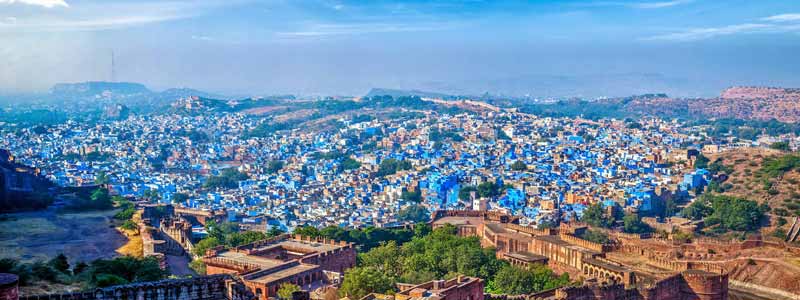
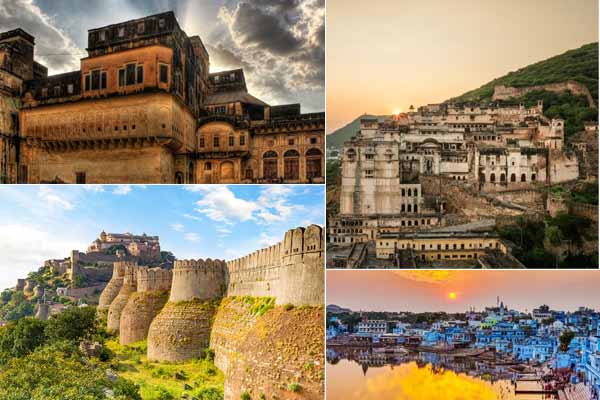
Jodhpur – Explore the blue city of Rajasthan, famously known as the “Blue City,” is a captivating destination in Rajasthan. Its nickname comes from the iconic blue houses of the old town, a tradition started by Brahmins and now a defining feature.
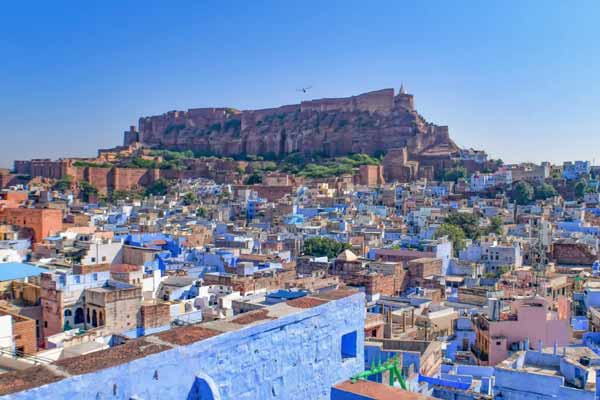
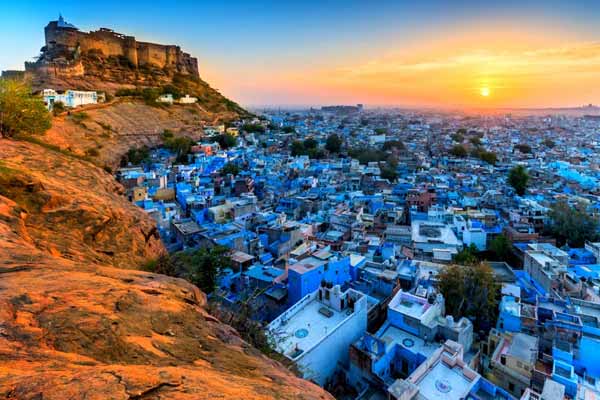
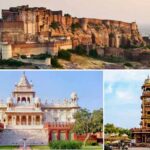
The city is dominated by the majestic Mehrangarh Fort, a formidable hill-top structure offering breathtaking views of the blue cityscape. Below the fort lies the old town, a maze of narrow, winding streets bustling with life and vibrant markets. Key attractions include Jaswant Thada, a stunning white marble cenotaph, and Umaid Bhawan Palace, a grand royal residence.
Beyond its historical sites, Jodhpur is a hub of rich culture. Visitors can explore local markets like Sardar Market near the Clock Tower, savor authentic Rajasthani cuisine, and experience the warm hospitality of its people. The city’s unique blend of architectural grandeur and rustic charm makes it an unforgettable travel experience.
One of the most fascinating aspects of Jodhpur is its nickname, the Blue City. But what is the Blue City, and why is Jodhpur known as such? The answer lies in the city’s old quarters, where many houses are painted in vivid shades of blue. This tradition is believed to have originated with the Brahmin community, symbolizing their status and keeping homes cool in the hot desert climate. Over time, the blue-painted homes became a defining characteristic, giving Jodhpur its iconic moniker, India’s Blue City.
Jodhpur – Explore the blue city of Rajasthan
Top Places to Visit in Jodhpur
When exploring Jodhpur tourist places, you’ll find an incredible mix of history, culture, and scenic beauty. Here are some must-visit places in Jodhpur:
Mehrangarh Fort: Perched on a hill 400 feet above the city, this is one of India’s largest and most magnificent forts. It offers panoramic views of the blue city and houses several palaces like Moti Mahal, Phool Mahal, and Sheesh Mahal, along with a museum showcasing royal artifacts.
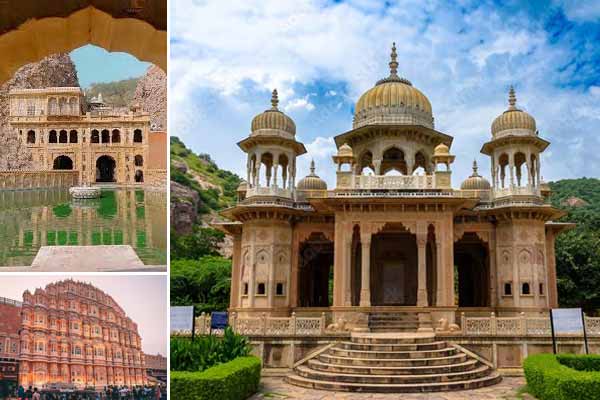
Jaswant Thada: A beautiful white marble memorial built in the late 19th century in honor of Maharaja Jaswant Singh II. Often called the “Taj Mahal of Marwar,” it is a serene and intricately carved cenotaph with a tranquil garden.
Umaid Bhawan Palace: A grand palace built in the 20th century, part of which is still the private residence of the royal family. Another section has been converted into a luxury heritage hotel, and a museum displays vintage cars and royal artifacts.
Ghanta Ghar (Clock Tower) & Sardar Market: The Clock Tower is a prominent landmark in the heart of the old city. It’s surrounded by the bustling Sardar Market, a vibrant bazaar where you can find traditional Rajasthani handicrafts, textiles, spices, and souvenirs.
Toorji Ka Jhalra: This historic stepwell, built in the 18th century, is a stunning example of traditional Rajasthani architecture. The intricate carvings and design make it a popular spot for both locals and tourists.
Rao Jodha Desert Rock Park: Located near Mehrangarh Fort, this park was created to restore the ecology of a rocky wasteland. It offers a unique landscape with trails and a variety of desert flora and fauna.
Mandore Gardens: Just outside the city, these gardens were the site of the ancient capital of Marwar. They are home to splendid architectural cenotaphs of Marwar rulers and a “Hall of Heroes.”
Jodhpur – Explore the blue city of Rajasthan
Best Time to Visit the Blue City
The best time to visit Jodhpur is between October and March, when the weather is pleasant and cool. During this time, the city hosts numerous festivals, including the Marwar Festival and the International Kite Festival, which are a must-visit for anyone interested in the city’s culture and traditions.
How to Rech Blue City Jodhpur
Jodhpur, also known as the “Blue City,” is well-connected by air, train, and road. Here are the options to reach the city:
By Air: Jodhpur Airport (JDH) is located approximately 5 km from the city center. It has domestic flights connecting to major Indian cities like Delhi, Mumbai, Kolkata, Chennai, and Jaipur.
By Train: Jodhpur Junction (JU) is the main railway station and is well-connected to major cities across India, including Delhi, Mumbai, Kolkata, Chennai, and Jaipur.
By Road: Jodhpur has a good network of roads, with both private and state-run buses connecting it to nearby cities and states. You can also drive to Jodhpur from nearby places in Rajasthan, Gujarat, and Delhi.