

How to Explore the Temples of Jaisalmer, the ‘Golden City,’ is home to a magnificent collection of temples that showcase profound spirituality and exceptional architecture, primarily crafted from the local yellow sandstone.
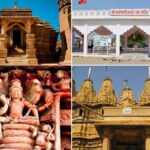
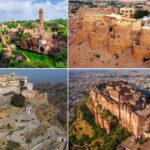
The most famous are the Jain Temples nestled within the UNESCO World Heritage Site, Jaisalmer Fort (Sonar Quila). This complex comprises seven inter-connected temples, dating from the 12th to 15th centuries. Dedicated to various Jain Tirthankaras like Chandraprabha and Parshvanath, they are renowned for their incredibly intricate carvings, delicate latticework, and the unique Dilwara-style architecture. A notable feature is the Gyan Bhandar, an ancient library containing rare palm-leaf manuscripts.
Beyond the fort, the Laxminath Temple, dedicated to Lord Vishnu and Goddess Lakshmi, stands as a significant Hindu spiritual sanctuary. It was built in 1494 and reflects classic Rajasthani architecture with ornate marble work.
Another major pilgrimage site is the Tanot Mata Temple, located near the Indo-Pakistan border. It holds immense historical and spiritual significance, famously believed to have been protected by the deity during the 1965 war, with unexploded bombs displayed on the premises.
The nearby village of Lodhruva, the ancient capital, is also home to the beautifully restored Lodhruva Jain Temple, dedicated to Lord Parshvanath.
These temples collectively represent the rich religious and architectural history of Jaisalmer.

The Parasnath Jain Temple
The Parasnath Jain Temple is one of the most prominent and oldest structures within the cluster of seven exquisite Jain temples inside the formidable Jaisalmer Fort (Sonar Quila). Dedicated to Lord Parshvanath, the 23rd Tirthankara, this temple is a masterpiece of Maru-Gurjara architecture, built primarily from the golden-yellow sandstone that gives the city its famous glow.
Key Highlights:
- Intricate Carvings: The temple is celebrated for its profuse and delicate carvings, particularly on the pillars, arches, and ceilings, depicting mythological figures, celestial beings (apsaras), and intricate floral patterns that rival the famous Dilwara temples.
- Torana (Arched Gateway): The magnificent, finely sculpted Torana at the entrance is a major highlight, showcasing exceptional craftsmanship.
- Central Dome: The main Mahamandira (hall) features a stunning central dome from which a graceful, lotus-shaped pendant hangs.
- Deity: The main shrine houses the image of Lord Parshvanath, often depicted with a multi-headed serpent hood unfurled over his head.
- History: Dating back to the 12th century, the Parshvanath Temple is considered the oldest in the complex and has been repaired and renovated over the centuries, preserving its historic grandeur.
The temple is not just a place of worship but a spectacular testament to the wealth and artistry of the Jain community under the patronage of the Bhati Rajput rulers.
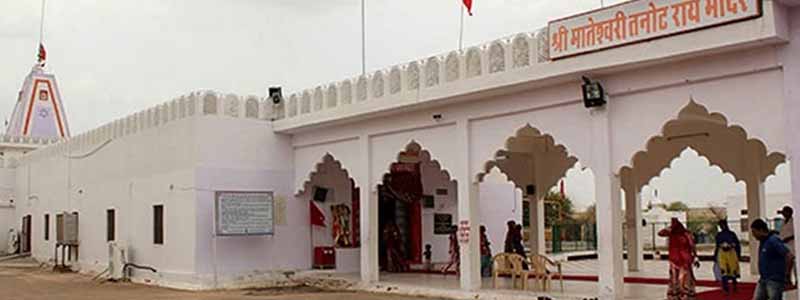
The Tanot Mata Temple
The Tanot Mata Temple, located deep in the Thar Desert about 120 km from Jaisalmer, is a symbol of faith, resilience, and patriotism. Dedicated to an incarnation of Goddess Durga, this ancient shrine, believed to have been built around 828 AD, holds a unique place in India’s military history.
Its legend became solidified during the 1965 and 1971 Indo-Pakistani Wars. According to the widely held belief, Pakistani forces dropped thousands of bombs targeting the temple and the nearby Longewala post, yet miraculously, the temple remained untouched, and none of the bombs that landed in its vicinity exploded.
The temple’s management and maintenance are now entrusted to the Border Security Force (BSF), with the jawans themselves conducting the aarti (prayers). Inside the complex, a small museum displays the unexploded Pakistani bombs as a powerful testament to the divine protection. A Vijay Stambha (Victory Tower) was also erected in the compound, commemorating India’s victory in the Battle of Longewala (1971).
The temple draws thousands of devotees and tourists annually, serving as both a revered spiritual site and a compelling historical landmark near the international border.
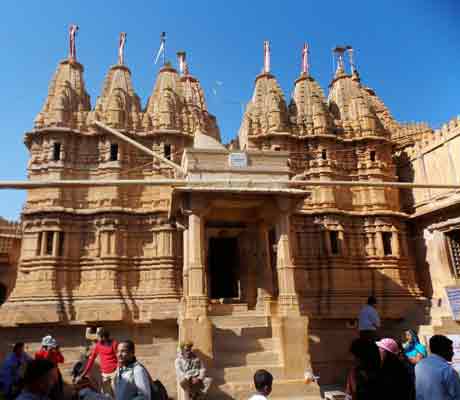
The Lakshminath Temple
The Laxminath Temple is one of the oldest and most revered Hindu shrines in Jaisalmer, situated strategically inside the magnificent Jaisalmer Fort (Sonar Quila).
History and Significance: Dedicated to Lord Vishnu (Laxminath) and his consort Goddess Lakshmi (the goddess of wealth and prosperity), the temple was constructed in 1494 AD during the reign of Rao Lunkaran. Historically, the Bhati rulers considered Lord Laxminath as the true king of Jaisalmer, with the king serving as his representative, underscoring the temple’s profound spiritual significance to the kingdom.
Architecture and Features: Crafted from the signature golden-yellow sandstone of Jaisalmer, the temple showcases traditional Rajasthani architectural style. While its overall structure is simpler compared to the adjacent Jain Temples, it is beautifully ornamented. A notable feature is the use of silver framework on the door and façade, adding an elegant touch. It is also believed that some of the temple’s pillars were brought from the ancient city of Lodhruva. The temple remains a vibrant, active place of worship, hosting daily aartis and large celebrations during festivals like Diwali and Janmashtami.
The Ramdevra Temple
The Ramdevra Temple, located in the village of Ramdevra near Pokhran in the Jaisalmer district, is a highly revered pilgrimage site dedicated to the Rajasthani folk deity, Baba Ramdevji.
Significance and History: Baba Ramdevji was a 14th-century saint and Tanwar Rajput ruler who devoted his life to the upliftment of the poor and oppressed, promoting equality across all castes and creeds. He is believed to be an incarnation of Lord Krishna by Hindus and is venerated by Muslims as Ramshah Pir, making the temple a powerful symbol of communal harmony. The site marks the exact spot where Baba Ramdevji took samadhi (conscious exit from the mortal body) in 1459 AD at the age of 33.
The present temple structure around his samadhi was constructed in 1931 AD by Maharaja Ganga Singh of Bikaner.
Annual Fair: The most significant event is the Ramdevra Fair (also known as the Bhadwa Mela), held annually between August and September. Millions of devotees, known as Jatrus, flock to the shrine, often traveling long distances on foot to pay homage. The fair is a massive display of faith, featuring night-long bhajans and kirtans. Devotees often offer coconuts, sweets, and small wooden toy horses to the shrine.
The Muhar Mahadev Temple
The Muhar Mahadev Temple is a sacred and ancient Hindu shrine in the Jaisalmer region, dedicated to Lord Shiva (Mahadev). Located near the villages of Sipala and Kumbhar Kotha, approximately 38 kilometers from the Jaisalmer city center, it is a significant part of the local “Temple Trail” in the Thar Desert.
Key Highlights:
- Ancient Heritage: Inscriptions suggest the temple is over 800 years old, though some sources cite its construction as being in the 15th or 16th century. It is believed to have been constructed by the once-wealthy Paliwal Brahmins who historically prospered in this region.
- Architecture and Location: Built in the traditional Hindu temple style, the structure utilizes the heavy, distinctive yellow sandstone of Jaisalmer. Its remote location in the serene, natural surroundings of the khadin (traditional desert farming) lands near the Nabh Dungar Devi Temple offers a peaceful and spiritual experience away from the bustling city.
- Spiritual Significance: The main sanctum houses a revered Shiva Lingam. The temple is a major center of faith for local villagers and attracts a large number of devotees, particularly during the holy month of Shravan (Monsoon), when special worship and jalabhishek (ritualistic water offering) are performed.
The Muhar Mahadev Temple is valued as a spiritual and historical testament to the rich Hindu traditions that have endured in the desert landscape of Jaisalmer for centuries.