Golden Triangle tour from Delhi – Mesmerising Exploration
rtp123
Golden Triangle tour from Delhi is India’s most popular tourist circuit, connecting Delhi, Agra, and Jaipur. This classic tour offers a rich blend of history, culture, and architecture.
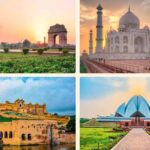
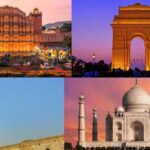
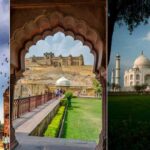
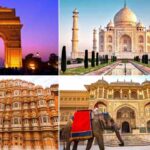
Starting in Delhi, you can explore historic sites like the Red Fort, Qutub Minar, and India Gate. The journey then moves to Agra, home to the magnificent Taj Mahal and the imposing Agra Fort. The tour typically concludes in Jaipur, the “Pink City,” where highlights include the stunning Hawa Mahal, the grand Amber Fort, and the City Palace.
Golden Triangle toursfrom Delhi are available in various durations, from quick 2-day trips to more comprehensive 6-day itineraries, and can be customized to include additional destinations like Ranthambore or Varanasi. They usually include transportation, accommodation, and guided sightseeing.
Golden Triangle tour from Delhi
Exploring Delhi – The Gateway to the Golden Triangle
Delhi, India’s bustling capital, is a city of two distinct parts: Old Delhi with its labyrinthine alleys and ancient monuments, and New Delhi, an elegant metropolis with wide boulevards and impressive colonial architecture. This contrast is what makes exploring Delhi a captivating experience.
Your journey through Delhi’s rich history could begin in Old Delhi. Here, you can wander through the narrow, crowded lanes of Chandni Chowk, a bustling market area that dates back to the 17th century. Just a short walk away is the magnificent Jama Masjid, one of India’s largest mosques, and the iconic Red Fort, a UNESCO World Heritage site that was once the residence of Mughal emperors.
Moving on to New Delhi, the city’s modern heart, you’ll find grand government buildings designed by British architect Edwin Lutyens. A key highlight is India Gate, a war memorial standing as a tribute to Indian soldiers. Nearby is Rashtrapati Bhavan, the official residence of the President of India. No trip to Delhi is complete without visiting Humayun’s Tomb, a stunning Mughal-era tomb that predates the Taj Mahal, and the towering Qutub Minar, a 73-meter-high minaret.
For a taste of Delhi’s vibrant culture, explore the numerous museums, such as the National Museum and the National Rail Museum, or the serene Lotus Temple and Gurudwara Bangla Sahib, which welcome visitors of all faiths. The best time to visit is from October to March, when the weather is pleasant and ideal for sightseeing.
Agra, the City of the Taj Mahal, is a journey into India’s rich Mughal history. While the Taj Mahal is an undeniable masterpiece and the city’s main draw, Agra offers a wealth of other architectural wonders and cultural experiences.
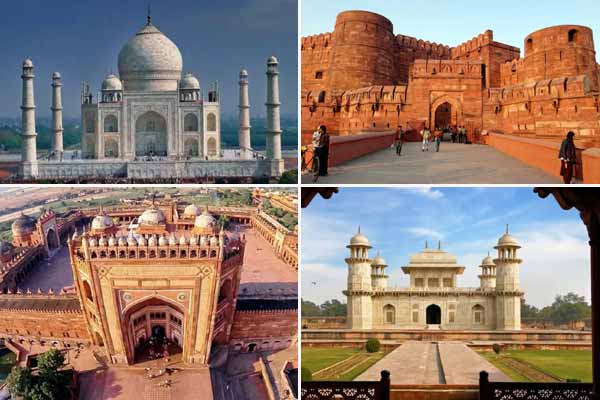
The city’s history is deeply intertwined with the Mughal Empire, which made Agra its capital for a period. This golden age of architecture is reflected in monuments beyond the iconic mausoleum. The Agra Fort, a UNESCO World Heritage site, is a sprawling red sandstone fortress that once housed emperors like Akbar and Shah Jahan. Within its walls, you can explore various palaces and halls, including the very spot where Shah Jahan was imprisoned by his son, with a view of the Taj Mahal.
Another significant site is the Tomb of Itimad-ud-Daulah, often called the “Baby Taj.” Built before the Taj Mahal, it is a smaller, more delicate mausoleum made entirely of marble with intricate pietra dura inlay work, which served as an inspiration for the grander monument.
For a different perspective of the Taj Mahal, visit Mehtab Bagh, a tranquil Mughal garden across the Yamuna River, offering a perfect sunset view. Beyond the monuments, immerse yourself in the city’s vibrant markets, such as Kinari Bazaar, and savor local delicacies like the famous petha, a sweet made from ash gourd, or indulge in the rich, slow-cooked Mughlai cuisine.
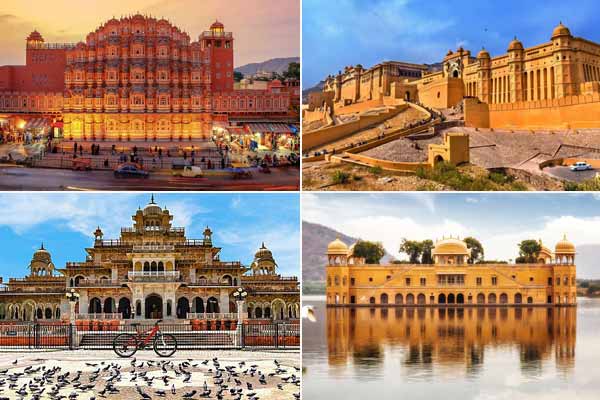
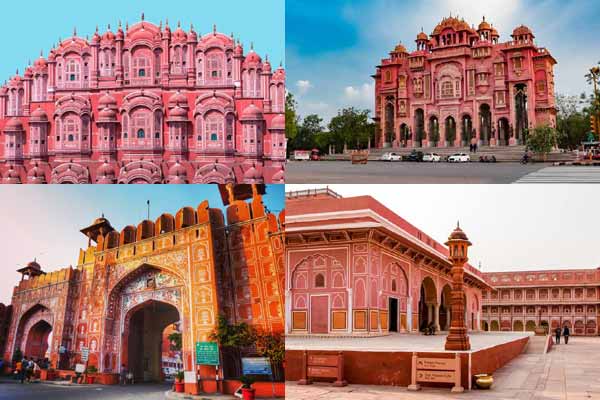
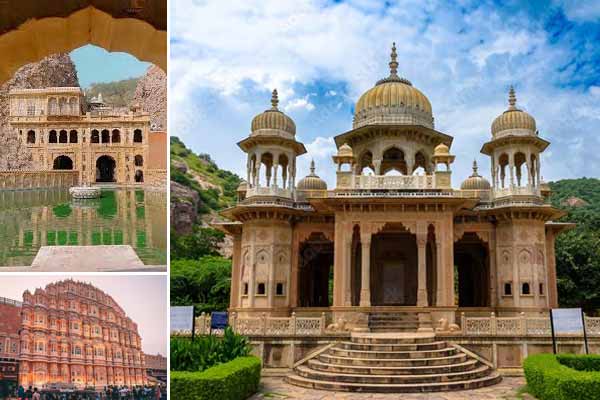
Jaipur, the capital of Rajasthan, is a city brimming with history, culture, and architectural marvels. Known as the “Pink City” for the color of its historic buildings, it offers a truly royal experience. The iconic Hawa Mahal, or Palace of Winds, with its intricate latticework facade, is a sight to behold and was built to allow royal women to observe street life without being seen.
The sprawling City Palace, a magnificent blend of Mughal and Rajasthani architecture, remains the residence of the former royal family and houses museums and courtyards. Nearby, the Jantar Mantar observatory, a UNESCO World Heritage site, showcases a collection of fascinating astronomical instruments.
A visit to the Amer Fort, perched on a hill, is a highlight. You can ride an elephant up to the fort’s entrance and explore its majestic halls, courtyards, and the stunning Sheesh Mahal (Hall of Mirrors). For a beautiful photo-op, the Jal Mahal, or Water Palace, appears to float in the middle of Man Sagar Lake. Don’t forget to get lost in the vibrant bazaars of the Old City, such as Johari Bazaar and Bapu Bazaar, for textiles, jewelry, and local handicrafts. Finally, a cultural evening at a place like Chokhi Dhani offers a taste of traditional Rajasthani folk music, dance, and cuisine.
The Golden Triangle of India, connecting Delhi, Agra, and Jaipur, is a popular tourist circuit rich in history, culture, and magnificent architecture. Here are the must-visit attractions in each city:
In Delhi
Qutub Minar: A UNESCO World Heritage Site, this towering minaret is a fine example of Indo-Islamic architecture.
Humayun’s Tomb: Often considered a precursor to the Taj Mahal, this beautiful tomb is set within a large garden and showcases Mughal architecture.
Red Fort: A historic fort built by Mughal emperor Shah Jahan, known for its massive red sandstone walls.
India Gate: A war memorial that stands as a tribute to Indian soldiers and is a popular spot for locals and tourists alike.
Jama Masjid: One of the largest and most magnificent mosques in India.
Chandni Chowk: An old, bustling market in Old Delhi where you can experience the city’s vibrant energy and famous street food.
In Agra
Taj Mahal: The undisputed highlight of any Golden Triangle tour, this stunning white marble mausoleum is a UNESCO World Heritage Site and one of the Seven Wonders of the World.
Agra Fort: This imposing red sandstone fort was the main residence of the Mughal emperors and offers a glimpse into their opulent lifestyle.
Fatehpur Sikri: A short drive from Agra, this abandoned city was once the capital of the Mughal Empire and is a must-visit for its well-preserved structures.
In Jaipur
Amer Fort: A majestic fort and palace complex perched on a hill, known for its artistic Hindu and Mughal architectural elements. Elephant rides are a popular way to reach the entrance.
Hawa Mahal: Known as the “Palace of Winds,” this unique five-story building with its intricate lattice-work facade was built to allow royal women to observe street life.
City Palace: Located in the heart of Jaipur, this palace is a blend of Rajasthani and Mughal architecture and still serves as a royal residence.
Jantar Mantar: A UNESCO World Heritage Site, this is an astronomical observatory with a collection of nineteen architectural instruments.
Best time to visit the Golden Triangle
The best time to visit the Golden Triangle is during the winter season, from October to March. During this period, the weather is cool and pleasant, making it ideal for sightseeing and exploring the outdoor attractions in Delhi, Agra, and Jaipur.
The temperature during these months is comfortable, with average highs ranging from 10°C to 25°C (50°F to 77°F). This is the peak tourist season, so while you can expect more crowds and higher prices, the favorable weather makes for a much more enjoyable trip.
You should avoid the summer months (April to June), when temperatures can soar to over 40°C (104°F), and the monsoon season (July to September), which brings heavy rainfall and high humidity. While these seasons offer fewer crowds and potential discounts, the extreme weather can make sightseeing very challenging.
How to plan your Golden Triangle Tour
Planning a Golden Triangle tour involves careful consideration of various factors to ensure a smooth and enjoyable experience.
Begin by determining the duration of your trip, typically around 6 to 7 days, and decide whether you want to explore any additional destinations nearby. Once your travel dates are set, consider booking your accommodations in advance, with options ranging from luxury hotels to budget-friendly guesthouses.
Transportation is another crucial aspect of your planning. You can choose to hire a private car with a driver, which offers flexibility and convenience, or take advantage of the extensive train and bus networks that connect these cities. Train travel can be an adventure in itself, providing a unique insight into Indian culture and hospitality. Ensure that you book your tickets ahead of time, especially during peak tourist seasons.
Creating a detailed itinerary is essential for maximizing your experience. Research various attractions and prioritize those that interest you the most. Allocate sufficient time for each site, allowing for spontaneous exploration and local experiences.
Consider incorporating guided tours for historical sites to gain deeper insights into their significance.
Lastly, keep local customs and traditions in mind, dress modestly when visiting religious sites, and be respectful of the local culture during your travels.