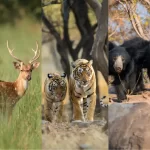


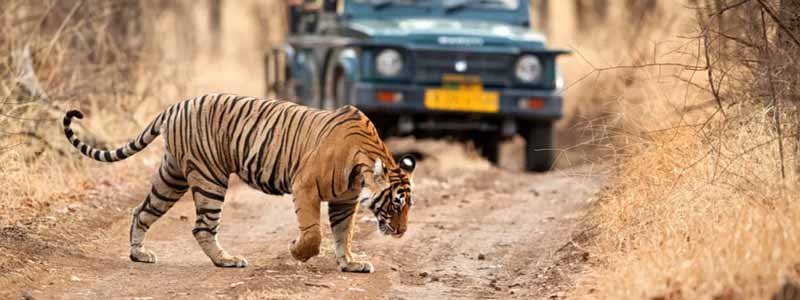
Best Zone for Spotting Tiger in Ranthambore National Park stands among India’s finest tiger reserves, renowned for its thriving population of Royal Bengal Tigers along with a diverse range of animals and bird species. Spanning an area of 1,334 sq. km (515 sq. mi), the park is beautifully flanked by the Banas River in the north and the Chambal River in the south. Located in the Sawai Madhopur district of Rajasthan, Ranthambore enjoys excellent connectivity with major cities like Jaipur, making it convenient for tourists to access its popular safari zones.
As one of the largest national parks in North India, Ranthambore is a treasure trove of rich flora and fauna, including several endangered species. For those eager to witness Bengal tigers in their natural habitat, the park offers thrilling jungle safari experiences that guarantee unforgettable encounters with wildlife.
Blessed with breathtaking landscapes, Ranthambore boasts a mix of lush greenery, rugged hills, ravines, lakes, waterholes, and arid plains, creating a dramatic setting for photography and videography. With its scenic charm and abundant wildlife, it is a must-visit destination for nature lovers, adventure seekers, and wildlife enthusiasts alike.

10 Best Zones in Ranthambore for Tiger Spotting
Ranthambore National Park, one of the most famous wildlife destinations in India, offers a unique safari experience for tiger enthusiasts. Divided into 10 distinct safari zones, each zone presents a different experience based on its landscape, tiger behavior, and species diversity. Below is a detailed breakdown of the Best Safari Zones for Tiger Spotting in Ranthambore, focusing on tiger behavior, key landmarks, and the rich variety of wildlife that each Zone has to offer.
Zone 1 Ranthambhore: Gateway and Tigers
Zone 1 is known for its high density of tigers and is often the first choice of many safari goers. This zone offers an exciting opportunity to see the majestic big cats in their natural habitat. Expect a diverse landscape including dense forests and open plains.
Tigers and other wild animals can be seen anywhere in the forest. The main areas to see tigers in this zone are Tooti Ka Nala, Amareshwar Dang, Sultanpur, Kharia, Kala-Peela Pani and Gada Doob.
The tigers roaming in Zone 1 include T 107 aka Sultana, T 39 aka Noor, T 105 Noori and her Cubs and T 101 Male Tiger.
Zone 2 Ranthambore: Water-rich Tiger Zone
This zone is one of the most important zones for safari in Ranthambore and a good number of tiger sighting have been reported from this safari zone. This zone is teeming with wildlife, including spotted deer, sambar and several bird species. The natural beauty and serene atmosphere in Zone 2 makes it a Favorite among nature lovers.
The important points of the tiger sighting in zone 2 are: Jogi Mahal area, Phuta Kot, Phuta Bandha, Lahpur Tiraha, Nal Ghati.
The zone is home to tigress T-84 aka Arrowhead and her cubs, tigress T-105 Noori and her cubs and a male tiger. The area is also a good habitat for leopards.
Zone 3 Ranthambore: Scenic Tiger Spotting
This is the most Favorite safari zone of wildlife photographers in Ranthambore National Park. The main reason for this is Raj Bag Lake, Malik Lake and Padam Lake and its landscape is extremely beautiful. The ancient historical Ranthambore Fort stands proudly in the background of this zone, which makes this zone even more scenic. This zone is considered to be the best zone for tiger sighting in Ranthambore. The entry and exit to this zone is the Jogi Mahal Gate. The zone is also an excellent spot for bird watchers.
The main places to see tigers in Zone 3 are Jogi Mahal, Padam Talab, High Point, Raj Bagh and Manduk. Around the lake located in this zone you may get a chance to spot tigress T 124 aka Riddhi and her cubs, male tiger T 120 and sometimes T 121.
Zone 4 Ranthambore: Legacy of Machli
Zone 4 has a more rugged terrain, with rocky hills and dense forests. This area is also an ideal place for those looking for solitude in nature. There are high chances of spotting leopards and other rare wildlife in this zone.
There are good opportunities to see tigers at different places in this zone. Malik Lake is also in this zone. This was the area of the world’s most famous tigress “Machhli” T-16. The tigers roaming in this zone include tigress Riddhi T-124 and her cubs, tigress T 111 aka Shakti and her cubs etc.
Some of the important places to see tigers in their natural habitat in Zone 4 include Malik Lake, Lakkad Da, Adi Dant, Lambi Ka Nala, Tamba Khan and Berda.
Zone 5 Ranthambore: Rugged Tiger Trails
A friendly safari can be enjoyed in Zone 5 of Ranthambore. This zone also includes parts of Zone 4. This zone is often recommended for families with children. The gentle terrain and diverse wildlife make it perfect for a relaxing safari experience. You can enjoy seeing a variety of wild animals here, including monkeys, deer and sometimes even tigers. However, spotting tigers is entirely dependent on luck and opportunity. It does not matter which zone you safari in.
The main places to spot tigers in this zone are Gular Kui, Kachida Valley, Bagdah and Bakhola.
The tigers spotted in the zone include tigress T-125 Siddhi, tigress Shakti T-111, male tigers T-120 and T-121.
Best zone in ranthambore for tiger spottingDue to the increasing number of tourists, the forest department has later added zones 6-10 to the Ranthambore Wildlife Sanctuary and the gates of these zones are in the opposite direction to zones 1-5. Safari gypsies and canters pass through the old city to enter these zones.
Zone 6 (Kundal) Ranthambore: Meadows and Mountains
Zone 6 is also known as Kundal. The landscape of Zone 6 is quite different from Zone 1-5. This zone has open grasslands and the huge Aravalli mountain range in the backdrop, which makes this zone more beautiful than other zones. Zone 6 is adjacent to Zone 1. Therefore, tigers roaming in Zone 1 are very likely to be seen in this zone.
In this zone you can see Indian Gazelle and also get a chance to see some rare species of birds. This zone has become the most popular safari zone in Ranthambore among tourists and wildlife photographers.
Since this area is close to the city, some cattle are seen roaming in the forest and the tiger hunts them too if it gets the chance. The main places to see tigers in this area are Saran Ke Pathe, Soleshwar Ka Nala, Kala Pani, Kundi and Patwa Bawdi.
The tigers that have their territory in this area include tigress T-39 alias Noor, tiger T-101 alias Badal, tigress T-127 alias Laxmi, tiger T-139 (Sultana’s son) and T-108 alias Jai.
Zone 7 Ranthambore: Quiet Tiger Woods
Zone 7 is a hidden gem for those looking for adventure away from the crowds. This zone offers a less commercial experience, with opportunities for close encounters with wildlife. Its diverse landscape is perfect for photography enthusiasts.
This zone has hilly terrain and steep climbs. The forest department has established water bodies in the zone and the natural beauty of the forest here attracts many tourists.
Important places to spot tigers during safari in Zone 7 are Chidikhho, zamoda, etc.
The tigers inhabiting this zone are Tigress T8 alias Ladli, daughter of tigress T99, male Tiger T 2310 (son of tigress Noori)
Zone 8 Ranthambore: Hilly Tiger Land
This zone is also known as Balas. It is a haven for wildlife and is located in the beautiful region of the Aravalli Hills. The region is full of rugged hills, beautiful scenery and wildlife. This area is one of the best habitats for leopards. Apart from this a large number of birds can also be seen here. These include Honey Buzzard, Indian Courser etc.
The main places to see tigers during safari in Zone 8 are Mahakho, Kali Bhat and Kherai etc.
Both Zone 7 and Zone 8 are close to each other and the same tigers and tigresses roam in Zone 8 as roam in Zone 7.
Zone 9 Ranthambore: Riverside Tiger Zone
On Wednesday, January 1, 2025, the Rajasthan Forest Department released an official notification, announcing that tourists visiting Zone 9 can now explore the forest areas adjoining Zone 6.
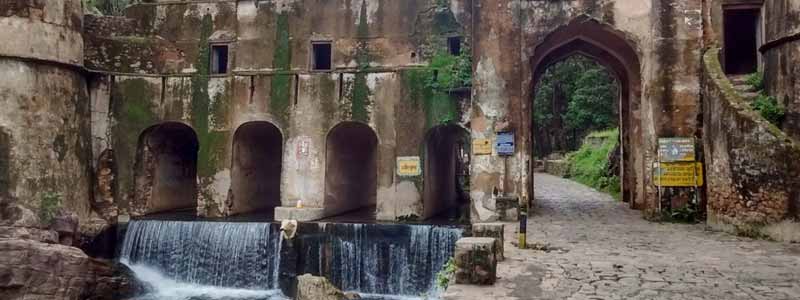
The updated route for Zone 9 now starts from Badh Gate and High Point Tiraha, offering an exciting journey through beautiful landscapes and wildlife-rich areas. Tourists will experience the beauty of Gadhha Valley Top, explore the views at High Point and pass through the charming Andhu Kua Tiraha and Andhu Kua. The route continues through the tranquil Bans Khori Tiraha, the historic Patwa Bawdi and the peaceful Banskhori Tiraha and then returns to the starting point at Badh Gate. This new route promises a memorable adventure for both nature lovers and explorers.
Zone 9 is famous for its spectacular landscapes, which include vast grasslands and beautiful hills. It is also a great area for photography and wildlife spotting, with opportunities to see tigers and many other animals.
The tigers roaming in the zone include Tiger T129 (son of T108), tigress T59.
Zone 10 Ranthambore: Remote Tiger Haven
This zone is located at a distance of about 14 kilometers from Ranthambore. The landscape of this zone is very beautiful. There are also water sources here where you can experience the thrill of watching wildlife. It is also a great place for bird watchers. This zone has some beautiful water bodies and hilly paths that make this area beautiful.
The zone offers a unique experience and gives visitors a unique and less crowded opportunity to view the park’s diverse wildlife and natural beauty. Mainly this zone is the habitat of tiger, leopard, bear, jackal, hyena and deer.
After zones 1 to 5, there is a very good chance of spotting tigers in this zone. Hence it has become a great safari zone for regular tourists visiting Ranthambore. The tigers seen in this zone include tigress T99 aka Aishwarya, daughter of tigress T114, tiger T108 Jai.
Best Time for Tiger Safaris
Summer (April–June): High temperatures drive tigers to waterholes, increasing visibility.
Winter (November–February): Comfortable weather but more foliage reduces sighting chances.
Monsoon (July–September): Park partially closes, but Zone 6 remains accessible.
How to Reach Ranthambore National Park
Ranthambore National Park is one of the finest wildlife attractions in India. Ranthambore Tiger Reserve is located in the Sawai Madhopur district of southeastern Rajasthan. Ranthambore is well connected to all major cities of India by rail and road.
By Air: The nearest airport to reach Ranthambore National Park is Sanganer Airport in Jaipur. The distance between Jaipur and Ranthambore is about 180 km and there are regular flights for Jaipur from all the major cities including, Delhi, Mumbai, Chennai, Bangalore, etc. The tourists can take a direct taxi or bus from Sanganer Airport to reach Ranthambore safely.
By Rail: The nearest railway station that connects Ranthambore National Park to other important cities is Sawai Madhopur Railway Station, which is located at a distance of 10 km from the park. The tourists can avail local bus, taxi, or cab to reach the Ranthambore park smoothly.
By Road: Ranthambore is well connected with all the major cities and towns through state bus service and it can be reached through private buses and taxis. Jaipur, Delhi, Ahmedabad, Ajmer, and Jodhpur can be easily travelled from Ranthambore.
- Delhi to Ranthambore: 381 Km (Approx. 6 Hours via NH8 and NH 11A)
- Jaipur to Ranthambore: 180 Km (Approx. 3h via Rajasthan State Hwy 24)
- Udaipur to Ranthambore: 388 Km (Approx. 6h 10 min via NH 76 and RJ SH 29)
- Agra to Ranthambore: 239 Km (Approx. 4h 23 min via via RJ SH 1)
- Bharatpur to Ranthambore: 202 Km (Approx. 3h 37 min via RJ SH 1)
- Ahmedabad to Ranthambore: 640 Km (Approx. 9h 47 min via NH8 and NH 76)
- Mumbai to Ranthambore: 1031 Km (Approx. 16 h 51 min via NH 3)