

Best picnic spots in Udaipur with family on weekends, the “City of Lakes” and “Venice of the East,” is one of Rajasthan’s most romantic and captivating destinations, nestled amidst the Aravalli Hills. Its tourism is defined by shimmering water bodies and majestic Rajput-era architecture.
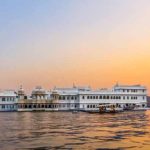
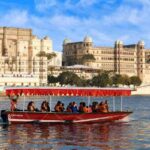
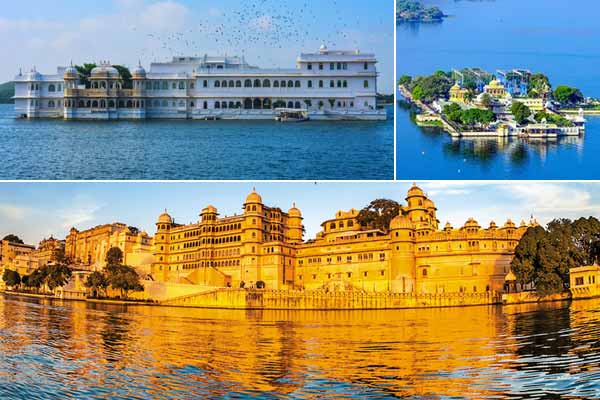
The heart of the city is Lake Pichola, where a sunset boat ride offers a magical view of the surrounding palaces. The most iconic landmarks are the colossal City Palace, a complex of courtyards, museums, and hanging gardens, and the ethereal Taj Lake Palace (formerly Jag Niwas) and Jag Mandir, which appear to float on the lake’s serene waters.
Other must-visit spots include the hilltop Sajjangarh (Monsoon) Palace, providing panoramic city views, and Bagore Ki Haveli, a historic mansion known for its museum and famous evening folk dance show. The ornamental Saheliyon Ki Bari garden and the tranquil Fateh Sagar Lake add to the city’s charm. Udaipur is also a hub for miniature paintings, traditional crafts, and delectable Rajasthani cuisine, making it a rich cultural experience. The best time to visit is during the pleasant winter months (October to March).
History of Udaipur City
The glorious history of Udaipur dates back to 1559 when it was founded by Maharana Udai Singh II. Once the king was on a hunting voyage where he encountered a sage, he suggested him to establish a kingdom in this rich land. The Maharaja followed the sage advice and started working on the plan, which got completed by 1553 AD. In 1568, the Mughal emperor Akbar attacked the fort of Chittor, and to avert the danger in future Udai Singh moved the capital to Udaipur. But, soon after that Mewar reclaimed their territory and recaptured most of their kingdom.
After the demise of Udai Singh, the throne was passed on to his son Maharana Pratap. In 1576, at the battle of Haldighati, the Mughal emperor Akbar fought with Maharana Pratap and occupied Udaipur once again. It resulted in significant casualties, but the Mughal failed to capture Rana as he managed to escape. Later, after the death of the Great Emperor his son Jahangir took the throne and subsequently passed the control of Udaipur to Maharana Pratap son, Amar Singh.
Udaipur has experienced the most glorious period in its history in the 15th and 16th centuries during the reigns of Rana Kumbha, Rana Sanga, and Maharana Pratap. Mewar made great progress in the arts and culture and solidified its military strength. In 1818 Udaipur was declared as a princely state of British India. After India attained independence, the Maharaja of Udaipur allowed the Government of India to take a hold of it, which resulted in a merger of Mewar in the Rajasthan state.
Explore The Top 10 Udaipur Picnic Places
Here’s a list of the best Udaipur picnic places, offering the perfect getaway for families, couples, and groups looking to enjoy a day outdoors.
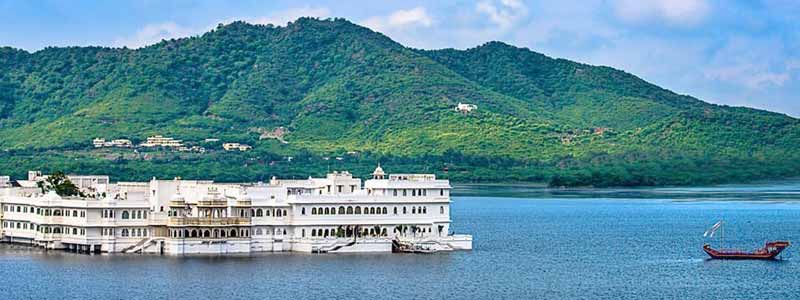
Lake Pichola
The most famous lake in Udaipur is also its oldest. Lake Pichola is actually an artificial lake built in 1362 A.D. Surrounding this lake are a number of pretty restaurants and cafes that let you enjoy the lake view.
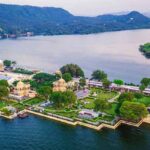
Inside Lake Pichola, there are 4 islands, namely, Jag Mandir, Mohan Mandir, Jag Niwas and Arsi Vilas, each of which has a beautiful palace resting on it. The luxurious Taj Mahal Palace sits on the Jag Niwas Island. These islands can only be reached via boat.
Commercial boat rides begin at 10 in the morning and are on until 5 in the evening. The lake looks particularly splendid during and after sunset. Hence, boating in the evening is priced at twice the regular fare.
Timings: 9:00 AM – 6:00 PM
Entry Fee: Free
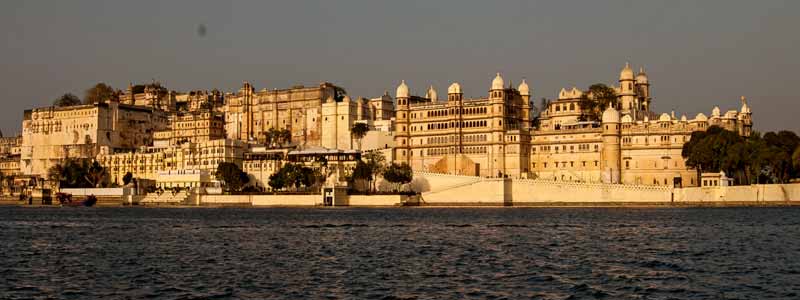
City Palace
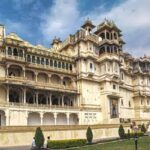
Built beside Lake Pichola, the City Palace is a huge palace complex which encompasses some halls, galleries and other palaces that are attractions on their own. The entire complex took around 400 years to be fully built. The construction was started by the ruling king of Mewar – Maharana Udai Singh II in 1553. By the time the City Palace was fully built, it saw 22 generations of Sisodia Rajputs.
Over the years, some of these mini palaces have been converted to luxury hotels and museums. The structures in the palace complex are built in Mughal and Rajasthani architectural styles, with the use of marble and granite. From many of the rooms and balconies, one can see the Lake Pichola. The terraces on the higher floors also offer views of the rest of Udaipur.
Timings: 9:00 AM – 9:00 PM
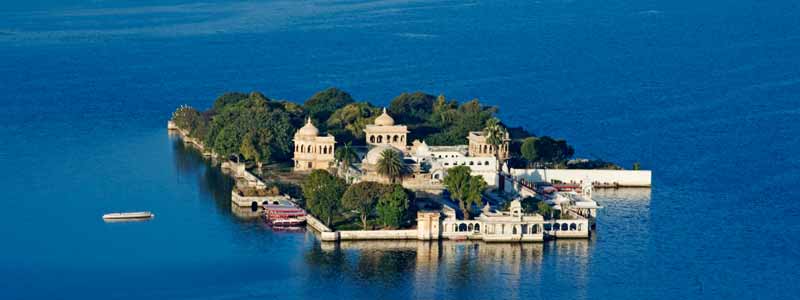
Jag Mandir Isla
Located on the island of the same name, the Jagmandir Island Palace appears to float on Lake Pichola. Also known as Lake Garden Palace, the construction of this building was commissioned by Maharana Amar Singh in 1551. The work was finished in the era of his grandson, Maharana Jagat Singh I. The palace is, therefore, actually named Jagat Mandir after him.
Since the palace is in the middle of a lake, it can only be reached via boat. It takes about half an hour to reach Jagmandir Island Palace from the jetty at Bansi Ghat. It is open on all days from 10 AM to 6 PM.
Most visitors prefer to lunch at the palace restaurant named ‘Darikhana’ which specializes in Rajasthani cuisine. This three-storey palace is surrounded by a courtyard and a lovely garden where private parties are hosted.
Timings: 10:00 AM – 6:00 PM
Entry Fee: Free
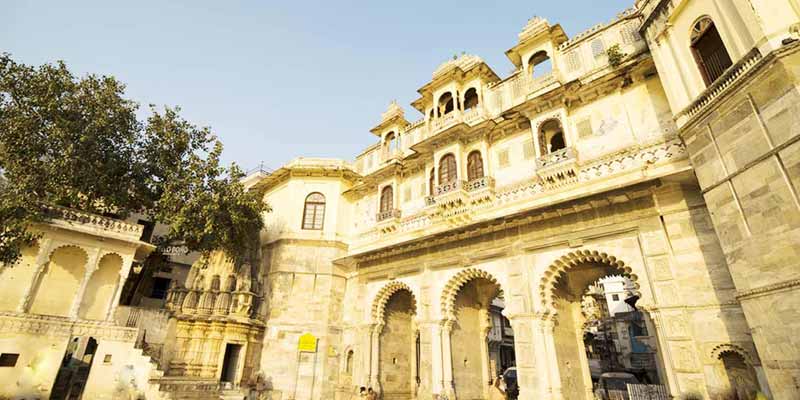
Bagore ki Haveli
This palace and museum is located at the Gangori Ghat of Lake Pichola. It was built by the 18th century Prime Minister of Mewar – Amar Chand Badwa. Since 1986 though, this residential haveli is a museum.
There are more than a hundred rooms in Bagore Ki Haveli, each decorated lavishly with mirror-work and murals on the walls and doors. The museum is further divided into 5 museums which showcase the palace rooms, puppetry, weaponry, Indian weddings through puppets and dolls, and turbans from across India.
Bagore Ki Haveli also offers a unique Dharohar Dance Show from 7 PM to 8 PM.
Timings: 9:30 AM – 5:30 PM
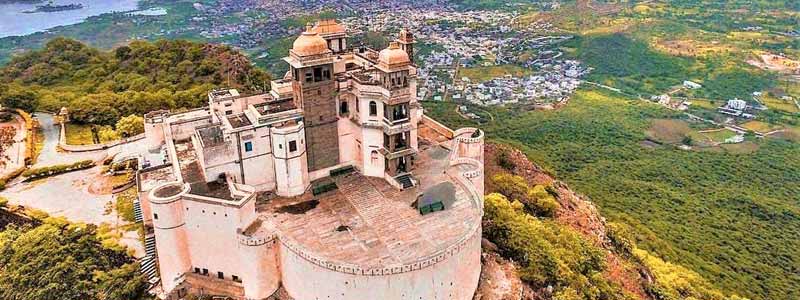
Monsoon Palace / Sajjangarh Fort
5 kilometres from Udaipur, Sanjjangarh Palace is a fort on the Bansdara Peak of the Aravalli hills. It served as the monsoon residence of Maharana Sajjan Singh. Built in 1884, its main purpose, apart from housing the king of Mewar, was to let him watch the rain clouds.
The views from up here are absolutely delightful, as you can see most of Udaipur’s lakes and the hilltops of the Aravallis from the terrace courtyard. The fort is 9 storeys tall and built of white marble. There is also a system to harvest rainwater and store it in a cistern underground.
Timings: 9:00 AM – 6:00 PM
Saheliyon Ki Bari
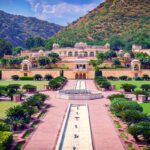
Saheliyon Ki Bari, built as a royal retreat, is an impressive garden filled with intricate fountains, lotus pools, and stately marble pavilions. The site offers a glimpse into historical architecture while providing a peaceful space for visitors. Its beautiful pathways are perfect for those looking to appreciate the intricacies and history. The on-site museum gives an added layer of interest, offering educational insights into the garden’s past, making this an ideal picnic destination for history enthusiasts and families alike.
Major Attractions: Fountains, lotus pools, museum
Timings: 9 AM – 7 PM
Location: Saheli Marg, Udaipur, Rajasthan
Sajjangarh Wildlife Sanctuary
Sajjangarh Wildlife Sanctuary is an appealing destination for nature lovers. Located near Sajjangarh Palace, this sanctuary offers opportunities to observe wildlife in their natural environment. It’s an inviting place for a relaxed outdoor adventure, combining elements of wildlife spotting with scenic hiking trails. Birdwatchers will also find plenty to enjoy, as the sanctuary is home to numerous bird species. This spot blends the excitement of wildlife exploration with a picnic-friendly atmosphere, making it ideal for families and adventurous visitors.
Major Attractions: Wildlife, hiking, birdwatching
Timings: 9 AM – 6 PM
Location: Sajjangarh, Udaipur, Rajasthan
Maharana Pratap Memorial
Built atop the Moti Magri hill, Maharana Pratap Memorial honours the courage and spirit of Rajput warrior king Maharana Pratap. The memorial is a bronze statue of the ruler mounted on his beloved horse – Chetak. Often called the Pratap Smarak, this monument was erected by Maharana Bhagwat Singh in the 18th century. The statue weighs a whopping 70 tonnes and is 11 feet tall.
There is a winding road that leads all from the foot of the hill (next to Lake Fatehsagar) to the top (where the memorial is). One gets an amazing view of the lake and several places of the city from up here. On the way, you can stop by at the museum which has a scaled down model of the Aravallis and the various forts and important cities of Mewar marked on it. You can also look at the portraits of several members of the royal Sisodia Rajput family, and a few paintings collected by the Maharana.
Timings: 8:00 AM – 8:00 PM
Jagdish Temple
Previously known as Jagannath Rai, this temple was built in honour of the Hindu god – Vishnu. The construction of this temple began in 1651, commissioned by the reigning king of Mewar – Maharana Jagat Singh. Located in the old city of Udaipur, Jagdish Temple showcases Indo-Aryan architecture.
There are several notable features of this temple – intricately carved ceilings, pillars with designs on them, colourful walls and a grand entrance. A statue of the mythical half-bird-half-man creature named Garuda is seen in front of this temple. It is said that Garuda guards the abode of Lord Vishnu.
Timings: 5:00 AM – 2:30 PM, 4:00 PM – 10:30 PM
Entry Fee: Free
Eklingji Temple
Built in the 8th century A.D., Eklingji Temple is dedicated to the Hindu deity of Eklingji, another moniker for the well recognized name – Shiva. The black stone statue of Eklingji at this shrine is 50 feet tall has 4 heads, each denoting a form of Shiva. The 4 forms here are Surya, Brahma, Vishnu and Rudra. There are also statues of Shiva’s wife (Parvati) and his 2 sons – Kartik and Ganesha.
At the entrance of the temple, there is a statue of the Hindu bull deity – Nandi. According to mythology, Nandi guards the gate to Mount Kailash (the abode of Shiva).
Timings: 4:00 AM – 8:00 PM
Entry Fee: Free
How to Reach Udaipur
Udaipur is well connected by air, railways and roadways. Here is some essential information for you to plan your trip to this city:
Flights: Udaipur’s Dabok Airport services domestic flights to Mumbai, Delhi and Rajasthani cities like Jodhpur and Jaipur. Since the airport is 25 km from the city centre, you will have to hire a car or rickshaw to reach your hotel.
Trains: Udaipur City Railway Station connects this city to various parts of the country. There are over 50 trains that halt at this station, making it possible to take a train from here to most of the other cities.
Buses: Long distance buses can get you to Udaipur from Ahmedabad, Jaipur, Mumbai and a few other cities. The City of Lakes is on the National Highway 8 and 48, hence well connected.
Car: If you are arriving from other Rajasthani cities, you can also drive here. State Highways are present throughout Rajasthan, making it convenient to get to Udaipur from Chittorgarh, Jodhpur and nearby places.