A Guide To The 8 UNESCO World Heritage Sites In Rajasthan
rtp123
A Guide To The 8 UNESCO World Heritage Sites In Rajasthan, the land of kings, boasts a rich historical and cultural tapestry, recognized globally through its nine UNESCO World Heritage Sites. These sites showcase the state’s architectural prowess, scientific advancements, and natural beauty.
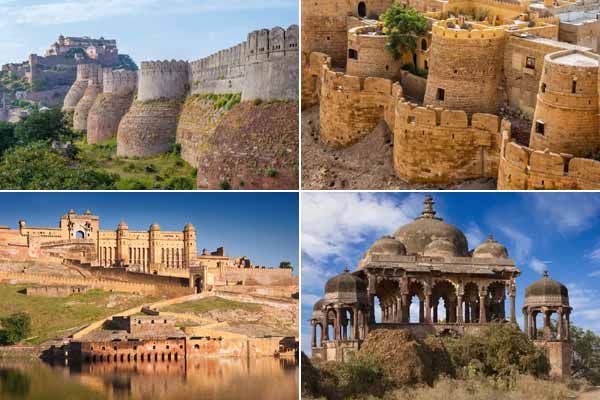
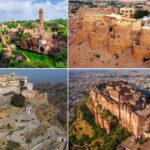
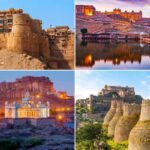
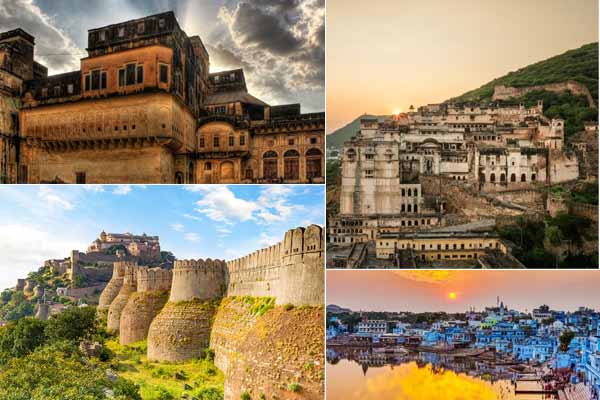
The most prominent group is the Hill Forts of Rajasthan, inscribed in 2013. This serial site includes six magnificent forts: Chittorgarh Fort, Kumbhalgarh Fort, Ranthambore Fort, Gagron Fort, Amber Fort (Amer Fort), and Jaisalmer Fort. Each fort, with its unique architectural style and strategic location, narrates tales of valor, royalty, and historical events, often incorporating sophisticated water harvesting systems.
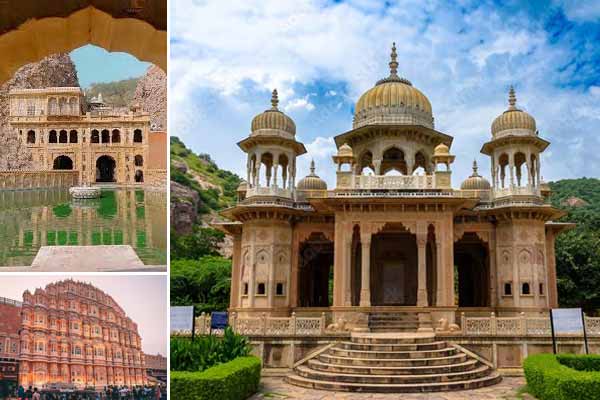
Beyond the forts, Jantar Mantar in Jaipur, a monumental astronomical observatory built in the 18th century by Maharaja Sawai Jai Singh II, is a testament to India’s scientific heritage. Its nineteen instruments, including the world’s largest stone sundial, were designed for accurate celestial observations.
Nature’s bounty is celebrated at Keoladeo National Park in Bharatpur, a vital wetland recognized in 1985. This bird sanctuary is a haven for over 350 species of migratory and resident birds, making it a critical site for ornithologists and nature enthusiasts.
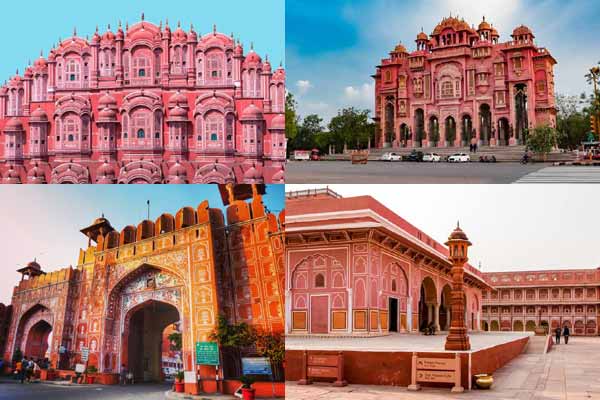
The most recent addition to Rajasthan’s UNESCO list is the Historic City of Jaipur, inscribed in 2019. Known as the “Pink City,” Jaipur was one of India’s first planned cities, renowned for its distinctive urban planning, vibrant markets, and iconic palaces.
Rajasthan boasts 08 UNESCO World Heritage Sites, each offering details on entry fees, operational hours, locations, and the best time to visit.
A Guide To The 8 UNESCO World Heritage Sites In Rajasthan
1. Chittorgarh Fort
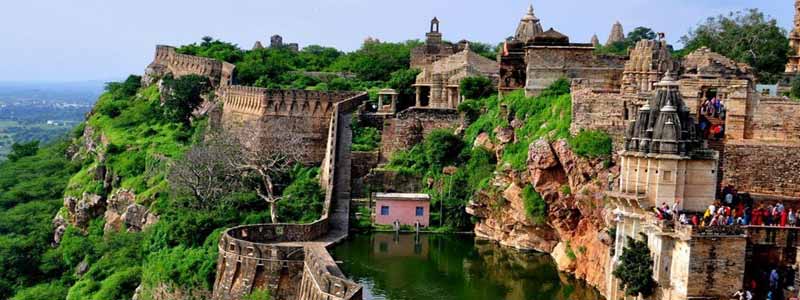
Chittorgarh Fort, once the capital of Mewar, holds a rich historical legacy, having been central to the political and military stories of the Rajput, Khalji, and Mughal dynasties. The fort, an architectural marvel, is known for its grand structures such as the towering Vijaya Stambha, symbolizing victory and resilience, which is also known as the Symbol of Chittorgarh. The fort’s strategic design features limestone bridges, fortified brick walls, and the serene lake adjacent to it, making it a visual delight for visitors.
Location: Chittorgarh Fort is situated in the city of Chittorgarh, Rajasthan, on Chittor Fort Road. Best Time to Visit: The best times to explore the fort are during the cooler winter months (December to February) or the monsoon season (June to September), when the weather is most favorable for long tours. Hours of Operation: The fort is open daily from 9:00 AM to 6:00 PM, although the adjacent museum remains closed on Mondays.
For Indian tourists: ₹50 For foreign tourists: ₹600 For children below the age of 15: Free entry
This UNESCO World Heritage site continues to be an enduring symbol of Rajasthan’s storied past, and its allure remains undeniable for both history buffs and art lovers.
A Guide To The 8 UNESCO World Heritage Sites In Rajasthan
2. Amber Fort
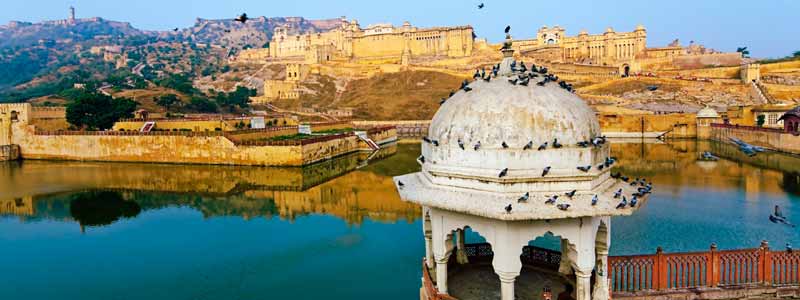
Amer Fort, also known as Amber Fort, stands as the largest fort in Jaipur and is a prime example of Rajasthan’s cultural and architectural heritage. The fort is renowned for its rich blend of Hindu and Mughal architectural styles, symbolizing the fusion of different cultural influences in India. The fort derives its name from the nearby Hindu temple dedicated to Lord Shiva, while its striking design—particularly the Sheesh Mahal (Mirror Palace)—showcases an exquisite mix of Islamic and Rajasthani architecture.
Location: Devisinghpura, Amer, Jaipur Best Time to Visit: The best months to visit are between November and January, when the weather is cooler and more pleasant for exploring the fort. Hours of Operation: Amber Fort is open from 9:00 AM to 5:00 PM daily. In addition, the fort is open for night tourism from 7:00 PM to 10:00 PM, offering a stunning opportunity to see the fort illuminated under the night sky.
Indian Visitors: ₹100 Indian Students (with valid ID): ₹25 Foreign Visitors: ₹500 Foreign Students (with valid ID): ₹150 Children under 7 years: Free entry
Amer Fort remains a must-visit historical site, not only for its grand architecture but also for its cultural significance. Whether you’re a history enthusiast, an architecture lover, or just someone seeking to explore the charm of Jaipur, Amber Fort offers an unforgettable experience.
A Guide To The 8 UNESCO World Heritage Sites In Rajasthan
3. Jaisalmer Fort
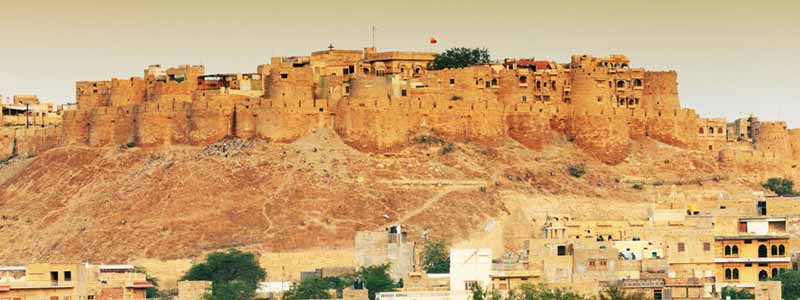
Jaisalmer Fort, an iconic architectural marvel, has captivated both history enthusiasts and art aficionados for centuries. Also known as the Golden Fort due to its distinct golden hue, it was constructed by Rawal Jaisal, the Bhati Rajput ruler and founder of Jaisalmer, in the 12th century. The fort’s historical significance and aesthetic charm have earned it a place in numerous literary works.
Location: Situated in the heart of Jaisalmer, the fort is located on Fort Road, in the Dhibba Para area, close to Manak Chowk and Amar Sagar Pol.
Best Time to Visit: Given Jaisalmer’s desert climate, the best time to explore the fort is during the cooler months, from October to March, when temperatures are more pleasant for outdoor exploration.
Hours of Operation: The fort is open to the public daily, from 9:00 AM to 6:00 PM, providing ample time to take in its beauty and history.
Indian visitors: ₹50 Foreign visitors: ₹250 Note: Photography and videography inside the fort incur an additional charge.
The fort remains one of Rajasthan’s most visited landmarks, offering not just a glimpse into the region’s rich heritage but also an unforgettable experience of its architectural grandeur.
A Guide To The 8 UNESCO World Heritage Sites In Rajasthan
4. Kumbhalgarh Fort
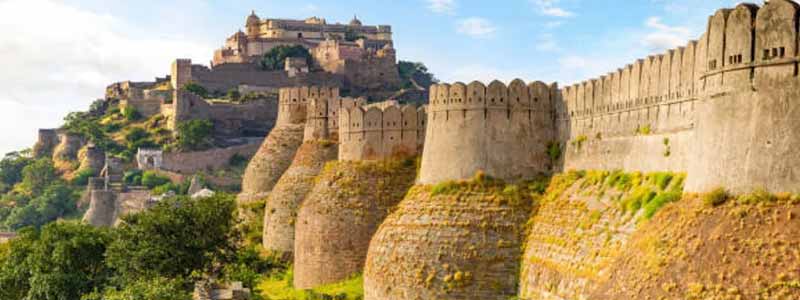
Kumbhalgarh Fort, standing as a monumental testament to Mewar’s rich history, is renowned for its impressive 36-kilometer-long wall, making it the second longest in the world after the Great Wall of China. Built over seven centuries ago, this historic fort has preserved its structural magnificence, captivating visitors with its timeless charm. History enthusiasts will find Kumbhalgarh particularly fascinating, as it is the birthplace of Maharana Pratap, one of Rajasthan’s most revered kings.
Location: Situated in the Rajsamand district of Rajasthan, Kumbhalgarh Fort is nestled in the westerly range of the Aravalli Hills. The fort’s strategic location provides visitors with breathtaking views of the surrounding landscape, enhancing its appeal as a historical and scenic site.
Best Time to Visit: To make the most of your visit to Kumbhalgarh Fort, experts recommend planning your trip between September and March. During these months, the weather is pleasant and ideal for exploring the fort’s expansive grounds and historic structures.
Hours of Operation: The fort is open to the public every day from 9:00 AM to 6:00 PM. Visitors are encouraged to spend ample time exploring the fort’s massive walls, ancient temples, and scenic surroundings.
For Indian visitors: ₹15 For visitors from the South Asian Association for Regional Cooperation (SAARC) and the Bay of Bengal Initiative for Multi-Sectoral Technical and Economic Cooperation (BIMSTEC): ₹15 For foreign visitors: ₹200
With its colossal walls, historical significance, and serene location, Kumbhalgarh Fort is a must-visit for those interested in Rajasthan’s royal past and architectural grandeur.
A Guide To The 8 UNESCO World Heritage Sites In Rajasthan
5. Jantar Mantar
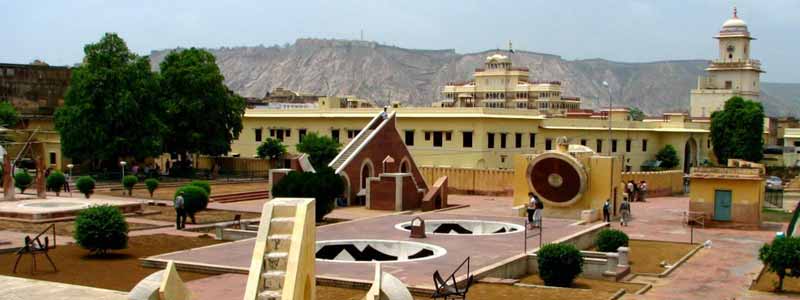
Jantar Mantar in Jaipur stands as a testament to ancient India’s impressive scientific advancements. This UNESCO World Heritage Site is a collection of 19 astronomical instruments, including the world’s largest stone sundial, the Vrihat Smarat Yantra. These instruments, such as the Digamsa, Nadivalaya, and Karnti Vritya, were built for the precise observation of celestial bodies, time, and planetary movements. The observatory is located in the heart of Jaipur, attracting visitors from around the world who are keen to witness its extraordinary design and functionality.
Location: Gangori Bazar, J.D.A. Market, Pink City, Jaipur
Best Time to Visit: The ideal time to visit is from October to February, avoiding the extreme heat of Rajasthan’s summer. The dry season also ensures better visibility for the instruments, particularly the sundial, which functions most effectively under the midday sun.
Hours of Operation: The observatory is open daily from 9:00 AM to 4:30 PM. It is best to visit around noon to fully appreciate the accuracy of the instruments as they align with the sun’s position.
Entry Fee:
For Indian Citizens: ₹50 per person For Foreign Tourists: ₹200 per person For Children (Below 15 years): Free entry Tickets can now be purchased both online and offline, offering flexibility for tourists planning their visit.
Jantar Mantar, built by Maharaja Jai Singh II in 1728, is not just an architectural marvel but also a rich historical site that highlights the progressive scientific approach of ancient India.
A Guide To The 8 UNESCO World Heritage Sites In Rajasthan
6. Ranthambore Fort
Ranthambore Fort is a historical landmark that has played a crucial role in the political and cultural history of Rajasthan. Built by the Chahamanas of Ranastambhapura, the fort has been witness to numerous dynastic changes. It is home to several ancient Hindu and Jain temples, making it a spiritual as well as historical site. The fort was once captured by Muhammad of Ghor’s Delhi Sultanate before it was handed over to the Kachwaha Maharajas of Jaipur.
Location: Ranthambore Fort is situated on Ranthambore Road, Vigyan Nagar, Sawai Madhopur. It lies within the Ranthambore National Park, a Project Tiger reserve, which is named after the fort itself. This fort’s unique setting within the park makes it a perfect blend of history and nature.
Best Time to Visit: The ideal time to explore Ranthambore Fort is between November and February when the weather is cool and pleasant for a visit. However, for wildlife enthusiasts looking to explore the adjacent Ranthambore National Park, the months of April to June are the best, as it is the prime season for wildlife sightings.
Hours of Operation: The fort is open to visitors from 6:00 AM to 6:00 PM, giving you ample time to explore its rich history and scenic surroundings.
Entry Fee: The fort is free to visit, allowing easy access to anyone interested in exploring this historical gem.
Ranthambore Fort, nestled within a national park known for its tigers, offers a unique experience where nature and history intertwine. Whether you’re interested in Rajasthan’s ancient forts, religious temples, or the diverse wildlife, this site offers a rich blend of all.
A Guide To The 8 UNESCO World Heritage Sites In Rajasthan
7. Gagron Fort
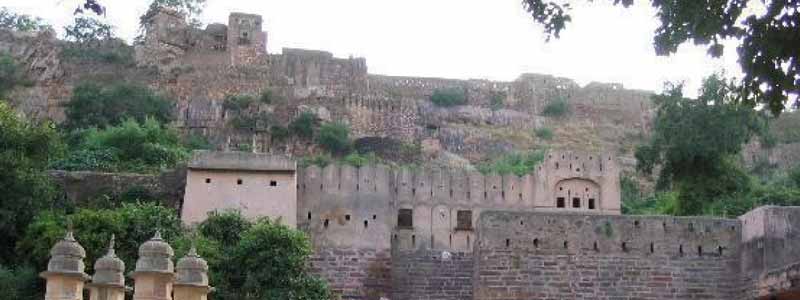
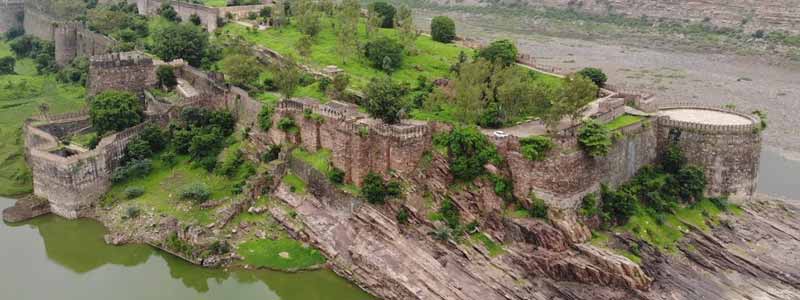
The Jaladurga Fort, also known as the Water Fort, was originally constructed under the patronage of Rajput royalty, later coming under the control of notable rulers like Sher Shah Suri and Akbar. Its strategic location, surrounded by water bodies, made the fort nearly impenetrable and a vital stronghold for the Khinchi kingdom, a Rajput clan that maintained control for nearly three centuries. The fort’s position on an island-like formation and its fortifications earned it the moniker of “Jaladurga” (Water Fort) in Rajasthani culture.
Location: Located in Jhalawar, in the Hadoti region of Rajasthan, the fort sits amidst water bodies, enhancing its historical significance and defensive prowess.
Best Time to Visit: The ideal time to visit is between August and March. During these months, the weather is more conducive for exploring this UNESCO World Heritage site, with cooler temperatures offering a pleasant experience.
Hours of Operation: The fort remains open year-round from 9:00 AM to 6:00 PM. Visitors can explore the fort’s grand structure, admire its surroundings, and learn about its royal history.
Entry Fee: Visitors can explore the fort at no cost, making it an accessible site for history enthusiasts and travelers.
The Jaladurga Fort stands as an iconic representation of Rajasthan’s regal heritage, offering insights into the region’s rich history and the military prowess of the Rajputs.
A Guide To The 8 UNESCO World Heritage Sites In Rajasthan
8. Keoladeo National Park, Bharatpur
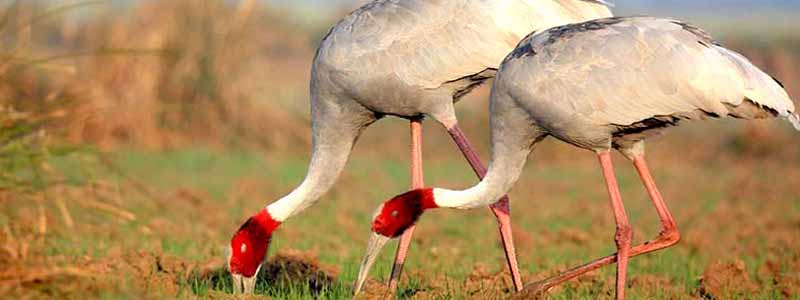
The Bharatpur Bird Sanctuary, also known as Keoladeo National Park, is a renowned protected area established in 1976. Once a royal hunting ground, it was converted into a sanctuary to provide a safe haven for the rich and diverse fauna inhabiting the region. Today, this UNESCO World Heritage Site is a haven for bird watchers and nature enthusiasts, offering the opportunity to witness various species of birds, fishes, reptiles, and amphibians.
Location: Located in the city of Bharatpur, Rajasthan, the sanctuary is situated in the northeastern part of the state and spans across a variety of ecosystems, from wetlands to woodlands, making it an ideal habitat for migratory birds.
Best Time to Visit: The best time to visit the sanctuary is between October and February. This period offers a more temperate climate, perfect for exploring the sanctuary’s diverse flora and fauna. During these months, bird migration is at its peak, making it an ideal time for bird watching.
Hours of Operation:
The hours of operation vary based on the time of year:
March to October: 6:00 AM to 7:00 PM November to January: 7:00 AM to 6:00 PM
Entry Fee:
For Indian visitors: ₹75 For foreign visitors: ₹200
Keoladeo National Park is home to over 300 species of birds, including the endangered Siberian Crane, making it one of the top bird-watching destinations in India. The sanctuary also features a diverse range of reptiles, fish, and mammals, offering a well-rounded natural experience. Whether you’re a birdwatcher or a nature lover, the Bharatpur Bird Sanctuary provides an unforgettable opportunity to connect with nature.
This sanctuary remains one of the most visited sites for eco-tourism in Rajasthan, offering a blend of natural beauty and ecological significance.