Jal Mahal Jaipur: History, Architecture, Best Time to Visit and Complete Travel Guide
rtp123
Jal Mahal Jaipur: History, Architecture, Best Time to Visit and Complete Travel Guide, also known as the Water Palace of Jaipur, is one of the most beautiful and famous tourist attractions in Rajasthan. Located in the middle of Man Sagar Lake, this magnificent palace is surrounded by the Aravalli Hills and offers a breathtaking view of traditional Rajput architecture. It is situated on the Jaipur–Amer Road, approximately 6 km from the city centre.
Jal Mahal was originally built in the 18th century during the reign of Maharaja Madho Singh I. The palace was designed as a royal summer retreat where the royal family could enjoy peaceful moments away from the busy city. Its beautiful architecture combines Rajput and Mughal styles, featuring elegant balconies, decorative windows and attractive chhatris.
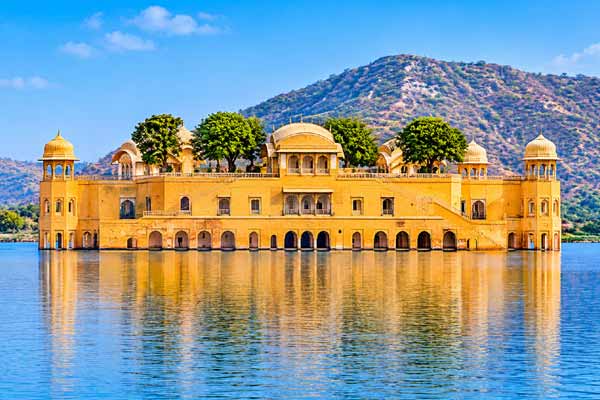
One of the most interesting features of Jal Mahal is that four of its five floors remain underwater when the lake is full. Only the upper floor is visible above the water, making the palace look like it is floating on the lake. This unique design makes it a popular attraction among photographers and visitors.
The best time to visit Jal Mahal Jaipur is from October to March, when the weather is pleasant for sightseeing and photography. Early morning and evening are ideal times to enjoy the peaceful atmosphere and beautiful views of the palace. Visitors can admire Jal Mahal from the lakeside promenade and capture stunning photographs.
Jal Mahal is easily accessible by taxi, private car, auto-rickshaw and local transport. It is also conveniently located near other attractions, including Amer Fort, Jaigarh Fort and Nahargarh Fort.
A visit to Jal Mahal is a wonderful addition to any Jaipur sightseeing tour, offering a memorable glimpse of Rajasthan’s royal heritage, architectural beauty and natural surroundings.
Jal Mahal has an interesting history connected with the royal heritage of Rajasthan. The palace is traditionally associated with Maharaja Madho Singh I, who developed it as a hunting lodge for himself and his royal companions during duck-hunting trips. It was not originally intended to function as a regular residential palace.
During the 18th century, Maharaja Jai Singh II undertook improvements to the palace and the surrounding Man Sagar Lake. The structure became an important example of traditional Rajput architecture and royal engineering.
Over the years, the palace and lake underwent periods of neglect and restoration. Today, Jal Mahal stands as one of Jaipur’s most recognisable historical landmarks and attracts visitors throughout the year.
According to Rajasthan Tourism, the palace was designed with special attention to water resistance, including specially developed lime mortar that helped protect its structure against water seepage.
2. Architecture of Jal Mahal
Jal Mahal is a beautiful example of traditional Rajput architecture with influences from Mughal design elements. The palace is constructed using pink and red sandstone and features symmetrical architecture, decorative balconies, attractive windows and elegant domes.
One of its most interesting features is its five-storey structure. When Man Sagar Lake is full, four floors remain submerged underwater, while only the upper floor is visible above the lake. This creates the fascinating impression that the palace is floating on the water.
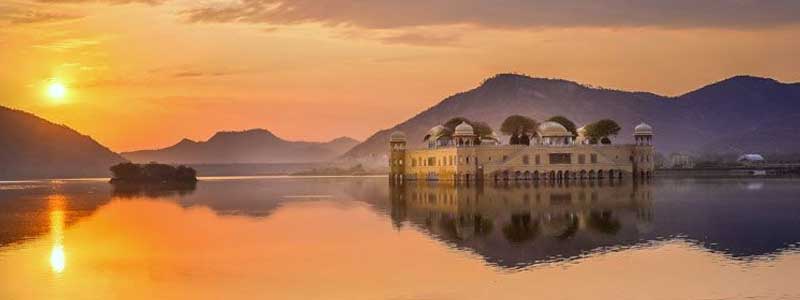
The palace also features beautifully designed chhatris, decorative balconies and a rooftop garden. Its architectural beauty becomes especially impressive when the palace reflects on the calm surface of Man Sagar Lake.
3. Man Sagar Lake – The Beautiful Surroundings of Jal Mahal
Man Sagar Lake is an important part of the beauty and history of Jal Mahal. The artificial lake is surrounded by the Aravalli Hills and provides a beautiful natural setting for the palace.
The lake is also known for its birdlife, particularly during the winter season. Visitors may spot different varieties of waterbirds around the lake, making it an interesting location for nature lovers and photography enthusiasts.
The combination of blue water, green hills and the historic sandstone palace creates one of Jaipur’s most attractive landscapes.
4. Best Time to Visit Jal Mahal Jaipur
The best time to visit Jal Mahal is between October and March, when Jaipur experiences pleasant weather and comfortable temperatures.
Winter (October to March): Winter is the most suitable season for sightseeing. The pleasant climate makes it comfortable to enjoy the lakeside views, photography and nearby attractions.
Summer (April to June): Summer temperatures in Jaipur can become very high. Early morning visits are recommended to avoid the afternoon heat.
Monsoon (July to September): The monsoon season brings greenery to the surrounding hills and can make Man Sagar Lake look particularly beautiful. However, weather conditions may sometimes affect outdoor sightseeing.
5. Best Time of Day to Visit Jal Mahal
Early Morning: A peaceful time to enjoy the lake and capture photographs with soft natural light.
Afternoon: Visitors can admire the palace architecture, although the sunlight may be strong during summer.
Evening: Sunset offers beautiful golden colours and attractive reflections on the lake.
Night: The illuminated palace can create a beautiful atmosphere and attractive photography opportunities when lighting is available.
6. Jal Mahal Jaipur Entry Fee and Timings
Visiting Jal Mahal Jaipur is free for all tourists who want to admire its beautiful architecture from the lakeside promenade. There is no entry fee for viewing the palace from outside. However, visitors are currently not allowed to enter the palace, and regular boating facilities are not available. The lakeside viewpoint is generally accessible throughout the day, with some travel guides listing timings from 6:00 AM to 6:00 PM. The best time to visit is early morning between 7:00 AM and 10:00 AM or evening before sunset. During these hours, visitors can enjoy beautiful lake views, capture photographs and admire the palace against the Aravalli Hills. Allow approximately 20–30 minutes for sightseeing.
7. How to Reach Jal Mahal Jaipur
Jal Mahal is situated on Amer Road in Jaipur, approximately 6 km from the old city area. It is easily accessible by taxi, private car, auto-rickshaw and other local transport.
By Air: Jaipur International Airport is the nearest airport. From the airport, visitors can hire a taxi or book a private vehicle to reach Jal Mahal.
By Train: Jaipur Junction is the main railway station. Visitors can reach Jal Mahal by taxi, auto-rickshaw or local transport.
By Road: Jaipur has good road connectivity with Delhi, Agra, Ajmer, Udaipur and other major cities of Rajasthan. Visitors travelling by private car or taxi can easily reach Jal Mahal through Amer Road.
8. Tourist Places to Visit Near Jal Mahal
Jal Mahal is conveniently located near several famous tourist attractions in Jaipur. Visitors can combine these destinations in one sightseeing trip.
1. Amer Fort : A magnificent hilltop fort famous for its royal courtyards, artistic architecture, Sheesh Mahal and historical significance.
2. Jaigarh Fort : A historic hilltop fort known for its impressive defensive architecture and Jaivana Cannon.
3. Nahargarh Fort : A beautiful fort in the Aravalli Hills offering panoramic views of Jaipur city.
4. Gaitore Ki Chhatriyan : A historical royal cremation site featuring beautifully carved marble cenotaphs.
5. Hawa Mahal : Jaipur’s iconic Palace of Winds, famous for its five-storey façade and hundreds of small windows.
9. One-Day Jaipur Sightseeing Itinerary Including Jal Mahal
A one-day Jaipur sightseeing tour is a wonderful way to explore the Pink City’s famous forts, palaces, historical monuments and cultural attractions. Start your journey in the morning and visit the city’s most popular tourist destinations.
Morning (8:00 AM – 12:00 PM)
Begin your sightseeing with Amber Fort, a magnificent hilltop fort known for its Rajput architecture, beautiful courtyards and Sheesh Mahal. After exploring Amber Fort, visit Panna Meena ka Kund, a historic stepwell famous for its symmetrical staircases. Continue towards Jal Mahal, the beautiful Water Palace situated in the middle of Man Sagar Lake. Enjoy the scenic views and take memorable photographs from the lakeside viewpoint.
Afternoon (12:00 PM – 4:30 PM)
Continue towards Hawa Mahal, famous for its five-storey pink sandstone façade and 953 windows. Next, visit Jantar Mantar, a UNESCO World Heritage Site featuring impressive astronomical instruments. Afterward, explore City Palace, known for its royal courtyards, museums and traditional architecture. Enjoy lunch at a local restaurant serving authentic Rajasthani cuisine.
Evening (4:30 PM – 7:00 PM)
Visit Albert Hall Museum to admire its beautiful Indo-Saracenic architecture. Finish your day shopping at Johari Bazaar and Bapu Bazaar, famous for colourful textiles, jewellery, handicrafts and traditional Rajasthani souvenirs.
10. Things to Do at Jal Mahal Jaipur
Visitors can enjoy several simple but enjoyable activities around Jal Mahal. – Capture beautiful photographs of the palace and Man Sagar Lake. – Enjoy the peaceful atmosphere beside the lake. – Observe birds around the lake, especially during winter. – Admire the traditional Rajput architecture. – Enjoy the sunset views and natural surroundings. – Taste local snacks from nearby food vendors. – Combine the visit with Amer Fort and other nearby attractions.
11. Street Food and Famous Restaurants Near Jal Mahal
Jal Mahal Jaipur is a popular sightseeing destination located on Amer Road, and the surrounding area offers several options for enjoying local street food, traditional Rajasthani dishes, snacks and family dining. Visitors can enjoy delicious Indian food while exploring the beautiful lakeside surroundings.
Famous Street Food Near Jal Mahal
Some popular Jaipur street-food items to try include: 1. Pyaaz Kachori: Crispy, deep-fried pastry filled with spicy onion masala. 2. Samosa: A popular Indian snack served with chutneys. 3. Dal Kachori: A crunchy snack stuffed with spiced lentils. 4. Pav Bhaji: Buttered bread served with spicy vegetable curry. 5. Golgappa (Pani Puri): A favourite Indian street-food snack. 6. Masala Chai: Traditional Indian tea, perfect for an evening break. 7. Kulfi and Lassi: Refreshing traditional desserts and drinks.
The Amer Road area also has small snack shops, sweet shops and food stalls.
12. Best Places for Shopping Near Jal Mahal Jaipur
Jaipur offers several colourful shopping markets where visitors can purchase traditional handicrafts, jewellery, textiles and Rajasthani souvenirs. Popular shopping places include:
1. Johari Bazaar – Famous for traditional jewellery, gemstones and Kundan designs. 2. Bapu Bazaar – Popular for Mojari footwear, textiles and handicrafts. 3. Tripolia Bazaar – Known for lac bangles and brassware. 4. Chandpole Bazaar – Famous for marble handicrafts and traditional artwork. 5. Amer Market – Offers souvenirs, handicrafts and local Rajasthani products.
These markets are ideal for buying memorable gifts during your Jaipur sightseeing trip.
13. Jal Mahal Night View: A Beautiful Palace Illuminated Over Water
The Jal Mahal night view in Jaipur offers a beautiful sight for visitors, with the historic Water Palace surrounded by the calm waters of Man Sagar Lake. As evening approaches, the palace and its surroundings create a peaceful atmosphere against the backdrop of the Aravalli Hills. The reflection of the palace on the lake makes this location particularly attractive for photography.
Jal Mahal looks especially charming after sunset when the surrounding area is illuminated by nearby city lights. Visitors can enjoy the palace view from the lakeside promenade, capture memorable photographs and admire its Rajput architectural beauty.
The best time to enjoy the evening view is around sunset and early night. Jal Mahal is also a wonderful stop during a Jaipur evening sightseeing tour, especially for couples, families and photography enthusiasts. However, palace entry is generally restricted, so visitors can admire it from outside.
14. Travel Tips for Visiting Jal Mahal
Travel Tips for Visiting Jal Mahal
1. Visit early in the morning or around sunset for beautiful photographs.
2. Carry drinking water, especially during summer.
3. Keep the lakeside area clean and avoid throwing waste into the lake.
4. Be careful while taking photographs near the roadside.
5. Respect local rules and do not attempt to enter restricted areas.
6. Confirm current access arrangements before expecting boating or palace visits.
7. Allow approximately 20–45 minutes for sightseeing and photography.
15. Frequently Asked Questions About Jal Mahal Jaipur
1. Where is Jal Mahal located
Jal Mahal is located in the middle of Man Sagar Lake on Amer Road in Jaipur, Rajasthan.
2. Why is Jal Mahal famous?
Jal Mahal is famous for its unique location in the middle of a lake, beautiful Rajput architecture and the appearance of floating on water.
3. Who built Jal Mahal Jaipur?
Jal Mahal is associated with Maharaja Madho Singh I, who developed it as a royal hunting lodge. Maharaja Jai Singh II later renovated the palace and lake.
4. Can visitors go inside Jal Mahal?
No. Regular public access to the palace interior is currently restricted. Visitors can admire the palace from the lakeside viewpoint.
5. Is there an entry fee for Jal Mahal?
Viewing Jal Mahal from the lakeside promenade is generally free. There is no regular public admission ticket for the palace interior.
6. What is the best time to visit Jal Mahal?
October to March is the best season. Early morning and sunset are particularly attractive times for photography.
7. How much time is required to visit Jal Mahal?
Around 20–45 minutes is generally sufficient to enjoy the views and take photographs.
8. Is Jal Mahal suitable for family visits?
Yes. Families, couples, photographers and tourists can enjoy the beautiful surroundings and lakeside views.