Chand Baori Abhaneri: History and Complete Travel Guide
rtp123
Chand Baori Abhaneri: History and Complete Travel Guide is one of the most magnificent and ancient stepwells in India, located in the historic village of Abhaneri in Rajasthan’s Dausa district. Situated approximately 95 km from Jaipur, this architectural wonder attracts tourists, photographers and history lovers from across the world. Built around the 9th century by King Chanda of the Nikumbh dynasty, Chand Baori was designed to store water and provide relief from the intense summer heat.
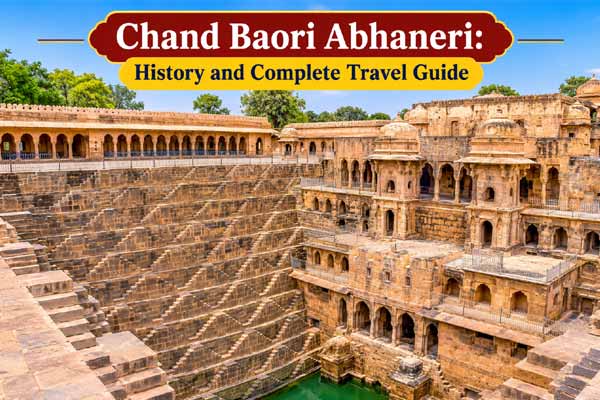
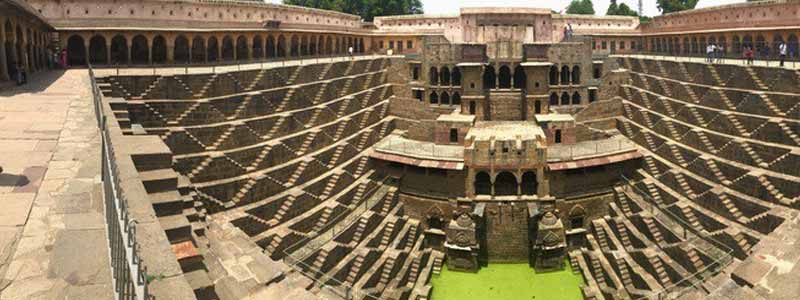
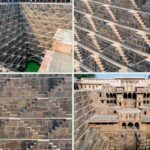
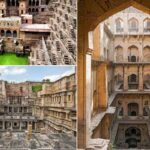
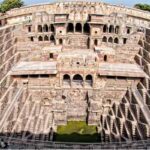
The most remarkable feature ofChand Baori Abhaneri is its impressive geometric architecture. The stepwell has approximately 3,500 narrow steps arranged in perfect symmetry across 13 stories. These steps descend towards a deep water reservoir, creating a beautiful pattern that looks like a giant inverted pyramid. It is around 30 metres deep, making it one of the deepest and largest stepwells in India.
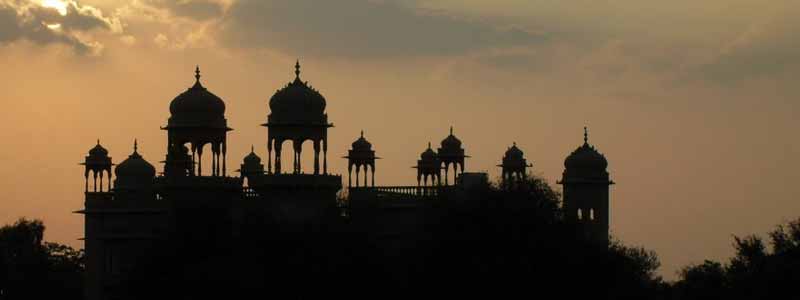
Another attraction is the Harshat Mata Temple, situated near Chand Baori. Dedicated to Goddess Harshat Mata, this ancient temple is known for its beautiful stone carvings, traditional architecture and religious significance. Visitors can admire the historical connection between water conservation, spirituality and local culture.
The best time to visit Chand Baori is from October to March, when the weather is pleasant for sightseeing and photography. Travellers can easily include Abhaneri in a Jaipur sightseeing trip or a Jaipur–Agra road journey.
Chand Baori is more than a historical monument; it represents the engineering skills, artistic creativity and water conservation traditions of ancient Rajasthan. Its extraordinary design and historical importance make it a must-visit attraction for anyone interested in Rajasthan tourism.
Chand Baori is an ancient stepwell located in Abhaneri village, in the Dausa district of Rajasthan, approximately 95 km from Jaipur. It was built around the 9th century by King Chanda of the Nikumbh dynasty. The main purpose of constructing this magnificent stepwell was to collect and store rainwater, providing a reliable water source for local communities during Rajasthan’s hot and dry seasons.
Chand Baori is famous for its remarkable architecture, featuring approximately 3,500 narrow steps arranged in perfect geometric patterns across 13 levels. The steps descend towards a deep water reservoir, showcasing the advanced engineering and craftsmanship of ancient India.
Historically, stepwells served as important community gathering places where people collected water and rested during hot weather. The nearby Harshat Mata Temple adds religious and cultural significance to the site.
Today, Chand Baori stands as an outstanding example of Rajasthan’s traditional water conservation system and attracts visitors interested in history, architecture and heritage tourism.
2. Where Is Chand Baori Located?
Chand Baori is situated in Abhaneri village, approximately 90–95 km from Jaipur in Rajasthan, India.
The village lies in the Dausa district, along the Jaipur–Agra region. Its location makes it a convenient historical attraction for travellers visiting Jaipur, Dausa, Bharatpur and nearby destinations.
– Destination: Chand Baori – Village: Abhaneri – District: Dausa – State: Rajasthan – Country: India – Nearest major city: Jaipur – Distance from Jaipur: Approximately 90–95 km – Nearest railway station: Bandikui Junction – Nearest major airport: Jaipur International Airport
3. Architectural Features of Chand Baori
Chand Baori is famous for its extraordinary architectural design. Its structure combines practical water storage with artistic beauty.
Thousands of symmetrical steps: The stepwell is famous for approximately 3,500 narrow steps arranged in a precise geometric pattern across three sides.
13-storey structure: It descends approximately 13 levels, creating an impressive visual effect when viewed from above.
Deep water reservoir: The stepwell reaches a depth of approximately 30 metres, making it one of India’s deepest and most remarkable stepwells.
Three-sided staircase: Its three sides feature closely arranged triangular staircases that form beautiful repeating geometric patterns.
Decorative architecture: The remaining side features multi-storey galleries, pillars, niches and architectural details.
Traditional water conservation: Its design helped communities collect and access water in Rajasthan’s hot and dry climate.
4. Why Is Chand Baori Famous?
Chand Baori is famous for its unique combination of history, architecture and traditional engineering.
Its perfectly arranged stairs create an extraordinary visual pattern that is difficult to find in other historical monuments. The impressive depth and symmetrical design make it a favourite location for photographers and architecture enthusiasts.
The monument also represents the importance of water conservation in ancient Rajasthan. It demonstrates how people developed practical and beautiful structures to manage scarce water resources.
Today, Chand Baori is recognised as one of the most remarkable historical attractions in Rajasthan.
5. Harshat Mata Temple – A Nearby Historical Attraction
The Harshat Mata Temple is located next to Chand Baori and is another important historical attraction in Abhaneri.
The temple is dedicated to Harshat Mata, who is traditionally worshipped as the goddess of joy and happiness. The original temple is believed to date back to the 9th–10th century.
The temple is known for its ancient stone carvings, decorative sculptures and traditional architectural design. Although much of the original structure has been damaged over time, its surviving remains offer valuable insight into the temple architecture of medieval Rajasthan.
According to the Archaeological Survey of India’s historical documentation, the surviving temple includes a sanctum, pillared architectural elements and sculptural decorations depicting religious and everyday themes.
Why visit the temple?
– See ancient temple architecture and stone carvings.
– Learn about the religious history of Abhaneri.
– Enjoy a peaceful historical atmosphere.
– Combine two important heritage attractions in one visit.
6. Best Time to Visit Chand Baori
The best time to visit Chand Baori in Abhaneri, Rajasthan, is from October to March, when the weather remains pleasant and comfortable for sightseeing. During these months, visitors can comfortably explore the ancient stepwell, admire its beautiful geometric architecture and capture stunning photographs.
Winter Season (October to March): Winter is the ideal season to visit Chand Baori. Temperatures are generally pleasant, making it easier to explore the monument and nearby Harshat Mata Temple. Morning visits are particularly suitable for photography.
Summer Season (April to June): Summers in Rajasthan can be extremely hot, with temperatures sometimes crossing 40°C. If visiting during this season, plan your trip early in the morning to avoid the afternoon heat.
Monsoon Season (July to September): The monsoon brings occasional rainfall and greenery to the surrounding countryside. The weather can be humid, but the historic stepwell looks beautiful during this period. Check local weather conditions before travelling.
7. Chand Baori Timings and Entry Fee
Before visiting, check the latest visitor information. – Visiting days: Generally open throughout the week. – Opening hours: Published visitor information commonly lists daytime hours, but timings can change. – Entry fee: Confirm the current ticket price at the entrance. – Visit duration: Approximately 45–60 minutes for Chand Baori. – Additional sightseeing: Allow another 20–30 minutes for Harshat Mata Temple.
The Rajasthan Tourism website provides destination information, but an authoritative current ticket-price schedule was not available in the information checked. Therefore, it is better to confirm the applicable charges locally rather than rely on an outdated online price.
8. How to Reach Chand Baori Abhaneri
Chand Baori is located in Abhaneri village in the Dausa district of Rajasthan, approximately 95 km from Jaipur. The easiest way to reach this historic stepwell is by private taxi or car via the Jaipur–Agra Highway (NH 21). The journey takes around 2 hours, depending on traffic conditions.
By Car or Taxi: Hiring a private car from Jaipur is the most convenient option for families and tourists.
By Bus: You can take a bus from Jaipur towards Dausa or nearby towns and continue to Abhaneri by local transport.
By Train: Dausa Railway Station is one of the nearest railway stations, from where you can hire a taxi to reach Abhaneri.
By Air: Jaipur International Airport is the nearest major airport, approximately 90 km away. From the airport, visitors can hire a private taxi to reach Chand Baori.
9. One-Day Chand Baori Sightseeing Itinerary from Jaipur
A one-day trip from Jaipur to Chand Baori Abhaneri is a wonderful opportunity to explore Rajasthan’s ancient architecture, history and cultural heritage. Located approximately 95 km from Jaipur, Chand Baori is an ideal destination for a short day excursion. The trip can also include Harshat Mata Temple and other nearby attractions.
8:00 AM – Departure from Jaipur
Start your journey from Jaipur in the morning by private car or taxi. Enjoy a comfortable drive through the beautiful countryside of Rajasthan towards Abhaneri village.
10:00 AM – Visit Chand Baori
Arrive at Chand Baori, one of India’s most impressive ancient stepwells. Admire its approximately 3,500 symmetrical steps, 13 levels and remarkable geometric architecture. Spend time capturing photographs and learning about its historical importance.
11:30 AM – Visit Harshat Mata Temple
Visit the ancient Harshat Mata Temple, located near Chand Baori. The temple is famous for its traditional stone carvings, religious significance and historic architectural beauty.
12:30 PM – Lunch Break
Enjoy a relaxing lunch at a local restaurant or a suitable stop along the route. Taste traditional Rajasthani food before continuing your sightseeing journey.
2:00 PM – Explore Abhaneri Village
Spend some time exploring the village and understanding its traditional lifestyle, local culture and historical surroundings.
3:00 PM – Return Journey to Jaipur
Begin your return journey to Jaipur. Enjoy the scenic countryside views and take short refreshments breaks if required.
5:00 PM – Arrival in Jaipur
Reach Jaipur in the evening, completing your memorable one-day Chand Baori sightseeing trip.
10. Places to Visit Near Chand Baori
Abhaneri is surrounded by several interesting destinations that can be included in a Rajasthan sightseeing itinerary.
1. Mehandipur Balaji Temple
A famous Hindu temple dedicated to Lord Hanuman, attracting devotees from different parts of India.
2. Bhangarh Fort
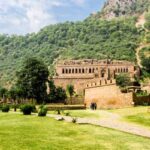
A historic fort known for its ruins, old structures and fascinating legends. Check current access restrictions before planning a visit.
3. Dausa
An important historical town with traditional markets, temples and cultural attractions.
4. Sariska Tiger Reserve
A wildlife destination famous for its forests, natural landscapes and tiger conservation. It requires a separate journey and is better planned as an extended trip.
5. Harshat Mata Temple
A historic temple located beside Chand Baori, making it the easiest additional attraction to visit.
11. Photography Tips for Chand Baori
Chand Baori is one of Rajasthan’s most photogenic historical monuments. Its symmetrical staircases and ancient stone architecture create excellent photography opportunities.
Here are some useful photography tips:
1. Visit early in the morning: Enjoy softer natural light and fewer visitors.
2. Capture the staircase from above: The upper viewpoint shows the complete geometric pattern.
3. Focus on symmetry: Photograph the repeating triangular staircase designs.
4. Capture architectural details: Photograph the carved pillars, galleries and decorative windows.
5. Use wide-angle photography: This helps capture the impressive scale of the stepwell.
6. Avoid harsh midday sunlight: Strong sunlight can create difficult shadows and overexpo
Always follow monument photography rules and avoid crossing restricted barriers.
12. Travel Tips for Visiting Chand Baori
Keep these important points in mind before planning your visit: – Carry drinking water, especially during summer. – Wear comfortable walking shoes. – Carry sunglasses, a hat and sunscreen. – Visit early in the morning or late afternoon. – Respect the historical monument and avoid littering. – Do not damage or write on the ancient stone structures. – Follow all instructions from monument authorities. – Do not attempt to enter restricted areas or climb down closed staircases. – Carry some cash for local transport and small purchases. – Arrange your return transportation in advance if travelling by public transport.
Important: The stepwell has steep and narrow staircases. Visitors should not attempt to descend into restricted sections. Families with children and elderly travellers should take extra care.
13. Frequently Asked Questions About Chand Baori
Q1. Where is Chand Baori located?
Chand Baori is located in Abhaneri village, Dausa district, Rajasthan, India. It is approximately 88–95 km from Jaipur.
Q2. Who built Chand Baori?
Chand Baori is traditionally associated with King Chanda of the Nikumbha dynasty and is believed to have been constructed during the 9th century.
Q3. Why was Chand Baori built?
It was built primarily to conserve rainwater and provide a reliable water source for the local community in Rajasthan’s dry climate.
Q4. How many steps are there in Chand Baori?
Chand Baori is famous for approximately 3,500 narrow and symmetrical steps arranged in an impressive geometric pattern.
Q5. How deep is Chand Baori?
Its depth is commonly described as approximately 19.5–20 metres in Rajasthan tourism information. Measurements may vary between published descriptions.
Q6. What is the best time to visit Chand Baori?
October to March is the best season because the weather is more comfortable for sightseeing. Morning and late afternoon are ideal for photography.
Q7. How much time is required to visit Chand Baori?
Approximately 45–60 minutes is sufficient to see the stepwell. Allow extra time for Harshat Mata Temple and photography.
Q8. Is Chand Baori worth visiting from Jaipur?
Yes. Its remarkable architecture, historical importance and convenient location make it a worthwhile day trip from Jaipur.
Q9. Which temple is located near Chand Baori?
Harshat Mata Temple is located immediately beside Chand Baori. It is dedicated to the goddess associated with joy and happiness.
Q10. Can Chand Baori be visited with children and elderly people?
Yes, visitors can enjoy the monument from its designated viewing areas. However, its steep staircases require caution, particularly for elderly people and young children.
Q11. Is photography allowed at Chand Baori?
General visitor photography is commonly permitted, subject to monument rules and any applicable restrictions.
Q12. Which railway station is nearest to Chand Baori?
Bandikui Junction is the nearest useful railway station for reaching Abhaneri. Visitors can arrange local road transport from there.
Q13. Can I visit Chand Baori and Harshat Mata Temple on the same day?
Yes. Both attractions are next to each other and can easily be covered during the same sightseeing visit.
Q14. Is Chand Baori suitable for foreign tourists?
Yes. The monument is a popular heritage attraction for domestic and international visitors interested in Indian history, architecture and traditional engineering.
Q15. Can Chand Baori be included in a Rajasthan tour package?
Yes. It can be included in Jaipur sightseeing extensions, Jaipur–Agra transfers and customised Rajasthan heritage tours.