Best Places to Visit Near Kumbhalgarh Fort is surrounded by beautiful hills, historic attractions, temples, and natural landscapes, making the area ideal for exploring beyond the fort itself. One of the most popular places to visit near Kumbhalgarh Fort is Kumbhalgarh Wildlife Sanctuary, which covers a large area of the Aravalli hills and is known for its forests, scenic surroundings, and variety of wildlife. Visitors interested in nature can enjoy the peaceful atmosphere and explore the region by taking a safari or nature excursion. Another important attraction is Ranakpur, located a short drive from Kumbhalgarh and famous for its magnificent Jain temples.
The Ranakpur Jain Temple is admired for its detailed marble architecture, numerous pillars, and peaceful setting. Badal Mahal, situated inside Kumbhalgarh Fort, is another interesting place to explore, offering impressive views of the surrounding hills from its elevated location. Travelers can also visit the historic Neelkanth Mahadev Temple, located within the fort complex and known for its beautiful stone carvings and traditional architecture. For those who enjoy scenic locations, the roads around Kumbhalgarh provide excellent views of the Aravalli landscape, especially during and after the monsoon when the hills become greener. Haldighati, another historically significant destination in the Mewar region, can also be considered when planning a longer sightseeing trip around Kumbhalgarh.
Visitors can learn about the history associated with Maharana Pratap and explore the surrounding landscape. With its combination of history, wildlife, temples, and mountain scenery, the area around Kumbhalgarh offers plenty of opportunities for travelers to extend their sightseeing. Whether you are interested in Rajasthan’s heritage, nature, photography, or peaceful countryside, adding nearby attractions to a Kumbhalgarh trip can make the journey more memorable.
Kumbhalgarh Wildlife Sanctuary
Kumbhalgarh Wildlife Sanctuary
Kumbhalgarh Wildlife Sanctuary is one of the most attractive natural destinations around the fort. The sanctuary surrounds the Kumbhalgarh region and extends through the Aravalli landscape. Rajasthan Tourism places it approximately 65 km from Udaipur and describes it as an important attraction for visitors interested in wildlife and nature.
The sanctuary is home to a variety of animals and birds. Depending on the season and conditions, visitors may see species such as leopard, sloth bear, wolf, hyena, jackal, nilgai, sambar, chinkara and other wildlife. The hills, forests and open landscapes also make the area interesting for nature photography.
A visit to the sanctuary can be combined with Kumbhalgarh Fort, although travelers should allow enough time because wildlife activities can take several hours.
Best Time to Visit: October to March is generally comfortable for outdoor sightseeing. The monsoon months can also be attractive because the Aravalli landscape becomes greener. Rajasthan Tourism notes that July to September brings more pleasant temperatures and greenery across much of the state.
Entry Fee: Wildlife sanctuary entry and safari charges can vary according to the activity, vehicle and current forest department rules. Check the latest local fee before planning a safari.
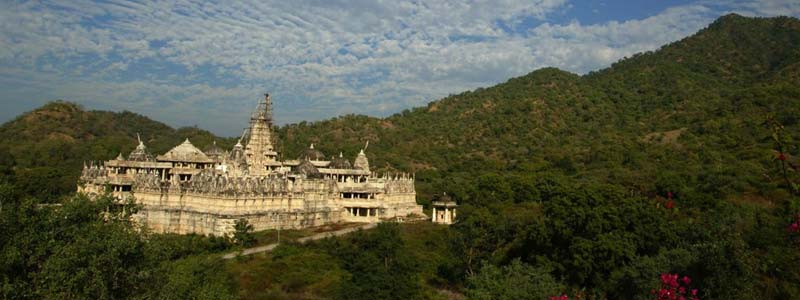
Ranakpur Jain Temple is one of the most famous architectural attractions in the region and can be combined with a Kumbhalgarh trip. Located in the Aravalli hills, the temple is dedicated to Lord Adinath and is renowned for its detailed marble carvings, domes, halls and beautifully carved pillars.
The temple complex is especially interesting for travelers who appreciate architecture and religious heritage. The white marble structure creates a peaceful atmosphere, while the intricate carvings demonstrate the craftsmanship of the period.
Ranakpur is located between Udaipur and Jodhpur and is commonly included in Rajasthan road itineraries with Kumbhalgarh. Visitors should remember that this is an active place of worship, so appropriate clothing and respectful behavior are expected.
Best Time to Visit: October to March is an excellent period for exploring Ranakpur because the weather is generally comfortable. The cooler months are particularly suitable for spending time around the temple and surrounding Aravalli landscape. Rajasthan Tourism also identifies Ranakpur and Kumbhalgarh as destinations that can remain pleasant even during Rajasthan’s summer months.
Entry Fee: Entry information varies between published travel sources. Some sources list free general entry, while others mention charges for certain visitors or photography. It is advisable to confirm the current visitor fee and photography rules at the temple before entering.
Important: General tourist access to the main temple is commonly reported from around midday, while morning hours may be reserved for religious activities.
Neelkanth Mahadev
Neelkanth Mahadev Temple
Neelkanth Mahadev Temple is located inside Kumbhalgarh Fort and is one of the important temples to see during a visit to the fort. Dedicated to Lord Shiva, the temple is known for its traditional architecture and large stone Shivling.
According to Rajasthan Tourism, the temple was built in 1458 and has a six-foot-high stone Shivling. One of its distinctive architectural features is that the temple can be entered from four directions, a design known as a Sarvatobhadra temple.
Because the temple is within the Kumbhalgarh Fort complex, visitors can conveniently include it while exploring the fort. The surrounding area also offers views of the hills and historic structures.
Best Time to Visit: October to March is comfortable for exploring Kumbhalgarh Fort and its temples. Early morning or late afternoon can be pleasant for walking around the complex. During summer, it is better to avoid the hottest part of the day.
Entry Fee: There is generally no separate entry fee for the temple; access is associated with the Kumbhalgarh Fort complex. The fort’s monument entry ticket may apply. Since ticket rates and categories can change, check the current fort ticket at the entrance.
Badal Mahal
Badal Mahal
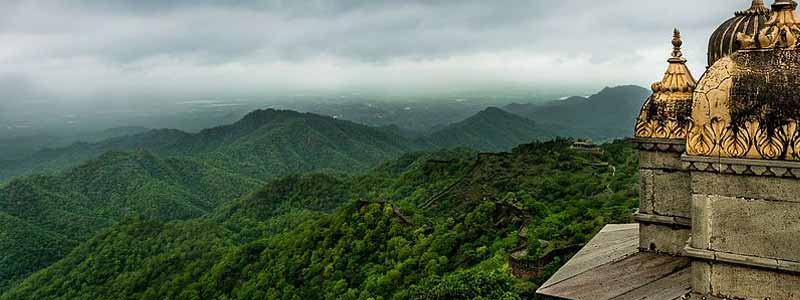
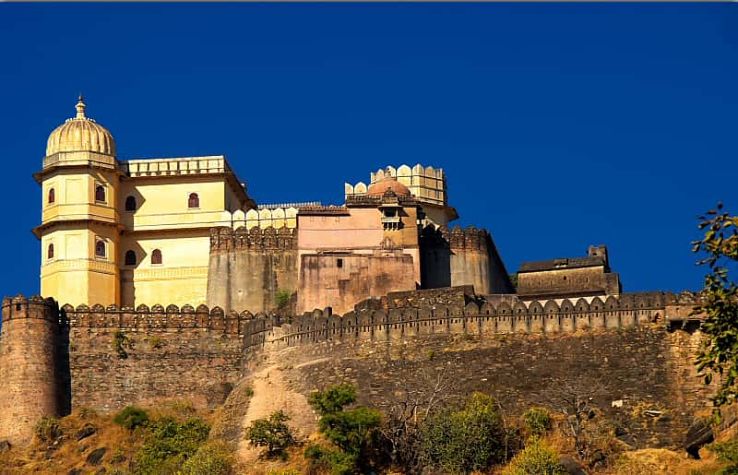
Badal Mahal, also known as the Palace of Clouds, is one of the most attractive structures inside Kumbhalgarh Fort. Located at one of the higher points of the fort, the palace provides beautiful views of the surrounding Aravalli Hills.
The palace is an important part of Kumbhalgarh’s historic architecture and is particularly enjoyable for visitors interested in photography. The elevated location gives the building a scenic setting, and on clear days the surrounding hills can be seen from different viewpoints.
Rajasthan Tourism describes Badal Mahal as one of the picturesque attractions inside Kumbhalgarh Fort.
Best Time to Visit: October to March is generally the most comfortable season for exploring Badal Mahal and the fort. The monsoon season can also provide beautiful green scenery around Kumbhalgarh.
Entry Fee: Badal Mahal is inside Kumbhalgarh Fort, so there is normally no separate ticket for the palace. Visitors need the applicable Kumbhalgarh Fort entry ticket.
Mammadev Temple
Mammadev Temple is another historic religious attraction associated with Kumbhalgarh. The temple is located near the fort and is known for its traditional architecture and historical importance.
The area around the temple provides an opportunity to see another side of Kumbhalgarh beyond the main fort. Travelers interested in Mewar history can include the temple while exploring the fort region.
Mammadev Temple is particularly interesting because of its connection with the historical landscape around Kumbhalgarh. The surrounding area is quieter than some of the major tourist points, making it suitable for visitors who want to explore heritage sites at a relaxed pace.
Best Time to Visit: October to March is recommended for comfortable sightseeing. The cooler weather makes it easier to explore the surrounding attractions on foot.
Entry Fee:Generally no separate entry fee is associated with visiting the temple. However, visitors should check locally for any changes in access, special events or temple-related arrangements.
Vedi Temple
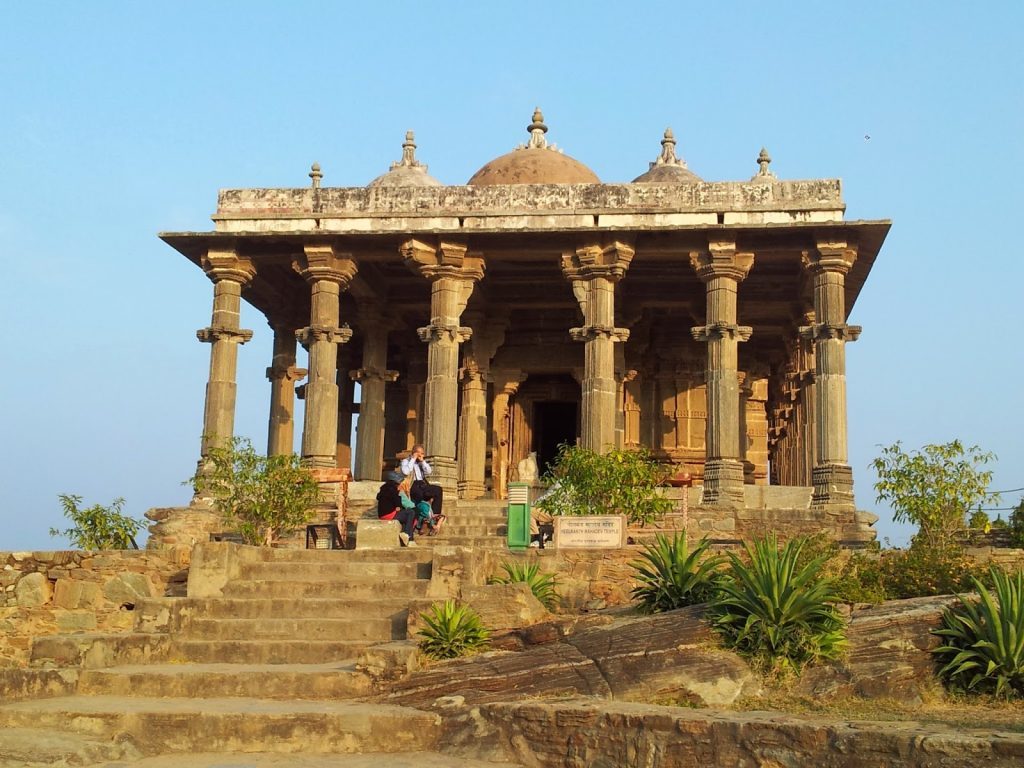
Vedi Temple is another historic temple located within the Kumbhalgarh Fort complex. It is an important architectural and religious attraction and can easily be included during a fort sightseeing tour.
The temple is particularly notable for its distinctive design and elevated setting. Visitors interested in the history of Kumbhalgarh should spend some time exploring the temples inside the fort rather than limiting their visit to the main palace areas.
A visit to Vedi Temple can be combined with Neelkanth Mahadev Temple, Badal Mahal and other structures inside Kumbhalgarh Fort. This makes it convenient for travelers who have only a few hours available for sightseeing.
Best Time to Visit: October to March is generally ideal for exploring the fort and its temples. The monsoon season can also be attractive because the surrounding hills become greener.
Entry Fee: Vedi Temple is located within the Kumbhalgarh Fort complex, so no separate temple ticket is generally required. The applicable fort entry ticket covers access to the monument complex.
Haldighati
Haldighati is one of the most historically significant places that can be included in a wider Kumbhalgarh sightseeing itinerary. It is a mountain pass in the Aravalli Range and is associated with the Battle of Haldighati in 1576.
Rajasthan Tourism states that the pass is around 40 km from Udaipur and connects areas of Rajsamand and Pali. The region is also associated with the Maharana Pratap National Memorial and Chetak memorial.
Haldighati is not immediately beside Kumbhalgarh Fort, so it is better suited to travelers planning a longer sightseeing route rather than a short fort visit. The surrounding landscape is scenic, and visitors can combine the historical sites with the Maharana Pratap Museum.
Best Time to Visit: October to March is a comfortable period for visiting Haldighati. Early morning or late afternoon is preferable during warmer months.
Entry Fee: Access to the Haldighati area and individual attractions can have different rules. Some memorial areas may be free, while museums and private attractions charge separate admission. Check the current fee at the specific attraction before visiting.
Maharana Pratap Museum
The Maharana Pratap Museum at Haldighati provides visitors with an opportunity to learn about Maharana Pratap, Mewar history and the Battle of Haldighati through displays, tableaux and other exhibits.
The Government of India’s museum directory lists the museum as a private museum established in 2003. It describes exhibits related to Maharana Pratap’s life, Mewar’s history and culture, along with light-and-sound shows and guided tours. The directory lists admission at ₹10 for adults and ₹5 for children and gives visiting hours as 8:00 AM to 6:00 PM.
However, because this information is from a published directory rather than a current ticketing page, visitors should confirm the latest admission price before travelling.
Best Time to Visit: October to March is generally comfortable for visiting Haldighati and the museum. Morning and late afternoon are good choices for combining the museum with other Haldighati attractions.
Entry Fee: A government museum directory lists ₹10 for adults and ₹5 for children, but current charges should be confirmed locally. The museum’s own website currently lists visiting hours as 8:00 AM to 6:00 PM, Monday to Sunday.
Parshuram Mahadev Temple
Parshuram Mahadev Temple is a religious and scenic attraction in the Aravalli region and can be added to a longer Kumbhalgarh itinerary. The temple is associated with Lord Parshuram and is situated in a hilly landscape.
Reaching the temple involves travelling through the countryside and, depending on the approach, walking or climbing steps. For this reason, visitors should allow additional time and wear comfortable footwear.
The peaceful surroundings make the temple different from the larger monuments of Kumbhalgarh. Travelers interested in religious tourism and natural landscapes can include it in an extended regional tour.
Best Time to Visit: October to March is generally comfortable for the journey and walking. The monsoon period can make the surrounding hills especially green, but travelers should check weather and local road conditions before visiting.
Entry Fee:No regular entry fee is generally associated with temple darshan. Visitors should nevertheless check locally for any parking, special-event or other charges.
Charbhuja Temple
Charbhuja Temple is an important religious destination in the Rajsamand region and is dedicated to Lord Vishnu in the form of Charbhuja. The temple has a long history and attracts devotees throughout the year.
The temple’s architecture, courtyards and religious atmosphere make it an interesting addition to a Kumbhalgarh-area itinerary. Visitors can also experience traditional festivals and religious ceremonies. Incredible India notes that the temple is open from approximately 5:00 AM to 10:00 PM and that a major annual fair takes place around Jhaljhoolani Ekadashi, generally in August or September.
Charbhuja is better suited to travelers who have additional time because it is outside the immediate Kumbhalgarh Fort complex.
Best Time to Visit: October to March offers comfortable weather for travel and sightseeing. Festival periods can provide a more lively religious experience, but visitors should expect larger crowds.
Entry Fee:No regular entry fee is generally charged for temple darshan. Visitors should follow temple rules and confirm locally if any special arrangements or charges apply.