
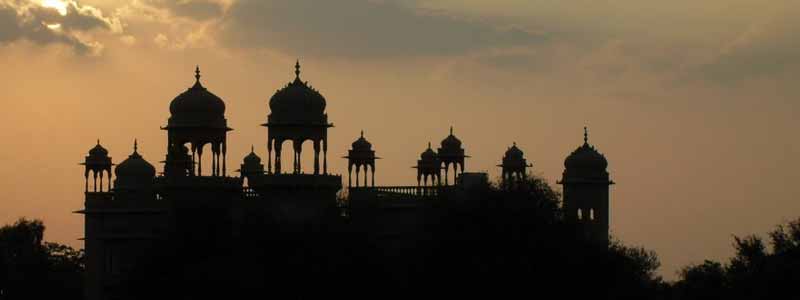
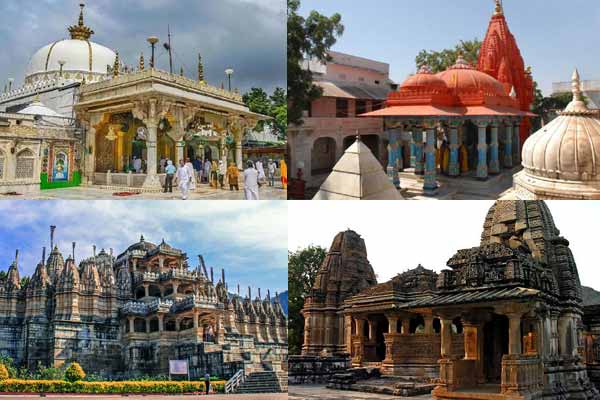

Religious Places in Rajasthan for a Spiritual Trip is not only famous for its forts, palaces, and deserts, but also for its deeply rooted spiritual heritage. The state is home to many sacred temples, shrines, and pilgrimage sites that attract devotees and travelers seeking peace and divine blessings.
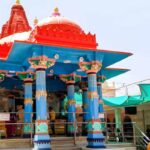
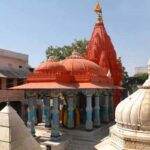
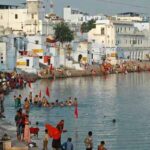
One of the most important spiritual destinations is the Brahma Temple Pushkar, the only dedicated temple of Lord Brahma in the world. Located near the holy Pushkar Lake, it is a major pilgrimage site for Hindus. Devotees also take a dip in the sacred lake, believed to cleanse sins.
The Ajmer Sharif Dargah is another powerful spiritual center, attracting people of all religions. It is the shrine of Khwaja Moinuddin Chishti, a revered Sufi saint known for spreading love and harmony.
For Jain pilgrims, the stunning Dilwara Temples are a must-visit. These marble temples are world-famous for their intricate carvings and peaceful atmosphere, representing spiritual purity and devotion.
The Karni Mata Temple Deshnok, also known as the Rat Temple, is unique in the world. It is dedicated to Karni Mata and is famous for thousands of sacred rats considered holy by devotees.
In Jaipur, the Govind Dev Ji Temple is a major Krishna temple located in the City Palace complex, where daily rituals and bhajans create a divine atmosphere.
Other important sites include Eklingji Temple, Ranakpur Jain Temple, and Salasar Balaji Temple, each offering a unique spiritual experience.
A spiritual trip in Rajasthan is a journey through devotion, culture, and inner peace, where every temple tells a story of faith and tradition passed down through generations.
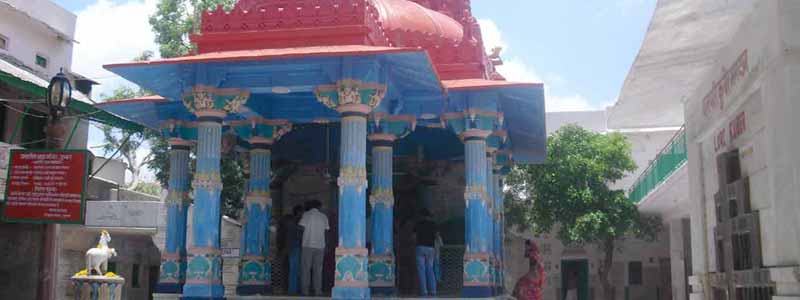
Brahma Temple Pushkar
The Brahma Temple in Pushkar is one of the most sacred and unique temples in India, dedicated to Lord Brahma, the creator of the universe according to Hindu mythology. Located in the holy town of Pushkar, near the sacred Pushkar Lake, the temple attracts thousands of pilgrims and tourists every year.
The present structure is believed to have been rebuilt in the 14th century, although its origins date back much earlier. The temple is constructed with marble and stone and is known for its striking red spire and beautifully carved architecture. Inside the sanctum, devotees can see the four-faced idol of Lord Brahma, representing his ability to look in all four directions.
According to Hindu legend, Lord Brahma performed a sacred yajna (fire ritual) at Pushkar. The town became a major pilgrimage site because it is believed that a lotus flower dropped from Brahma’s hand and created the holy Pushkar Lake. This divine connection makes the temple a significant spiritual destination.
Visitors often combine a temple visit with a walk around Pushkar Lake and the surrounding ghats, where pilgrims perform religious ceremonies and prayers. The atmosphere is especially vibrant during the annual Pushkar Camel Fair, when devotees and travelers from around the world gather in the town.
The best time to visit Brahma Temple is between October and March when the weather is pleasant. A visit to this sacred temple offers a blend of spirituality, history, and cultural heritage, making it one of Rajasthan’s most treasured religious landmarks.
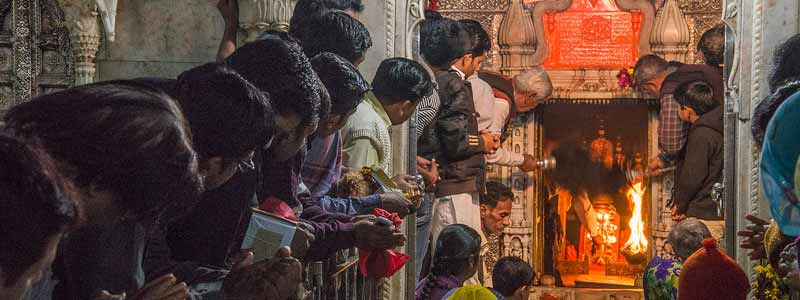
Karni Mata Temple Rat Temple
The famous Karni Mata Temple, popularly known as the Rat Temple, is located in Deshnok, about 30 kilometers from the city of Bikaner in Rajasthan. This unique temple is dedicated to Karni Mata, who is considered an incarnation of Goddess Durga by her devotees. The temple is one of the most unusual and fascinating religious sites in India and attracts thousands of pilgrims and tourists every year.
The temple is renowned for its population of more than 25,000 sacred rats, locally known as “kabbas.” These rats are revered and protected by devotees, who believe they are the reincarnated descendants of Karni Mata. Visitors can often see the rats freely moving around the temple complex, eating food offerings, and drinking milk from large bowls. Spotting a rare white rat is considered especially auspicious and is believed to bring good fortune.
The temple’s magnificent marble architecture, intricate carvings, silver gates, and beautifully decorated sanctum add to its spiritual charm. Despite the large number of rats, the temple is kept remarkably clean and well-maintained.
Visitors are required to remove their shoes before entering the temple premises. Walking barefoot among the sacred rats is considered a sign of respect. The temple is particularly crowded during the annual Navratri festivals when devotees gather to seek blessings and participate in religious ceremonies.
A visit to the Karni Mata Temple offers a unique blend of faith, history, culture, and tradition, making it one of Rajasthan’s most distinctive attractions and an unforgettable experience for travelers exploring the Bikaner region.
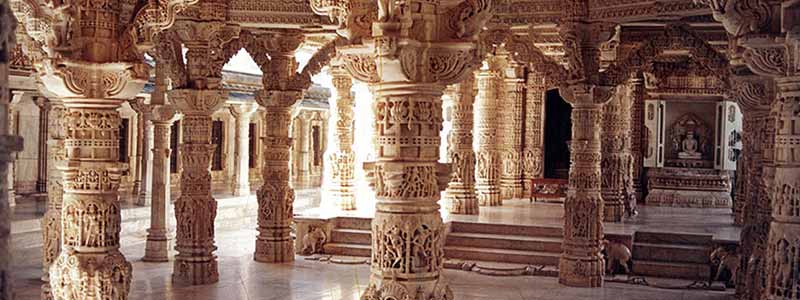
Dilwara Jain Temples Mount Abu
The magnificent Dilwara Jain Temples are among the most celebrated Jain temples in India and a major attraction in the hill station of Mount Abu. Built between the 11th and 13th centuries, these temples are renowned for their extraordinary marble carvings, architectural brilliance, and spiritual significance.
The Dilwara temple complex consists of five main temples dedicated to different Jain Tirthankaras. The most famous among them is the Vimal Vasahi Temple, dedicated to Lord Adinath, the first Jain Tirthankara. Another remarkable shrine is the Luna Vasahi Temple, dedicated to Lord Neminath. Every pillar, ceiling, arch, and corridor showcases intricate carvings that demonstrate the exceptional craftsmanship of ancient artisans.
One of the most striking features of the temples is the finely carved marble ceilings, adorned with lotus motifs, celestial figures, and geometric patterns. Despite their simple exterior appearance, the interiors reveal breathtaking artistic details that leave visitors amazed. The marble work is so delicate that it appears almost translucent in certain areas.
The temples are not only a place of worship but also an important center of Jain heritage and culture. Pilgrims from across India visit throughout the year to seek blessings and experience the peaceful atmosphere. Visitors are encouraged to maintain silence and respect the religious sanctity of the complex.
Located amidst the scenic Aravalli Hills, the Dilwara Jain Temples offer a unique combination of spirituality, history, and architectural beauty, making them a must-visit destination for anyone traveling to Mount Abu.
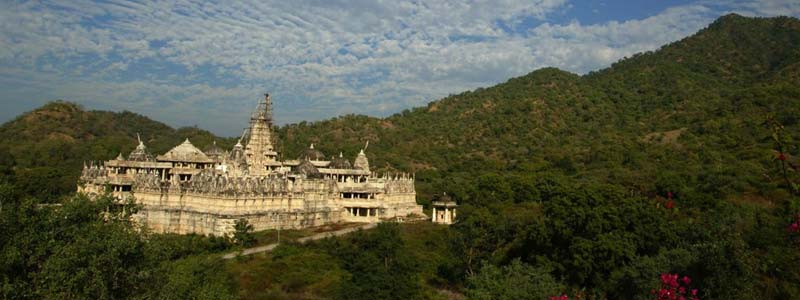
Ranakpur Jain Temple Architecture
The magnificent Ranakpur Jain Temple is one of the finest examples of Jain architecture in India. Nestled in the scenic Aravalli Hills of Rajasthan, this stunning temple complex is dedicated to the first Jain Tirthankara, Adinath. Built during the 15th century under the patronage of Rana Kumbha and the Jain merchant Dharna Shah, the temple is renowned for its intricate craftsmanship and spiritual significance.
Constructed entirely from light-colored marble, the temple showcases extraordinary architectural brilliance. The main temple, known as Chaumukha Mandir, features a unique four-faced design symbolizing the omnipresence of Lord Adinath. One of the most remarkable aspects of the temple is its 1,444 exquisitely carved pillars. Each pillar has a distinct design, ensuring that no two pillars are exactly alike. The detailed carvings include floral patterns, celestial beings, geometric motifs, and scenes from Jain mythology.
The temple complex is supported by 29 halls and crowned with numerous domes, shikharas, and beautifully sculpted ceilings. The natural lighting inside the temple creates a serene atmosphere, enhancing the beauty of the marble carvings. Despite its grand scale, the architecture maintains perfect symmetry and harmony, reflecting the principles of Jain philosophy.
Visitors are often amazed by the delicate stonework and the level of artistic precision achieved centuries ago. The temple not only serves as a sacred pilgrimage site but also stands as a masterpiece of Indian heritage and architecture. Today, Ranakpur Jain Temple attracts devotees, historians, architects, and travelers from around the world who come to admire its timeless beauty and spiritual ambiance.
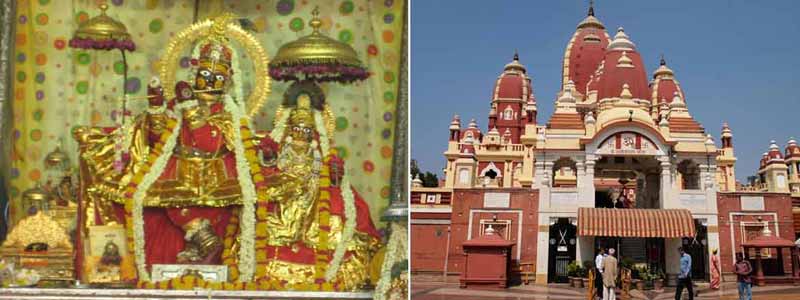
Govind Dev Ji Temple Jaipur
The famous Govind Dev Ji Temple is one of the most revered Hindu temples in Rajasthan and a major spiritual attraction in Jaipur. Dedicated to Lord Krishna, the temple is located within the City Palace complex and attracts thousands of devotees every day. The idol of Govind Dev Ji is believed to closely resemble the appearance of Lord Krishna and holds immense religious significance among followers of the Vaishnav tradition.
The temple was originally established in Vrindavan and later brought to Jaipur by Maharaja Sawai Jai Singh II in the 18th century to protect it from invasions. Since then, Govind Dev Ji Temple has become one of the most important pilgrimage sites in Rajasthan. The temple’s architecture reflects a blend of traditional Rajasthani and Mughal styles, creating a serene and majestic atmosphere.
Devotees gather throughout the day to attend the temple’s seven daily aartis (prayer ceremonies), each offering a unique glimpse of the deity. The vibrant chants, devotional songs, and spiritual energy create an unforgettable experience for visitors. During festivals such as Janmashtami, Holi, and Radhashtami, the temple is beautifully decorated and attracts large crowds from across India.
Located in the heart of Jaipur, the temple is easily accessible from major tourist attractions, including the City Palace and Jantar Mantar. Whether you are a devotee or a traveler interested in culture and history, Govind Dev Ji Temple offers a peaceful and spiritually enriching experience in the Pink City.
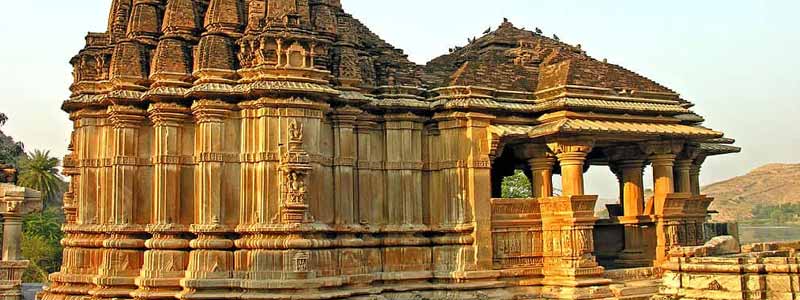
Eklingji Temple Udaipur
Eklingji Temple is one of the most revered Hindu temples in Rajasthan, located about 22 kilometers north of Udaipur. Dedicated to Lord Shiva, the temple is an important pilgrimage site and the spiritual deity of the former rulers of Mewar. Nestled amidst the scenic Aravalli Hills, the temple attracts thousands of devotees and tourists throughout the year.
The temple complex was originally built in the 8th century by Bappa Rawal, although it has undergone several renovations over the centuries. The main shrine houses a magnificent four-faced black marble idol of Lord Eklingji, representing Shiva in his various forms. The intricate carvings, beautifully sculpted pillars, and traditional Rajput architecture make the temple a remarkable example of ancient craftsmanship.
The Eklingji Temple complex consists of over 100 temples dedicated to different Hindu deities. The peaceful atmosphere and spiritual ambiance provide visitors with a unique cultural and religious experience. Devotees gather here to offer prayers and seek blessings, especially during festivals such as Mahashivratri when the temple is beautifully decorated and hosts special ceremonies.
Photography is generally restricted inside the temple premises, helping preserve its sacred environment. Visitors are advised to dress modestly and follow temple guidelines during their visit.
A trip to Eklingji Temple offers a perfect blend of spirituality, history, and architecture. Its religious significance, artistic beauty, and tranquil surroundings make it one of the must-visit attractions near Udaipur, providing an enriching experience for travelers exploring the cultural heritage of Rajasthan.
Salasar Balaji Temple Visit
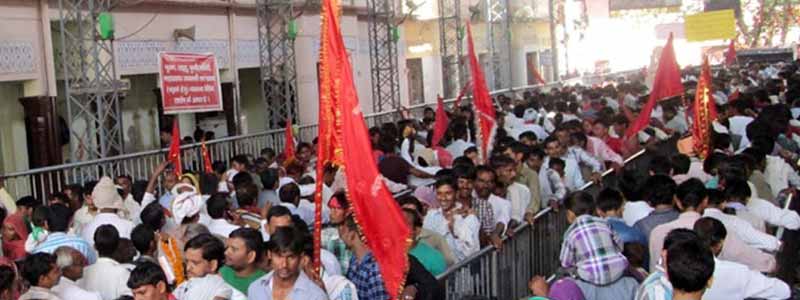
Located in the town of Salasar Balaji Temple in Rajasthan’s Churu district, Salasar Balaji Temple is one of the most revered pilgrimage destinations in northern India. Dedicated to Lord Hanuman, affectionately known here as Balaji, the temple attracts millions of devotees throughout the year. It is especially famous for its unique idol of Hanuman Ji, depicted with a beard and mustache, a rare representation not commonly seen in other temples.
The temple was established in the 18th century and has since become a significant center of faith and devotion. Devotees visit Salasar Balaji seeking blessings for health, prosperity, success, and protection from obstacles. Tuesdays and Saturdays are considered particularly auspicious days for worship, drawing large crowds of pilgrims.
One of the highlights of visiting the temple is experiencing the vibrant spiritual atmosphere. The temple complex is beautifully maintained, and the continuous chanting of prayers creates a sense of peace and devotion. During major festivals such as Hanuman Jayanti and Chaitra Purnima, the temple comes alive with special ceremonies, devotional singing, and grand celebrations.
Visitors can also explore nearby religious attractions and local markets offering souvenirs, religious items, and traditional Rajasthani snacks. Comfortable accommodations and dining facilities are available around the temple, making it convenient for pilgrims and tourists alike.
A visit to Salasar Balaji Temple is more than a religious journey; it is a deeply spiritual experience that reflects Rajasthan’s rich cultural and devotional heritage. Whether you seek blessings or wish to explore an important pilgrimage site, Salasar Balaji offers a memorable and inspiring experience for all visitors.
Khatu Shyam Ji Temple Tour
Khatu Shyam Ji Temple is one of the most revered Hindu pilgrimage sites in Rajasthan, located in the village of Khatu in the Sikar district. The temple is dedicated to Khatu Shyam Ji, who is believed to be the incarnation of Barbarika, the grandson of the mighty Pandava warrior Bhima from the Mahabharata.
According to legend, Barbarika possessed extraordinary powers and vowed to support the weaker side in the Kurukshetra war. Pleased by his devotion and sacrifice, Lord Krishna granted him the blessing that he would be worshipped in the Kaliyuga as Shyam. Today, millions of devotees visit the temple seeking blessings for prosperity, happiness, and spiritual fulfillment.
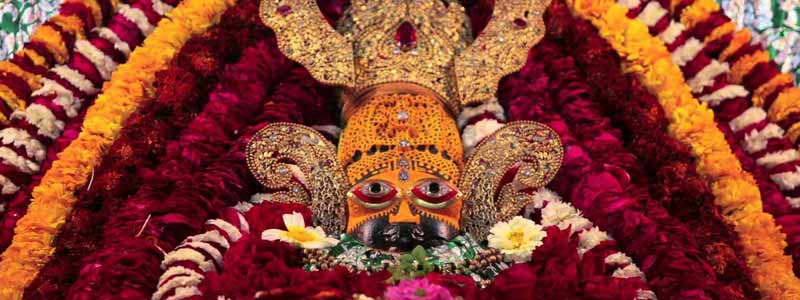
The temple is famous for its beautiful marble architecture, intricate carvings, and spiritually uplifting atmosphere. The sacred idol of Shyam Baba, adorned with flowers and ornaments, attracts devotees from across India throughout the year. The temple experiences its largest gathering during the annual Phalguna Mela, when thousands of pilgrims participate in religious ceremonies, bhajans, and devotional processions.
Visitors can also explore nearby attractions such as the sacred Shyam Kund, where the idol was discovered, and various temples dedicated to Hindu deities in the surrounding area. The best time to visit is between October and March when the weather is pleasant.
Khatu Shyam Ji Temple is not only a place of worship but also a symbol of faith, devotion, and divine blessings, making it one of Rajasthan’s most significant spiritual destinations.
Ajmer Jain Spiritual Places
Ajmer, a historic city in Rajasthan, is widely known for its rich spiritual heritage and religious harmony. Along with famous pilgrimage sites, Ajmer is home to several important Jain temples that attract devotees and tourists seeking peace, spirituality, and architectural beauty.
One of the most revered Jain sites near Ajmer is the ancient Jain temples of Kishangarh and the nearby Nasiyan Jain Temple, also known as the Red Temple. This magnificent temple is famous for its stunning red sandstone architecture and the Swarna Nagari (City of Gold) exhibition, which beautifully depicts scenes from Jain scriptures through intricate gold-plated models.
The Jain temples in and around Ajmer showcase remarkable craftsmanship, detailed carvings, and peaceful prayer halls. Devotees visit these sacred places to meditate, offer prayers, and learn about the teachings of Jainism, which emphasize non-violence, truth, and compassion.
Another significant spiritual destination for Jain followers is the Jain temple complexes located in the surrounding regions of Ajmer district. These temples preserve centuries-old traditions and serve as important centers for religious gatherings and festivals. During major Jain festivals such as Mahavir Jayanti and Paryushan, the temples become vibrant with devotional activities and cultural programs.
Visitors to Ajmer’s Jain spiritual places can experience a unique blend of devotion, history, and art. The serene atmosphere, beautiful architecture, and deep-rooted spiritual significance make these temples ideal destinations for those seeking inner peace and cultural exploration.
Whether you are a pilgrim, history enthusiast, or traveler exploring Rajasthan, Ajmer’s Jain spiritual places offer a meaningful journey into one of India’s oldest and most respected religious traditions. The sacred temples continue to inspire visitors with their timeless message of harmony, discipline, and spiritual enlightenment.
Tanot Mata Temple Border Rajasthan
Tanot Mata Temple is one of the most revered temples in Rajasthan, located near the India–Pakistan border in the Jaisalmer district. Dedicated to Tanot Mata, an incarnation of Goddess Hinglaj, the temple attracts thousands of devotees, tourists, and military personnel every year. Situated about 120 km from Jaisalmer city, the temple stands amidst the vast Thar Desert, offering a unique blend of spirituality, history, and patriotism.
The temple gained national recognition during the 1965 India-Pakistan War. According to local beliefs and historical accounts, thousands of bombs were dropped in the area, but many failed to explode near the temple. Devotees consider this a divine miracle, and several unexploded shells are displayed within the temple premises as a reminder of these events.
Today, the temple is maintained by the Border Security Force (BSF), which conducts daily prayers and ensures the upkeep of the sacred site. The peaceful atmosphere and strong patriotic spirit make the temple a special destination for visitors.
A visit to Tanot Mata Temple is often combined with a trip to the nearby Longewala War Memorial, where visitors can learn about the heroic battle fought during the 1971 India-Pakistan War. Together, these sites provide a memorable experience of faith, courage, and national pride.
The best time to visit is from October to March when the weather is pleasant. Whether you are seeking spiritual blessings, historical insights, or a unique desert journey, Tanot Mata Temple offers an unforgettable experience in the heart of Rajasthan’s border region.