Exploring the Hidden Beauty of Chand Baori Abhaneri
rtp123
Exploring the Hidden Beauty of Chand Baori Abhaneri Nestled in the small village of Abhaneri in Rajasthan’s Dausa district, Chand Baori is one of India’s most fascinating yet lesser-known architectural wonders. Built around the 9th century by King Chanda of the Nikumbh dynasty, this magnificent stepwell is a remarkable example of ancient engineering, water conservation, and artistic craftsmanship. Despite its historical significance, Chand Baori remains an offbeat attraction, offering travelers a unique glimpse into Rajasthan’s rich heritage away from the usual tourist crowds.
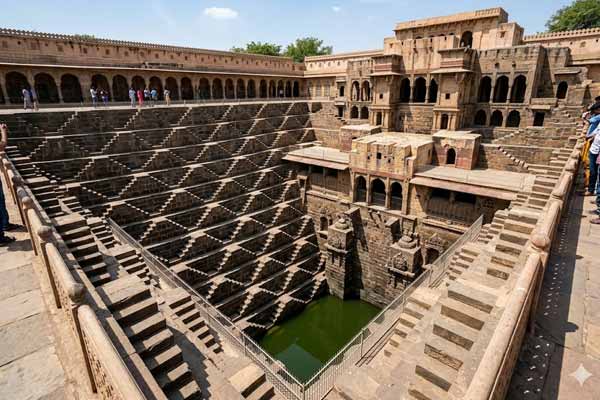
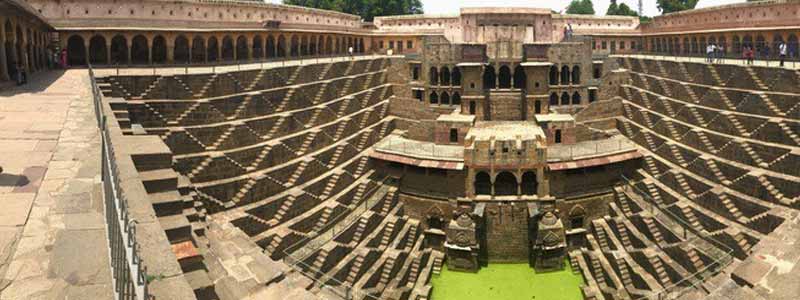
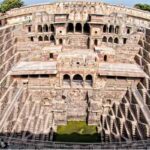
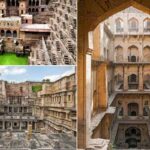
Chand Baori is famous for its extraordinary geometric design. The stepwell descends approximately 100 feet into the ground and features more than 3,500 narrow stone steps arranged in a perfectly symmetrical pattern across 13 levels. The intricate zigzag formation creates a mesmerizing visual effect, making it one of the most photographed stepwells in India. Originally constructed to provide year-round access to water in Rajasthan’s arid climate, the structure also served as a gathering place for local communities.
One of the most striking aspects of Chand Baori is its ability to remain significantly cooler than the surrounding area. The lower levels can be several degrees cooler than the surface, offering a natural refuge from Rajasthan’s intense summer heat. This ingenious design highlights the advanced understanding of climate-responsive architecture possessed by ancient builders.
Adjacent to the stepwell is the historic Harshat Mata Temple, dedicated to the Goddess of Happiness and Joy. The temple adds cultural and spiritual significance to the site, making Abhaneri an important destination for both history enthusiasts and heritage travelers.
The best time to visit Chand Baori is from October to March when the weather is pleasant and ideal for exploration. Early morning and late afternoon visits provide the best lighting for photography and allow visitors to fully appreciate the monument’s intricate details.
For travelers seeking hidden gems in Rajasthan, Chand Baori offers an unforgettable experience. Its stunning architecture, fascinating history, and peaceful surroundings make it one of the state’s most captivating offbeat attractions and a true masterpiece of ancient Indian engineering.
Exploring the Hidden Beauty of Chand Baori Abhaneri
Where is Chand Baori Stepwell located?
Chand Baori Stepwell is in Abhaneri village in Rajasthan’s Dausa district. It is about 95 km from Jaipur and 230 km from Delhi. The stepwell sits on the Jaipur–Agra highway route. Many travelers stop here during their road trip.
King Chanda built Chand Baori in the 8th–9th century. The stepwell stored water during Rajasthan’s hot and dry seasons. It has around 3,500 narrow steps across 13 levels. Chand Baori is also one of the deepest stepwells in India
History of Chand Baori – Abhaneri
Chand Baori, located in the historic village of Abhaneri in Rajasthan’s Dausa district, is one of the oldest and most impressive stepwells in India. It is believed to have been built during the 8th or 9th century CE by King Chanda of the Nikumbh dynasty, from whom the monument derives its name. Constructed primarily as a water conservation structure, Chand Baori played a vital role in providing water to local communities in the arid region of Rajasthan.
The stepwell was designed to collect and store rainwater, ensuring a reliable water supply throughout the year. With a depth of approximately 30 meters (100 feet) and over 3,500 narrow steps arranged in a perfectly symmetrical pattern, Chand Baori is among the deepest and largest stepwells ever built in India. Its remarkable engineering reflects the advanced architectural knowledge of ancient Indian builders.
Beyond its practical purpose, Chand Baori also served as a social and cultural gathering place. Villagers would meet here to collect water, rest in the cool surroundings, and participate in religious and community activities. The temperature at the bottom of the stepwell often remained several degrees cooler than the surface, making it a welcome refuge during Rajasthan’s scorching summers.
Adjacent to the stepwell stands the ancient Harshat Mata Temple, dedicated to the Goddess of Joy and Happiness. The close association between the temple and the stepwell highlights the spiritual importance of water in Indian culture. Over the centuries, Chand Baori witnessed the rise and fall of various kingdoms while remaining a symbol of resilience and ingenuity.
Today, Chand Baori is recognized as one of Rajasthan’s most extraordinary heritage sites. Its stunning geometric design, historical significance, and architectural brilliance attract visitors, photographers, and history enthusiasts from around the world, making it a must-visit destination for anyone exploring the hidden treasures of Rajasthan.
Exploring the Hidden Beauty of Chand Baori Abhaneri
The architecture of Chand Baori
The architecture of Chand Baori is a remarkable example of ancient Indian engineering and artistic excellence. Located in the village of Abhaneri, Rajasthan, this historic stepwell was built around the 9th century and is considered one of the largest and deepest stepwells in India. The structure extends approximately 100 feet into the ground and consists of over 3,500 narrow stone steps arranged in a perfectly symmetrical geometric pattern.
Designed to conserve water in Rajasthan’s arid climate, Chand Baori features 13 levels of descending staircases that provide access to the water reservoir below. The unique zigzag arrangement of the steps creates a visually stunning effect, making the monument a masterpiece of architectural precision. The design also helped keep the lower levels significantly cooler than the surface, offering relief from the intense desert heat.
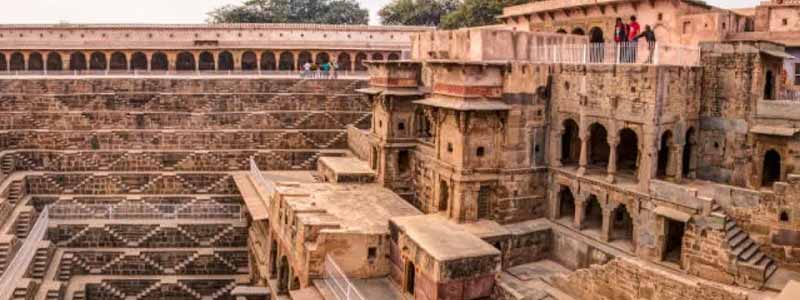
One side of the stepwell differs from the others, featuring beautifully carved pavilions, balconies, and arched galleries. These structures were used by royal visitors and pilgrims. Adjacent to the stepwell is the ancient Harshat Mata Temple, further enhancing the site’s cultural and architectural significance. Chand Baori remains an outstanding symbol of Rajasthan’s heritage, combining functionality, sustainability, and artistic beauty in a single extraordinary monument.
Exploring the Hidden Beauty of Chand Baori Abhaneri
Chand Baori Stepwell Timing
The Chand Baori Stepwell opens daily from 8:00 AM to 6:00 PM. Visitors can enter the site throughout the week, including weekends and public holidays.
The best time to visit Chand Baori is from October to March because the weather stays cooler during these months. Morning and late afternoon hours offer better light for photography and a more comfortable visit.
Chand Baori Entry Fee and Timings
Details
Information
Opening Time
8:00 AM
Closing Time
6:00 PM
Open Days
Every day
Entry Fee
Free
Best Time to Visit
October to March
Best time to visit Abhaneri Step Well
The best time to visit Abhaneri Step Well (Chand Baori) is between October and March, when the weather in Rajasthan is pleasant and comfortable for sightseeing. During these months, daytime temperatures remain moderate, making it easier to explore the stepwell and nearby attractions such as the ancient Harshat Mata Temple.
Winter, especially from November to February, is considered the ideal season. The cool climate allows visitors to spend more time admiring the intricate architecture, symmetrical stairways, and historic surroundings without the intense heat of summer. Early mornings and late afternoons are particularly beautiful, as the soft sunlight highlights the geometric patterns of the stepwell and creates excellent photography opportunities.
The summer months from April to June can be extremely hot, with temperatures often exceeding 40°C, making sightseeing less comfortable. The monsoon season from July to September brings occasional rainfall and greener surroundings, but the winter season remains the most popular and enjoyable time to experience the remarkable beauty and heritage of Chand Baori in Abhaneri.
How to Reach Chand Baori, Abhaneri
Chand Baori is located in the village of Abhaneri in Rajasthan’s Dausa district, approximately 90–95 km from Jaipur. It is well connected by road and can be visited as a day trip from Jaipur, Agra, or Delhi.
By Road
Traveling by road is the most convenient way to reach Chand Baori. From Jaipur, take the Jaipur–Agra Highway (NH21) via Dausa and Sikandra. The journey takes around 2 to 2.5 hours by car or taxi. Many travelers include Chand Baori as a stop while traveling between Jaipur and Agra.
By Train
The nearest railway station is Bandikui Junction, located about 8 km from Abhaneri. Travelers can take a train from Jaipur, Delhi, or other major cities to Bandikui and then hire a taxi or auto-rickshaw to reach the stepwell. Dausa Railway Station is another nearby option.
By Bus
There are no direct buses to Abhaneri from Jaipur. Visitors can take a bus to Sikandra or Dausa and then continue to Abhaneri by local jeep, taxi, or auto-rickshaw.
By Air
The nearest airport is Jaipur International Airport, located about 90 km from Chand Baori. From the airport, taxis and rental cars are readily available for the journey to Abhaneri.
For the most comfortable experience, a private car or taxi from Jaipur is the preferred option, allowing visitors to explore both Chand Baori and the nearby Harshat Mata Temple at their own pace.