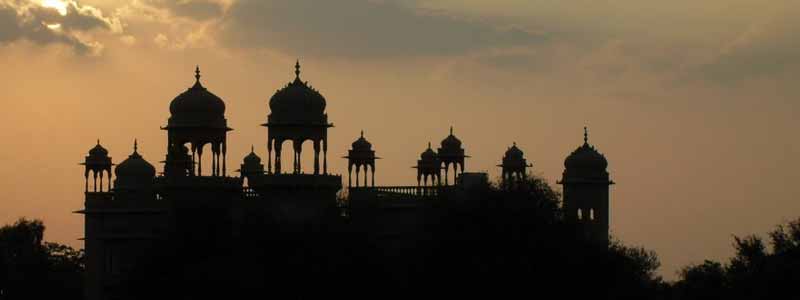
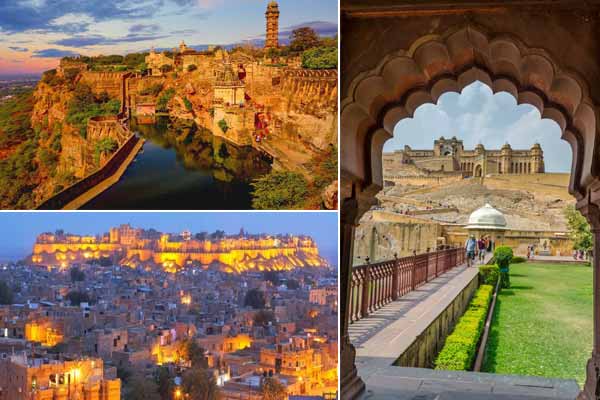
Top Forts and Monuments to Explore in Rajasthan is a land where history, bravery, and royal grandeur come alive through its magnificent forts and monuments. From hilltop fortresses to elegant palaces and sacred temples, the state offers an unforgettable journey into India’s glorious past. Every structure tells a story of kings, queens, warriors, devotion, and artistic excellence, making Rajasthan one of the best heritage destinations in the country.
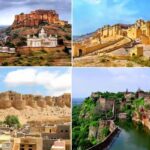
Among the most iconic landmarks is Amer Fort in Jaipur, known for its grand gateways, mirror palace, and scenic views. Nearby, Nahargarh Fort and Jaigarh Fort add more charm with their strategic hilltop locations and beautiful city views. In Jodhpur, the mighty Mehrangarh Fort stands proudly above the Blue City, offering one of the most impressive fort experiences in India. Its massive walls, royal palaces, and rich museum collection make it a must-visit.
Jaisalmer Fort is another jewel of Rajasthan, famous as the Golden Fort because of its yellow sandstone walls that glow in the desert sun. Unlike many forts, it is still alive with local homes, shops, and temples inside its ancient walls. Chittorgarh Fort, one of the largest forts in India, reflects the spirit of Rajput valor and sacrifice, while Kumbhalgarh Fort is admired for its massive wall and dramatic hill setting.
Rajasthan is also home to beautiful monuments such as Hawa Mahal and City Palace in Jaipur, both showcasing royal elegance and artistic detail. In Udaipur, the City Palace and Lake Palace create a magical blend of architecture and water views. For spiritual heritage, the Dilwara Temples in Mount Abu and Ranakpur Jain Temple are famous for their exquisite marble carvings and peaceful atmosphere.
Exploring the forts and monuments of Rajasthan is more than sightseeing. It is a journey through centuries of culture, architecture, and royal pride. Whether you are a history lover, photographer, or cultural traveler, Rajasthan’s heritage sites promise a memorable and inspiring experience.
Forts and Monuments as Part of Rajasthan’s Living Heritage
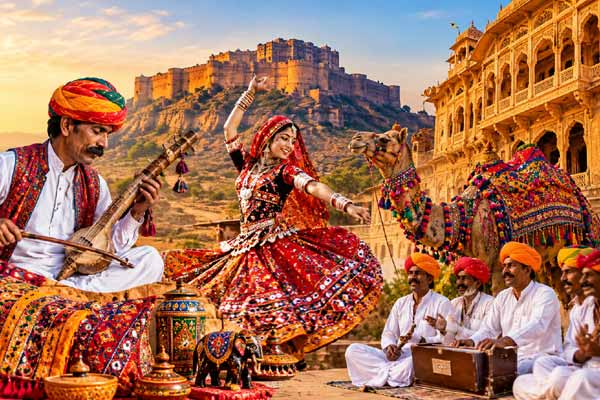
What makes Rajasthan truly special is that its forts and monuments are not isolated relics of the past. They are part of living cities, active pilgrimages, cultural celebrations, and everyday life. Many forts host festivals, sound and light shows, folk performances, and exhibitions. Palaces have been converted into museums, luxury hotels, or heritage venues, allowing visitors to experience royal life in a modern context.
The state’s architecture reveals several layers of history. Some monuments were built for defense, others for celebration, devotion, astronomy, or daily royal living. Together, they present a complete picture of how Rajasthan evolved through centuries of rule, conflict, trade, religion, and art. The use of sandstone, marble, carved stone screens, arched gateways, mirror work, frescoes, and jharokhas gives these structures a distinct identity that is instantly recognizable.
Traveling through Rajasthan’s forts and monuments also means traveling through different moods and landscapes. Jaipur offers royal elegance, Jodhpur gives dramatic hilltop grandeur, Udaipur brings lakeside romance, Jaisalmer delivers desert magic, and Chittorgarh and Kumbhalgarh embody courage and sacrifice. Bikaner, Mount Abu, and Ranakpur add their own unique flavors, making the journey even richer.
Top Forts and Monuments to Explore in Rajasthan
1. Amer Fort, Jaipur
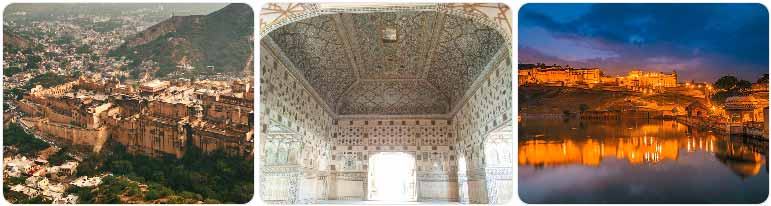
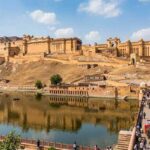
Located on the hills just outside Jaipur, Amer Fort is one of the most magnificent forts in Rajasthan and a masterpiece of Rajput architecture. Built in the 16th century by Raja Man Singh I, the fort combines red sandstone and white marble to create a grand royal complex overlooking the beautiful Maota Lake. Known for its artistic design, royal courtyards, decorative halls, and scenic surroundings, Amer Fort attracts visitors from around the world.
The fort is famous for its stunning gateways, including Suraj Pol and Ganesh Pol, which lead into spacious courtyards and royal chambers. One of the biggest highlights is the Sheesh Mahal, or Mirror Palace, decorated with intricate mirror work that sparkles beautifully when light falls on it. Visitors can also explore Diwan-i-Aam, Diwan-i-Khas, Sukh Niwas, and beautiful palace gardens that reflect the luxury of Rajput rulers.
Amer Fort offers breathtaking panoramic views of the Aravalli Hills and nearby lakes, making it a favorite destination for photography lovers. The fort becomes especially magical during sunrise and sunset when the golden light enhances its royal beauty. In the evening, a light and sound show presents the history of Jaipur and the fort in an engaging way.
The fort is also part of the UNESCO World Heritage-listed Hill Forts of Rajasthan, highlighting its cultural and historical significance. Travelers often combine a visit to Amer Fort with nearby attractions such as Jaigarh Fort and Nahargarh Fort for a complete heritage experience.
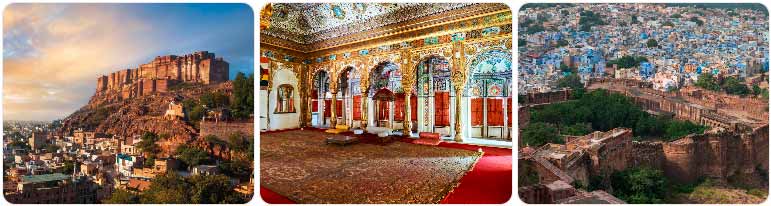
Perched high above the Blue City of Jodhpur, Mehrangarh Fort is one of the grandest and most magnificent forts in India. Built around 1459 by Rao Jodha, the founder of Jodhpur, the fort rises nearly 400 feet above the city on a rocky hill, offering breathtaking panoramic views of the famous blue-painted houses below.
Known for its massive walls, impressive gates, and royal palaces, Mehrangarh Fort represents the courage, power, and artistic heritage of the Rathore rulers of Marwar. The fort complex includes beautifully decorated sections such as Moti Mahal (Pearl Palace), Phool Mahal (Flower Palace), Sheesh Mahal (Mirror Palace), and Zenana Deodi. These royal chambers are adorned with intricate carvings, colorful stained glass, fine paintings, and elegant lattice windows that reflect the luxury of Rajput architecture.
One of the highlights of the fort is its well-preserved museum, which displays royal costumes, weapons, paintings, palanquins, musical instruments, and historical artifacts connected to the royal family of Jodhpur. The museum gives visitors a fascinating insight into Rajasthan’s royal lifestyle and cultural traditions.
The fort’s giant gateways, including Jai Pol and Fateh Pol, were built to celebrate military victories and still carry marks of historic battles. Walking through the fort feels like stepping into a different era filled with stories of bravery and honor.
Mehrangarh Fort is also famous for its stunning viewpoints, cultural festivals, and traditional performances. The fort hosts events such as the Rajasthan International Folk Festival and the World Sacred Spirit Festival, attracting artists and visitors from around the world.
A visit to Mehrangarh Fort is incomplete without enjoying the spectacular sunset view over Jodhpur. Combining history, architecture, culture, and scenic beauty, the fort remains one of the top heritage attractions in Rajasthan and a must-visit destination for travelers exploring the royal charm of India.
Chittorgarh Fort is one of the largest and most historically important forts in India. Located in the state of Rajasthan, this magnificent hill fort stands as a symbol of Rajput bravery, sacrifice, and pride. Spread across nearly 700 acres, the fort reflects centuries of heroic history connected with the rulers of Mewar and legendary figures such as Maharana Kumbha, Maharana Pratap, and Rani Padmini.
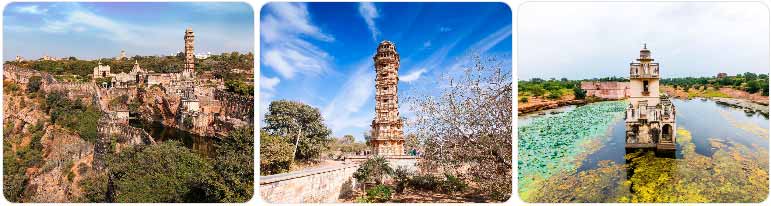
Built on a high hill overlooking the city of Chittorgarh, the fort is surrounded by massive stone walls, ancient gates, palaces, temples, towers, and reservoirs. The fort has witnessed several battles and sieges, making it one of the most powerful historical landmarks in Rajasthan. It is also recognized as a UNESCO World Heritage Site under the Hill Forts of Rajasthan.
One of the main attractions inside the fort is the famous Vijay Stambh, or Tower of Victory, built by Maharana Kumbha to celebrate his victory over the Sultan of Malwa. The tower is beautifully carved and offers panoramic views of the surrounding landscape. Another important monument is Kirti Stambh, dedicated to Jain traditions and admired for its intricate artwork.
Visitors also explore Rana Kumbha Palace, Rani Padmini Palace, Meera Temple, and Kalika Mata Temple, each carrying deep cultural and historical significance. The stories associated with the fort, especially the tales of courage and sacrifice, continue to inspire travelers from around the world.
The best time to visit Chittorgarh Fort is during the winter season from October to March when the weather is pleasant for sightseeing. Early mornings and evenings are especially beautiful, offering stunning views and a peaceful atmosphere.
For history lovers, photographers, and cultural travelers, Chittorgarh Fort is a must-visit destination that showcases the royal heritage and timeless spirit of Rajasthan.
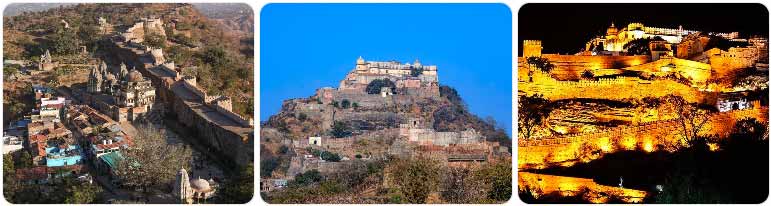
Kumbhalgarh Fort is one of the most magnificent forts in Rajasthan and a proud symbol of Rajput strength and heritage. Located in the Aravalli Hills of Rajsamand district, the fort was built during the 15th century by the great ruler Rana Kumbha of Mewar. It is also famous as the birthplace of the legendary warrior Maharana Pratap.
The fort is best known for its enormous defensive wall that stretches around 36 kilometers, making it one of the longest continuous walls in the world after the Great Wall of China. Surrounded by rugged hills and forests, Kumbhalgarh Fort offers breathtaking views and a dramatic historical atmosphere.
Inside the fort complex, visitors can explore ancient palaces, massive gates, temples, courtyards, and water reservoirs. One of the most attractive sections is Badal Mahal, or the Palace of Clouds, located at the highest point of the fort. Its colorful interiors and panoramic views make it a favorite spot for travelers and photographers.
Kumbhalgarh Fort is also a UNESCO World Heritage Site and part of the famous Hill Forts of Rajasthan. The fort becomes especially beautiful during sunrise, sunset, and the evening light and sound show, which presents the history of Mewar in an engaging way.
Nature lovers also enjoy the nearby Kumbhalgarh Wildlife Sanctuary, home to leopards, antelopes, birds, and other wildlife species. The peaceful surroundings combined with royal architecture make this destination perfect for history enthusiasts, photographers, and cultural travelers.
The best time to visit Kumbhalgarh Fort is from October to March when the weather is pleasant for sightseeing. Travelers often combine Kumbhalgarh with nearby destinations like Udaipur, Jodhpur, and Ranakpur Jain Temple for a memorable Rajasthan heritage tour.
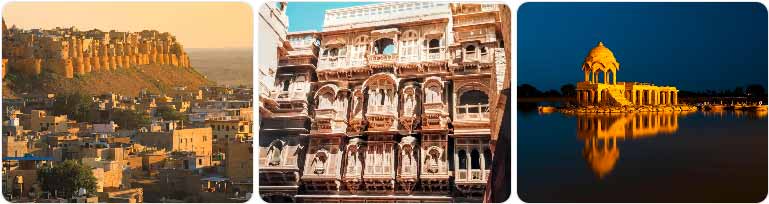
Jaisalmer Fort, also known as Sonar Quila or the Golden Fort, is one of the most unique forts in the world because it is still a living fort. Unlike many other forts that now stand as museums or ruins, Jaisalmer Fort remains home to shops, houses, temples, and local communities. Built in 1156 by Rawal Jaisal, the fort rises from the Thar Desert like a golden crown.
Constructed from yellow sandstone, the fort glows beautifully in sunlight, especially during sunrise and sunset. Its massive walls, narrow lanes, carved havelis, and ancient Jain temples create a magical atmosphere. Visitors can explore the Raja Ka Mahal, Jain Temples, Laxminath Temple, and several viewpoints that offer sweeping views of the desert city below.
Jaisalmer Fort is a living example of how history and daily life can exist together. The fort is also known for its intricate architecture, delicate carvings, and bustling local markets. Walking through its lanes feels like stepping back in time. It is one of Rajasthan’s most memorable landmarks and a highlight of any desert tour.
6. City Palace, Jaipur
The City Palace in Jaipur is one of the grandest royal complexes in Rajasthan and remains a living symbol of the city’s regal past. Built by Maharaja Sawai Jai Singh II, the founder of Jaipur, the palace combines Rajput, Mughal, and European architectural influences. Its courtyards, gardens, museums, gates, and palaces create a magnificent setting in the heart of the Pink City.
The complex includes beautiful structures such as Mubarak Mahal, Chandra Mahal, Diwan-e-Khas, Diwan-e-Aam, and various courtyards decorated with colorful gates. The palace museum displays royal costumes, textiles, weapons, and art pieces that showcase the lifestyle of Jaipur’s rulers. The Pritam Niwas Chowk, with its stunning painted gates representing different seasons and deities, is a favorite among photographers.
The City Palace is still partly used by the royal family, which adds to its living heritage character. It is one of the best places to understand the cultural and artistic richness of Jaipur. A visit here offers both visual beauty and historical depth.
7. City Palace, Udaipur
Udaipur’s City Palace is one of the most beautiful palace complexes in Rajasthan. Overlooking Lake Pichola, it offers breathtaking views of water, hills, and the city’s whitewashed buildings. The palace was built over several centuries by successive rulers of Mewar, making it a blend of many architectural styles and royal influences.
The palace complex includes courtyards, terraces, balconies, towers, and museums filled with royal artifacts. Its ornate mirror work, marble balconies, colorful glass windows, and delicate frescoes create an atmosphere of unmatched elegance. The palace also contains several famous sections such as Mor Chowk, Sheesh Mahal, Zenana Mahal, and the Crystal Gallery.
What makes Udaipur’s City Palace special is its romantic setting. The reflections of the palace on Lake Pichola create some of the most iconic views in Rajasthan. The palace stands not just as a monument but as a symbol of Mewar’s royal pride and artistic excellence. It is a must-visit for anyone exploring the heritage of southern Rajasthan.
8. Hawa Mahal, Jaipur
Hawa Mahal is one of the most recognizable monuments in Rajasthan and a true icon of Jaipur. Known as the Palace of Winds, this beautiful pink sandstone structure was built by Maharaja Sawai Pratap Singh in 1799. Its unique facade with 953 small windows, or jharokhas, was designed to allow royal women to observe street life and festivals without being seen.
The five-story structure looks like a decorative honeycomb and stands as a fine example of Rajput architecture. Although the palace appears grand from the outside, its interiors are relatively simple, with narrow corridors and small rooms. Yet the exterior alone makes it one of the most photographed buildings in India.
Hawa Mahal is especially charming in the morning when sunlight touches its pink facade, giving it a warm glow. It is located near the bustling markets of Jaipur, making it easy to combine with a city heritage tour. The monument represents both architectural beauty and cultural purpose, making it one of Rajasthan’s most admired landmarks.
9. Jal Mahal, Jaipur
Jal Mahal, or the Water Palace, is one of Jaipur’s most scenic monuments. Built in the middle of Man Sagar Lake, the palace appears to float on the water, creating a dreamy and romantic image. Though the palace itself is not usually open to the public, its beauty can be enjoyed from the lakeside promenade.
The structure was originally used as a royal retreat and hunting lodge. Its red sandstone walls and symmetrical design become especially attractive when reflected in the lake. The surrounding Aravalli hills add to the peaceful charm of the location. Jal Mahal is a favorite spot for photographers, nature lovers, and evening strollers.
The monument shows how Rajasthan’s rulers combined architectural elegance with natural beauty. Even though it is one of the quieter monuments in Jaipur, its visual impact is unforgettable. It is often included in heritage tours for travelers who want to experience a softer, more romantic side of Rajasthan.
10. Junagarh Fort, Bikaner
Junagarh Fort in Bikaner is one of Rajasthan’s most impressive forts because it was never conquered, despite many attacks. Unlike many hill forts in the state, Junagarh stands on the plains, built with exceptional strength and design. It was constructed in the 16th century by Raja Rai Singh, one of the prominent rulers of Bikaner.
The fort complex includes magnificent palaces, courtyards, balconies, temples, and museums. Some of the most notable sections are Anup Mahal, Phool Mahal, Karan Mahal, Ganga Mahal, and Chandra Mahal. The interiors are richly decorated with fine carvings, painted ceilings, mirror work, and ornate furniture that reflect royal luxury.
Junagarh Fort offers an excellent glimpse into the heritage of Bikaner, a city known for its desert culture, camel traditions, and royal architecture. The fort’s protective walls, beautiful gates, and elegant palaces make it one of the finest examples of Rajput architecture in western Rajasthan.
11. Nahargarh Fort, Jaipur
Nahargarh Fort sits on the rugged Aravalli hills above Jaipur and provides panoramic views of the city. It was built by Maharaja Sawai Jai Singh II and later expanded by other rulers. Originally intended as a defensive retreat, the fort later became a royal resting place and a popular scenic point.
The fort’s charm lies in its combination of history and landscape. From its walls and terraces, visitors can look out over Jaipur’s old and new areas, especially during sunset when the city turns golden. The fort’s interiors include old rooms, corridors, and a palace complex called Madhavendra Bhawan, which was built for the queens of Jaipur.
Nahargarh Fort is especially popular among young travelers, photographers, and couples looking for a scenic heritage spot. Its elevated location, historic value, and quiet atmosphere make it one of the most pleasant places to explore in the capital city.
12. Jantar Mantar, Jaipur
Jantar Mantar is one of the most fascinating monuments in Rajasthan because it is not a fort or palace, but an astronomical observatory. Built by Maharaja Sawai Jai Singh II in the 18th century, it is a UNESCO World Heritage Site and a remarkable example of scientific architecture.
The observatory contains a collection of large instruments designed to measure time, track celestial bodies, and study astronomical events. The Samrat Yantra, the world’s largest stone sundial, is one of its most impressive features. Visitors are often amazed by the precision and scale of the instruments, which were created long before modern technology.
Jantar Mantar reflects the intellectual side of Rajasthan’s royal history. It shows that the rulers were not only warriors and patrons of art but also supporters of science and learning. For travelers interested in astronomy, history, and architecture, this monument is a must-visit in Jaipur.
13. Dilwara Temples, Mount Abu
Although Mount Abu is Rajasthan’s only hill station, it also contains one of the state’s most exquisite monument complexes: the Dilwara Temples. These Jain temples are known for their extraordinary marble craftsmanship, delicate carvings, and peaceful spiritual atmosphere.
Built between the 11th and 13th centuries, the temples are dedicated to Jain Tirthankaras. Each temple displays remarkable attention to detail, especially in the ceilings, pillars, doorways, and marble panels. The carvings are so intricate that the temples are often regarded as some of the finest marble temple architecture in the world.
The Dilwara Temples are not only religious sites but also artistic masterpieces. They attract pilgrims, scholars, and travelers who appreciate craftsmanship and devotion. A visit here offers a different dimension of Rajasthan’s monument heritage, one shaped by faith, refinement, and serenity.
14. Ranakpur Jain Temple, Pali District
Ranakpur Jain Temple is another architectural jewel of Rajasthan. Located in a quiet valley in the Aravalli range, the temple is famous for its stunning marble structure and detailed carvings. Dedicated to Tirthankara Adinatha, it is one of the most important Jain pilgrimage sites in India.
The temple complex is supported by hundreds of intricately carved pillars, each with unique designs. The symmetry, balance, and artistic beauty of the temple leave a lasting impression on visitors. The peaceful environment around Ranakpur adds to the spiritual experience.
While it is not a fort or palace, Ranakpur deserves a place among Rajasthan’s most important monuments because of its artistic excellence and historical value. It reflects the state’s diverse cultural identity, where religion and architecture come together in a magnificent form.
Best Time to Explore Rajasthan’s Heritage Sites
The best time to explore Rajasthan’s forts and monuments is during the cooler months, generally from October to March. During this period, the weather is comfortable for sightseeing, walking through large fort complexes, and enjoying outdoor viewpoints. Winter also brings clear skies, which make photography especially rewarding.
Early mornings and late afternoons are ideal for visiting major monuments because the light is softer and the temperatures are more pleasant. Sunset views from forts like Nahargarh, Mehrangarh, and Kumbhalgarh are particularly memorable. In desert cities such as Jaisalmer and Bikaner, the golden tones of the sandstone become even more beautiful in the evening light.