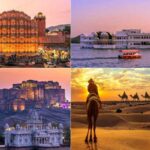
Top 15 Historical Places to Visit in Jaipur, the capital of Rajasthan, is a treasure trove of history where royal heritage blends beautifully with vibrant culture. Known as the Pink City, it offers several remarkable historical places that reflect the grandeur of the Rajput era.
One of the most iconic landmarks is Amber Fort, perched on a hilltop and famous for its artistic Hindu-style architecture, grand courtyards, and Sheesh Mahal. In the heart of the city lies the City Palace, a magnificent complex showcasing royal residences, museums, and traditional Rajasthani art.
The instantly recognizable Hawa Mahal stands as a symbol of Jaipur with its honeycomb façade and hundreds of small windows designed for royal women to observe city life. For astronomy enthusiasts, Jantar Mantar, a UNESCO World Heritage Site, displays impressive stone instruments used for celestial calculations.
Overlooking the city, Nahargarh Fort offers insight into Jaipur’s defense history along with breathtaking views. Together, these historical sites make Jaipur a timeless destination for heritage lovers.
Amer Fort (Amber Fort) – Majestic Hilltop Fort/Palace Complex
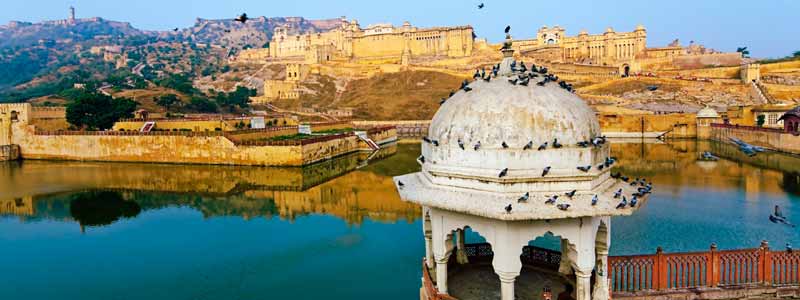
Amer Fort, popularly known as Amber Fort, is one of the most magnificent historical monuments in Jaipur and a shining symbol of Rajasthan’s royal heritage. Located on a hilltop overlooking Maota Lake, this majestic fort was built in the 16th century by Raja Man Singh I and later expanded by successive rulers. Constructed using red sandstone and white marble, the fort reflects a perfect blend of Rajput and Mughal architectural styles.
The fort complex is divided into several beautiful sections, including the Suraj Pol (Sun Gate), Jaleb Chowk, Diwan-i-Aam, Diwan-i-Khas, and the famous Sheesh Mahal. The Sheesh Mahal, or Mirror Palace, is especially mesmerizing, as thousands of tiny mirrors reflect light and create a magical atmosphere. Every corner of the fort showcases intricate carvings, floral designs, and artistic craftsmanship.
Amer Fort was once the main residence of the Kachwaha rulers before Jaipur became the capital. It served both as a royal palace and a strong defensive structure, with thick walls and strategic gateways. The fort also houses secret passages and underground tunnels that connect it to nearby Jaigarh Fort, highlighting its military importance.
One of the most popular experiences at Amer Fort is the traditional elephant ride to the entrance, though jeep rides are also available. In the evening, the light and sound show brings the fort’s history to life through storytelling and music.
Today, Amer Fort stands as a proud reminder of Jaipur’s glorious past. Its grand architecture, scenic surroundings, and rich cultural legacy make it a must-visit destination for every traveler exploring the Pink City.
Top 15 Historical Places to Visit in Jaipur
Jaigarh Fort – Fort With Jaivanna Cannon
Jaigarh Fort is one of the most powerful symbols of Jaipur’s military heritage and royal strength. Located on the rugged Aravalli Hills, this majestic fort was built in 1726 by Maharaja Sawai Jai Singh II to protect the nearby Amber Fort and the royal treasury. With its massive walls, watchtowers, and strategic design, Jaigarh was designed primarily for defense and warfare.
The fort is most famous for housing Jaivana, the world’s largest cannon on wheels. Although it was fired only once, its range and size reflect the advanced engineering skills of the Rajput rulers. Inside the fort, visitors can explore palaces, courtyards, armories, and underground passages that once connected it to Amber Fort, ensuring safety during emergencies.
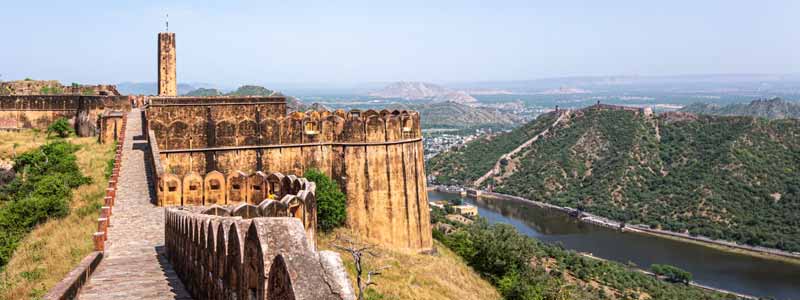
Constructed mainly of red sandstone, Jaigarh Fort stands out for its sturdy and practical architecture. Unlike decorative palaces, it emphasizes strength and functionality. From its ramparts, travelers can enjoy breathtaking views of Jaipur city, Amber Fort, and the surrounding hills.
Today, Jaigarh Fort remains a must-visit destination for history lovers and adventure seekers. It offers a fascinating glimpse into Rajasthan’s warrior past and showcases the brilliance of Rajput military planning. Visiting this fort is like stepping into an era of courage, strategy, and royal pride.
Top 15 Historical Places to Visit in Jaipur
Nahargarh Fort – Sunset Viewpoint And Historic Fort
Nahargarh Fort is one of the most beautiful and historically significant landmarks overlooking Jaipur. Built in 1734 by Maharaja Sawai Jai Singh II, the fort was originally named Sudarshangarh and later came to be known as Nahargarh, meaning “Abode of Tigers.” Situated on the rugged Aravalli Hills, it was constructed to strengthen the defense of Jaipur and protect the city from potential invasions.
The fort is famous for its impressive structure, long stone walls, and stunning viewpoints. One of its main attractions is Madhavendra Bhawan, a palace complex designed for the royal queens. It features identical suites connected by corridors, reflecting thoughtful planning and royal elegance. The interiors, though simple, still retain their historical charm and artistic details.
Nahargarh Fort is also known for offering the best panoramic views of Jaipur, especially during sunset. As the sun sets, the Pink City glows with golden and pink hues, creating a magical atmosphere for visitors. In the evenings, the fort becomes a popular spot for photographers, couples, and nature lovers.
Today, Nahargarh Fort stands as a symbol of Jaipur’s royal heritage, blending history, architecture, and natural beauty. A visit here offers a peaceful escape and a memorable glimpse into Rajasthan’s glorious past.
Top 15 Historical Places to Visit in Jaipur
City Palace – Royal Palace Complex
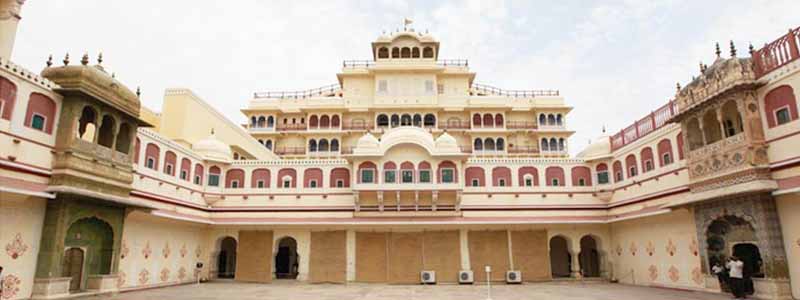
Located in the heart of Jaipur, City Palace is one of the finest examples of royal architecture and living heritage in Rajasthan. Built in the early 18th century by Maharaja Sawai Jai Singh II, this magnificent palace complex reflects a harmonious blend of Rajput, Mughal, and European styles. Surrounded by fortified walls, it stands as a symbol of Jaipur’s regal past and cultural richness.
The palace consists of several courtyards, gardens, and elegant structures, each with its own historical importance. Chandra Mahal, the main residence, still houses members of the royal family and offers panoramic views of the Pink City. Mubarak Mahal, now a museum, displays royal costumes, textiles, and artifacts that provide insight into the luxurious lifestyle of the rulers. Another highlight is Diwan-i-Khas, famous for its massive silver urns, once used to carry holy water.
One of the most admired features of City Palace is Pritam Niwas Chowk, with its beautifully decorated gates representing different seasons and deities. The famous Peacock Gate, in particular, attracts visitors with its vibrant colors and detailed artwork.
Today, City Palace is not only a historical monument but also a cultural center that hosts exhibitions and royal events. Visiting this palace offers a memorable journey into Jaipur’s glorious heritage and timeless elegance.
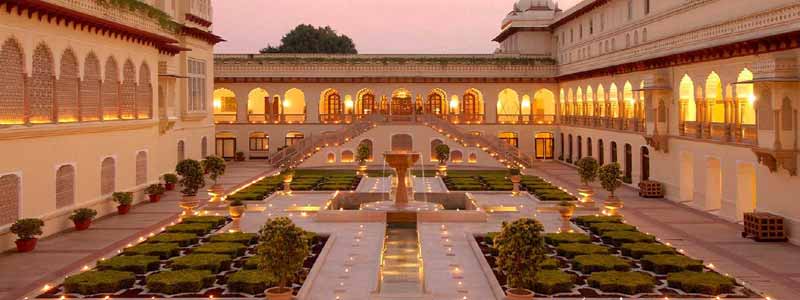
Rambagh Palace is one of Jaipur’s most iconic heritage landmarks, reflecting the grandeur and elegance of Rajasthan’s royal past. Originally built in 1835 as a garden house, it later became the official residence of the Maharaja of Jaipur. Over time, the palace was transformed into a magnificent royal home and eventually converted into a world-class luxury hotel.
Surrounded by beautifully landscaped gardens, Rambagh Palace showcases a perfect blend of Rajput, Mughal, and European architectural styles. Its marble corridors, hand-carved pillars, crystal chandeliers, and antique furnishings transport visitors to a bygone era of royalty. Every corner of the palace reflects refined craftsmanship and timeless beauty.
Today, the palace is managed by the Taj Group and offers guests an authentic royal experience with modern comforts. From heritage suites and fine-dining restaurants to traditional spa therapies, Rambagh Palace provides unmatched hospitality. Walking through its grand halls feels like reliving the lifestyle of Jaipur’s former rulers.
More than just a luxury hotel, Rambagh Palace stands as a symbol of Jaipur’s cultural richness and royal legacy. It remains a must-visit destination for travelers seeking history, elegance, and unforgettable experiences in the Pink City.
Top 15 Historical Places to Visit in Jaipur
Hawa Mahal – Iconic “Palace Of Winds
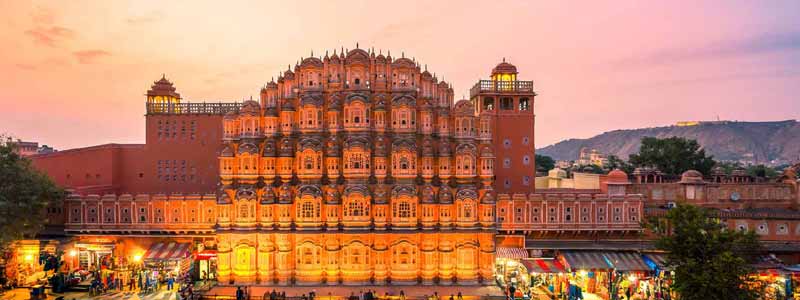
Hawa Mahal, located in the heart of Jaipur, is one of the most iconic monuments of Rajasthan. Built in 1799 by Sawai Pratap Singh, this remarkable palace is famous for its unique honeycomb-shaped façade made of pink sandstone. With 953 small windows, known as jharokhas, Hawa Mahal was designed to allow royal women to observe street festivals and daily life without being seen, following the traditions of the time.
The palace gets its name “Palace of Winds” because of its clever ventilation system. Cool breezes flow naturally through the windows, keeping the interiors pleasant even during hot summers. This architectural innovation reflects the scientific and artistic brilliance of Rajput craftsmen.
Inside, Hawa Mahal features narrow corridors, small courtyards, and simple chambers that once served as resting places for royal ladies. From the top floors, visitors can enjoy beautiful views of the City Palace, Jantar Mantar, and the bustling old markets.
Today, Hawa Mahal stands as a proud symbol of Jaipur’s heritage, blending beauty, culture, and engineering excellence. It remains a must-visit destination for history lovers and travelers exploring the Pink City.
Top 15 Historical Places to Visit in Jaipur
Jal Mahal – Water Palace In The Lake
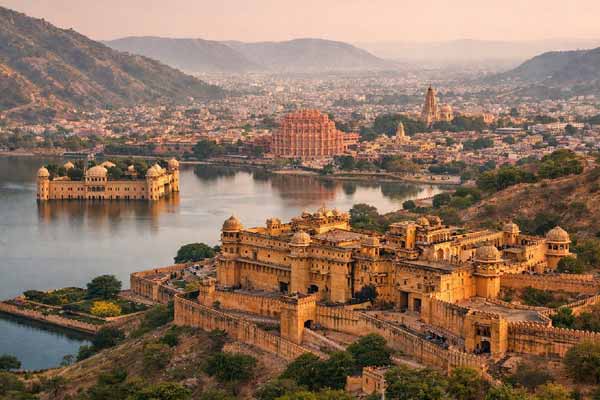
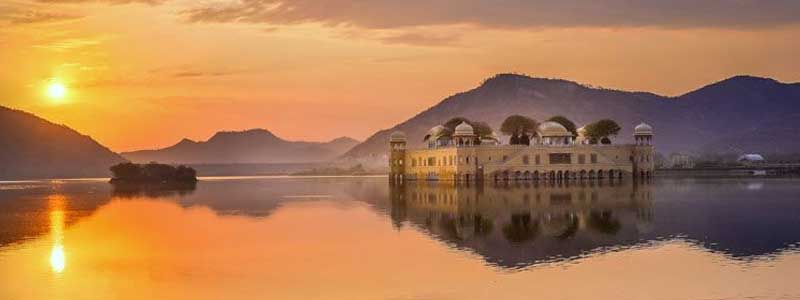
Jal Mahal, meaning “Water Palace,” is one of the most enchanting landmarks in Jaipur, gracefully floating in the middle of Man Sagar Lake. Built in the 18th century by Maharaja Madho Singh I, this five-storey palace reflects a perfect blend of Rajput and Mughal architectural styles. Interestingly, four of its storeys remain submerged when the lake is full, leaving only the top level visible above water.
Constructed from red sandstone, Jal Mahal was mainly used as a royal hunting lodge and leisure retreat. The palace is surrounded by the scenic Aravalli Hills, creating a peaceful and romantic atmosphere, especially during sunrise and sunset. Although entry inside the palace is restricted, visitors can admire its beauty from the lakeside promenade.
Today, Jal Mahal stands as a symbol of Jaipur’s royal elegance and architectural brilliance. Its reflection on the calm waters, combined with its historic charm, makes it a favorite spot for photographers, travelers, and heritage lovers seeking a serene experience in the Pink City.
Top 15 Historical Places to Visit in Jaipur
Sisodia Rani Garden & Palace – Heritage Garden
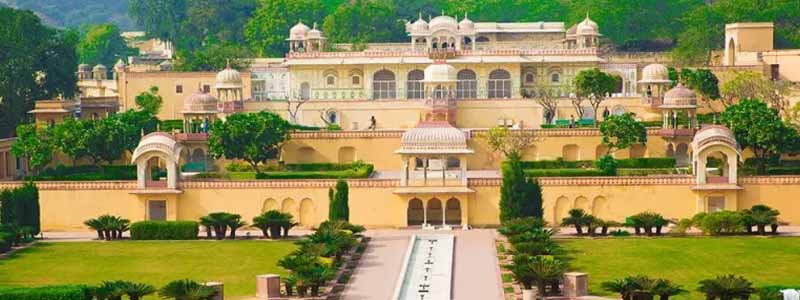
Sisodia Rani Garden & Palace is a charming historical retreat located on the outskirts of Jaipur, surrounded by the scenic Aravalli Hills. Built by Maharaja Sawai Jai Singh II for his beloved queen, the garden reflects royal romance and refined taste. Designed in a terraced style, it features cascading fountains, elegant pavilions, and beautifully landscaped pathways that create a peaceful atmosphere.
The palace walls are adorned with delicate murals depicting scenes from the life of Lord Krishna and Radha, symbolizing devotion and love. These paintings add artistic depth and cultural value to the monument. The blend of Mughal landscaping techniques and Rajput architectural elements gives the complex a unique and graceful character.
Away from the city’s busy streets, Sisodia Rani Garden offers visitors a calm and refreshing experience. It is an ideal place for history lovers, photographers, and nature enthusiasts seeking a quiet glimpse into Jaipur’s royal lifestyle.
Top 15 Historical Places to Visit in Jaipur
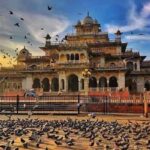
Albert Hall Museum – State Museum In Ram Niwas Garden
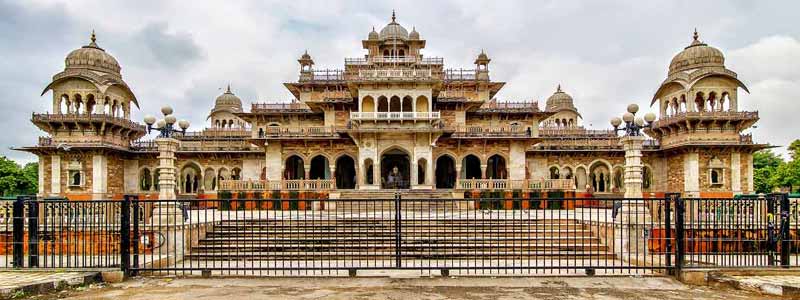
Albert Hall Museum is one of the most important cultural and historical landmarks of Jaipur. Located in the heart of Ram Niwas Garden, this magnificent building was designed in the Indo-Saracenic style and inaugurated in 1887. It is the oldest museum in Rajasthan and serves as a window into the region’s rich artistic and royal heritage.
The museum houses an impressive collection of artifacts, including ancient coins, miniature paintings, traditional textiles, sculptures, arms, and decorative objects. One of its major attractions is the Egyptian mummy, which draws visitors from across the country. The galleries are well-organized, allowing tourists to explore Rajasthan’s history in a smooth and engaging way.
In the evening, the museum looks especially beautiful when illuminated with colorful lights, creating a magical atmosphere. Albert Hall Museum is a perfect destination for history lovers, students, and travelers who wish to understand Jaipur’s cultural roots. A visit here adds depth and meaning to any heritage tour of the Pink City.
Top 15 Historical Places to Visit in Jaipur
Jantar Mantar – UNESCO Heritage Astronomical Observatory
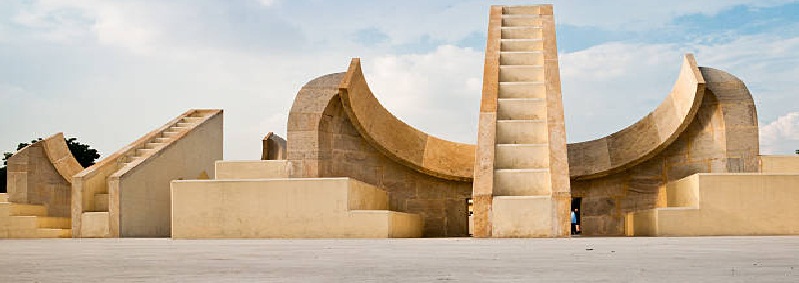
Jantar Mantar in Jaipur is one of the finest astronomical observatories in the world and a remarkable example of India’s scientific heritage. Built in 1734 by Maharaja Sawai Jai Singh II, this historic site was designed to study celestial movements and measure time with great precision. It consists of nineteen large stone instruments, each created for specific astronomical calculations.
The most famous structure here is the Samrat Yantra, a massive sundial that can accurately tell time to within seconds. Other instruments help track the positions of stars, planets, and constellations, making the observatory a center of learning in its era. What makes Jantar Mantar truly unique is the combination of science, architecture, and art in its design.
Recognized as a UNESCO World Heritage Site, Jantar Mantar attracts scholars, history lovers, and tourists from around the world. Visiting this site offers a fascinating insight into India’s advanced knowledge of astronomy and Jaipur’s rich intellectual legacy.
Top 15 Historical Places to Visit in Jaipur
Birla Mandir (Laxmi Narayan Temple) – Modern Marble Temple
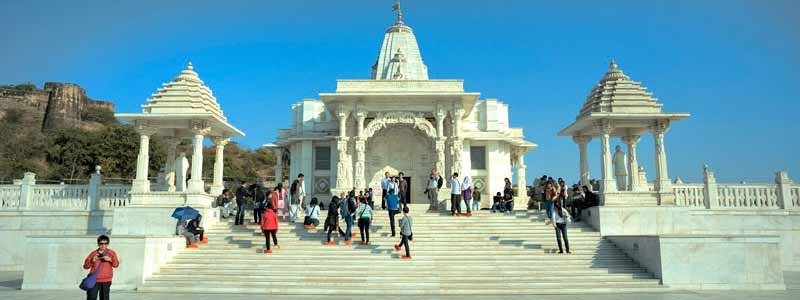
Birla Mandir, also known as the Laxmi Narayan Temple, is one of the most elegant and peaceful religious landmarks in Jaipur. Built entirely from pure white marble, the temple stands gracefully at the base of Moti Dungri Hill, creating a striking contrast against the surrounding landscape. Dedicated to Goddess Laxmi, the deity of wealth, and Lord Vishnu (Narayan), the temple attracts devotees and tourists alike.
The architecture blends traditional Hindu design with modern elements, featuring beautifully carved pillars, delicate sculptures, and intricate latticework. Inside, visitors can admire finely detailed idols and serene prayer halls that create a calm spiritual atmosphere. Uniquely, the temple walls also display portraits of great philosophers, saints, and leaders from different cultures, symbolizing unity and harmony.
During evening hours, the temple looks especially mesmerizing when illuminated with soft lights. Birla Mandir is not only a place of worship but also a symbol of faith, peace, and cultural heritage in the Pink City.
Top 15 Historical Places to Visit in Jaipur
Galta Ji (Monkey Temple) – Ancient Pilgrimage Temple
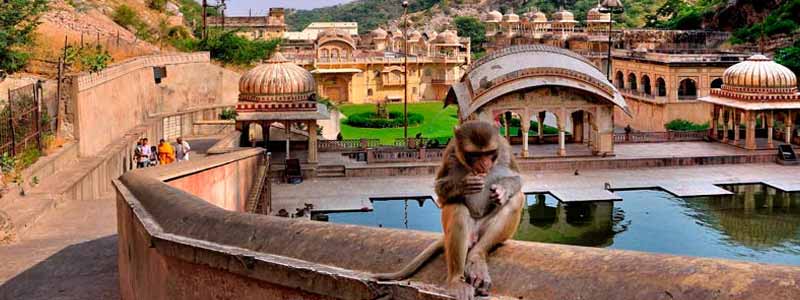
Galta Ji, popularly known as the Monkey Temple, is one of the most sacred and scenic spiritual sites near Jaipur. Nestled in the Aravalli Hills, this ancient temple complex is surrounded by rocky cliffs, natural springs, and peaceful landscapes that create a calm and divine atmosphere.
The site is famous for its holy water tanks, called kunds, which are fed by natural springs and never dry up. Devotees believe that bathing in these kunds cleanses the soul and brings spiritual blessings. The main temples here are dedicated to Lord Hanuman, Lord Rama, and the Sun God, making Galta Ji an important pilgrimage destination.
Thousands of monkeys live around the temple, adding charm and liveliness to the surroundings. Visitors can also enjoy panoramic views of Jaipur from the nearby hills. Combining spirituality, history, and nature, Galta Ji offers a truly unique and peaceful experience for travelers.
Top 15 Historical Places to Visit in Jaipur
Chulgiri Jain Temple – Jain Temple
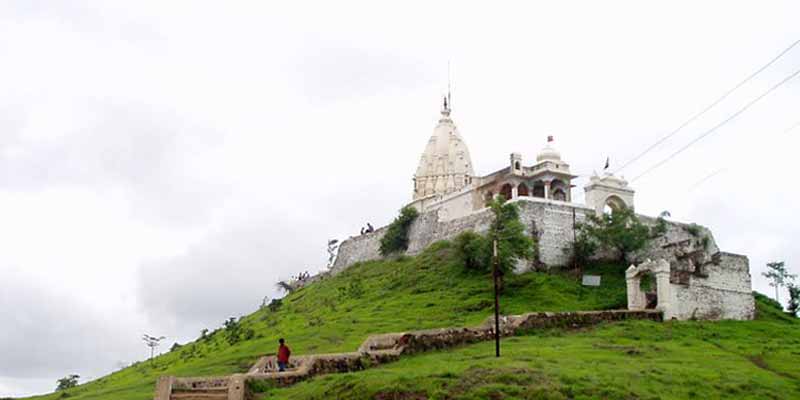
Chulgiri Jain Temple is a peaceful and spiritually significant shrine located on the scenic Aravalli Hills near Jaipur. Dedicated to Lord Adinath, the first Tirthankara of Jainism, this temple is revered by devotees and admired by travelers for its calm atmosphere and beautiful setting. Surrounded by greenery and fresh mountain air, the temple offers a refreshing escape from the busy city life.
Built with elegant marble architecture, Chulgiri Jain Temple reflects simplicity, purity, and devotion. The main sanctum houses a graceful idol of Lord Adinath, while the surrounding area provides quiet spaces for meditation and prayer. From the hilltop, visitors can enjoy panoramic views of Jaipur, especially during sunrise and sunset.
The temple is not only a religious center but also a place of inner peace and reflection. Whether you are a spiritual seeker or a nature lover, Chulgiri Jain Temple promises a soothing and memorable experience in the heart of Rajasthan.
Top 15 Historical Places to Visit in Jaipur
Abhaneri Step Well (Chand Baori) – Historic Stepwell Nearby
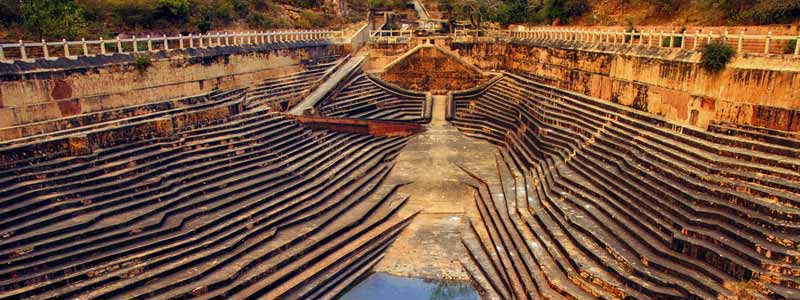
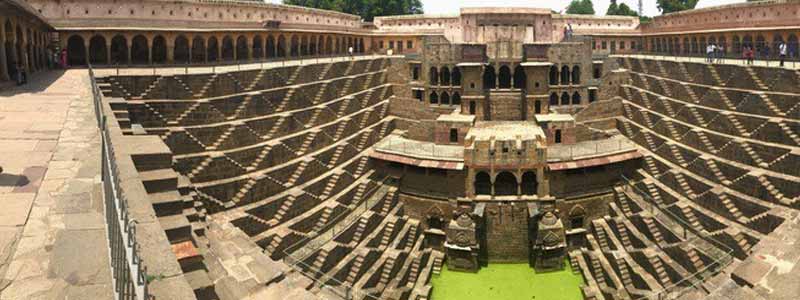
Located in the quiet village of Abhaneri, about 95 km from Jaipur, Chand Baori is one of the deepest and most spectacular stepwells in India. Built over a thousand years ago during the rule of King Chanda, this architectural marvel was designed to conserve water in the arid climate of Rajasthan. It features around 3,500 narrow steps arranged in perfect geometric symmetry, descending nearly 13 stories into the ground.
The stepwell once served as a vital water source for villagers and also as a cool resting place during scorching summers. Its precise design keeps the lower levels noticeably cooler than the surface. Adjacent to the stepwell stands the Harshat Mata Temple, adding spiritual charm to the site.
Today, Chand Baori attracts history lovers, photographers, and travelers seeking unique heritage experiences. Its striking patterns, ancient engineering, and peaceful surroundings make it a must-visit destination near Jaipur, offering a glimpse into India’s brilliant traditional water management system.
Panna Meena Ka Kund – Ancient Stepwell Near Amber
Panna Meena Ka Kund is a beautifully preserved stepwell located near Amber Fort in Jaipur. Built in the 16th century, this historic structure was designed to collect rainwater and serve as a vital water source for local residents. Its most striking feature is the perfectly symmetrical zigzag staircase, which creates a fascinating geometric pattern and makes the stepwell a favorite spot for photographers and history lovers.
Apart from its practical purpose, the kund also functioned as a social gathering place where villagers met, rested, and exchanged stories. The cool atmosphere inside provided relief from Rajasthan’s intense heat, especially during summer months. Made from stone and lime mortar, the stepwell reflects the intelligent water-management systems of ancient India.
Today, Panna Meena Ka Kund stands as a quiet yet powerful reminder of Jaipur’s architectural wisdom. Surrounded by hills and heritage sites, it offers visitors a peaceful escape and a glimpse into the region’s sustainable past, making it a must-visit hidden gem in the Pink City.