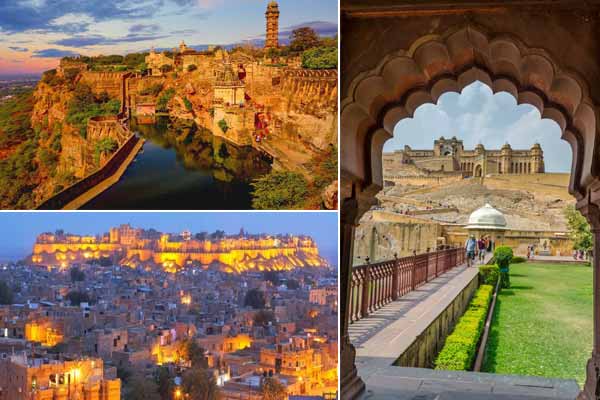
Planning Your Rajasthan Trip : Complete Guide can be an exciting experience, as this royal state offers a perfect blend of history, culture, and natural beauty. From colorful cities to vast deserts, Rajasthan promises memories that last a lifetime.
Begin your journey by selecting key destinations such as Jaipur, known for its Pink City charm, Udaipur for romantic lakes and palaces, Jaisalmer for desert adventures, and Jodhpur for its majestic forts. Decide the duration of your trip based on how many places you wish to explore, ideally allowing 7 to 10 days for a comfortable experience.
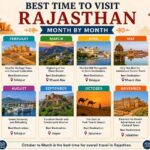
The best time to visit Rajasthan is from October to March, when the weather remains pleasant for sightseeing. Booking hotels, transport, and guides in advance helps avoid last-minute stress, especially during peak tourist seasons. Choosing a reliable car rental service with a driver can make your journey smoother and more flexible.
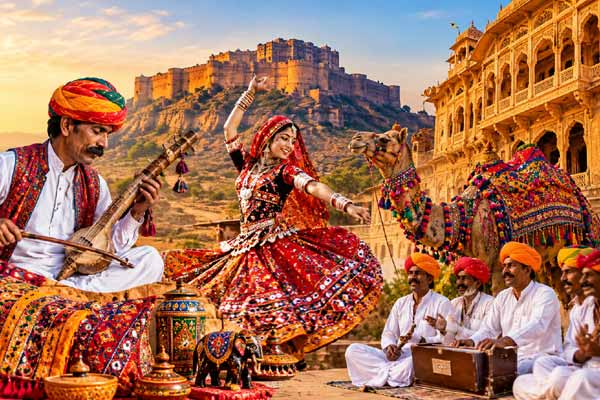
While planning, include local experiences such as camel safaris, traditional folk performances, and heritage walks. Do not miss tasting authentic Rajasthani cuisine like dal baati churma and ghewar.
With thoughtful planning, balanced itineraries, and a spirit of exploration, your Rajasthan trip will be smooth, enjoyable, and truly unforgettable.
Why Choose Rajasthan for Your Next Vacation?
Rajasthan is one of India’s most diverse travel destinations. From majestic forts and tranquil lakes to wildlife reserves and desert safaris, every region has something unique to offer. Whether you are traveling with family, friends, or on a romantic getaway, Rajasthan suits all travel styles and budgets.
Some of the most popular destinations include Jaipur, Udaipur, Jaisalmer, Jodhpur, Pushkar, Mount Abu, and Ranthambore National Park.
Best Places to Visit in Rajasthan
Rajasthan is full of interesting cities and towns, but most first‑time itineraries focus on a core set of highlights: Jaipur, Udaipur, Jodhpur and Jaisalmer. Each city offers a different landscape and atmosphere, so combining them in one route gives you a good overview of the state’s royal heritage, desert scenery and everyday culture. Later, you can add other destinations such as Pushkar, Bikaner, Bundi, Mount Abu or the painted havelis of Shekhawati.
Jaipur, the capital of Rajasthan, is often the starting point for trips through the state and is also part of India’s famous Golden Triangle route with Delhi and Agra. The old city is painted in a striking terracotta shade that has earned it the nickname “Pink City”, and is packed with palaces, temples, bustling bazaars and historic gates. Jaipur offers a lively mix of heritage attractions, shopping streets, rooftop cafés and modern restaurants, making it easy to spend at least two or three days in and around the city.
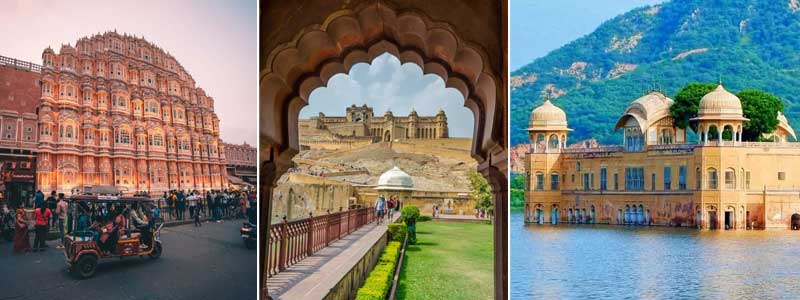
Important places to visit in Jaipur include the hilltop Amber Fort with its courtyards, mirror‑work halls and lake views, and the elegant City Palace complex with museums, courtyards and ornate gateways. The honey‑combed façade of Hawa Mahal, or “Palace of Winds”, looks over the bazaars, while the UNESCO‑listed Jantar Mantar observatory showcases giant stone instruments used to track the movements of the sun, moon and stars. In the evenings you can visit Birla Mandir, drive past Jal Mahal on Man Sagar Lake, or enjoy traditional performances and Rajasthani food in cultural village settings.
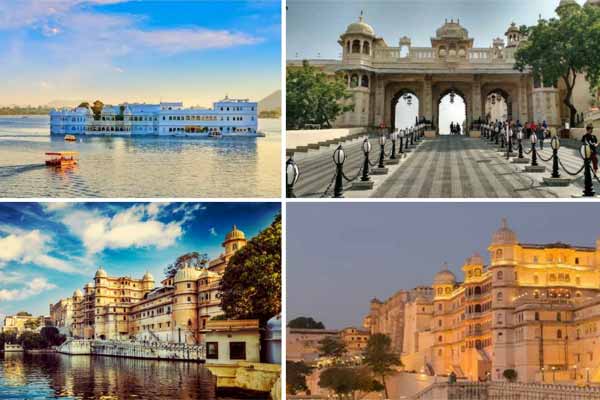
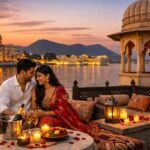
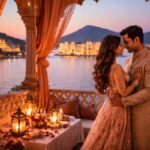
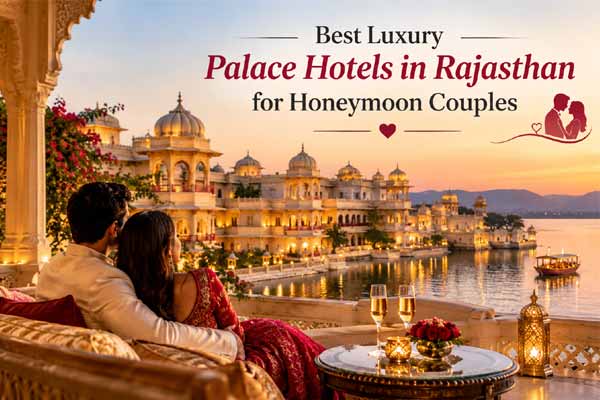
Udaipur is often described as the “City of Lakes” and is one of the most romantic destinations in India. The city is built around Lake Pichola and several other lakes, with white palaces, temples and havelis reflected in the water and the Aravalli Hills forming a beautiful backdrop. Its narrow lanes, rooftop restaurants and lakeside ghats make it perfect for slower exploration, photo walks and relaxed evenings.
The main attraction is the vast City Palace complex, which combines courtyards, balconies and museums with superb views over Lake Pichola. A boat ride on the lake around sunset is one of the classic experiences in Udaipur, passing the Lake Palace and the island of Jag Mandir. Other highlights include Jagdish Temple near the palace, the historic garden of Saheliyon ki Bari, the cultural museum and evening show at Bagore ki Haveli and viewpoints around Fateh Sagar Lake. With an extra day, many travellers take trips out to Kumbhalgarh Fort and the Jain temples of Ranakpur.
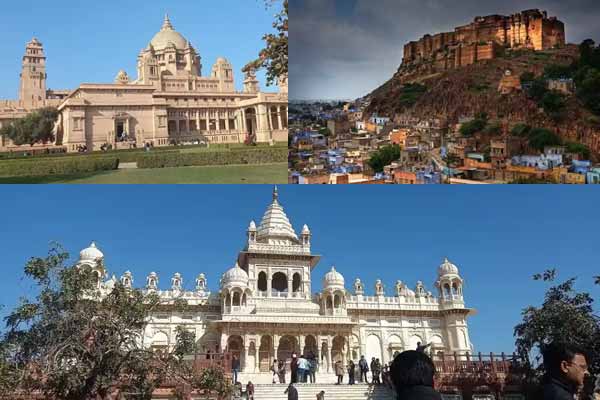
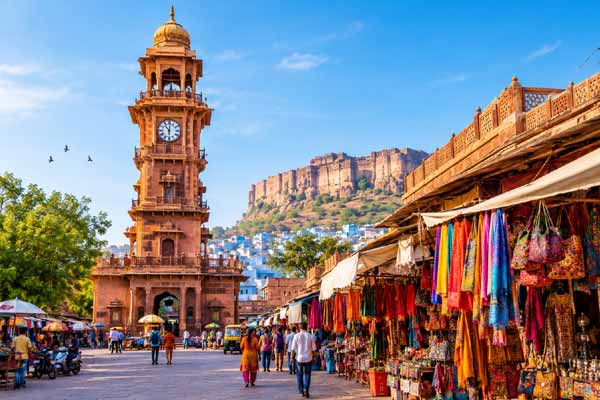
Jodhpur, known as the “Blue City”, stands on the edge of the Thar Desert and is dominated by the imposing walls of Mehrangarh Fort. Many homes in the old town are painted in blue tones, creating a striking sea of colour when viewed from the fort ramparts. The city offers a great blend of royal history, busy markets and flavourful local cuisine, and works well as a link between Jaipur, Udaipur and the desert around Jaisalmer.
Key sights in Jodhpur include Mehrangarh Fort itself, with its museums, courtyards and famous palace rooms such as Moti Mahal, Phool Mahal and Sheesh Mahal. Nearby, the white marble cenotaph of Jaswant Thada sits above a small lake and offers peaceful views back to the fort. In the newer part of the city, Umaid Bhawan Palace is part royal residence, part museum and part luxury hotel. Down in the old town, the area around the Clock Tower and Sardar Market is perfect for sampling snacks like mirchi vada and mawa kachori and shopping for spices, textiles and handicrafts.
Jaisalmer, the “Golden City”, rises dramatically from the Thar Desert with its honey‑coloured fort, narrow streets and intricately carved havelis. It is one of the best places in India to experience the desert, with camel and jeep safaris to surrounding dunes, traditional music and dance evenings, and clear night skies full of stars. Many travellers spend at least two nights in and around Jaisalmer – one in town and one in a desert camp.
Inside the living Jaisalmer Fort you will find temples, homes, rooftop cafés and viewpoints over the city. Down in the old streets, mansions such as Patwon ki Haveli showcase some of the finest stone carving in Rajasthan, while Gadisar Lake offers a peaceful spot for sunrise or sunset. Outside the city, the Sam and Khuri sand dunes are popular for sunset desert safaris, cultural performances and overnight stays in camps of different comfort levels. Puppet shows, folk music and Kalbeliya dance performances further introduce you to Rajasthan’s desert culture.
If you are looking for an extraordinary holiday that combines royal palaces, desert adventures, lake views, colourful bazaars and rich local traditions, Rajasthan is one of the best regions to choose in India. Plan your route, decide how much time you can spend in each city and get ready for a journey that will stay with you long after you return home.
Pushkar – Holy Lake & Temples
Pushkar is a small but famous town set around a sacred lake, surrounded by hills and more than fifty ghats and hundreds of temples. It is best known for the Brahma Temple, one of the very few temples dedicated to Lord Brahma in the world, and for the atmosphere of chanting, incense and sunset aarti on the ghats. The town has a relaxed, bohemian feel, with rooftop cafés, yoga studios, ashrams and shops selling colourful clothes, jewellery and handicrafts.
Most travellers spend one or two nights in Pushkar. During the day you can walk the narrow streets, visit the Brahma Temple and other small shrines, circle the lake barefoot as locals do, or hike or take the ropeway up to Savitri Mata Temple for sunrise or sunset views. In November, the town hosts the famous Pushkar Camel Fair, when thousands of camels, horses and traders gather on the sands outside town and the streets fill with folk music, food stalls and cultural events. If you plan to visit during the fair, book your stay and transport well in advance.
Bikaner – Camel Country & Forts
Bikaner lies in the northern part of Rajasthan and is sometimes called the “Camel Country” because of its long connection with camel breeding and desert trade routes. The city is less crowded than Jaipur or Jodhpur but has an impressive royal legacy, atmospheric old streets and famous local snacks such as Bikaneri bhujia and rasgullas. It is a good stop for travellers coming from or going towards Punjab or Shekhawati, or for those who want an extra desert‑side city without the big tourist numbers.
The main attraction is Junagarh Fort, a massive complex of palaces, courtyards and museums built in red sandstone and marble. Inside you will find richly decorated rooms, carved balconies and a detailed look at the history of the Bikaner royal family. Many visitors also make a trip to the famous Karni Mata Temple at Deshnoke, often nicknamed the “Rat Temple” because of the thousands of holy rats that live inside. Other points of interest include old havelis, the royal cenotaphs and the camel breeding farm on the outskirts of the city, where you can learn more about the animals that have shaped desert life.
Bundi – Stepwells & Blue Lanes
Bundi is a smaller, more low‑key town in southeastern Rajasthan that feels far less touristy than the big cities, yet is full of history and charm. The old town is a maze of blue‑painted houses and narrow lanes, watched over by the hilltop Taragarh Fort and the layered Garh Palace complex. Because it receives fewer visitors, Bundi is often recommended to travellers who want to experience “real” small‑town Rajasthan with less noise and fewer touts.
Bundi is especially famous for its historic stepwells and baoris. The most beautiful is Rani ji ki Baori, an ornate multi‑tiered stepwell built in the late seventeenth century, covered in carvings and arches. Other highlights include the viewpoints from Garh Palace, smaller stepwells such as Dhabhai Kund, and the peaceful Sukh Mahal by the lake, where it is said Rudyard Kipling once stayed. One or two nights in Bundi are enough to explore the main sights, but many travellers choose to linger longer for the quiet atmosphere.
Best Time to Visit Rajasthan
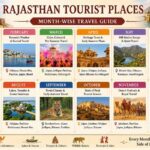
The ideal time to explore Rajasthan is between October and March. During these months, the weather remains pleasant, making sightseeing comfortable. Winter mornings and evenings can be cool, especially in desert regions, so carrying light woolens is advisable.
If you enjoy cultural celebrations, plan your visit around famous festivals like Pushkar Fair, Desert Festival in Jaisalmer, or Diwali in Jaipur. Summers (April to June) are extremely hot, while the monsoon season (July to September) brings occasional rainfall and fewer crowds.