Rajasthan’s Kid-Friendly Palaces and Forts: A Historical Adventure for the Family
rtp123
Rajasthan’s Kid-Friendly Palaces and Forts, the legendary “Land of Kings,” is often viewed as a destination for history enthusiasts, architecture lovers, and cultural explorers. Yet, beyond its royal charm and heritage grandeur lies a delightfully surprising truth—Rajasthan is also an incredible destination for families traveling with children. The state’s magnificent palaces, mighty forts, colorful stories, and immersive experiences transform history from textbook pages into living adventures that kids find absolutely fascinating.
From climbing ancient ramparts and listening to tales of brave warriors to exploring hidden tunnels, riding elephants, enjoying puppet shows, and participating in interactive museum activities, Rajasthan offers countless ways to awaken a child’s curiosity. Whether you’re exploring sprawling hilltop fortresses or strolling through opulent palace chambers, there’s always something magical awaiting young travelers.
If you’re wondering which royal landmarks offer the most captivating and kid-friendly experiences, here is a curated list of Rajasthan’s top kid-friendly palaces and forts—all designed to spark imagination and create unforgettable family memories.
Amber Fort, Jaipur – A Treasure Trove of Adventure
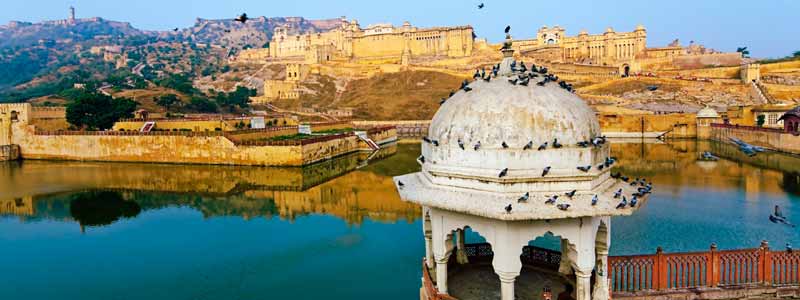
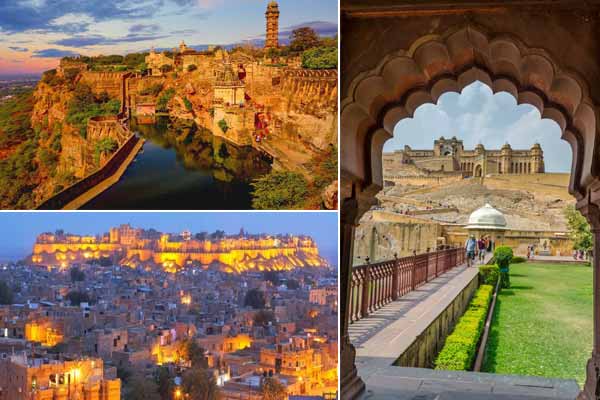
Amber Fort (or Amer Fort), a UNESCO World Heritage Site, is a magnificent palace complex situated high on a hill, overlooking the scenic Maota Lake near Jaipur. Its construction was initiated by Raja Man Singh I in 1592, with subsequent additions made by later rulers, blending Rajput and Mughal architectural styles. Built from pale yellow and pink sandstone and white marble, the fort’s reflection in the lake creates a stunning visual spectacle.
The complex is divided into four main courtyards. The intricate Ganesh Pol, adorned with stunning frescoes, leads to the private chambers. Inside lies the world-renowned Sheesh Mahal (Mirror Palace), where thousands of tiny, hand-cut mirrors illuminate the chamber with the light of just one candle. Another highlight is the Diwan-i-Aam (Hall of Public Audience).
Connected to the formidable Jaigarh Fort by an underground tunnel, Amber Fort served as the capital of the Kachhwaha Rajputs until the capital was shifted to the newly built Jaipur in 1727. Today, it remains a symbol of Rajput grandeur, drawing visitors for its history and artistry.
Why It’s Kid-Friendly
An Elephant-Friendly Alternative: Earlier elephant rides were common but have now transitioned to eco-conscious alternatives, such as jeeps or battery-operated vehicles that kids often enjoy.
Sheesh Mahal: The mirror palace is a dazzling wonderland for kids who love shiny things and optical illusions.
Tunnels & Passages: The long subterranean passages linking Amber Fort to Jaigarh Fort add a mysterious thrill.
Engaging Stories: Guides narrate tales of kings, queens, warriors, and royal lifestyles in a way that makes history relatable to kids.
Highlights for Kids
Running through the maze-like courtyards
Seeing reflections dance across the mirrored walls of Sheesh Mahal
Watching the Amber sound-and-light show in the evening
Amber Fort makes history feel alive, interactive, and exciting—and that’s what kids love most.
Mehrangarh Fort, Jodhpur – A Giant Playground of History
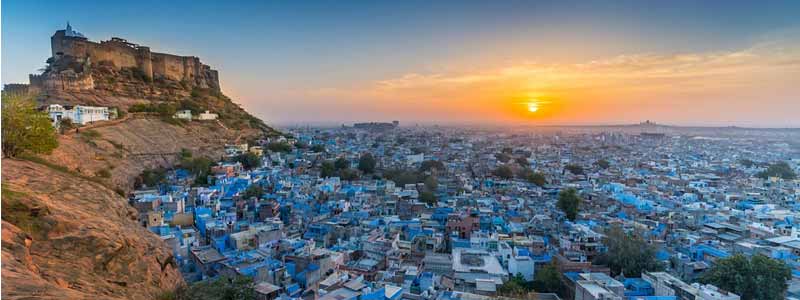
Mehrangarh Fort, one of India’s largest and most magnificent forts, dominates the skyline of Jodhpur from its perch on a 400-foot-high cliff. Its construction was initiated in 1459 by Rao Jodha, the founder of Jodhpur, as a more secure capital for the Rathore clan. The name itself is derived from ‘Mihirgarh’, meaning “Fort of the Sun,” referencing the clan’s mythical descent from the Sun God.
The fort’s imposing walls, reaching up to 120 feet high, are so skillfully built from burnished red sandstone that they appear to merge seamlessly with the rocky base. Rudyard Kipling famously described it as “the work of giants.” Its formidable structure, accessed through seven defensive gates, houses exquisitely carved palaces.
Inside, architectural marvels include the stunning Sheesh Mahal (Hall of Mirrors), the gilded Phool Mahal (Flower Palace), and the Moti Mahal (Pearl Palace). The fort’s museum preserves an extensive collection of royal artifacts. From the ramparts, one can enjoy a breathtaking panoramic view of the ‘Blue City’ of Jodhpur sprawling below.
Why It’s Kid-Friendly
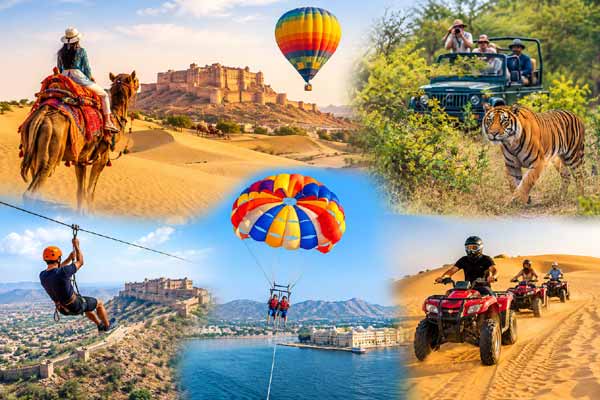
Ziplining Adventures: Teens and older kids love the thrilling zipline experience around the fort’s walls and lakes.
Interactive Museum Spaces: Mehrangarh’s museum showcases royal palanquins, elephant howdahs, armor, and even child-friendly exhibits.
Large Courtyards: These open spaces give kids room to run and explore freely.
Audio Guides: The kid-focused audio tour simplifies history while keeping storytelling engaging.
Highlights for Kids
Watching canons on the fort’s ramparts
Trying on turbans in interactive workshops
Gazing at swords, shields, and ancient weapons
Mehrangarh turns the idea of a fort into a living classroom—complete with excitement, exploration, and hands-on learning.
Rajasthans Kid-Friendly Palaces and Forts
City Palace, Udaipur – Royal Stories Amid Lakes and Courtyards
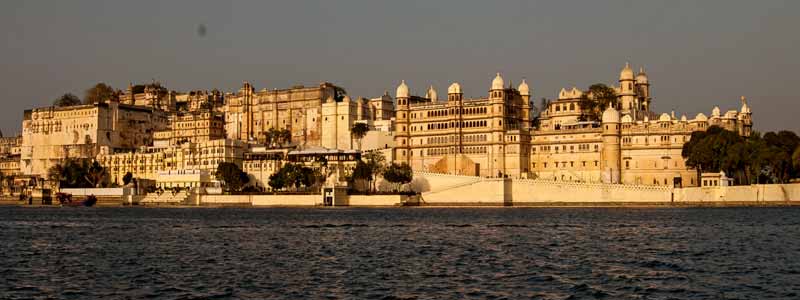
The City Palace of Udaipur is a magnificent complex situated on the eastern bank of the serene Lake Pichola. Its construction was initiated in 1559 by Maharana Udai Singh II, who founded the city after shifting his capital from Chittorgarh. Expanded over nearly 400 years by successive Mewar rulers, it is the largest palace complex in Rajasthan.
The architecture is a stunning and homogeneous blend of Rajasthani Rajput, Mughal, and European styles. Built atop a hill, the granite and marble structure overlooks the lake, offering breathtaking views of the city and landmarks like the Lake Palace and Jag Mandir.
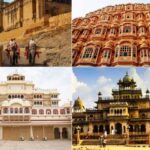
Key highlights within the complex include the famous Mor Chowk (Peacock Courtyard) adorned with intricate glass mosaics, the mirrored walls of the Sheesh Mahal (Palace of Mirrors), and the elevated Amar Vilas garden. The palace is a labyrinth of courtyards, terraces, and halls, designed with narrow, winding passages for security. Today, a large portion serves as a museum, while the royal family continues to reside in a section of this living monument.
Why It’s Kid-Friendly
Colorful Mosaics: Kids love spotting animals and symbols in the vibrant artwork and glass mosaics.
Boat Ride Add-On: The lake cruise that usually accompanies a City Palace visit feels like a magical adventure.
Royal Artifacts: From elephant armor to miniature paintings, the palace offers plenty of conversation starters.
Safe, Clean, and Organized: Its well-planned walkways and relatively gentle slopes make it easy for families with young children.
Highlights for Kids
Exploring the Peacock Courtyard with its intricate peacock mosaics
Watching the lake palace from the palace terrace
Enjoying the peaceful gardens and fountains
City Palace combines royal history with scenic beauty—an irresistible combination for young visitors.
Junagarh Fort, Bikaner – A Colorful Storybook of Royal Life
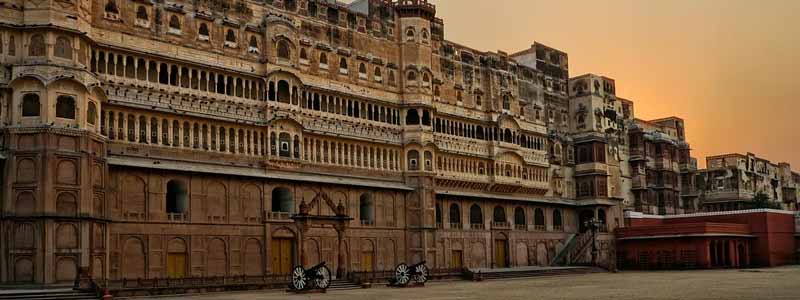
Junagarh Fort, initially named Chintamani, is a grand fortress located in the city of Bikaner. Unlike most major forts in Rajasthan, it is built on the desert plain rather than atop a hill. Construction of the current structure was commissioned by Raja Rai Singh, the sixth ruler of Bikaner and a general in the Mughal army, between 1589 and 1594 AD. It was later renamed Junagarh, meaning “Old Fort,” in the 20th century.
The fort’s strong defenses and high walls with 37 bastions meant it was never successfully conquered, save for a brief one-day occupation by Kamran Mirza, a son of Emperor Babur, in 1534.
Junagarh’s architecture is a stunning blend of Rajput, Mughal, and Gujarati styles, visible in its intricate courtyards, balconies, and temples. Inside, magnificent palaces like the Chandra Mahal, Anup Mahal (known for its gold-leaf work), and Badal Mahal (with its unique cloud frescoes) showcase the royal opulence, making it a masterpiece of Bikaneri craftsmanship.
Why It’s Kid-Friendly
Ground-Level Location: No steep climbs, making it perfect for toddlers and strollers.
Beautiful Interiors: Each room is like stepping into a different world of color and decoration.
History Presented Simply: The museum and exhibits are straightforward, with helpful signage and models.
Exotic Artifacts: Kids enjoy spotting old royal toys, howdahs, weapons, manuscripts, and costumes.
Highlights for Kids
The quirky Ganga Singh Museum
Throne rooms decorated in red and gold
Rooms with mirrored ceilings and marble floors
Junagarh may be lesser-known than Jaipur or Jodhpur’s forts, but for families, it offers a relaxed, enriching, and visually rich historical journey.
Rajasthans Kid-Friendly Palaces and Forts
Chittorgarh Fort – A Tale of Bravery Every Child Should Know
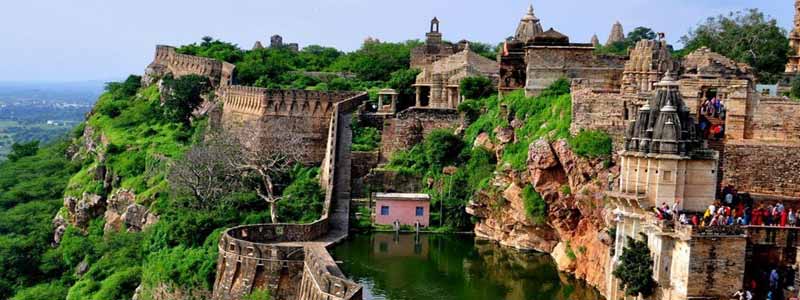
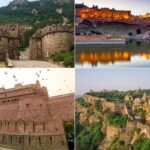
Chittorgarh Fort, a UNESCO World Heritage Site, is the largest fort in India, sprawling over 700 acres atop a 180-meter-high hill in Rajasthan. Founded in the 7th century and serving as the capital of the Mewar Kingdom for eight centuries, it epitomizes the ultimate Rajput spirit of bravery and pride.
Its history is marked by three devastating sieges (1303, 1535, and 1568), during which the Rajput women, led by the likes of Rani Padmini, performed Jauhar (mass self-immolation) to preserve their honor, a tragic but powerful act of defiance.
The formidable structure, with its seven gates, houses 65 historic structures. Key attractions include the towering Vijay Stambh (Tower of Victory), built by Rana Kumbha to celebrate his triumph, and the Kirti Stambh (Tower of Fame), dedicated to the first Jain Tirthankara. The fort’s ruined palaces and temples, like the Rana Kumbha Palace and Rani Padmini’s Palace, whisper tales of the past, making it one of the most historically significant sites in India.
Why It’s Kid-Friendly
Epic Stories: Kids love heroic tales, and Chittorgarh is full of them—Rani Padmini, Maharana Pratap, and legendary battles.
Large Open Grounds: Ideal for walking, picnicking, and running.
Towers to Climb: The Vijay Stambh (Tower of Victory) is a favorite climbing challenge for older kids.
Picture-Perfect Structures: The palace ruins, reservoirs, and pavilions spark imagination.
Highlights for Kids
Exploring the grand Vijay Stambh
Watching fish and turtles in the fort’s large water reservoirs
Imagining life inside vast palace ruins
Chittorgarh encourages children to reflect on bravery, leadership, and history in a way no textbook can.
Rajasthans Kid-Friendly Palaces and Forts
Jaisalmer Fort – A Living Fort Kids Can Call a Playground
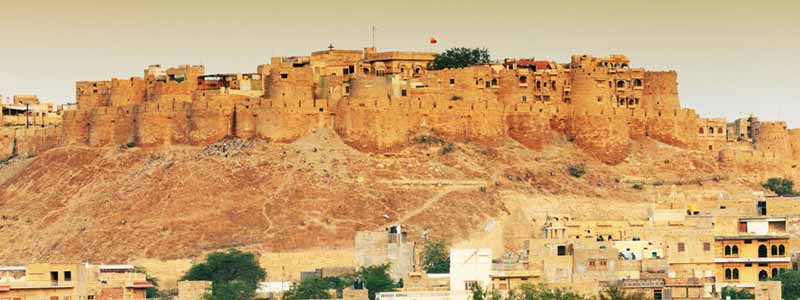
Jaisalmer Fort, built in 1156 AD by Rajput ruler Rawal Jaisal, stands majestically on Trikuta Hill in the heart of the Thar Desert. Constructed from yellow sandstone, its massive walls take on a tawny lion color in the day and glow a rich, honey-gold at sunset, earning it the famous nickname, “Sonar Quila” (Golden Fort). It is recognized as a UNESCO World Heritage Site.
This impressive citadel is distinguished as one of the world’s few “living forts,” with nearly a quarter of Jaisalmer’s old city population—around 4,000 people—still residing within its ancient ramparts. The fort’s defensive architecture includes a formidable 30-foot high wall reinforced by 99 bastions.
Inside its four main gates, the fort is a maze of narrow streets, beautiful Jain and Hindu temples, the former Royal Palace (Raj Mahal), and stunningly intricate havelis (merchant mansions). It once served as a vital strategic trading post on the ancient Silk Route, connecting India to Central Asia, making it a vibrant center of culture, commerce, and architectural brilliance for centuries.
Why It’s Kid-Friendly
A Living, Breathing Fort: Kids can watch local life unfold inside the ancient fort walls.
Golden Sandstone Glow: The fort’s warm yellow hues feel magical, especially under the winter sun.
Narrow Safe Lanes: Great for exploration, photography, and cultural learning.
Camel Stories: Everything in Jaisalmer comes with desert folklore fascinating to children.
Highlights for Kids
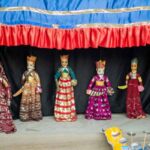
Seeing puppeteers perform traditional desert tales
Exploring Jain temples with intricate carvings
Watching the fort glow at sunset
Jaisalmer Fort is a magical experience that blends fantasy with history.
Rajasthans Kid-Friendly Palaces and Forts
Kumbhalgarh Fort – Walls So Massive They Amaze Every Child
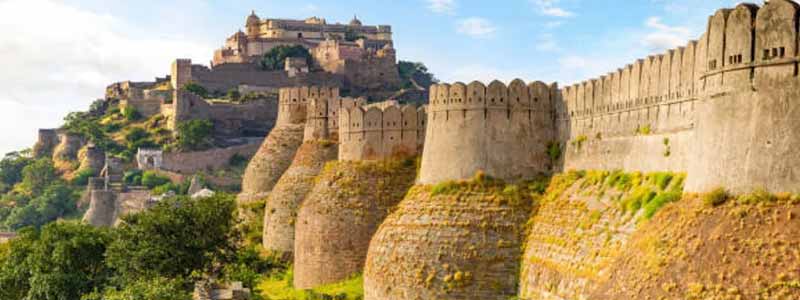
Kumbhalgarh Fort is a majestic fortress nestled in the Aravalli Hills of Rajasthan, a UNESCO World Heritage Site and the second most significant citadel of the Mewar region after Chittorgarh. It was constructed and expanded in the 15th century by Rana Kumbha, under the supervision of the architect Mandan, who meticulously documented the design.
The fort is primarily renowned for its massive, winding wall, often dubbed the “Great Wall of India.” This continuous fortification stretches over an impressive 36 kilometers, making it the second longest wall in the world. Its sheer width is astounding, broad enough for eight horses to ride abreast.
Perched atop a hill approximately 1,100 meters above sea level, Kumbhalgarh’s strategic location and formidable defenses made it virtually impregnable; it was only breached once, due to a shortage of drinking water. It served as a vital place of refuge for the rulers of Mewar in times of danger and is celebrated as the birthplace of the legendary warrior, Maharana Pratap. Within its seven fortified gates and towering ramparts, the fort complex contains over 360 temples and beautiful structures like the Badal Mahal (Palace of Clouds), offering panoramic views of the surrounding landscape.
Why It’s Kid-Friendly
Adventure Feel: Reaching the top offers a sense of accomplishment kids enjoy.
Light and Sound Show: Engaging and educational for all ages.
Wildlife Sanctuary Nearby: Combine your trip with a safari for a full day of family fun.
Highlights for Kids
Running along the massive 36-km wall
Spotting wildlife if you visit the adjoining sanctuary
Climbing towers for breathtaking views
Kumbhalgarh appeals especially to children who love adventure and outdoor exploration.