Sojati Gate Market in Jodhpur: Things to Do, Open & Closed Timing
rtp123
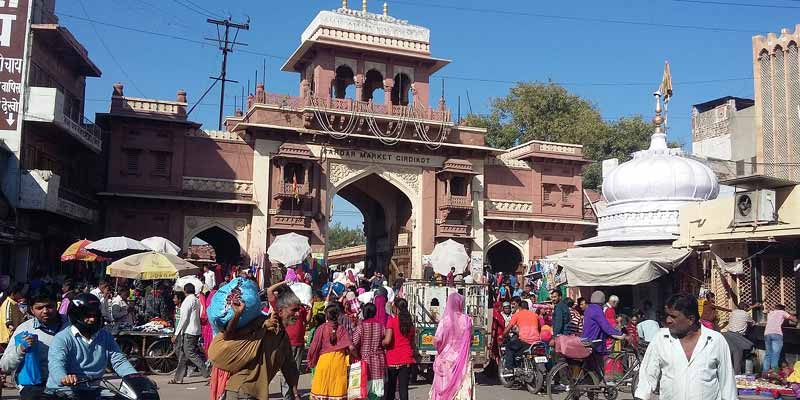
Sojati Gate Market in Jodhpur, located near the historic gate and close to the Railway Station, is one of Jodhpur’s most vibrant and sought-after shopping areas. It serves as a bustling hub for authentic Rajasthani craftsmanship and traditional goods.
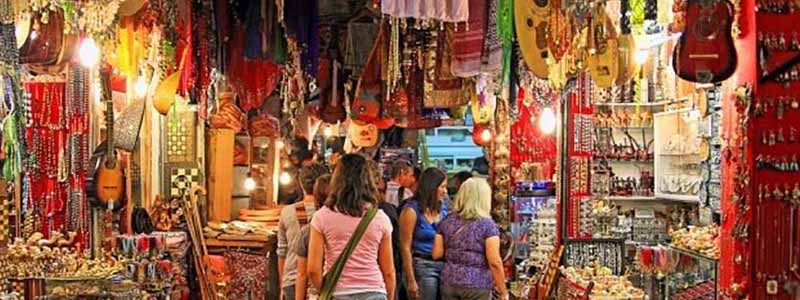
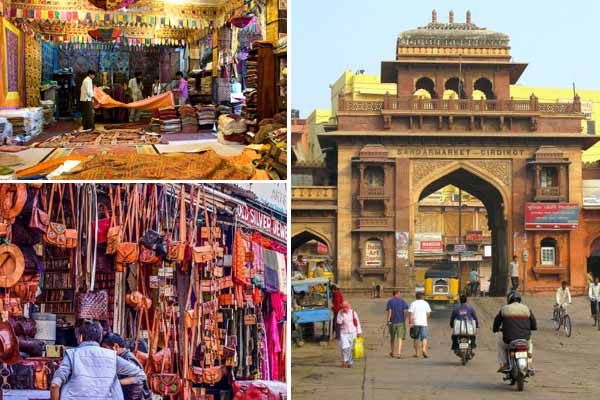
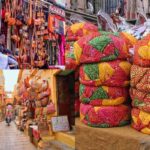
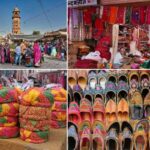
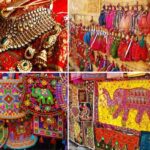
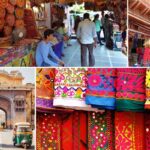
The market is most famous for its stunning collection of Bandhani (tie-dye) and Leheriya fabrics, available as sarees, dupattas, and suit pieces in a riot of colors. Beyond textiles, it is a treasure trove for traditional accessories, including vibrant Lac bangles and antique-style jewelry.
Visitors flock here for handicrafts, local souvenirs, traditional Mojari footwear, and leather goods. It is also particularly renowned for its small stalls where local artists apply intricate Henna (Mehendi) designs. A sensory experience, the market offers great opportunities for street photography and is a must-visit for finding authentic Jodhpur mementos. Remember to bargain!
Sojati Gate Market traces its origins to the early 18th and 19th centuries, when Jodhpur’s old walled city began expanding under the rule of the Rathore kings. The Sojati Gate itself was one of the several gateways built to protect the inner city. These gates served as controlled entry points, ensuring safety, regulating trade, and connecting Jodhpur with surrounding regions.
As settlements grew around the gate, traders from nearby villages and desert towns began setting up small stalls along the lanes leading to it. Over time, this area evolved into a vibrant local bazaar where artisans sold textiles, jewelry, turbans, spices, and everyday goods. Its position near major routes made it a natural trading hub.
By the late 19th century, the market became known for Bandhani (tie-and-dye) textiles, lac bangles, and traditional Rajasthani crafts. Even after urban expansion reduced the functional importance of the city walls, Sojati Gate remained a commercial and cultural landmark.
Today, the market continues its centuries-old legacy as one of Jodhpur’s most iconic shopping streets, preserving the traditional craft and trading culture of the region.
Nearby attractions to Sojati Gate Market in Jodhpur
Sojati Gate Market lies close to the historic heart of Jodhpur, making it a perfect starting point for exploring several of the city’s most iconic attractions. Whether you’re interested in heritage architecture, cultural experiences, scenic views, or local cuisine, the area surrounding Sojati Gate offers a rich mix of sites that capture the essence of the Blue City. Here are the most notable attractions located nearby, each offering its own unique charm and historical significance.
1. Ghanta Ghar (Clock Tower) and Sardar Market
Just a short distance from Sojati Gate, the Ghanta Ghar or Clock Tower is one of Jodhpur’s most recognizable landmarks. Built by Maharaja Sardar Singh in the late 19th century, the tower stands tall amid the bustling Sardar Market. This vibrant bazaar is filled with vendors selling spices, vegetables, handicrafts, footwear, and traditional Rajasthani textiles. The atmosphere here is lively and colorful, offering an authentic local experience. Many visitors choose to move between Sojati Gate and Sardar Market as both offer excellent shopping and cultural encounters.
2. Mehrangarh Fort
About a short drive or a longer walk from the market, Mehrangarh Fort dominates the city’s skyline. Considered one of the finest forts in India, it rises dramatically from a rocky hill and provides panoramic views of the blue-painted houses below. The fort, founded in 1459 by Rao Jodha, features magnificent palaces, courtyards, and museums exhibiting royal artifacts, weapons, costumes, and paintings. Its well-preserved interiors and rich history make it a must-visit attraction, and its proximity to Sojati Gate Market makes planning a combined visit convenient.
3. Jaswant Thada
Close to Mehrangarh Fort lies the elegant white marble cenotaph known as Jaswant Thada. Built in memory of Maharaja Jaswant Singh II in 1899, this structure is often called the “Taj Mahal of Marwar.” Its intricately carved marble panels, peaceful gardens, and small lake make it a serene escape from the busy lanes of the city. Many travelers stop here after visiting the fort, as the two sites are located near one another.
4. Toorji Ka Jhalra (Stepwell)
A beautifully restored stepwell located in the old city, Toorji Ka Jhalra offers a fascinating glimpse into ancient water-management systems. Constructed in the 1740s by a queen of the royal family, this stepwell features symmetrical staircases and intricate stonework. Today, the surrounding area has trendy cafés, boutiques, and handicraft stores, making it a charming spot to relax after exploring Sojati Gate Market.
5. Umaid Bhawan Palace Museum
Although slightly farther, the Umaid Bhawan Palace Museum is still easily accessible from Sojati Gate. This grand palace, one of the world’s largest private residences, was built in the 20th century and showcases the royal lifestyle of the Jodhpur rulers. The museum displays clocks, vintage cars, photographs, and royal memorabilia. A portion of the palace functions as a luxury hotel, adding to its opulent appeal.
6. Rai ka Bagh Palace
Located not too far from the market area, Rai ka Bagh Palace is an important historical structure built by Maharaja Jaswant Singh I. While most of the palace is not open to the public, its impressive architecture and historical relevance make it a noteworthy site for history enthusiasts.
7. Mandore Gardens
A longer trip but still within reach from Sojati Gate, Mandore Gardens is a peaceful and historically rich site featuring cenotaphs, temples, gardens, and the ruins of Mandore Fort. It offers an excellent combination of architecture, history, and nature.
Sojati Gate Market in Jodhpur
Best Time to Reach Sojati Gate Market in Jodhpur
The best time to visit Sojati Gate Market in Jodhpur is during the cooler hours of the day and the pleasant winter season. Evenings from 4:00 PM to 8:30 PM are ideal, as the heat reduces, shops are fully active, and the vibrant displays of textiles, jewelry, and handicrafts look especially attractive under the lights. If you prefer a quieter experience, late mornings between 10:00 AM and 12:00 PM are also good, with fewer crowds and easier browsing.
Season-wise, the most comfortable period is October to March, when temperatures are mild and perfect for walking through busy market lanes. It is best to avoid visiting during peak summer (April to June), as daytime heat can exceed 40°C, making shopping uncomfortable.
How to Reach Sojati Gate Market in Jodhpur
The Sojati Gate Market is centrally located in Jodhpur, making it easily accessible via various modes of transport.
By Auto-rickshaw or Taxi: This is the most convenient way. Since Sojati Gate is a major landmark and business hub near the city center, any local auto-rickshaw or cab driver will know the location.
From Jodhpur Railway Station (JU): The market is very close to the railway station, just a short 5 to 10-minute ride away.
From Jodhpur Airport (JDH): The market is approximately 7 to 8 kilometers from the airport, and a pre-paid taxi or airport cab will take around 20-30 minutes, depending on traffic.
By Local Bus: The market is well-connected by city bus routes, with a major bus stand nearby, although a rickshaw is often preferred for direct access.
Given the market’s heavy traffic, especially in the evenings, an auto-rickshaw is generally the fastest and best option to navigate the bustling, narrow roads.