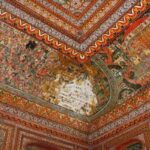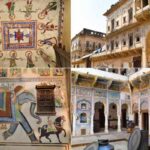



The Ultimate Guide to Visiting Rajasthan’s Shekhawati Region, often called the Open-Air Art Gallery of Rajasthan, is a vibrant region in north-eastern Rajasthan known for its magnificent painted havelis, grand forts, and rich cultural heritage. Spanning the districts of Jhunjhunu, Sikar, and Churu, it showcases the artistic brilliance of 18th and 19th-century Marwari merchants who decorated their mansions with intricate frescoes depicting mythology, folklore, and colonial influences.
The main tourist towns—Mandawa, Nawalgarh, Dundlod, Fatehpur, and Jhunjhunu—offer a fascinating blend of history and art. Highlights include the Mandawa Fort, Podar Haveli Museum, Nadine Le Prince Haveli, and Rani Sati Temple. Each structure tells a story through its colorful murals, fine carvings, and unique architectural style.
Visitors can experience heritage stays in restored havelis, enjoy traditional Rajasthani cuisine, and explore the rural desert landscape on camel or horse safaris. The region also hosts the Shekhawati Festival in February, celebrating local art, crafts, and folk performances.
Easily accessible from Jaipur and Delhi, Shekhawati offers travelers a peaceful escape into Rajasthan’s royal past. For those seeking authentic culture and timeless charm beyond the usual tourist circuit, Shekhawati stands as a living museum—a journey through color, history, and creativity.
What is the Cultural Landscape of Shekhawati Region?
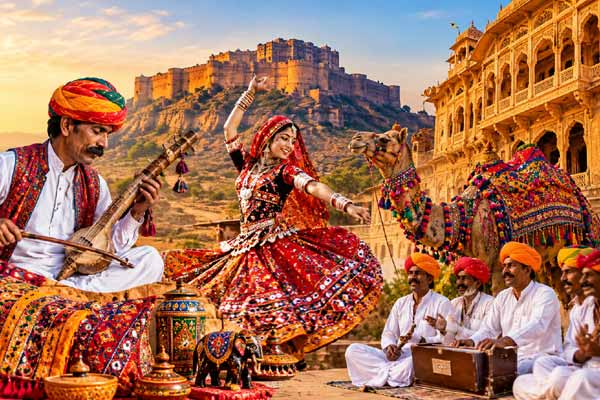
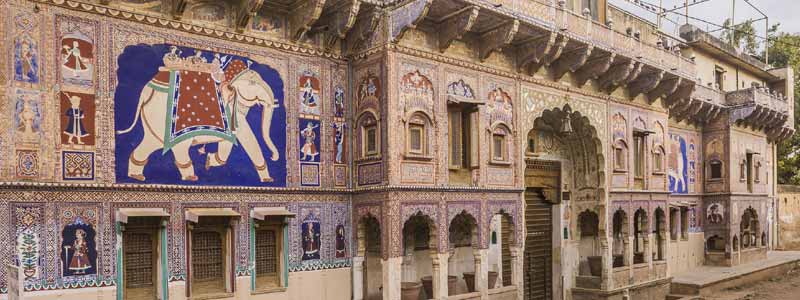
The Shekhawati region, covering the districts of Sikar, Jhunjhunu, and Churu, is named after its founder, Rao Shekha Ji. Historically, it was a prosperous region, often referred to as the “open-air art gallery of Rajasthan” due to its beautifully painted havelis. However, the heart of Shekhawati’s charm lies in its vibrant folk traditions, where music and dance play an integral role in the lives of the people.
Music in Shekhawati is not merely a form of entertainment; it is a way of life. From weddings and festivals to prayers and social gatherings, the sounds of traditional instruments are omnipresent, blending seamlessly with the rhythm of daily life. The instruments used here are as unique as the region itself, crafted with love and often passed down through generations.
History of Shekhawati
The name Shekhawati comes from its founder, Rao Shekha, a 15th-century Rajput chieftain. Once a prosperous trade hub on the ancient caravan routes connecting Delhi, Bikaner, and Sindh, Shekhawati flourished under the patronage of wealthy Marwari merchants. These merchants, who later migrated to cities like Kolkata and Mumbai, built grand havelis in their hometowns as symbols of wealth and devotion.
What makes Shekhawati truly unique is its art. Between the 18th and early 20th centuries, local artisans adorned these havelis with vibrant frescoes depicting mythology, folklore, and even the arrival of British influences—trains, gramophones, telephones, and airplanes—all captured in vivid colors on lime-plastered walls.
Today, though many of these mansions stand deserted, their fading frescoes continue to narrate the stories of a glorious past.
Popular places to visit in Shekhawati
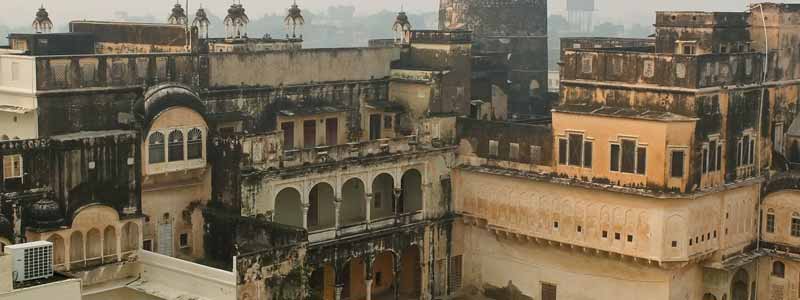
Here are the most popular places to visit in the Shekhawati region, known as Rajasthan’s “open-air art gallery” for its thousands of frescoed mansions (havelis).
The main attractions are concentrated in a few key towns, each with its own unique charm and collection of painted havelis.
1. Mandawa – The Gateway to Shekhawati
Often referred to as the “heart of Shekhawati,” Mandawa is the most accessible and popular town in the region. Its narrow lanes are lined with magnificent havelis, each one a masterpiece of craftsmanship.
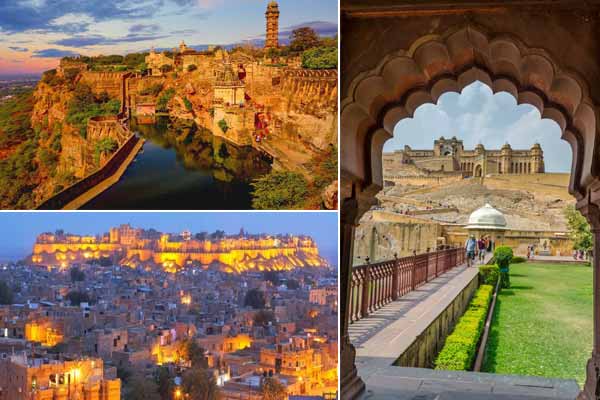
- Mandawa Fort: Built in the 18th century by Thakur Nawal Singh, this fort dominates the skyline with its grand archways, ornate frescoes, and panoramic views of the town. It has now been converted into a heritage hotel, offering visitors a chance to relive royal grandeur.
- Hanuman Prasad Goenka Haveli: Known for its colorful murals depicting Lord Shiva on Nandi and other mythological themes.
- Murmuria Haveli: Famous for its eclectic frescoes featuring modern elements—such as cars, trains, and even portraits of Nehru and George V.
Strolling through Mandawa feels like walking through a living museum, where every wall tells a story.
2. Nawalgarh – The Artistic Soul
Nawalgarh, founded by Thakur Nawal Singh (the same nobleman who built Mandawa Fort), is often considered the most artistically rich town in Shekhawati.
- Podar Haveli Museum: This restored haveli showcases more than 700 frescoes, meticulously preserved to give visitors a sense of Shekhawati’s artistic peak.
- Aath Haveli Complex: A cluster of eight stunning havelis with detailed paintings depicting royal processions, deities, and daily life scenes.
- Bansidhar Bhagat Haveli: Notable for its intricate gold leaf work and fine depictions of Rajasthani folk tales.
Nawalgarh’s central bazaar, filled with local artisans and antique shops, adds to the charm.
3. Dundlod – The Royal Heritage
Dundlod is a quaint village that transports you straight into Rajasthan’s regal past.
- Dundlod Fort: Built in 1750, this fort combines Rajput and Mughal architectural styles. Today, it operates as a heritage hotel where guests can enjoy traditional Rajasthani hospitality.
- Jagathia and Goenka Havelis: Known for their elaborate mirror work, marble fountains, and exquisitely detailed frescoes.
Dundlod is also famous for its horse safaris, organized by the Dundlod Royal Stables, which let travelers explore the countryside on Marwari horses—a uniquely Indian breed known for its curved ears and endurance.
4. Fatehpur – A Hidden Gem
Fatehpur is a painter’s dream. Though less touristy, it boasts some of the most artistically refined havelis in Shekhawati.
- Nadine Le Prince Haveli: This 19th-century mansion was lovingly restored by French artist Nadine Le Prince, blending traditional Rajasthani architecture with European elegance. It now serves as an art gallery and cultural center.
- Jagannath Singhania Haveli: Renowned for its frescoes illustrating mythological scenes and scenes of British colonial influence.
Fatehpur’s tranquil lanes and crumbling mansions offer photographers endless inspiration.
5. Jhunjhunu – The Historical Heart
As the largest town in Shekhawati, Jhunjhunu is steeped in history and religious devotion.
- Khetri Mahal: Known as the “Wind Palace of Shekhawati,” this stunning structure features arched windows and airy corridors reminiscent of Jaipur’s Hawa Mahal.
- Rani Sati Temple: One of the region’s most revered temples, dedicated to the legendary Rani Sati, a symbol of courage and faith.
- Tibrewala Haveli: An excellent example of late 19th-century fresco work blending Rajasthani and colonial styles.
Jhunjhunu’s bustling markets also offer a great place to experience local life.
How to Best Visit the Shekhawati Region
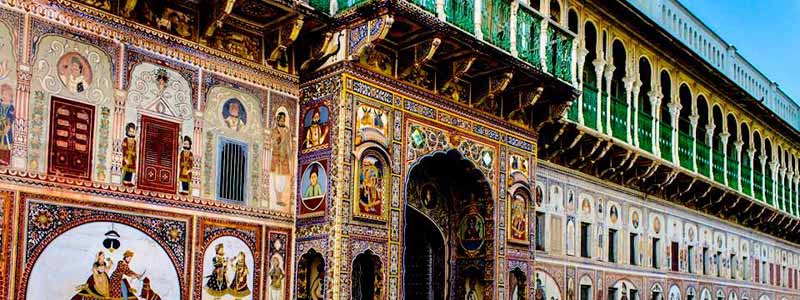
Taking a central place in the Shekhawati region is convenient. From there, you can plan a day trip with a local guide. If you have more time, you can even plan multiple day trips – there’s plenty to see in the Shekhawati region. It’s also advisable not to hop from haveli to haveli all day because at some point they all start to look alike. The havelis may be truly magnificent, but after visiting the 10th one, you won’t really notice the difference anymore.
How to Reach Shekhawati
Shekhawati, located in north-eastern Rajasthan, is well connected to major cities like Jaipur, Delhi, and Bikaner by road and rail. The region’s key towns—Mandawa, Jhunjhunu, Sikar, and Churu—serve as convenient entry points.
By Air: The nearest airports are Jaipur International Airport (about 150 km from Mandawa) and Delhi Airport (around 250 km). From either city, taxis and buses are available for a comfortable drive to Shekhawati.
By Train: Jhunjhunu, Sikar, and Churu railway stations connect Shekhawati to Delhi, Jaipur, and Bikaner with regular train services. Trains such as the Delhi–Bikaner Express and Jaipur–Sikar Passenger are popular options.
By Road: Shekhawati is easily accessible via National Highways 11 and 52. Regular Rajasthan State Road Transport and private buses run from Jaipur, Delhi, and Bikaner. Travelers can also hire cars or jeeps to explore multiple towns within the region conveniently.