8 Must-Visit Monuments of Jodhpur in Rajasthan for History Geeks
rtp123
8 Must-Visit Monuments of Jodhpur, the “Blue City,” is a treasure trove of historical monuments that showcase the grandeur of the Rajput era. The absolute must-visit is the majestic Mehrangarh Fort. Perched on a 400-foot hill, this 15th-century fort is a masterpiece of architecture, with intricate carvings, stunning courtyards like Moti Mahal and Phool Mahal, and a museum displaying royal artifacts.
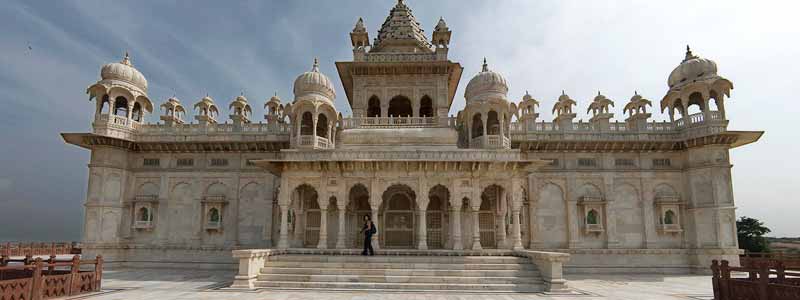
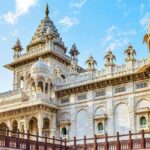
Just a short walk from the fort is Jaswant Thada, a serene white marble cenotaph built in memory of Maharaja Jaswant Singh II. Often called the “Taj Mahal of Marwar,” its delicate jali work and peaceful surroundings make it a beautiful sight.
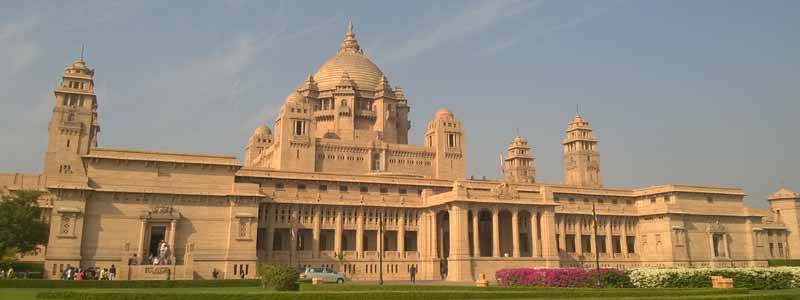
Another highlight is the magnificent Umaid Bhawan Palace, a blend of Indo-Saracenic and Art Deco styles. While part of it is a luxury hotel and the royal family’s residence, a section is open as a museum, offering a glimpse into their opulent lifestyle.
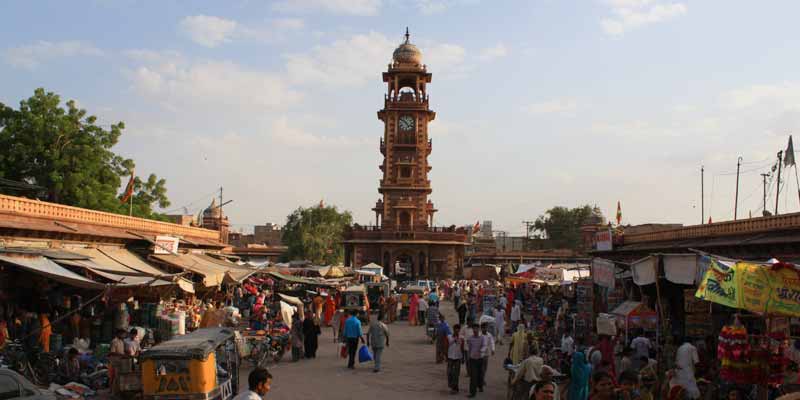
Lastly, the bustling Ghanta Ghar (Clock Tower) stands in the heart of the old city, serving as a landmark and a gateway to the lively Sardar Market, where you can experience the vibrant local culture.
Founded several centuries ago by Rathore ruler Rao Jodha in 1459, Jodhpur’s strategic location linking Delhi to Gujarat made it the capital of the state. During the late 16th century, the kingdom was annexed to the Mughal empire by Akbar. Jodhpur, then known as Marwar, became a Mughal vassal that enjoyed autonomy. This led to the amazing amalgamation of vibrant Mughal and opulent Rajput architecture leading to some of the most iconic monuments across the state of Rajasthan.
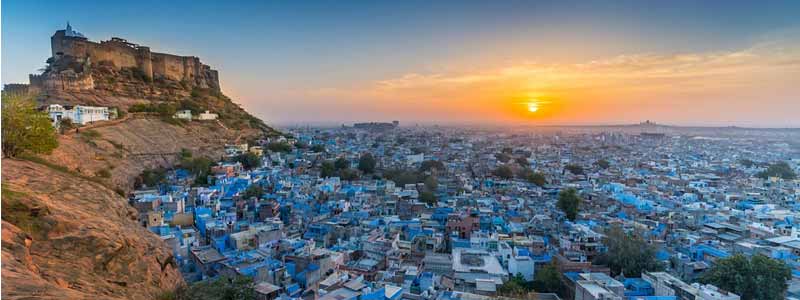
A mightly fort called Mehrangarh Fort has guarded the city for centuries. This impressive fort overlooks old Jodhpur which is painted blue. The bylanes of the old city offer a photographer’s paradise where every nook and corner tells a story that you can capture in your frames.
The proximity of the city to the Thar desert shows signs of desert life. Desert nomads called banjaras had settled down in different parts of the city during different times. To add a splash of colour to the dull desert backdrop, men and women both dress in vibrant colours. While men tie multicoloured turbans on their heads, women wear long and wide skirts of different colours.
8 Must-Visit Monuments of Jodhpur
Mehrangarh Fort: The Crown Jewel –
Our journey through Jodhpur’s monuments begins with none other than the crown jewel itself, Mehrangarh Fort. Perched on a steep hill, this colossal fort is a testament to the grandeur and might of the Rajput rulers. Its imposing walls and intricate carvings are a sight to behold as they overlook the city below. The fort’s name, Mehrangarh, translates to “Fort of the Sun,” and it indeed basks in the glory of the sun with its warm, golden hues.
Mehrangarh Fort is not just a fort; it’s a living museum of Jodhpur’s royal history. As you step inside, you’ll be transported to a world of opulence, with ornate palaces like Moti Mahal, Sheesh Mahal, and Phool Mahal showcasing the finest in Rajput architecture. The museum within the fort is a treasure trove of artifacts, including royal costumes, palanquins, weaponry, and paintings that narrate the stories of valor and grandeur.
One of the most captivating aspects of Mehrangarh Fort is its panoramic view of Jodhpur. As you stand atop its ramparts, the blue-painted houses of the city sprawl below like a cerulean ocean, offering a mesmerizing contrast to the desert landscape. The fort also hosts various cultural events and performances, making it a dynamic and living heritage site.
A short distance from Mehrangarh Fort lies another architectural masterpiece, Jaswant Thada. Often called the “Taj Mahal of Marwar,” this monument is a breathtaking mausoleum made of intricately carved marble. It was built in memory of Maharaja Jaswant Singh II and serves as a tribute to his memory.
Jaswant Thada exudes an air of serenity and elegance. Its latticed marble screens filter the sunlight, creating a soft, ethereal glow inside. As you explore the cenotaph, you’ll come across portraits of the Rathore rulers, adding a touch of history to its serene ambiance. The tranquil gardens surrounding Jaswant Thada are adorned with blooming flowers, making it an ideal spot for a peaceful escape from the city’s hustle and bustle.
8 Must-Visit Monuments of Jodhpur
Umaid Bhawan Palace: A Living Legacy –
While Mehrangarh Fort and Jaswant Thada transport you to the past, Umaid Bhawan Palace is a living testament to royalty and luxury. This grand palace, one of the world’s largest private residences, showcases the opulent lifestyle of the Maharajas of Jodhpur. Commissioned during a time of drought and famine, the construction of Umaid Bhawan Palace provided employment to thousands, making it a symbol of philanthropy.
The palace is an architectural marvel that seamlessly blends Art Deco and Indian architectural styles. Its golden-yellow sandstone façade is a striking contrast to the arid desert surroundings. Visitors can explore a portion of the palace, which now houses a museum, providing insight into the royal family’s life and their patronage of the arts.
Umaid Bhawan Palace also offers luxurious accommodations, allowing guests to experience the royal lifestyle firsthand. Staying here is an indulgent escape, where you can revel in the grandeur of a bygone era.
8 Must-Visit Monuments of Jodhpur
Clock Tower and Sardar Market: The Heart of Jodhpur –
To experience the pulse of Jodhpur, head to the Clock Tower (Ghanta Ghar) and the adjoining Sardar Market. The Clock Tower, a prominent landmark, was constructed in the late 19th century and stands tall as a symbol of the city’s heritage. Its vibrant bazaars are a bustling hub of activity, and you’ll find a kaleidoscope of colors, aromas, and sounds here.
Sardar Market is a treasure trove for shoppers. It’s the place to buy exquisite handicrafts, textiles, spices, and traditional Rajasthani goods. Whether you’re seeking intricately designed jewelry, vibrant textiles, or aromatic spices, you’ll find it all in this bustling market.
Mandore Gardens: A Serene Oasis –
A short drive from the city center takes you to Mandore Gardens, a historic garden complex with a rich cultural heritage. These gardens are not just about lush greenery and vibrant flowers; they are home to a collection of cenotaphs, memorials to the Marwar rulers.
The most notable cenotaph is the Chhatri of Maharaja Jaswant Singh, an architectural masterpiece adorned with delicate carvings and intricate patterns. As you stroll through the gardens, you’ll also encounter statues of deities and figures from Hindu mythology. Mandore Gardens provide a peaceful retreat from the city’s hustle, making them an ideal spot for a leisurely walk or a picnic.
Toorji Ka Jhalra
Toorji Ka Jhalra was built during the reign of Maharaja Abhai Singh Rathore. He was in charge of Jodhpur from 1724 to 1749. The female members of the Royal families at the time, especially the Queens, would take part in and oversee efforts to erect public water systems. Toorji Ka Jhalra was created in the 1740s under the direction of the Queen of Marwar, Rani Tawarji (addressed as “Toorji”), the wife of Maharaja Abhai Singh Rathore for the wellbeing of her citizens. It gives a glimpse into women’s important responsibilities in royal families. This monument in Jodhpur was made using the world-famous rose-red sandstone found in Jodhpur.
Locals frequented the well for generations until the city underwent modernisation, and it was abandoned entirely. The water body was later cleaned, and the debris inside the well was removed to restore this historical legacy. Since then, the area has gained notoriety as a tourist destination
Rao Jodha Desert Rock Park –
While Jodhpur’s monuments steal the limelight, the city is also dedicated to preserving its natural heritage. The Rao Jodha Desert Rock Park, located at the base of Mehrangarh Fort, is a testament to this commitment.
This ecological park is a unique endeavor to showcase the desert’s flora and fauna. As you explore the park’s winding trails, you’ll encounter native plant species, rock formations, and panoramic vistas of the fort above. The park is a haven for nature lovers and a delightful contrast to the city’s architectural wonders.
Machia Biological Park: Wildlife Encounters –
For those seeking a different kind of adventure, the Machia Biological Park offers a chance to connect with wildlife. Located on the outskirts of Jodhpur, this park is home to a variety of animal species, including big cats, ungulates, and various bird species. It’s an excellent place for a family outing or a peaceful walk amidst nature.
The park’s well-designed enclosures provide a safe environment for these animals while allowing visitors to observe them in near-natural settings. It’s a great opportunity to learn about the region’s wildlife and conservation efforts.