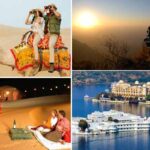


Experience The Royal Culture of Rajasthan is to embark on a journey that transcends mere sightseeing and delves into the very soul of a land steeped in history, valor, and artistic grandeur. This culture, shaped by centuries of Rajput rule and influenced by the arid landscape, is a vibrant and living heritage that captivates every visitor. It’s an immersive adventure where you don’t just observe, but become a part of the royal story.
Architectural Marvels: A Walk Through History
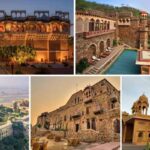
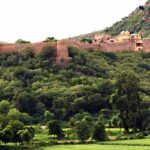
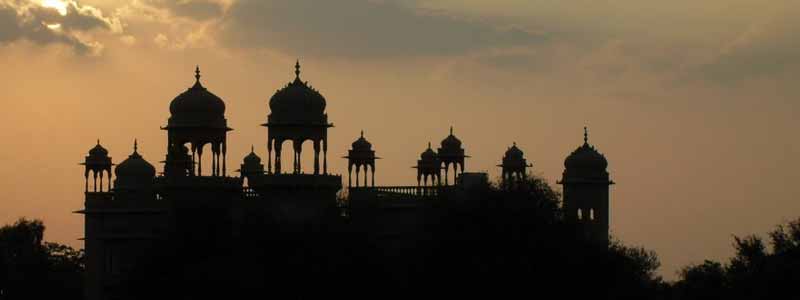
The most prominent feature of Rajasthan’s royal culture is its breathtaking architecture. The state is a treasure trove of magnificent forts, opulent palaces, and intricate havelis (mansions) that stand as silent witnesses to a glorious past. Each city tells a unique story through its stone and mortar.
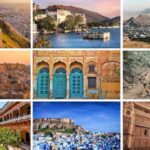
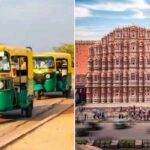
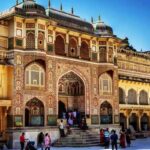
Jaipur, the “Pink City,” is a royal gateway. The Amber Fort, a UNESCO World Heritage Site, is a spectacular blend of Hindu and Mughal architecture. As you ascend the fort on a decorated elephant or a jeep, you are instantly transported to the era of Maharajas. The Sheesh Mahal, or Palace of Mirrors, is a highlight, with its mosaic of mirrors that reflects a single ray of light into a thousand sparkles. The Hawa Mahal, or “Palace of Winds,” is another iconic symbol, with its 953 small windows designed to allow royal women to observe street festivities without being seen. The City Palace, a beautiful fusion of Rajput and Mughal styles, still houses the current royal family in a private section, making it a living museum of the city’s regal heritage.
Udaipur, the “City of Lakes,” exudes a romantic and serene royalty. The City Palace, perched on the banks of Lake Pichola, is a sprawling complex of palaces, courtyards, and gardens. A boat ride on the lake, especially at sunset, offers a majestic view of the palace and the Lake Palace (Jagmandir), which appears to float on the water, a truly enchanting sight.
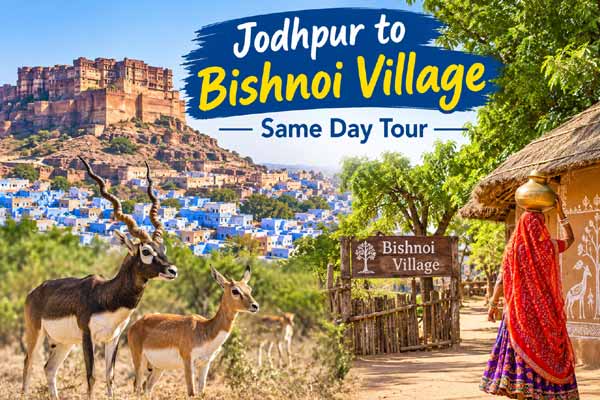
Jodhpur, the “Blue City,” is dominated by the colossal Mehrangarh Fort. Rising 400 feet above the city, this fort is a symbol of the strength and power of the Rathore rulers. The fort’s museum is a rich repository of royal artifacts, including palanquins, weaponry, and costumes. The Umaid Bhawan Palace, a stunning example of Indo-Saracenic architecture, is another highlight, with a portion of it still serving as the residence for the royal family.
The Art of the Royalty: Textiles and Handicrafts
The royal culture of Rajasthan is beautifully manifested in its intricate arts and crafts. Every piece of textile, every piece of jewelry, and every painting tells a story of the state’s rich artistic heritage.
Textiles are a burst of color in the desert landscape. The vibrant tie-and-dye (Bandhani) fabrics of Jaipur and Jodhpur are world-famous, known for their elaborate patterns. Block printing, a traditional art form, is another skill passed down through generations. The royal attire, with men wearing colorful pagris (turbans) and angrakhas and women in flowing ghagras adorned with mirror work and intricate embroidery, is a sight to behold.
Jewelry in Rajasthan is a statement of royal grandeur. From the intricate Meenakari (enamel work) and Kundan work to the delicate Thewa jewelry (fusing 23-karat gold onto glass), the craftsmanship is a testament to the artisans’ skill. These pieces often feature motifs inspired by nature and royal courts, reflecting the aesthetic sensibilities of the patrons.
Miniature paintings, particularly from the Mewar and Marwar schools, are another celebrated art form. These detailed paintings, often on silk or paper, depict scenes from Hindu epics, royal court life, and historical battles. Another unique art form is Phad painting, a narrative scroll painting that tells tales of folk deities and heroes.
The Rhythmic Soul: Music and Dance
The soul of Rajasthan’s royal culture comes alive in its music and dance. These performances are not just entertainment; they are a form of storytelling, preserving the state’s oral history and folklore.
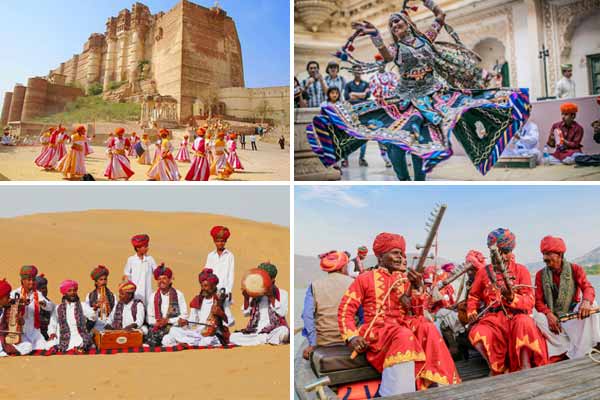
The folk music of Rajasthan is a melodic journey. The Manganiyars and Langas, traditional communities of musicians, use instruments like the dholak (drum) and sarangi to create soulful tunes. Their music narrates tales of love, valor, and the harsh desert life.
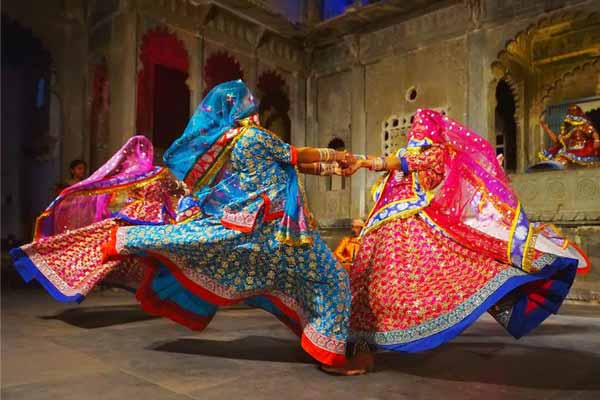
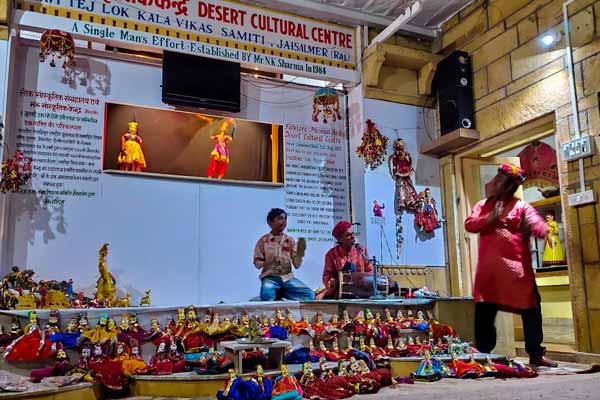
The dances are equally captivating. The graceful Ghoomar, originally a dance of the Bhil tribe that was later adopted by the royal courts, is performed by women in swirling, colorful ghagras. The Kalbeliya dance, performed by the nomadic snake charmer community, is a fast-paced, fluid performance that mimics the movements of a serpent. The Kathputli (puppetry) shows, which have been a part of royal court entertainment for centuries, are a fun and engaging way to experience historical tales and social commentary.
A Royal Feast: Cuisine
No cultural experience is complete without indulging in the local cuisine. Rajasthani food, born out of a desert environment and the warlike lifestyle of its inhabitants, is hearty, flavorful, and unique.
The most iconic dish is Dal Baati Churma, a wholesome meal of baked wheat balls (baati), a spicy lentil curry (dal), and a sweetened crumble (churma). The use of ghee (clarified butter) is generous, adding a rich flavor to the food.
For non-vegetarians, Laal Maas, a fiery mutton curry cooked with a mix of yogurt and red chilies, is a must-try. Other culinary delights include Ker Sangri, a tangy preparation of wild berries and beans from the desert, and various types of kachoris (fried pastries) like Pyaaz Kachori (onion) and Mawa Kachori (sweet).
To truly experience this royal feast, many cultural villages like Chokhi Dhani offer a traditional Rajasthani thali (platter) in a recreated rural setting, complete with folk music and dance performances.
A Journey of a Lifetime
In essence, experiencing the royal culture of Rajasthan is a multi-sensory journey. It is about more than just seeing palaces and forts; it is about feeling the warmth of the famous Rajasthani hospitality, encapsulated in the phrase “Padharo Mhare Desh” (Welcome to my land). It’s about witnessing living traditions, from the intricate work of artisans to the passionate performances of folk artists. This is a journey that connects you with a glorious past and leaves you with a lasting impression of the indomitable spirit and vibrant heritage of the Land of Kings.