Best Cultural Experiences in Rajasthan, the “Land of Kings,” offers a rich tapestry of culture, history, and tradition. A visit here is incomplete without immersing yourself in its vibrant cultural experiences.
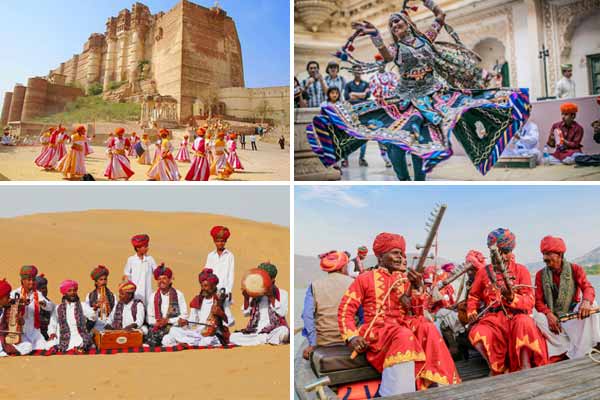
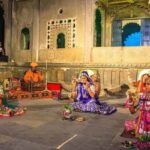
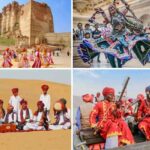
Start with a folk dance and music performance, where Ghoomar and Kalbeliya dancers captivate you with swirling skirts and rhythmic moves, often accompanied by traditional instruments like the dholak and sarangi. The best places to witness these are in Jaipur, Jodhpur, and Udaipur, especially during evening cultural shows.
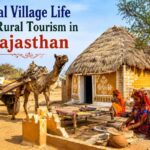
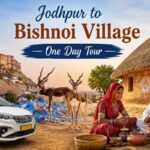
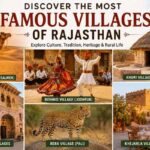
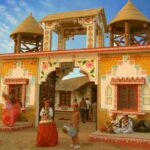
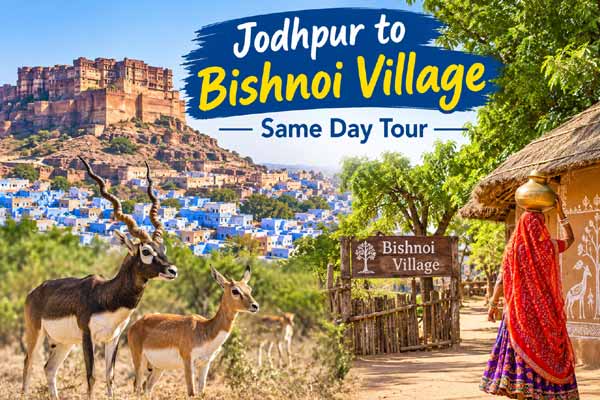
A visit to Rajasthani villages like Sam (Jaisalmer) or Bishnoi (near Jodhpur) allows you to experience rural life firsthand. Interact with artisans, see pottery-making, or learn about traditional crafts like block printing and puppet-making.
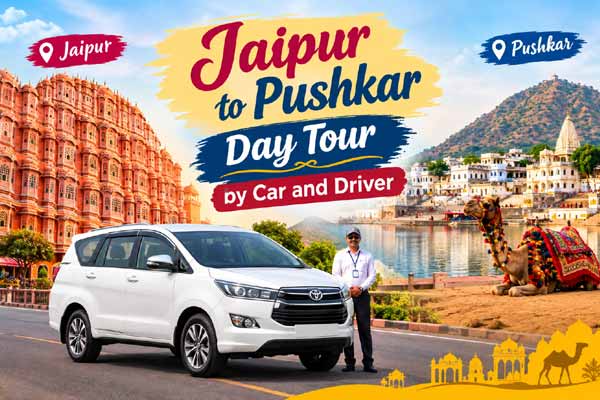
Attend a local fair or festival such as the Pushkar Camel Fair, Desert Festival in Jaisalmer, or the Teej and Gangaur festivals in Jaipur. These events are a riot of color, music, and cultural expression.
1. Historical Heritage: Royal Palaces, Forts, and Museums
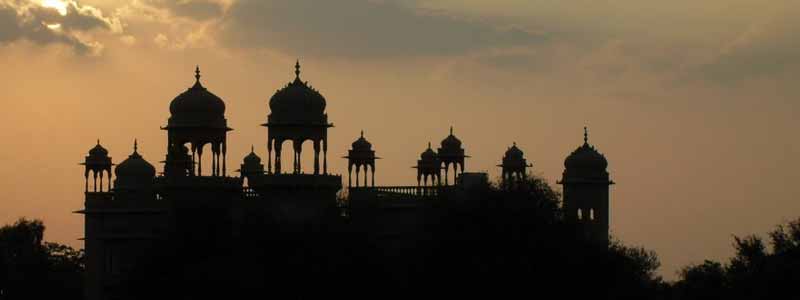
Rajasthan’s royal legacy is undeniably one of its most striking features. The forts and palaces scattered across the state narrate tales of valor, opulence, and power, offering a unique peek into the lives of the Rajput kings.
Jaipur: The Pink City’s Royal Charm
Jaipur, the capital of Rajasthan, is a city that beautifully blends history and modernity. The Amber Fort (or Amer Fort) is the quintessential symbol of Jaipur’s royal past. Constructed in the 16th century by Raja Man Singh, it is an architectural masterpiece. Visitors can explore its magnificent courtyards, beautiful gardens, and intricate wall paintings. A visit to the City Palace is also a must, as it houses several museums displaying regal artifacts such as weapons, paintings, and royal costumes. The palace’s grandeur speaks volumes about the lifestyle of the Maharajas of Jaipur.
The Jantar Mantar, an astronomical observatory built by Maharaja Jai Singh II, is another must-see site in Jaipur. It’s an awe-inspiring collection of ancient astronomical instruments, some of which are still in use today to measure celestial positions.
Udaipur: The City of Lakes and Royal Elegance
Udaipur, known for its serene lakes and stunning palaces, offers a glimpse into the life of the Mewar dynasty. The City Palace of Udaipur, located on the banks of Lake Pichola, is an architectural marvel. The palace’s intricate carvings, grand courtyards, and stunning views of the surrounding lakes provide visitors with a feel of royal splendor.
Visitors can also take a boat ride on Lake Pichola, which offers magnificent views of the Jag Mandir Palace and the Lake Palace Hotel, which once served as a royal retreat. The Bagore Ki Haveli Museum in Udaipur is another gem, showcasing the region’s cultural heritage through folk music, dance performances, and traditional Rajasthani costumes.
Jaisalmer: The Golden City
Jaisalmer, known as the Golden City for its sandstone architecture, is a living testament to Rajasthan’s rich desert culture. The Jaisalmer Fort, also called Sonar Quila, is one of the largest and best-preserved living forts in the world. Within the fort’s walls, you can find bustling streets, temples, and havelis, offering a snapshot of the old world. The Patwon Ki Haveli, a collection of five havelis, is an architectural wonder and a perfect example of intricate Rajasthani craftsmanship.
Jaisalmer also offers a chance to explore the Sam Sand Dunes and experience life in the Thar Desert. Camel rides and desert safaris are popular activities that bring you close to the rustic desert life, where time seems to stand still.
Best Cultural Experiences in Rajasthan
2. Folk Music and Dance: The Soul of Rajasthan
Rajasthan’s folk music and dance are deeply intertwined with the state’s culture, often providing insights into its rich traditions and history. The music and dance forms of Rajasthan are as diverse as its landscape, with each region having its distinct style.
Ghoomar: A Dance of Elegance
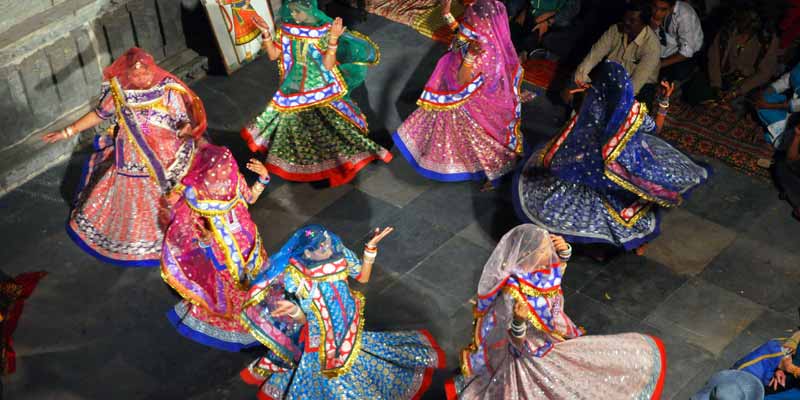
The Ghoomar dance is a vibrant and graceful traditional folk dance performed by women in Rajasthan. The dancers, dressed in colorful lehengas, twirl in a circle, often to the rhythm of dholaks (drums) and traditional music. This dance is commonly performed during festivals like Teej and Gangaur, which celebrate the arrival of the monsoon and worship the goddess Parvati.
The dance is widely performed in Udaipur and other parts of southern Rajasthan, with its energetic movements symbolizing the spirit of the women of Rajasthan.
Kalbeliya: The Dance of the Snake Charmers
The Kalbeliya dance is another famous dance form of Rajasthan. Performed by the Kalbeliya tribe, this dance mimics the movements of a snake, with women dressed in black skirts adorned with silver jewelry, swirling and spinning to the beat of traditional music. This dance form is particularly associated with the desert regions of Rajasthan, including Jaisalmer and Barmer.
Puppetry: The Traditional Art of Kathputli
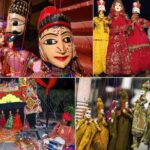
The art of Kathputli, or puppet theatre, is a significant part of Rajasthan’s folk culture. Puppetry performances are used to tell stories, often based on folklore, myths, and epics such as the Ramayana and Mahabharata. Puppeteers use wooden puppets with intricately painted faces and attire to depict characters, bringing them to life with movements and dialogues. These performances are commonly seen in Jodhpur, Jaipur, and Udaipur, particularly during festivals and cultural events.
Rajasthan also hosts the Rajasthan International Folk Festival (RIFF), an annual event in Jodhpur, where you can enjoy performances of folk music, dance, and puppetry from across the state and beyond.
Best Cultural Experiences in Rajasthan
3. Crafts and Handicrafts: Rajasthani Artistry
Rajasthan’s handicrafts are renowned worldwide for their intricate designs, vibrant colors, and artistic excellence. The state’s handicraft traditions span textiles, pottery, jewelry, metalwork, and painting, each offering a unique insight into the state’s cultural fabric.
Block Printing and Bandhani
The art of block printing is one of the most famous craft traditions of Rajasthan. Cities like Bagru, Sanganer, and Jaipur are known for their traditional block-printing techniques, where artisans use hand-carved wooden blocks to create intricate patterns on fabric. These textiles, often made of cotton, are used to create a wide range of products such as bed sheets, clothing, and wall hangings.
Bandhani, or tie-dye, is another vibrant textile art form from Rajasthan. Originating in Jodhpur and Kutch, Bandhani involves tying small sections of cloth to create intricate patterns before dyeing it, resulting in beautifully colored textiles. Bandhani is often used to create sarees, turbans, and scarves.
Miniature Paintings
Rajasthan is home to some of India’s most exquisite miniature paintings, often depicting scenes of royal courts, battles, and religious themes. The Mewar, Marwar, and Jaipur styles of miniature painting are particularly famous for their intricate detailing, vibrant colors, and use of gold leaf. These paintings are commonly found in the City Palace of Udaipur, Jaipur’s Amer Fort, and various other palaces and forts across the state.
Jewelry and Metalwork
Rajasthan is also renowned for its exquisite jewelry, particularly kundan and meenakari work. Kundan is a traditional form of jewelry making that involves setting precious stones in gold, while meenakari is the art of enameling metal with intricate designs. These jewelry pieces are highly prized and are found in markets across cities like Jaipur, Jodhpur, and Udaipur.
The state’s metalwork, particularly in brass and copper, is equally famous, with items ranging from traditional lamps and utensils to decorative pieces such as door handles and statues.
Best Cultural Experiences in Rajasthan
4. Rajasthani Cuisine: A Feast for the Senses
Rajasthan’s cuisine is as diverse as its culture, with rich, flavorful dishes that reflect the region’s royal heritage as well as the harsh conditions of the desert. Rajasthani food is known for its use of spices, dairy products, and innovative cooking techniques that have evolved over centuries.
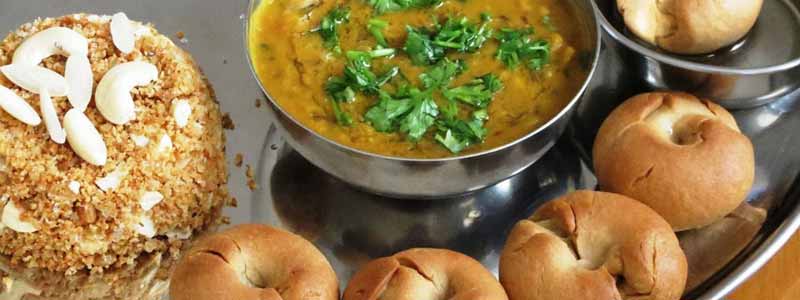
Dal Baati Churma
One of the most iconic Rajasthani dishes is dal baati churma, a delicious combination of lentil curry (dal), round wheat flour balls (baati), and a sweet dish made from crushed baatis (churma). This dish is often served with a dollop of ghee, making it a hearty and satisfying meal. It is widely enjoyed across the state, especially during weddings and festive occasions.
Laal Maas
For those who love spicy food, Laal Maas is a must-try. This fiery mutton curry, cooked with a rich blend of red chilies and spices, is perfect for those looking to experience the bold flavors of Rajasthan. Traditionally, it is served with roti or rice.
Gatte Ki Sabzi and Ker Sangri
Gatte ki sabzi is a quintessential vegetarian dish made from gram flour (besan) dumplings cooked in a tangy, spicy gravy. Another popular vegetarian dish is ker sangri, made from wild berries and beans, native to the desert regions of Rajasthan. This dish is a reflection of the resourcefulness of the Rajasthani people, who have adapted to the harsh desert environment by using locally available ingredients.
Sweets and Snacks
Rajasthani sweets such as ghewar, mawa kachori, and churma laddoo are a true delight. The ghewar, a honeycomb-like sweet, is particularly famous during the Teej festival, while mawa kachori is a deep-fried pastry filled with sweetened khoya.
Rajasthan’s street food scene is also vibrant, with pyaaz kachori, samosas, and papad ki sabzi making for great snacks while exploring the local markets.
5. Festivals: The Vibrancy of Rajasthan’s Traditions
Rajasthan is home to a number of festivals that celebrate the rich cultural heritage of the state. From grand processions to colorful dances and music, Rajasthan’s festivals offer a unique opportunity to experience its traditions.
Pushkar Camel Fair
The Pushkar Camel Fair is one of the largest cultural festivals in Rajasthan. Held annually in the town of Pushkar, this fair brings together camel traders, farmers, and locals for a colorful celebration of the desert life. Visitors can witness camel races, folk music and dance performances, traditional markets, and more. The fair is also an opportunity to witness the region’s cultural richness, with performances of Rajasthani folk dances, puppet shows, and kathputli performances.
Desert Festival of Jaisalmer
The Desert Festival of Jaisalmer is another major event in Rajasthan’s cultural calendar. Held in February, the festival celebrates Rajasthan’s desert culture with camel races, folk music, dance, and a variety of other cultural events. The festival is a must-visit for anyone interested in Rajasthan’s unique desert culture.
Tej and Gangaur
The Tej and Gangaur festivals celebrate the worship of the goddess Parvati. Women dress in traditional attire and participate in processions, singing songs and performing rituals. These festivals are celebrated with great enthusiasm in cities like Jaipur, Udaipur, and Jodhpur.